
The idea of enhancing coffee with spices for health benefits is not new, but the pairing of cinnamon and coffee for weight management has gained notable attention in both wellness circles and nutritional science. Unlike artificial supplements or extreme diets, adding ground cinnamon to your morning coffee represents a simple, low-cost, and flavorful adjustment that may contribute meaningfully to metabolic health and fat loss efforts. While no single ingredient causes weight loss on its own, cinnamon’s bioactive compounds—particularly cinnamaldehyde—interact with physiological processes related to glucose metabolism, insulin sensitivity, and appetite regulation. When combined with coffee, a naturally thermogenic beverage, this duo creates a synergistic effect that supports sustained energy, reduced cravings, and improved metabolic efficiency. This article explores the science, practical applications, and culinary wisdom behind using cinnamon in coffee as part of a holistic weight-loss strategy.
Definition & Overview
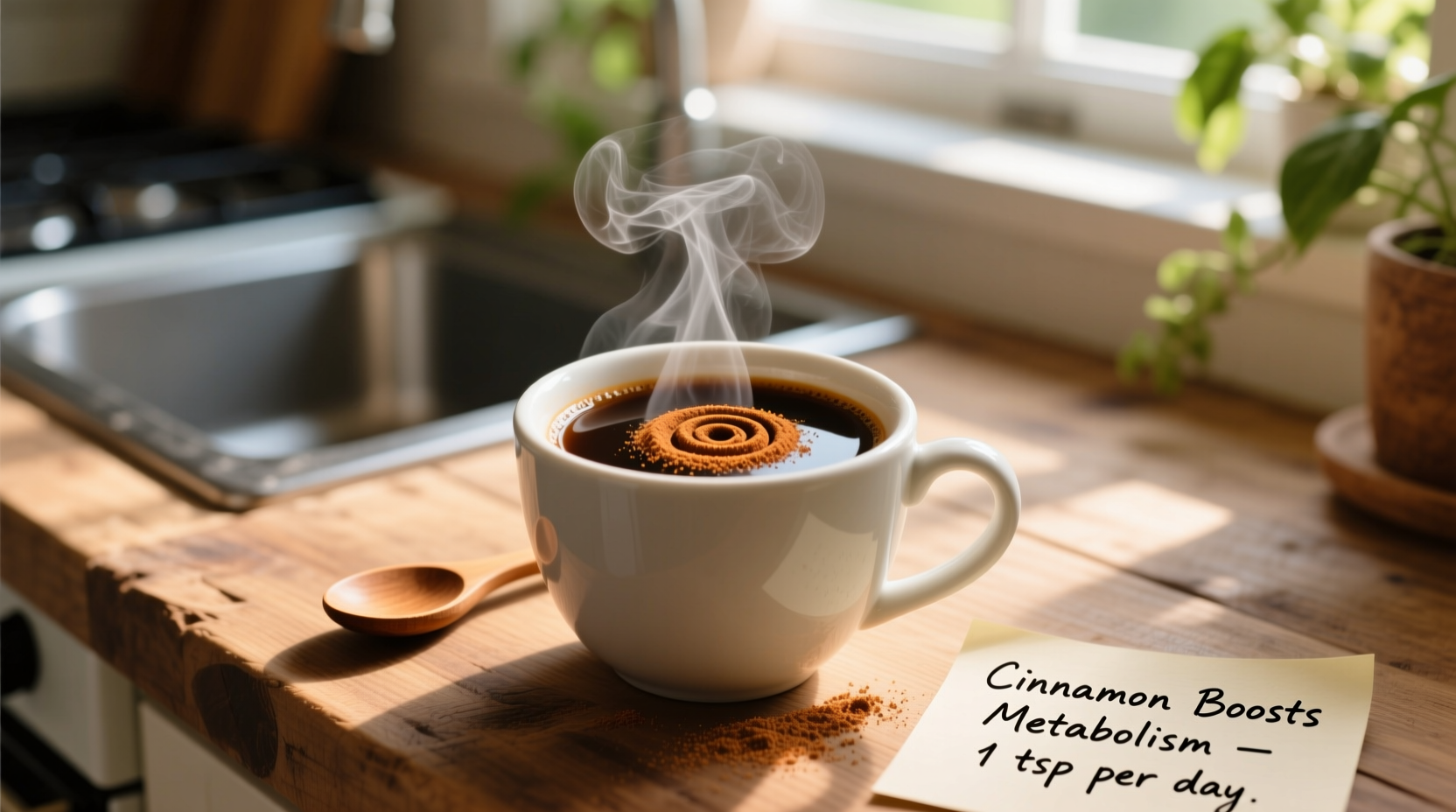
Cinnamon is a fragrant spice derived from the inner bark of trees belonging to the Cinnamomum genus. It has been used for thousands of years in traditional medicine and global cuisines, prized for its warm sweetness and complex aroma. The two most common types are Ceylon cinnamon (Cinnamomum verum) and cassia cinnamon (Cinnamomum cassia), with the latter being more widely available and less expensive. Both varieties contain beneficial polyphenols and essential oils, though they differ significantly in coumarin content—a compound that can be harmful in excess.
Coffee, meanwhile, is one of the world’s most consumed beverages, valued not only for its stimulating caffeine content but also for its antioxidant profile. When cinnamon is added to coffee, it doesn’t merely enhance flavor—it introduces bioactive components that modulate how the body processes sugar and stores fat. This combination does not replace diet and exercise but serves as a functional enhancement to daily routines aimed at improving metabolic outcomes.
The use of cinnamon in coffee for weight loss hinges on three primary mechanisms: blood sugar stabilization, enhanced insulin sensitivity, and mild thermogenesis. These effects help reduce energy crashes, curb sugar cravings, and support fat oxidation—key factors in long-term weight management.
Key Characteristics of Cinnamon
| Characteristic | Description |
|---|---|
| Flavor Profile | Warm, sweet, slightly spicy with woody undertones; cassia is bolder and more pungent than delicate Ceylon. |
| Aroma | Richly aromatic due to volatile oils like cinnamaldehyde, eugenol, and linalool. |
| Color/Form | Brown-red powder (ground) or rolled quills (sticks); color varies by type. |
| Heat Level | Non-pungent but warming; creates a sensation of internal heat without capsaicin-like burn. |
| Culinary Function | Flavor enhancer, natural sweetener substitute, preservative (antimicrobial properties). |
| Shelf Life | Ground: 6–12 months; sticks: up to 3–4 years when stored properly in airtight containers. |
How Cinnamon in Coffee Supports Weight Loss: The Science
The integration of cinnamon into coffee for weight management is supported by several lines of scientific inquiry. Though human clinical trials remain limited in scale, existing research suggests meaningful physiological interactions:
- Blood Sugar Regulation: A meta-analysis published in the Journal of Medicinal Food found that consuming 1–6 grams of cinnamon daily significantly reduced fasting plasma glucose levels. By slowing gastric emptying and mimicking insulin activity, cinnamon helps prevent sharp spikes and dips in blood sugar—common triggers for hunger and snacking.
- Insulin Sensitivity Improvement: Cinnamaldehyde activates insulin receptor kinase and inhibits phosphatase activity, enhancing cellular response to insulin. Improved insulin sensitivity means the body requires less insulin to process glucose, reducing fat storage signals, particularly in abdominal tissue.
- Appetite Suppression: Stable blood sugar translates to fewer cravings, especially for carbohydrates and sweets. In anecdotal reports and small pilot studies, participants who consumed cinnamon-enriched meals reported feeling fuller longer, even when calorie intake was unchanged.
- Thermogenic Synergy with Coffee: Caffeine increases metabolic rate by 3–11% through stimulation of the central nervous system and mobilization of fatty acids. Cinnamon contributes additional thermogenic activity via activation of brown adipose tissue (BAT) in animal models, suggesting a complementary mechanism for calorie expenditure.
“Spices like cinnamon don’t replace structured nutrition plans, but they offer what we call ‘metabolic leverage’—small changes with outsized impacts on hormonal balance and satiety.” — Dr. Lena Torres, Nutritional Biochemist, University of California, Davis
Practical Usage: How to Add Cinnamon to Coffee Effectively
Incorporating cinnamon into your coffee routine is straightforward, but effectiveness depends on method, dosage, and consistency. Here are evidence-based guidelines for optimal results:
- Choose the Right Type: Opt for Ceylon cinnamon when possible due to its lower coumarin content. If using cassia, limit intake to no more than ½ teaspoon (about 1–2 grams) per day and avoid continuous daily use beyond 4–6 weeks without breaks.
- Dosage Per Cup: Use ¼ to ½ teaspoon of ground cinnamon per 8 oz cup of coffee. This range delivers active compounds without overwhelming flavor or risking overconsumption.
- Mixing Technique: Stir cinnamon directly into ground coffee before brewing for even distribution, or add it to the brewed liquid and whisk vigorously. Using a handheld frother ensures full dispersion and prevents clumping.
- Enhancement Pairings: Combine with healthy fats such as MCT oil, grass-fed butter, or ghee to create a “cinnamon bulletproof coffee.” Fat aids absorption of fat-soluble compounds in cinnamon while further promoting satiety.
- Timing Matters: Consume within 30 minutes of waking or before a light breakfast to stabilize early-day glucose levels and reduce mid-morning cravings.
TIP: For best results, pair cinnamon coffee with a protein-rich breakfast (e.g., eggs, Greek yogurt, or tofu scramble). Protein amplifies satiety and complements cinnamon’s blood sugar-stabilizing effects.
Recipe Example: Metabolic Morning Brew
Ingredients:
- 1 cup freshly brewed black coffee (preferably organic, medium roast)
- ¼ tsp Ceylon cinnamon (or ⅛ tsp cassia if unavailable)
- 1 tbsp MCT oil or unsalted grass-fed butter
- Optional: dash of vanilla extract or pinch of nutmeg
Instructions:
- Brew coffee using preferred method (drip, French press, or pour-over).
- Add cinnamon to the mug and pour hot coffee over it.
- Add MCT oil or butter and blend with an immersion blender or jar with lid for 20–30 seconds until creamy and emulsified.
- Serve immediately. Drink slowly over 10–15 minutes.
Variants & Types of Cinnamon: Which Is Best?
Not all cinnamon is created equal. Understanding the differences between types is crucial for safety and efficacy:
- Ceylon Cinnamon (“True” Cinnamon): Native to Sri Lanka, tan-brown in color, thin layered quills, milder and more floral. Contains negligible coumarin (typically <0.004%), making it safer for regular consumption. Preferred for daily use in weight-support regimens.
- Cassia Cinnamon (Chinese Cinnamon): Most common in supermarkets, dark reddish-brown, thick hard quills, stronger and more bitter. Contains high levels of coumarin (up to 1%), which in excess can cause liver toxicity. Suitable for occasional use or short-term protocols.
- Saigon (Vietnamese) Cinnamon: A subtype of cassia with even higher cinnamaldehyde content (up to 25%), offering potent flavor and bioactivity—but also the highest coumarin levels. Use sparingly and avoid daily long-term intake.
- Korintje Cinnamon: Indonesian cassia, moderately priced, widely exported. Slightly lower coumarin than Saigon but still above safe thresholds for unrestricted use.
| Type | Coumarin Content | Best Use Case | Recommended Frequency |
|---|---|---|---|
| Ceylon | Very Low (<0.004%) | Daily metabolic support | Daily, long-term |
| Cassia (General) | High (~1%) | Occasional flavor enhancement | Up to 3x/week, rotate with Ceylon |
| Saigon | Very High (~2.7%) | Intensive short-term use | Limited to 1–2 weeks at a time |
| Korintje | Moderate-High (~1.3%) | Budget-friendly alternative | 2–3x/week max |
Comparison with Similar Ingredients
Cinnamon is often confused with other warming spices, but its metabolic role is distinct:
| Ingredient | Primary Active Compound | Effect on Weight | Key Difference from Cinnamon |
|---|---|---|---|
| Nutmeg | Myristicin | Mild digestion aid; no proven metabolic benefit | Psychoactive in high doses; not suitable for daily metabolic use |
| Ginger | Gingerol | Increases thermogenesis and digestion | More effective for nausea; lacks cinnamon’s insulin-mimetic action |
| Turmeric | Curcumin | Anti-inflammatory, may reduce visceral fat | Requires black pepper for absorption; different pathway (NF-kB vs. insulin receptors) |
| Cloves | Eugenol | Antioxidant-rich; minor metabolic impact | Stronger antimicrobial; too potent for daily coffee blending |
While these spices can complement cinnamon in broader wellness routines, none replicate its unique ability to influence glucose uptake and insulin signaling—the cornerstone of sustainable weight control.
Practical Tips & FAQs
Can I use cinnamon sticks instead of powder?
Yes, but less efficiently. Simmer a 2-inch piece of Ceylon stick in water or milk for 10 minutes to extract compounds, then add coffee. Powder dissolves more readily and offers immediate bioavailability.
Does cinnamon in coffee break a fast?
Technically yes, as it contains calories (about 6 kcal per tsp) and may trigger minor insulin release. However, many intermittent fasting practitioners include small amounts of cinnamon due to its minimal impact on ketosis and potential to suppress hunger.
Is there a risk of liver damage?
Only with excessive, prolonged intake of high-coumarin cassia varieties. Stick to Ceylon or limit cassia to under 2 grams/day for no more than 4–6 weeks consecutively.
Can I combine cinnamon with artificial sweeteners?
It’s better to avoid them. Sweeteners like aspartame or sucralose may disrupt gut microbiota and counteract metabolic benefits. If needed, use stevia or monk fruit—both neutral on insulin.
How soon will I notice results?
Most users report reduced cravings and steadier energy within 1–2 weeks. Clinical markers like fasting glucose may improve after 4–8 weeks of consistent use (1–3 grams daily).
What about diabetic patients?
Cinnamon may enhance the effects of diabetes medications, increasing hypoglycemia risk. Consult a healthcare provider before regular use, especially if on insulin or sulfonylureas.
CHECKLIST: Safe & Effective Cinnamon-Coffee Protocol
- ✔ Use Ceylon cinnamon whenever possible
- ✔ Limit cassia to ½ tsp or less per day
- ✔ Consume within 30 minutes of waking or pre-meal
- ✔ Pair with protein or healthy fat for sustained effect
- ✔ Take breaks every 6 weeks (e.g., 1 week off)
- ✔ Store in a cool, dark place to preserve potency
Summary & Key Takeaways
Adding cinnamon to coffee is more than a flavor trend—it's a scientifically plausible strategy to support weight loss through improved metabolic function. The synergy between cinnamon’s insulin-sensitizing properties and coffee’s thermogenic action creates a powerful, accessible tool for managing appetite, stabilizing energy, and reducing fat accumulation over time.
Key points to remember:
- Cinnamon helps regulate blood sugar and improve insulin sensitivity, reducing fat storage signals.
- Ceylon cinnamon is safer for daily use due to negligible coumarin; cassia should be used cautiously.
- Use ¼ to ½ tsp per cup, ideally blended with healthy fats for enhanced satiety and absorption.
- The combination works best as part of a balanced diet and active lifestyle—not as a standalone solution.
- Monitor for individual tolerance and consult a physician if managing diabetes or liver conditions.
Call to Action: Start tomorrow: stir ¼ tsp of Ceylon cinnamon into your morning coffee and observe changes in hunger patterns over the next two weeks. Track energy levels, snack cravings, and afternoon slumps. Small shifts, consistently applied, yield lasting transformation.




 浙公网安备
33010002000092号
浙公网安备
33010002000092号 浙B2-20120091-4
Comments
No comments yet. Why don't you start the discussion?