
The humble fork is often relegated to eating, but in skilled hands, it becomes an essential tool during food preparation—especially when working with aromatic ingredients like fresh ginger. When paired with proper technique, a fork can transform how ginger is incorporated into dishes, preserving its volatile oils, enhancing texture, and ensuring even distribution without over-processing. This synergy between utensil and ingredient is not merely convenient; it’s foundational to achieving bright, layered flavors in everything from stir-fries to marinades and teas. Understanding how to use a fork effectively with ginger unlocks greater control, efficiency, and authenticity in home cooking, bridging the gap between amateur effort and professional finesse.
Definition & Overview
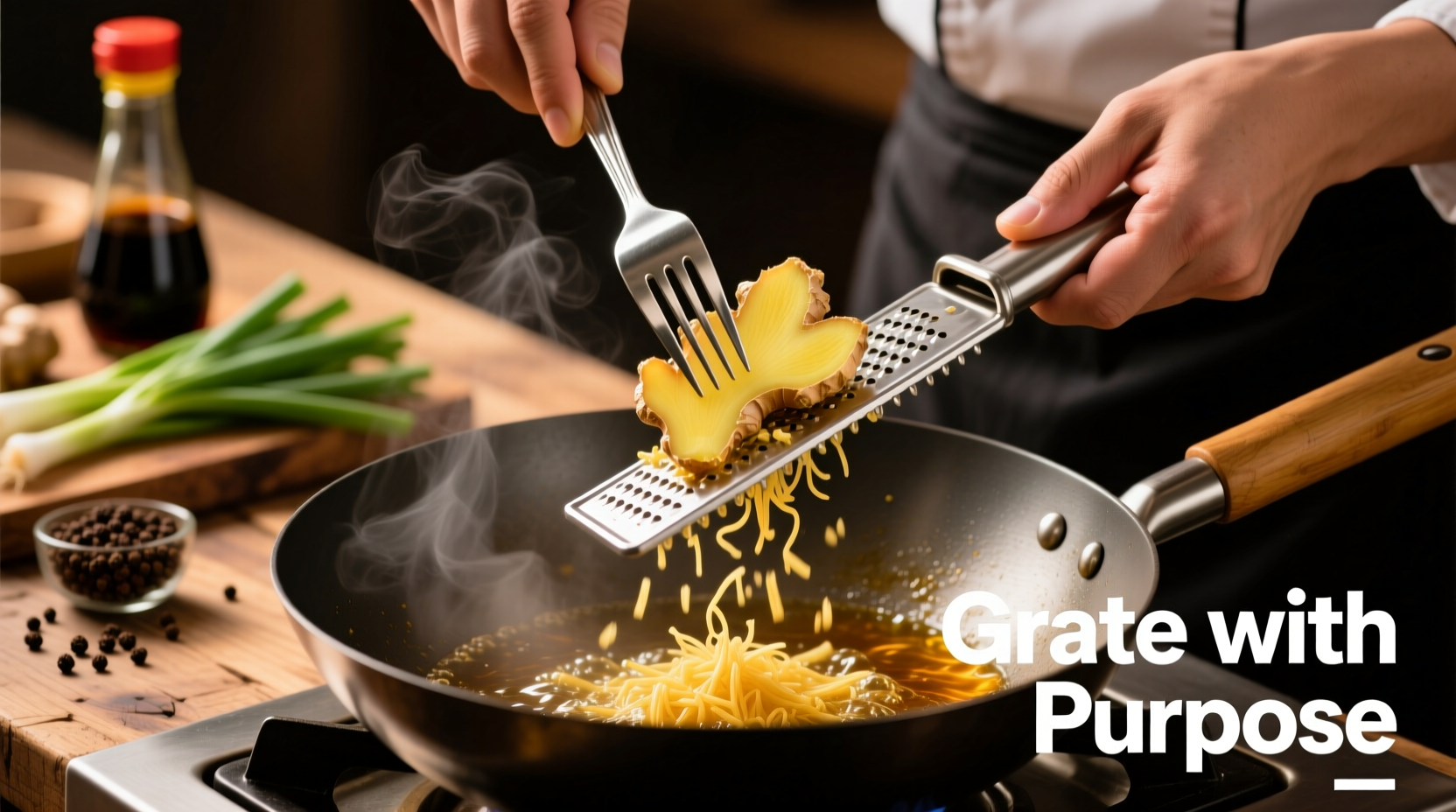
Ginger (Zingiber officinale) is a flowering plant whose rhizome (underground stem) is widely used as a spice and traditional medicine. Native to Southeast Asia, it has been cultivated for over 5,000 years and is now a staple in global cuisines—from Indian curries and Chinese stir-fries to Caribbean jerk rubs and Scandinavian pastries. Its pungent, warm, slightly sweet, and citrusy profile makes it indispensable in both savory and sweet applications.
The term “using fork and ginger” refers not to consuming them together, but to the practical method of employing a standard dining or kitchen fork as a tool to prepare fresh ginger root. This includes grating, crushing, mincing, and extracting juice directly on or into other ingredients—all without requiring specialized equipment like microplanes or garlic presses. The technique leverages the tines of the fork to break down fibrous tissue while minimizing oxidation and loss of essential oils that occur with prolonged exposure to air or aggressive chopping.
Key Characteristics of Fresh Ginger
- Flavor Profile: Pungent, spicy-sweet, with citrusy and peppery notes; raw ginger delivers more heat, while cooked ginger mellows into warmth.
- Aroma: Sharp, zesty, and slightly resinous due to volatile compounds like zingiberene and shogaol.
- Texture: Fibrous and moist when fresh; dries out quickly if improperly stored.
- Color: Pale yellow to golden interior with tan-brown skin; young ginger may have pinkish tips and thinner skin.
- Heat Level: Medium-high on the pungency scale—less intense than raw garlic but more persistent than black pepper.
- Culinary Function: Aromatics base (with onion, garlic), digestive aid, tenderizer (enzymes), natural preservative, flavor enhancer.
- Shelf Life: Up to 3 weeks refrigerated in a sealed container; up to 6 months frozen.
Pro Tip: Never peel ginger unless necessary. The skin is edible and contains concentrated antioxidants. Scrubbing with a brush preserves more flesh and nutrients.
Practical Usage: How to Use a Fork with Ginger
Using a fork to work with ginger offers surprising versatility. Unlike knives or graters, which require cutting boards and generate waste, a fork allows direct manipulation over bowls, meats, or sauces—minimizing cleanup and maximizing freshness.
1. Grating Ginger Directly into Dishes
To grate ginger using a fork:
- Select a small knob of fresh ginger (about 1–2 inches).
- Wash thoroughly under running water and scrub with a vegetable brush.
- Hold the ginger firmly in one hand and rub the tines of a fork across its surface using short, downward strokes.
- Allow the grated fibers to fall directly into your mixing bowl, saucepan, or marinade.
This method releases fine particles rich in essential oils while avoiding the stringiness that can result from coarse chopping. It's ideal for soups, broths, salad dressings, and batters where smooth integration matters.
2. Mincing Without a Knife
For recipes calling for minced ginger (such as salsas, spice pastes, or stuffing):
- Use the side of the fork’s tines to mash a peeled piece of ginger against the bottom of a non-reactive bowl.
- Rotate the fork in a circular motion to shred the fibers progressively finer.
- Add a pinch of salt to help break down structure via osmotic pressure.
The resulting paste emulates hand-minced ginger without risking knife slips or uneven cuts.
3. Crushing for Infusions and Juicing
To extract maximum flavor for tea, syrups, or poaching liquids:
- Peel a thumb-sized chunk of ginger.
- Place it on a heat-safe plate or shallow dish.
- Press down firmly with the back of a fork, twisting slightly to rupture cell walls.
- Transfer crushed ginger directly into hot water or simmering liquid.
Crushing ruptures more cells than slicing, accelerating infusion. After steeping, remove solids easily with a slotted spoon.
4. Marinating Meats and Seafood
Fresh ginger contains proteolytic enzymes (like zingibain) that gently tenderize proteins. To apply this enzymatically:
- Score the surface of chicken, pork, or fish lightly.
- Rub crushed ginger (prepared with fork) into the cuts.
- Let sit for 20–30 minutes before cooking—do not exceed 1 hour, or texture turns mushy.
The fork ensures the ginger adheres deeply into crevices, delivering flavor and function simultaneously.
Chef’s Insight: In Thai street kitchens, cooks often crush lemongrass and galangal with forks before adding chilies and shrimp paste to mortars. The same principle applies: mechanical disruption enhances extraction.
Variants & Types of Ginger and Their Fork Compatibility
Ginger comes in several forms, each suited to different culinary goals. Knowing which type works best with fork-based prep improves outcomes.
| Type | Description | Fork-Friendly? | Best Uses with Fork Technique |
|---|---|---|---|
| Young Ginger | Pale pink tips, thin skin, high moisture, milder heat. | ✅ Excellent – soft enough to grate easily. | Salads, pickles, infused waters, raw applications. |
| Mature Ginger | Darker skin, denser flesh, sharper bite. | ✅ Yes – requires firm pressure but responds well to crushing. | Curries, stir-fries, baked goods, medicinal teas. |
| Pickled Ginger (Gari) | Sliced and preserved in vinegar-sugar brine. | ❌ Not applicable – already processed. | Serving only; not for further preparation. |
| Dried/ Ground Ginger | Dehydrated and powdered form. | ❌ No – no physical structure left. | Baking, spice blends, convenience cooking. |
| Candied/Crystallized Ginger | Preserved in sugar syrup, chewy texture. | 🟡 Limited – too sticky for effective grating. | Desserts, trail mixes, garnishes (chop instead). |
Fresh, unprocessed rhizomes are optimal for fork techniques. Avoid pre-peeled or refrigerated tubs of chopped ginger—they oxidize rapidly and lose aroma.
Comparison with Similar Ingredients
Ginger is frequently confused with related roots, especially when used in raw preparations. Here’s how it differs—and why substitution affects results:
| Ingredient | Flavor Comparison | Texture | Can You Use Fork Method? | Substitution Advice |
|---|---|---|---|---|
| Galangal | Sharper, pine-like, less sweet, more medicinal. | Extremely fibrous, woody core. | ⚠️ Difficult – better grated with metal rasp. | Not interchangeable in Thai curry pastes; distinct profile. |
| Turmeric | Earthy, bitter, mildly peppery; color dominates. | Similar density to ginger. | ✅ Yes – but wear gloves (stains). | Can replace ginger visually in some dishes, but flavor diverges sharply. |
| Horseradish | Sharp, sinus-clearing heat; fades quickly. | Hard, cylindrical root. | ✅ Possible – but fumes intensify when crushed. | Only substitute in savory sauces or cocktails needing nose heat. |
| Lemongrass | Citrusy, lemon-mint aroma. | Fibrous stalks, must be finely sliced. | ❌ Poor – fork won’t slice inner core. | Use only tender lower third; mince by knife or mortar. |
“Many home cooks reach for ground ginger thinking it’s equivalent to fresh. But the volatile oils responsible for brightness evaporate during drying. If your recipe calls for ‘grated ginger,’ always opt for fresh.” — Chef Mei-Lan Tan, Culinary Instructor at Pacific Rim Institute of Gastronomy
Practical Tips & FAQs
How much grated ginger equals one tablespoon?
About 1 inch of mature ginger (unpeeled weight ~20g) yields 1 tablespoon of fork-grated pulp. Young ginger may require slightly more due to higher water content.
Can I freeze ginger and still use the fork method?
Yes—and it’s recommended. Freeze whole unpeeled ginger. When needed, remove and grate directly from frozen using the fork. No thawing required, and the cold temperature firms the flesh for cleaner shredding.
Does grating with a fork waste more than using a microplane?
No. In fact, fork grating produces less aerosol loss than ultra-fine graters, which can create airborne particles. Plus, you maintain full control over quantity and direction.
Is there a difference between using a dinner fork vs. a salad fork?
Yes. A dinner fork (larger tines, sturdier build) provides better leverage for dense ginger. Salad forks may bend or slip under pressure.
What’s the best way to clean a fork after handling ginger?
Rinse immediately under hot water. Residual oils can leave lingering odor. For stubborn residue, scrub with baking soda or lemon juice.
Can I use a fork to test ginger doneness in cooking?
Indirectly. Insert the tines into a piece of braised or candied ginger. If it slides in smoothly and the texture is tender but not disintegrating, it’s done. Overcooked ginger turns gummy.
Are organic ginger and conventional different for fork prep?
Organic ginger typically has thinner skin and fewer chemical residues, making scrub-and-use methods safer. Conventional ginger may have wax coatings—wash with warm water and mild vinegar solution before using fork techniques.
Storage Hack: Store unpeeled ginger in an airtight container in the crisper drawer. For long-term use, cut into 1-inch chunks, place in a freezer bag, and freeze. Retrieve pieces as needed—no peeling, no chopping, ready for fork grating.
Case Study: Restaurant-Style Chicken Congee Using Fork-Prepared Ginger
One-pot congee (rice porridge) exemplifies how minimal tools yield maximum flavor. In Cantonese kitchens, chefs rely on tactile methods rather than gadgets.
Method:
- Bring 6 cups of water to a simmer with a whole scallion and 1 star anise.
- Take a 1.5-inch knob of fresh ginger. Wash and dry.
- Using the back of a fork, crush the ginger to split it open.
- Add crushed ginger directly to the pot—do not discard.
- Stir in ½ cup jasmine rice and 200g shredded chicken breast.
- Simmer gently for 45 minutes, stirring occasionally.
- Five minutes before serving, use the fork again—this time to grate an additional teaspoon of raw ginger directly into the pot for brightness.
- Season with salt, garnish with cilantro and fried shallots.
The dual ginger application—crushed for depth, freshly grated for lift—creates complexity unachievable with powder or pre-minced versions. And all with just one utensil.
Summary & Key Takeaways
The combination of fork and ginger represents more than kitchen improvisation—it embodies efficient, mindful cooking. By mastering this simple technique, cooks gain precision, reduce waste, and elevate flavor through better control of one of the world’s most versatile spices.
- Use a sturdy fork to grate, crush, or mince fresh ginger directly into dishes for maximum aroma retention.
- Never discard ginger skins unnecessarily—scrub instead of peel to preserve flavor and nutrients.
- Frozen ginger can be grated with a fork straight from the freezer, offering convenience without compromise.
- Fresh ginger outperforms dried or jarred alternatives in texture, potency, and balance.
- Pair fork-crushed ginger with proteins for enzymatic tenderizing, or infuse into liquids for deep, warming notes.
- Understand differences between ginger and similar rhizomes—substitutions alter both taste and function.
Final Thought: Great cooking isn't about having every gadget—it's about knowing how to use what you have. The next time you reach for ginger, try setting aside the grater. Pick up your fork instead. You might discover that simplicity brings out the best in flavor.




 浙公网安备
33010002000092号
浙公网安备
33010002000092号 浙B2-20120091-4
Comments
No comments yet. Why don't you start the discussion?