
Ginger is a cornerstone of global cuisine, prized for its pungent warmth, aromatic complexity, and medicinal properties. Yet one of the most common kitchen frustrations—peeling gnarled, knobby ginger root—often discourages regular use. Traditional methods like vegetable peelers or knives frequently remove too much flesh or struggle with tight crevices. The solution? A simple fork. This unassuming utensil, when used correctly, transforms ginger preparation into a fast, efficient, and nearly waste-free process. Understanding this technique unlocks not only convenience but also consistent flavor extraction, making it essential for both novice cooks and seasoned chefs.
Definition & Overview
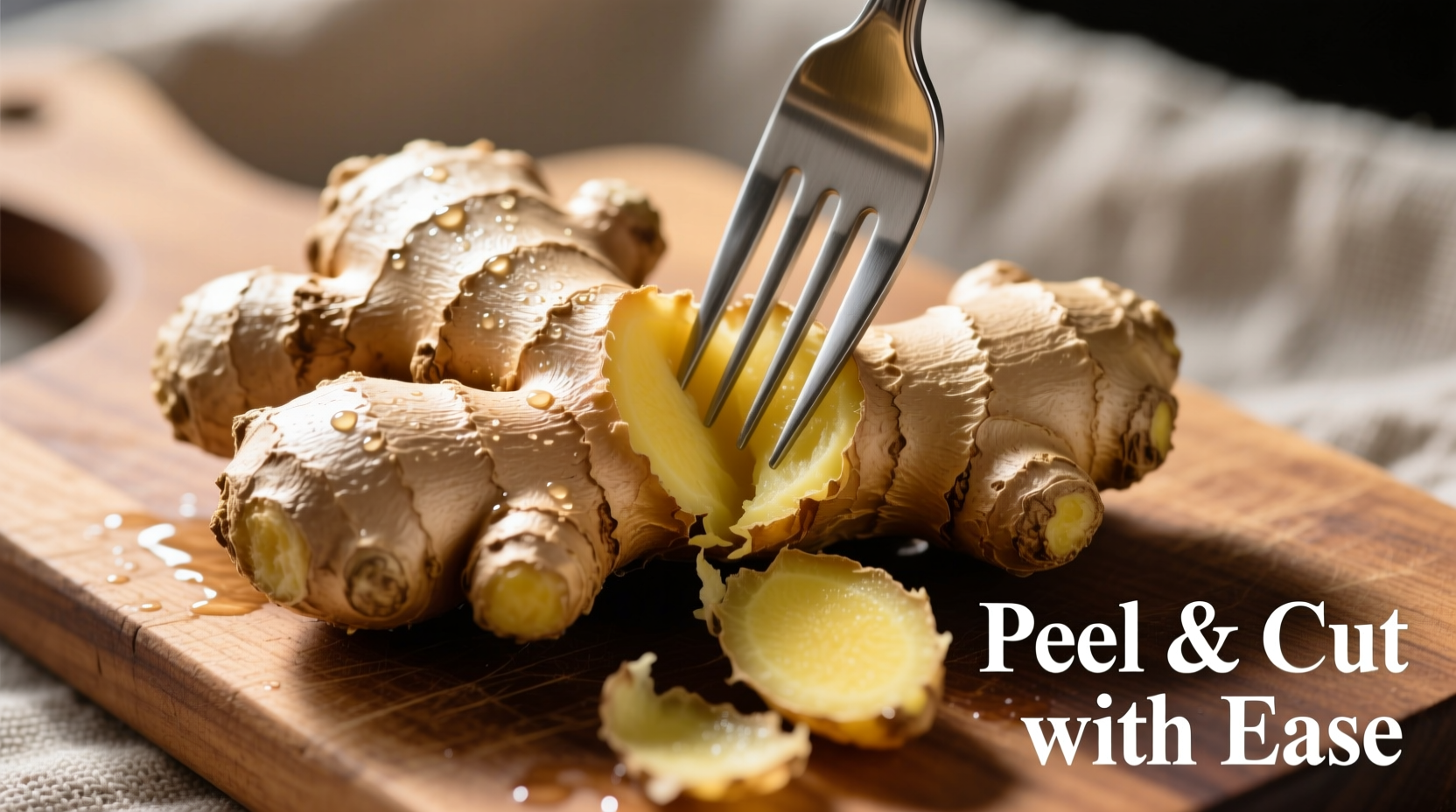
Ginger (Zingiber officinale) is a flowering plant whose rhizome (underground stem) is widely used as a spice and herbal remedy. Native to Southeast Asia, it has been cultivated for over 3,000 years and now features prominently in Indian, Chinese, Japanese, Caribbean, African, and Middle Eastern cuisines. Unlike true roots, ginger grows horizontally beneath the soil, forming irregular, multi-lobed structures known as \"hands\" or \"fingers.\" Its outer skin ranges from pale beige to light brown, while the interior varies from creamy white to pale yellow or even faintly pink near the buds.
The flavor profile of fresh ginger is simultaneously spicy, citrusy, slightly sweet, and resinous. It delivers an immediate zing that mellows into warmth rather than heat, distinguishing it from chili peppers. In culinary applications, it functions as both a flavor enhancer and digestive aid, commonly used in marinades, stir-fries, soups, teas, baked goods, and fermented dishes.
Key Characteristics
| Attribute | Description |
|---|---|
| Flavor Profile | Pungent, warm, slightly sweet with citrus and pine notes; becomes more fibrous and less juicy with age. |
| Aroma | Sharp, bright, and peppery when raw; deeper and earthier when cooked. |
| Texture | Firm and fibrous; younger ginger is juicier and more tender. |
| Color | Exterior: Tan to light brown. Interior: Creamy white to pale yellow; may have pink tips on young sprouts. |
| Heat Level | Moderate pungency (not capsaicin-based); registers as warming rather than burning. |
| Culinary Function | Flavor base, digestive aid, anti-inflammatory agent, meat tenderizer, aroma booster. |
| Shelf Life (Fresh) | Up to 3 weeks refrigerated in a paper towel inside a sealed container; up to 6 months frozen. |
Practical Usage: Why Use a Fork?
The traditional method of peeling ginger with a knife or peeler often results in excessive waste—sometimes removing as much as 25% of the usable flesh due to the need to navigate deep grooves and uneven surfaces. A spoon is sometimes recommended, especially in Asian kitchens, but requires a specific scooping motion and may still leave residue. Enter the fork: a universally available tool that combines precision, leverage, and control.
When used to peel ginger, a standard dinner fork allows the tines to grip the skin while protecting the tender flesh beneath. By applying gentle pressure and scraping along the surface, the thin outer layer lifts cleanly away—even from tight joints between knobs. This method preserves maximum yield and exposes the moist, flavorful interior ready for grating, slicing, or mincing.
Step-by-Step: Peeling Ginger with a Fork
- Select a firm piece of ginger with smooth skin and no soft spots.
- Hold the ginger firmly in one hand and a fork in the other, tines facing downward.
- Insert the tines just beneath the skin at one end of a knob, angling slightly upward.
- Drag the fork along the curve of the ginger, using the tines to lift and separate the skin.
- Repeat around all sides and into crevices, rotating the ginger as needed.
- Rinse briefly under cool water if desired, then proceed to cut or grate.
This technique works best on fresh, mature ginger—not dried or preserved forms. Because the skin of fresh ginger is thin and loosely attached, the fork’s tines can penetrate just deep enough to dislodge it without gouging the flesh. For older, tougher ginger, a brief soak in cold water can soften the skin slightly, improving ease of removal.
Pro Tip: After peeling, freeze whole peeled ginger pieces in an airtight bag. When needed, grate directly from frozen—the texture remains ideal, and the skin won’t regrow. This eliminates repeated peeling and extends usability significantly.
Cutting and Preparing Peeled Ginger
Once peeled, ginger can be prepared in several ways depending on the dish:
- Grated: Ideal for marinades, dressings, and sauces where rapid flavor dispersion is key. Use a microplane or fine grater for silky integration.
- Minced: Best for sautéed aromatics in curries, stir-fries, or soups. Finely chop with a chef’s knife after peeling.
- Sliced: Used in broths, poaching liquids, or tea infusions. Cut into thin rounds or matchsticks.
- Crushed: Smashed lightly with the flat side of a knife to release oils without full breakdown—common in Thai and Indian stocks.
For consistent results, always cut against the grain of the fibrous strands. Older ginger tends to have more pronounced fibers, so finer preparations help avoid chewiness.
Variants & Types of Ginger
While fresh ginger is the most versatile form, multiple variants exist, each suited to different culinary purposes:
| Type | Description | Best Uses |
|---|---|---|
| Fresh Ginger Root | Rhizome harvested before full maturity; tender, juicy, mild heat. | Raw applications, juices, stir-fries, baking, tea. |
| Mature Ginger | Denser, more fibrous, stronger flavor; thicker skin. | Cooked dishes, pickling, long-simmered stews. |
| Young (Spring) Ginger | Pink-tipped, translucent, very tender; minimal fiber. | Pickling, salads, sushi garnish, cocktails. |
| Preserved Ginger | Young ginger packed in sugar syrup; sweet-tart, soft. | Desserts, chutneys, cheese pairings. |
| Candied Ginger | Cooked in sugar, dried, and coated; intensely sweet and spicy. | Baking, trail mixes, digestive remedies. |
| Dried Ground Ginger | Dehydrated and powdered; earthier, less bright than fresh. | Spice blends, cookies, mulled wine, pumpkin pie. |
| Crystallized Ginger | Sugar-coated pieces; chewy, potent. | Snacking, oatmeal, chocolate recipes. |
The fork-peeling method applies exclusively to fresh and young ginger. Preserved or candied forms do not require peeling, while ground ginger bypasses preparation altogether. However, mastering fresh ginger handling improves understanding of all its derivatives.
Comparison with Similar Ingredients
Ginger is often confused with other pungent roots, particularly galangal and turmeric. While related botanically (all are members of the Zingiberaceae family), they differ significantly in flavor, appearance, and application.
| Ingredient | Appearance | Flavor Profile | Substitution Advice |
|---|---|---|---|
| Ginger | Knobby, tan skin, pale yellow flesh | Spicy, citrusy, warming, slightly sweet | N/A – reference point |
| Galangal | Smoother, paler, harder; segmented like ginger but denser | Piney, sharp, medicinal, less sweet | Not interchangeable; use only in Thai or Indonesian soups like tom kha |
| Turmeric | Similar shape, orange-yellow flesh, strong staining power | Earthy, bitter, mildly peppery, less pungent | Can replace up to 1/4 amount for color and depth, but lacks ginger’s heat |
| Horseradish | Long, straight root, white interior | Sharp, nasal heat, volatile aroma | No direct substitution; horseradish burns differently and lacks sweetness |
\"Many home cooks reach for ginger when a recipe calls for 'spicy root,' but each rhizome brings its own chemistry to the pot. Knowing how to handle ginger properly sets the foundation for distinguishing these nuances.\" — Chef Mei-Ling Tran, Culinary Instructor, Institute of Asian Gastronomy
Practical Tips & FAQs
How much ginger should I use per serving?
For most savory dishes, 1/2 to 1 teaspoon of freshly grated ginger per person is sufficient. In bold-flavored curries or medicinal teas, this can increase to 1 tablespoon. Always taste as you go—fresh ginger intensifies during cooking but mellows over time.
Can I substitute ground ginger for fresh?
Yes, but with caveats. As a general rule: 1/4 teaspoon of ground ginger ≈ 1 tablespoon freshly grated. However, ground ginger lacks the bright, volatile top notes of fresh and is better suited to baked goods or slow-cooked dishes where moisture is absorbed.
Does peeling affect flavor?
Minimal impact. The skin itself contains little flavor but can impart bitterness or grittiness if left on in certain preparations. In smooth sauces or beverages, peeling ensures a clean mouthfeel. For stocks or infusions where ginger is strained out, some chefs skip peeling—but only if the ginger is organic and well-scrubbed.
How do I store peeled ginger?
Place in an airtight container lined with a paper towel and refrigerate for up to two weeks. Alternatively, submerge in dry sherry or vodka (which inhibits mold) for up to one month. Freezing is optimal: wrap tightly or vacuum-seal; thaw at room temperature or grate directly from frozen.
Is there a way to reduce ginger’s fibrous texture?
Yes. Grating or pureeing breaks down fibers effectively. For sauces or soups, blend peeled ginger with a small amount of liquid until smooth. Adding a pinch of salt before grating also helps draw out moisture and soften cell structure.
Why does my ginger taste woody?
Old or over-mature ginger develops tough, stringy fibers and loses aromatic compounds. Choose plump, taut knobs with minimal wrinkling. If the flesh appears dry or grayish inside, discard it.
Storage Hack: Freeze whole unpeeled ginger. When ready to use, scrape off the skin with a fork directly from frozen—no thawing required. This preserves freshness and simplifies prep.
Can I grow my own ginger at home?
Absolutely. Plant a fresh knob in rich, well-draining soil with partial shade. Keep moist and warm (70–85°F). Harvest after 8–10 months by gently digging around the edges. Homegrown ginger is often more tender and flavorful than store-bought.
Summary & Key Takeaways
Peeling ginger with a fork is a small technique with outsized benefits. It maximizes yield, reduces prep time, and enhances consistency in flavor delivery. Unlike blunt tools that gouge or inefficient scrapers that leave residue, a fork offers tactile precision perfectly matched to ginger’s irregular form.
The method aligns with broader principles of mindful cooking: using what you have, minimizing waste, and respecting ingredient integrity. Whether preparing a quick weeknight stir-fry or crafting a complex curry paste, properly handled ginger elevates every dish it touches.
Understanding the differences between fresh, young, and processed ginger empowers smarter substitutions and storage choices. Recognizing how it differs from galangal, turmeric, and horseradish prevents culinary missteps and expands flavor literacy.
Ultimately, the fork-peeling technique symbolizes a shift—from seeing kitchen tools as rigidly defined to recognizing their adaptive potential. A fork isn't just for eating; it's a precision instrument for unlocking nature’s potent flavors.
Next time you reach for ginger, skip the peeler. Grab a fork, work slowly along the curves, and experience how such a simple change transforms your entire approach to fresh ingredients.




 浙公网安备
33010002000092号
浙公网安备
33010002000092号 浙B2-20120091-4
Comments
No comments yet. Why don't you start the discussion?