
Chili is a dish defined by its complexity—layers of spice, smoke, sweetness, and savoriness that build over time. While ground meat, beans, and chiles form its foundation, one ingredient consistently elevates the final result: tomato paste. Often overlooked or used passively as a mere thickener, tomato paste is in fact a powerful flavor amplifier when applied with intention. When properly incorporated, it deepens color, enriches mouthfeel, and introduces concentrated umami—a cornerstone of savory satisfaction. Understanding how and why tomato paste transforms chili separates good batches from exceptional ones. This guide explores the science, technique, and culinary wisdom behind using tomato paste not just as an ingredient, but as a strategic tool in chili development.
Definition & Overview
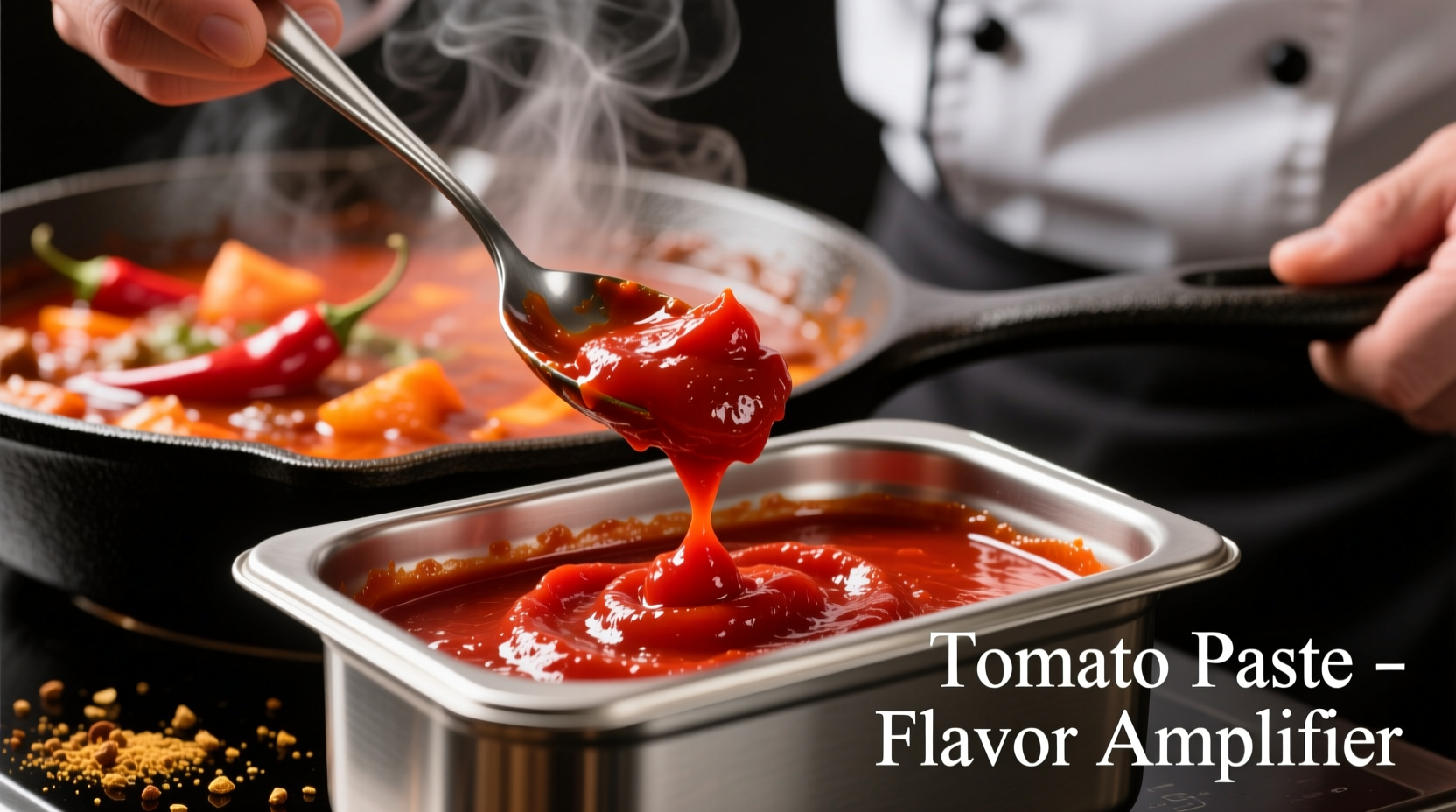
Tomato paste is a highly concentrated form of tomatoes, produced by cooking down ripe tomatoes for several hours until most of their water content evaporates. The resulting product is a dense, viscous purée with intense flavor and deep red hue. Unlike tomato sauce or crushed tomatoes, which retain moisture and dilute impact, tomato paste delivers pure tomato essence. In chili, this concentration becomes instrumental—not only contributing acidity and fruitiness but also reacting chemically during browning to produce complex flavor compounds.
The use of tomato paste in American chili traces back to early 20th-century adaptations of Tex-Mex and Southwestern cooking traditions. While some purists argue for \"chili without beans or tomatoes,\" modern interpretations widely embrace tomato paste for its ability to balance heat and enhance body. It functions beyond mere addition; it acts as a catalyst in the Maillard reaction, helping proteins and sugars caramelize into deeper, roasted notes. Far from being optional, thoughtful use of tomato paste can define the character of a pot of chili.
Key Characteristics
Understanding the intrinsic qualities of tomato paste explains its transformative role:
| Characteristic | Description |
|---|---|
| Flavor Profile | Bright acidity balanced with natural sweetness; develops roasted, almost smoky notes when cooked |
| Aroma | Earthy, slightly sweet when raw; gains caramelized depth when sautéed |
| Color/Form | Deep brick-red, semi-solid paste; spreads easily but holds shape |
| pH Level | Approximately 4.0–4.5, contributing mild acidity that brightens heavy dishes |
| Culinary Function | Flavor base enhancer, thickening agent, color booster, umami contributor |
| Shelf Life (unopened) | 18–24 months in pantry; once opened, up to 6 months refrigerated or frozen |
| Heat Sensitivity | Benefits significantly from controlled heating—especially prolonged simmering or initial browning |
These characteristics make tomato paste uniquely suited to long-cooked stews like chili, where gradual integration allows its sugars to caramelize and its acids to mellow into harmony with spices and meats.
Practical Usage: How to Use Tomato Paste in Chili
The difference between flat-tasting chili and deeply layered chili often comes down to one step: whether the tomato paste was merely stirred in or properly developed. To maximize its potential, follow a methodical approach rooted in professional kitchen practice.
Sauté First, Simmer Later
The most critical technique is cooking tomato paste in fat before adding liquids. After browning ground beef, pork, or other proteins and removing excess grease, return the pot to medium heat. Add 1 to 2 tablespoons of oil or rendered fat, then stir in 2–3 tablespoons of tomato paste per pound of meat. Spread it across the bottom of the pan and let it cook undisturbed for 1–2 minutes. Then stir frequently for another 3–5 minutes until the paste darkens slightly—from bright red to a deeper rust—and emits a toasted, almost nutty aroma.
This process, known as “blooming” or “cooking out,” drives off raw tomato sharpness and initiates the Maillard reaction. Sugars within the paste caramelize, creating new aromatic compounds such as furans and pyrazines, which contribute roasted, savory depth. Skipping this step leaves the paste tasting metallic or overly acidic, detracting from rather than enhancing the overall profile.
Optimal Ratios and Timing
For a standard six-quart batch of chili (serving 6–8), use ¼ to ⅓ cup of tomato paste. This amount supports structure without dominating. Consider these guidelines:
- Meat-heavy chili: 3 tablespoons per pound of meat
- Vegetarian or bean-based: 2 tablespoons per 2 cups of beans
- Smoked meat variations: Increase by 1 extra tablespoon to complement charred flavors
Add the paste after aromatics (onions, garlic, peppers) have softened but before introducing liquids like broth, beer, or canned tomatoes. Once browned, deglaze the pot with a splash of water, stock, or alcohol (such as bourbon or dark beer), scraping up any fond—the browned bits stuck to the pan—to fully integrate flavor.
Layering with Spices
Tomato paste also serves as a carrier for dried spices. After browning the paste, immediately add ground spices—chili powder, cumin, smoked paprika, oregano—and stir constantly for 20–30 seconds. The fat-soluble compounds in these spices dissolve more effectively into the oily matrix of the paste, unlocking fuller aroma and taste. This technique ensures spices are not merely suspended in liquid but chemically bonded to the base.
Pro Tip: For restaurant-quality depth, combine tomato paste with a small amount of cocoa powder or instant espresso (½ tsp per batch). Both ingredients amplify umami and create a subtle background bitterness that balances sweetness from the tomatoes.
Variants & Types of Tomato Paste
Not all tomato pastes perform equally in chili. Variations in processing, ripeness, and additives affect outcome. Choosing the right type matters.
Plain Tomato Paste
The standard version, made solely from reduced tomatoes. Look for brands that list only “tomatoes” or “tomato concentrate” on the label. High-quality options include Cento, Mutti, and San Marzano DOP-certified varieties. These offer clean, robust flavor ideal for building authentic chili bases.
Double-Concentrated (Double Paste)
Also labeled “concentrato doppio,” this version undergoes additional reduction, yielding nearly twice the solids. Use half the quantity of regular paste to avoid overpowering. Ideal for slow-cooked chilis where maximum depth is desired without increasing volume.
Organic & Fire-Roasted Varieties
Organic pastes avoid pesticides and preservatives but vary little in taste unless certified for specific growing regions. Fire-roasted versions are less common but available; they introduce subtle charred notes that pair well with smoked meats or chipotle-laced recipes. However, because the roasting occurs pre-paste formation, the effect may be muted unless further developed in the pan.
Tube vs. Canned Paste
Tube-style tomato paste (sold in squeeze tubes) offers convenience and precise portioning. It tends to contain citric acid or preservatives to extend freshness and may have a sharper edge. Canned or jarred paste typically has cleaner labeling and richer texture but requires immediate refrigeration after opening. From a culinary standpoint, both work—though chefs often prefer canned for superior mouthfeel and fewer stabilizers.
| Type | Best For | Recommended Use in Chili |
|---|---|---|
| Standard Canned | Classic beef or turkey chili | 2–3 tbsp per lb meat, sautéed first |
| Double-Concentrated | Slow-simmered, restaurant-style chili | 1–1.5 tbsp per lb meat |
| Fire-Roasted | Smoky, Texan-style or carne adovada hybrids | Use full amount, skip added smoked paprika |
| Tube Paste | Occasional cooks needing small portions | Measure carefully; reduce by 25% if sharp |
Comparison with Similar Ingredients
Tomato paste is often confused with other tomato products, leading to suboptimal substitutions. Each has distinct roles:
| Ingredient | Differences from Tomato Paste | When to Use Instead |
|---|---|---|
| Canned Crushed Tomatoes | High water content (~90%), diluted flavor, adds bulk and liquid | In place of liquid base; never substitute 1:1 for paste |
| Tomato Sauce | Pre-thinned, often seasoned; lacks concentration | For quick chilis where body isn’t priority |
| Tomato Puree | Middle ground—thinner than paste, thicker than sauce | If paste unavailable, reduce 2:1 and cook longer |
| Ketchup | Contains vinegar, sugar, spices; not a neutral base | Only for sweet-and-smoky styles (e.g., Cincinnati chili) |
| Tomato Powder | Dehydrated, intensely concentrated; dissolves instantly | As accent—½ tsp equals 1 tbsp paste—but lacks fat-binding ability |
“Tomato paste isn’t about adding tomatoes—it’s about building foundation. It’s the glue that binds protein, spice, and time.” — Chef Elena Ruiz, James Beard nominee and Southwest cuisine specialist
Practical Tips & FAQs
How much tomato paste should I use?
Start with 2 tablespoons per pound of meat. Adjust upward based on desired richness. More than ¼ cup per gallon may dominate; balance with acidity (lime juice) or sweetness (a pinch of sugar).
Can I substitute tomato paste?
Yes, but with caveats. Reduce canned tomatoes by half to mimic thickness, but expect less umami. Roast fresh tomatoes (3 lbs halved, oven-dried at 250°F for 3 hours), then blend and reduce to ½ cup for a homemade alternative.
Does tomato paste make chili too acidic?
Rarely, when used correctly. Browning neutralizes much of the acidity. If needed, balance with ¼ tsp baking soda or a grated carrot during cooking. Avoid overcorrecting, as acidity lifts heavy flavors.
How do I store leftover tomato paste?
Transfer unused paste to an airtight container and refrigerate for up to two weeks. For longer storage, freeze in teaspoon-sized portions on parchment paper, then transfer to a bag. Thaw directly in the pan—no need to defrost.
Is there a vegan or low-sodium option?
All tomato paste is naturally vegan. For low-sodium diets, check labels—some brands add salt, though most do not. Rinsing canned paste is ineffective; choose unsalted versions instead.
Why does my chili taste metallic?
This usually indicates undercooked tomato paste. Always sauté it in fat for at least 3–4 minutes until it darkens and loses its raw edge. Metallic notes come from unreacted tannins and lycopene oxidation.
Can I use tomato paste in white chili?
White chili traditionally omits tomatoes, relying on green chiles and tomatillos. However, a small amount (1 tbsp) of roasted red pepper paste—or even a touch of tomato paste—can add subtle depth without altering color significantly. Use sparingly and pair with smoked turkey or bacon.
Storage Hack: Squeeze remaining paste into an ice cube tray, cover with plastic wrap, and freeze. Pop out cubes as needed—one cube ≈ 1 tablespoon.
Case Study: From Home Cook to Competition-Winning Depth
Consider Mark T., a home cook from Austin who entered his neighborhood chili contest for five consecutive years without placing. His recipe included quality ingredients but lacked distinction. On the advice of a local chef, he revised one step: after browning 2 lbs of grass-fed chuck, he added 3 tbsp of San Marzano tomato paste and cooked it in 2 tsp of bacon fat for 5 minutes, stirring constantly until it turned mahogany. He then bloomed 2 tbsp chili powder and 1 tbsp cumin in the mixture before deglazing with dark lager.
The result? A richer, more cohesive flavor profile that won second place. Judges noted “a lingering savory finish” and “professional-level depth.” No new ingredients were introduced—only better technique with an existing one.
Summary & Key Takeaways
Tomato paste is far more than a background player in chili—it is a foundational element capable of transforming ordinary stews into memorable meals. Its power lies not in volume but in application. By understanding its chemistry and leveraging proper technique, home cooks can achieve results rivaling professional kitchens.
- Cook it first: Always sauté tomato paste in fat before adding liquids to develop flavor and eliminate raw edges.
- Use the right amount: 2–3 tablespoons per pound of meat strikes the ideal balance of richness and integration.
- Choose quality: Opt for plain, additive-free paste from reputable brands for clean, robust taste.
- Store smartly: Freeze in portioned units to prevent waste and ensure readiness.
- Respect its function: It enhances umami, aids spice dispersion, thickens gently, and deepens color—all while remaining subtly in the background.
Final Thought: Great chili isn’t made by adding more—it’s made by doing more with what you already have. Master the use of tomato paste, and you’ll master the art of depth itself.




 浙公网安备
33010002000092号
浙公网安备
33010002000092号 浙B2-20120091-4
Comments
No comments yet. Why don't you start the discussion?