
Homemade tomato soup is a culinary staple—comforting, versatile, and deeply satisfying when executed well. Yet many home cooks struggle to achieve the rich, complex flavor found in restaurant-quality versions. The secret often lies not in exotic ingredients, but in a humble pantry item: tomato paste. When used intentionally, tomato paste transforms a thin, one-dimensional broth into a velvety, deeply savory soup with layers of umami and roasted sweetness. Unlike fresh tomatoes or canned puree, tomato paste undergoes extensive reduction during processing, concentrating its sugars, acids, and glutamates—the very compounds responsible for deep, rounded flavor. Understanding how and when to incorporate it elevates your soup from adequate to exceptional.
Definition & Overview
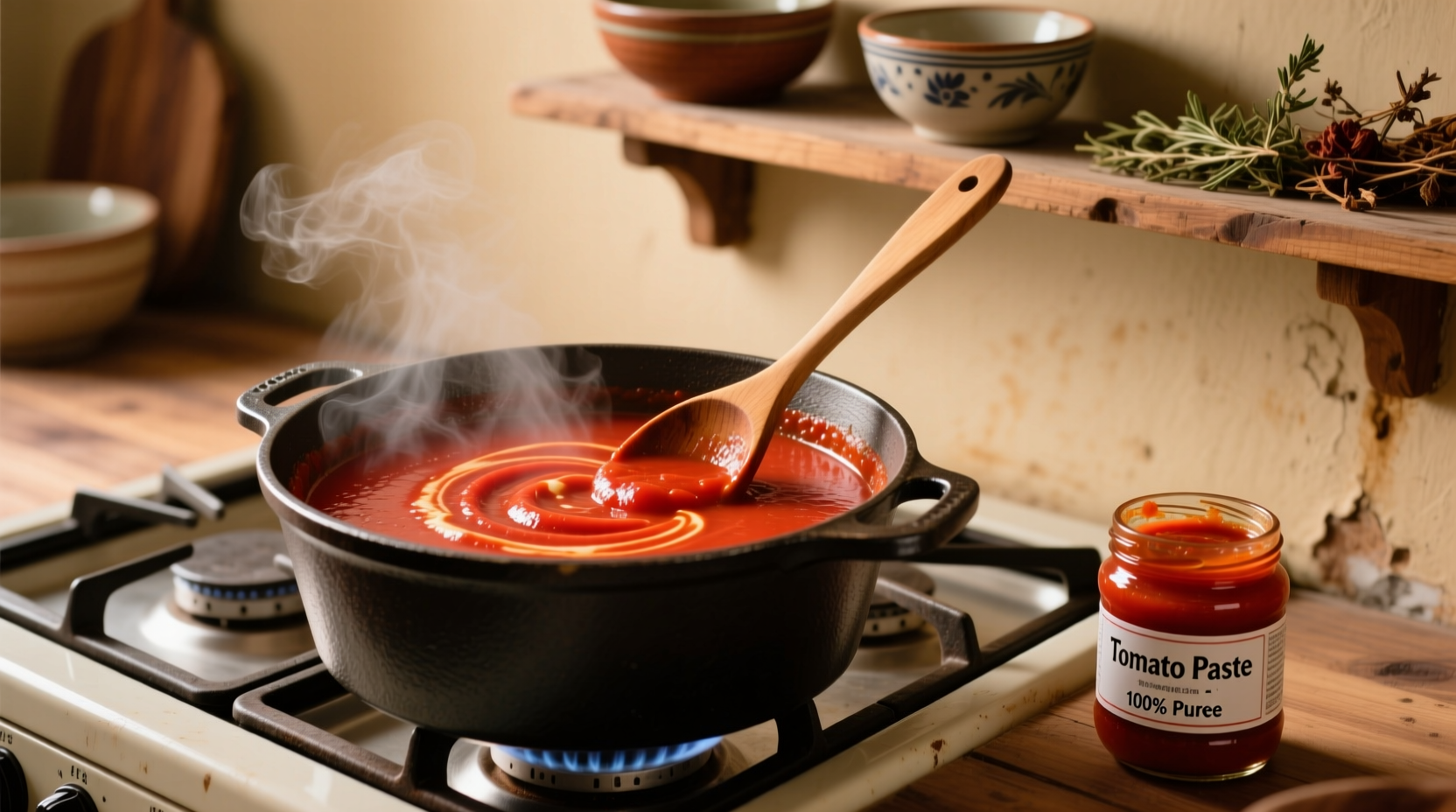
Tomato paste is a thick concentrate made by cooking down ripe tomatoes for several hours until most of their water content evaporates. This process intensifies natural sugars and acids, resulting in a dense, deep red paste with a robust, slightly sweet, and tangy profile. It is typically sold in small cans or tubes and has been a cornerstone of Mediterranean, Middle Eastern, and global cuisines for over a century. In the context of soup-making, particularly tomato-based soups, tomato paste functions as both a flavor amplifier and a structural ingredient. It adds body, improves mouthfeel, and contributes to a more authentic, slow-simmered taste—even when preparation time is limited.
The use of tomato paste in soup is not merely about adding “more tomato.” Rather, it introduces a layer of complexity that mimics long roasting or extended reduction. When sautéed properly at the beginning of cooking—a technique known as *fond development*—it caramelizes slightly, unlocking roasted, almost smoky notes that fresh tomatoes alone cannot provide. This foundational step is common in French bisques, Italian passatas, and Spanish sofritos, where depth of flavor begins not with liquid, but with concentrated solids cooked in fat.
Key Characteristics
Understanding the intrinsic qualities of tomato paste explains why it performs so effectively in soup applications. Below are its defining attributes:
| Characteristic | Description |
|---|---|
| Flavor Profile | Intensely savory (umami), with balanced sweetness and acidity; develops roasted, almost meaty notes when cooked in oil. |
| Aroma | Rich, warm, and slightly earthy; releases deeper fragrance when heated in fat. |
| Color | Deep brick red to dark maroon; enhances the visual richness of soups and sauces. |
| Texture | Thick, smooth, and viscous; dissolves gradually into liquids when stirred. |
| Culinary Function | Acts as a flavor base, thickening agent, and color enhancer; builds foundation for layered dishes. |
| Shelf Life (Unopened) | 18–24 months in a cool, dry pantry. |
| Shelf Life (Opened) | 6–8 weeks refrigerated if stored in airtight container; can be frozen in portions. |
Practical Usage: How to Use Tomato Paste in Tomato Soup
The transformative power of tomato paste hinges on technique. Simply stirring it into simmering soup yields minimal improvement. To unlock its full potential, integrate it early in the cooking process, using fat and heat to develop its flavor compounds.
- Sauté Aromatics First: Begin by softening onions, garlic, carrots, or celery in olive oil or butter over medium heat. These form the aromatic base (known as *mirepoix* or *soffritto*) that carries flavor throughout the soup.
- Add Tomato Paste After Aromatics: Once vegetables are translucent but not browned, stir in 1 to 3 tablespoons of tomato paste per quart of soup. Use enough to coat the mixture evenly.
- Cook the Paste for 2–5 Minutes: Continue stirring constantly. Watch for the color to deepen from bright red to a darker rust tone and for the raw smell to mellow into a roasted, almost nutty aroma. This step is critical—it drives off excess moisture and triggers Maillard browning, which generates hundreds of new flavor molecules.
- Deglaze with Liquid: Pour in stock, crushed tomatoes, or water to lift the caramelized bits (fond) from the bottom of the pot. This incorporates all the concentrated flavor into the soup base.
- Simmer to Integrate: Allow the soup to simmer gently for 20–40 minutes, enabling flavors to meld. The result will be noticeably richer, with greater depth and less reliance on salt or cream for satisfaction.
Pro Tip: For even greater complexity, roast fresh tomatoes or canned whole tomatoes before blending them into the soup. Combine this with sautéed tomato paste for a dual-layered tomato essence—fresh brightness from the roasted fruit and deep savoriness from the paste.
In professional kitchens, this method is standard practice. Chefs rarely rely solely on canned tomatoes or pre-made purees; instead, they build flavor incrementally. Tomato paste serves as a flavor catalyst, much like fish sauce in Southeast Asian cooking or soy sauce in Chinese cuisine—not dominant, but essential for background richness.
Variants & Types of Tomato Paste
Not all tomato pastes are created equal. Variations exist in quality, processing, and formulation, affecting performance in soup-making.
- Standard Canned Tomato Paste: Most widely available. Often contains citric acid or preservatives. Can have a slightly metallic aftertaste due to can lining. Best used quickly after opening; discard leftovers within a week unless frozen.
- Tubed Tomato Paste (Refrigerated): Found in gourmet or specialty stores. Typically higher quality, with no additives and a fresher tomato flavor. More expensive but lasts longer once opened—up to 6 months refrigerated. Ideal for home cooks who use paste infrequently.
- Double-Concentrated (Tomato Concentrate): Cooked down further than standard paste, offering even greater intensity. Use sparingly—½ to 1 teaspoon can replace a tablespoon of regular paste. Excellent for reducing sodium while maintaining flavor impact.
- Organic or Sun-Dried Tomato Paste: Made from organically grown tomatoes or sun-dehydrated varieties. Often richer in flavor and color. May carry subtle dried fruit or leather notes. Pairs well with herbs like oregano and thyme in rustic soups.
- Fire-Roasted Tomato Paste: A niche product where tomatoes are flame-roasted before concentration. Adds a distinct smokiness ideal for bold, hearty soups or chili-infused tomato broths.
When selecting a paste, check the ingredient list: ideally, it should contain only tomatoes and possibly salt. Avoid brands with added sugar, oils, or artificial preservatives—they interfere with flavor development and can create off-notes during cooking.
Comparison with Similar Ingredients
Tomato paste is frequently confused with other tomato products. While interchangeable in some contexts, each plays a different role in soup-making.
| Ingredient | Texture | Flavor Intensity | Best Use in Soup |
|---|---|---|---|
| Tomato Paste | Thick, paste-like | Very high | Flavor base, color enhancer, umami booster |
| Tomato Puree | Smooth, pourable | Moderate | Body and consistency; mid-cooking addition |
| Crushed Tomatoes | Chunky, watery | Low to moderate | Main ingredient; provides volume and freshness |
| Tomato Sauce | Thin, seasoned liquid | Low (often diluted) | Quick base; not suitable for flavor development |
| Tomato Ketchup | Pourable, sweet | High sugar, low umami | Not recommended—adds vinegar and sweetness unsuitable for savory soup |
Substituting crushed tomatoes for paste without adjusting cooking time leads to watery soup lacking depth. Conversely, using ketchup introduces unwanted sweetness and acidity. Tomato paste stands apart due to its ability to undergo thermal transformation—its flavor evolves dramatically when exposed to heat and fat, unlike pre-seasoned or diluted alternatives.
Practical Tips & FAQs
How much tomato paste should I use in tomato soup?
For every quart (4 cups) of soup, use 1 to 3 tablespoons of tomato paste. Start with 1 tablespoon if you're unsure. You can always add more during simmering, but overuse can make the soup overly intense or bitter.
Can I substitute tomato paste with something else?
In a pinch, sun-dried tomatoes (rehydrated and blended) or roasted red peppers (blended into a paste) can mimic some depth, but neither replicates the umami concentration. A better alternative is to reduce canned tomato puree by half on the stove before adding it. However, nothing fully replaces true tomato paste for foundational flavor building.
Why does my soup taste bitter after adding tomato paste?
Bitterness usually results from overcooking or burning the paste. If tomato paste is left in hot oil too long or at too high a temperature, its sugars caramelize excessively and turn acrid. Always cook it over medium heat, stir constantly, and proceed to deglazing within 3–5 minutes.
Can I freeze leftover tomato paste?
Yes—and you should. Spoon leftover paste into an ice cube tray (one tablespoon per cube), freeze, then transfer to a sealed bag. Frozen cubes keep for up to 6 months and can be dropped directly into soups or sauces.
Does tomato paste increase lycopene content?
Yes. Cooking tomatoes increases bioavailability of lycopene, a powerful antioxidant linked to heart health and cancer prevention. Tomato paste, being highly processed and concentrated, delivers significantly more lycopene than raw tomatoes. One tablespoon provides approximately 15–20 mg of lycopene, making enhanced tomato soup not just tastier but more nutritious.
Is there a low-sodium option?
Many tomato pastes contain no added salt, so check labels carefully. Even salt-free versions deliver strong flavor due to natural glutamates. You can control sodium entirely by seasoning at the end, allowing the umami of the paste to carry the soup without excessive salt.
Expert Insight: \"Tomato paste is the MSG of the vegetable world—it doesn’t taste like much on its own, but it makes everything around it taste more like itself.\" — Chef Elena Maroulis, Culinary Instructor, San Francisco Cooking School
Summary & Key Takeaways
Tomato paste is far more than a thickener or colorant—it is a fundamental tool for building deep, resonant flavor in homemade tomato soup. When sautéed early in the cooking process with aromatics and fat, it undergoes chemical transformations that generate roasted, savory, and umami-rich notes unattainable through other means. Its concentrated form allows home cooks to achieve restaurant-quality depth without hours of simmering.
Key points to remember:
- Always cook tomato paste after aromatics and before adding liquids to maximize flavor development.
- Use 1–3 tablespoons per quart of soup, adjusting based on desired intensity.
- Opt for high-quality paste with minimal ingredients—ideally just tomatoes.
- Freeze leftovers in portioned cubes for future use.
- Understand that tomato paste differs significantly from puree, crushed tomatoes, or ketchup in function and effect.
- Leverage its nutritional benefits, including increased lycopene absorption through cooking.
Mastering the use of tomato paste is a small step with outsized rewards. It exemplifies a core principle of skilled cooking: flavor is built, not added. By treating tomato paste not as an afterthought but as a cornerstone of your soup’s foundation, you transform a simple dish into something memorable—rich, balanced, and deeply satisfying with every spoonful.
Next time you make tomato soup, reach for the paste first—not last. Your palate will notice the difference.




 浙公网安备
33010002000092号
浙公网安备
33010002000092号 浙B2-20120091-4
Comments
No comments yet. Why don't you start the discussion?