
Kitchen odors are more than a nuisance—they signal hygiene issues, attract pests, and degrade the comfort of your home. At the heart of this problem is one unavoidable fixture: the trash can. But not all trash solutions are equal when it comes to odor control. While some kitchens rely on open bins for convenience, others use sealed utility containers to contain waste. The real question isn’t just about accessibility or aesthetics—it’s about which system actually keeps your kitchen smelling fresher.
The answer involves understanding how odor forms, spreads, and persists in different types of containers. By comparing airflow, material composition, cleaning frequency, and user behavior, we can determine whether an open trash can or a utility container wins the battle against stink.
How Kitchen Trash Generates Odor
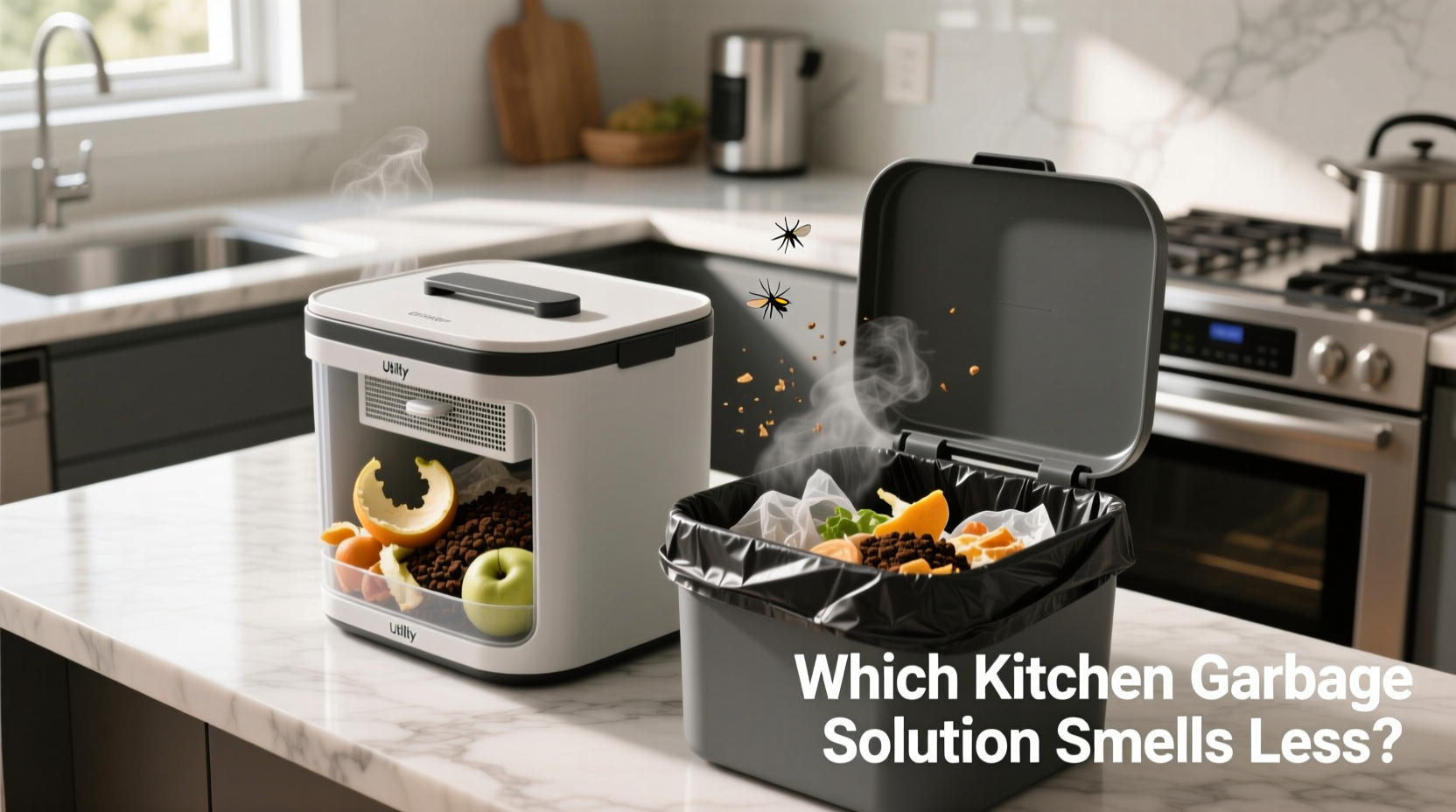
Odors from kitchen waste stem primarily from bacterial decomposition. Organic matter—especially food scraps like meat, dairy, fruits, and vegetables—begins breaking down almost immediately after disposal. Bacteria feed on these materials, producing volatile organic compounds (VOCs) such as hydrogen sulfide, ammonia, and sulfur dioxide. These gases are responsible for the sour, rotten, or rancid smells commonly associated with trash.
Two key factors influence how quickly and intensely odors develop:
- Exposure to air: Oxygen accelerates microbial growth. Open bins provide constant airflow, speeding up decomposition.
- Moisture retention: Wet waste creates a breeding ground for bacteria. Containers that trap moisture without ventilation become odor amplifiers over time.
This means that both open and closed systems have inherent risks—but they also offer distinct advantages depending on design and usage habits.
Open Trash Cans: Convenience at a Cost
Open-top trash cans remain popular due to their ease of access. Tossing coffee grounds, peels, or packaging into an uncovered bin requires no effort. However, that convenience comes with significant drawbacks in odor management.
Because open cans are constantly exposed to ambient air, aerobic bacteria thrive inside. Without a lid to limit oxygen flow, decomposition proceeds rapidly. Even small amounts of food residue can begin emitting noticeable odors within hours, especially in warm or humid environments.
Additionally, open bins are more prone to cross-contamination. Splashes from rinsed dishes, spills from nearby counters, or accidental kicks can introduce additional organic matter. Flies and other insects also gain direct access, laying eggs in decaying material and worsening the problem.
Utility Containers: Sealed Defense Against Smell
Utility containers—typically lidded, often foot-operated, and sometimes equipped with charcoal filters—are designed specifically to minimize odor dispersion. Their primary advantage lies in containment: by sealing off the waste from the surrounding environment, they restrict airflow and slow bacterial activity.
A well-designed utility container limits oxygen exchange, creating a semi-anaerobic environment where decomposition occurs more slowly. This delay significantly reduces the rate at which foul-smelling gases are released. Moreover, many models feature tight-fitting lids with rubber gaskets that prevent even trace odors from escaping between uses.
Some high-end containers include activated carbon filters built into the lid. These filters absorb VOCs before they reach the air, neutralizing odors chemically rather than merely masking them. Over time, this passive filtration can make a measurable difference in perceived freshness.
“Sealing waste immediately after disposal interrupts the odor cycle at its source. It’s one of the most effective behavioral changes homeowners can adopt.” — Dr. Lena Patel, Environmental Health Specialist
Direct Comparison: Utility Container vs Open Trash Can
| Feature | Open Trash Can | Utility Container |
|---|---|---|
| Odor Containment | Poor – constant exposure to air | Excellent – sealed environment |
| Bacterial Growth Rate | High – unrestricted oxygen supply | Moderate to low – limited airflow |
| Cleaning Frequency Needed | Daily lining, weekly deep clean | Lining every few days, monthly deep clean |
| Pest Access | Unrestricted – flies, ants, rodents | Blocked – secure lid prevents entry |
| User Convenience | High – no mechanism to operate | Moderate – may require pedal or hand lift |
| Filtration Options | None available | Available in premium models |
| Space Efficiency | Flexible placement, compact options | Bulkier due to mechanism and seal |
The data shows a clear trend: utility containers outperform open cans in nearly every category related to odor control. The trade-off is minor inconvenience versus major gains in hygiene and air quality.
Real-World Case: Two Kitchens, Two Approaches
In a six-week observation conducted across two similar households—one using an open stainless steel bin, the other a foot-operated utility container with a carbon filter—noticeable differences emerged within days.
The first household reported persistent smells despite emptying the bin every other day. Family members frequently commented on the “garbage smell” near meal prep times. A swab test of the bin interior revealed high levels of *Pseudomonas* and *Enterobacter*, both known for producing strong odors.
The second household, using the sealed container, noticed no ambient odor during the same period. Even after three days without emptying, the room remained neutral-smelling. When opened, only a mild scent was detectable, confined to the immediate vicinity of the bin.
The key differentiator wasn’t just the container type but also behavior: the second family used biodegradable liners and wiped the interior monthly, while the first rarely cleaned the bin beyond rinsing.
Step-by-Step Guide to Minimizing Kitchen Trash Odor
No container eliminates odor entirely without proper maintenance. Follow this timeline to keep your kitchen fresh regardless of your choice:
- Day 1 – Choose the Right Container: Opt for a lidded utility model with a tight seal. If using open bins, select ones made of non-porous materials like stainless steel.
- Day 2 – Use Liners Strategically: Always line the bin with a bag. For compost-bound waste, consider compostable bags instead of plastic.
- Daily – Empty Promptly: Remove full bags before bedtime, especially if containing meat, fish, or dairy.
- Weekly – Clean Interior: Wipe down surfaces with a disinfectant or vinegar solution. Pay attention to rims and crevices.
- Monthly – Deep Sanitize: Wash the entire container with hot water and baking soda or diluted bleach. Allow to dry fully before reuse.
- Ongoing – Manage Waste Types: Scrape plates thoroughly. Rinse oily containers before disposal. Freeze smelly scraps until collection day.
Checklist: Choosing the Best Odor-Control Solution
- ✅ Does the container have a snug-fitting lid?
- ✅ Is the interior easy to wipe clean?
- ✅ Does it include a carbon filter or vent option?
- ✅ Can it accommodate standard trash bags without gaps?
- ✅ Is it placed away from heat sources (oven, dishwasher)?
- ✅ Are you committed to regular cleaning?
Frequently Asked Questions
Can I reduce odor in an open trash can effectively?
Yes, but it requires diligence. Line the bin daily, clean it weekly, avoid disposing of wet or spoiled food directly, and place it in a well-ventilated area. Baking soda at the bottom can help absorb early-stage odors, though it won’t replace sealing.
Do sensor-lid trash cans help with smell?
Indirectly. Touchless operation reduces germ transfer and encourages consistent lid closure, minimizing air exposure. However, unless the seal is airtight, odor leakage still occurs over time.
Is freezing food waste before disposal worth it?
Absolutely. Freezing halts bacterial activity, preventing odor formation. It’s especially useful for households that don’t take out the trash daily. Just ensure frozen scraps are bagged securely to avoid freezer contamination.
Final Verdict: Which Solution Actually Smells Less?
The evidence is conclusive: utility containers produce less noticeable odor than open trash cans. By limiting oxygen flow, blocking airborne release, and discouraging pest infestation, sealed systems create a fundamentally cleaner environment. While open bins offer simplicity, they compromise indoor air quality and demand far more frequent upkeep to stay tolerable.
That said, the container is only part of the equation. User habits—how quickly waste is removed, how often the bin is cleaned, and what goes inside—play an equally critical role. A poorly maintained utility container can become a stink bomb, while a meticulously cared-for open bin might pass casual sniff tests.
For most homes, the optimal path combines smart design with consistent practice. Invest in a quality lidded utility container, integrate simple cleaning routines, and manage waste proactively. The result isn’t just a fresher kitchen—it’s a healthier living space.




 浙公网安备
33010002000092号
浙公网安备
33010002000092号 浙B2-20120091-4
Comments
No comments yet. Why don't you start the discussion?