
When shopping for a personalized or designer phone case, you’ve likely encountered two common customization methods: UV printing and traditional paint-based finishes. While both promise vibrant visuals, they differ significantly in execution, longevity, and cost. Many consumers wonder whether paying more for UV printing is justified or if painted cases offer comparable performance at a lower price. The answer depends on how you use your device, your aesthetic priorities, and what you expect from durability.
Understanding the technical differences between these processes helps clarify why one might be better suited to your lifestyle than the other. From scratch resistance to color accuracy, each method has distinct advantages and limitations that influence not just appearance but also long-term value.
How UV Printing Works on Phone Cases
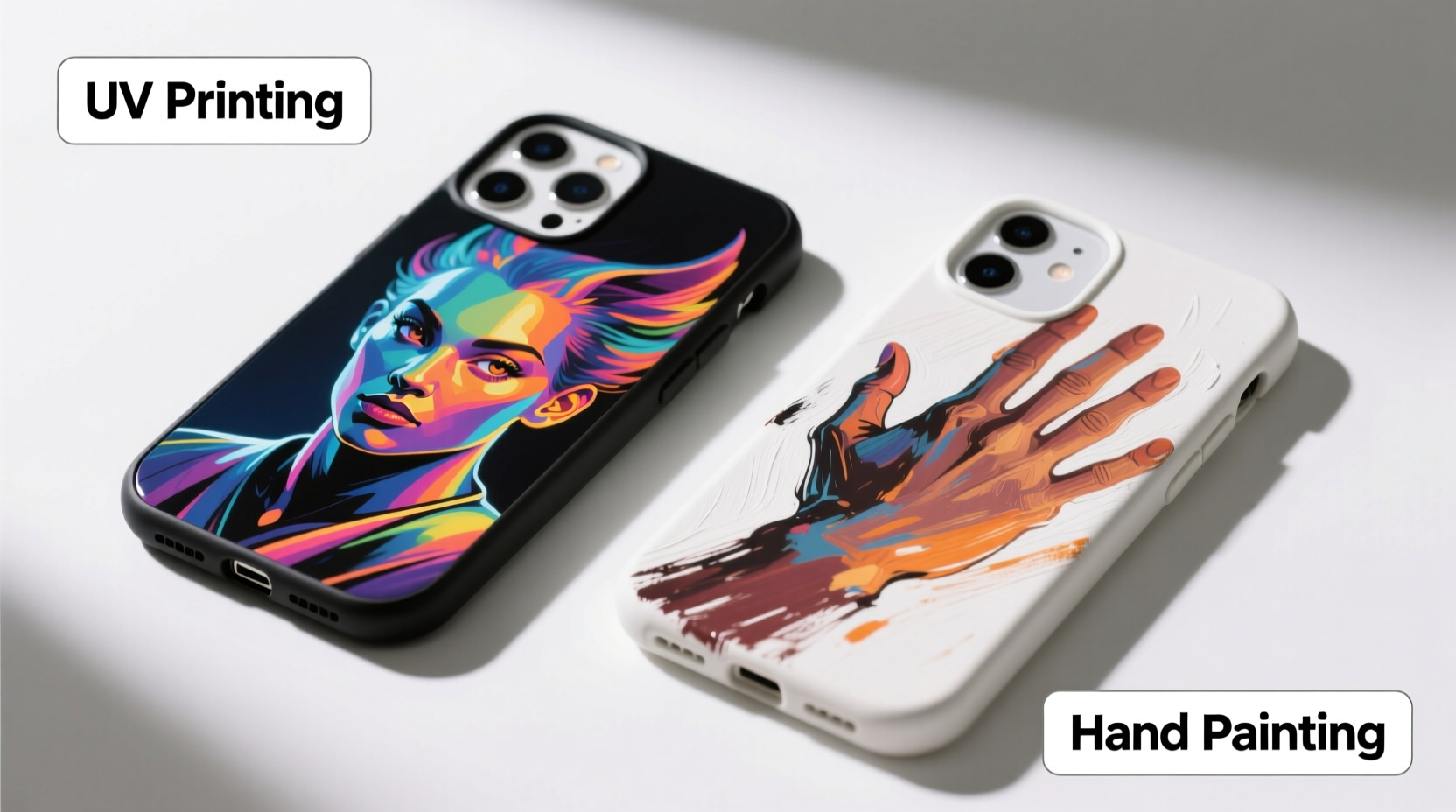
UV printing—short for ultraviolet printing—is a digital printing technique where ink is cured instantly using ultraviolet light. This process bonds the ink directly to the surface of the phone case, typically made of polycarbonate or TPU (thermoplastic polyurethane). Unlike traditional methods that rely on solvents to dry, UV printing creates a nearly permanent image embedded into the material’s coating.
The result is a high-resolution print with sharp detail, deep color saturation, and excellent resistance to fading. Because the ink doesn’t sit loosely on top, it's less prone to peeling or chipping under regular wear. Most premium custom case brands now use UV printing for designs requiring photographic clarity or intricate patterns like watercolor effects, typography, or abstract art.
The Reality of Painted Phone Case Finishes
Painted phone cases usually involve applying acrylic or enamel-based paints manually or through screen printing. These finishes are often used for artistic, handcrafted, or limited-edition cases sold by independent creators. While visually striking, especially with textured brushwork or metallic accents, painted surfaces tend to be more fragile.
Paint adheres to the outer layer of the case but isn’t chemically fused like UV ink. Over time, friction from pockets, bags, and daily handling wears down the paint, particularly along edges and corners. Even with a clear sealant coat, micro-abrasions accumulate, leading to dulling, flaking, or complete loss of design within months.
This fragility makes painted cases better suited for occasional use or display rather than everyday protection. They’re also more sensitive to moisture and cleaning agents, which can degrade the finish faster than expected.
Comparative Analysis: UV Printing vs Painting
| Feature | UV Printed Cases | Painted Cases |
|---|---|---|
| Durability | High – resistant to scratches, fading, and washing | Low to moderate – prone to chipping and wear |
| Design Precision | Excellent – supports gradients, fine lines, photos | Limited – best for bold, simple artwork |
| Fade Resistance | Very high – UV-cured ink resists sunlight | Moderate – pigments may yellow or fade over time |
| Production Time | Fast – fully automated process | Slower – often hand-applied and dried |
| Cost Range | $25–$45 (average) | $20–$60+ (handmade variants higher) |
| Eco-Impact | Lower VOC emissions | Higher solvent use in some paints |
While painted cases can command higher prices due to artisan labor, their functional lifespan rarely matches that of UV-printed alternatives. Unless preserved behind glass or used infrequently, most painted designs begin showing signs of degradation within three to six months of daily use.
“UV printing has revolutionized custom accessories because it delivers commercial-grade durability without sacrificing design complexity.” — Marcus Lin, Product Engineer at Mobile Armor Labs
Real-World Example: A Six-Month Test
In a controlled test conducted by a consumer tech blog, two identical polycarbonate cases were customized with the same floral design—one via UV printing, the other hand-painted with sealed acrylics. Both were used daily on smartphones carried in pockets alongside keys and wallets.
After three months, the painted case showed noticeable scuffing around the camera cutout and bottom edge. By month five, small flakes had appeared near the charging port. At six months, approximately 30% of the original paint was missing in high-contact zones.
In contrast, the UV-printed case retained full vibrancy and integrity, with only minor surface abrasions unrelated to the print layer. Under magnification, the ink remained bonded and unbroken. The conclusion? For users who prioritize longevity, UV printing clearly outperforms paint—even high-quality, sealed varieties.
When the Extra Cost Makes Sense
The average price difference between a standard painted case and a UV-printed one ranges from $5 to $15. Whether this premium is worthwhile hinges on your usage pattern:
- Daily drivers: If you carry your phone everywhere, subjecting it to constant contact with hard surfaces, UV printing offers superior return on investment.
- Style-focused users: Those who change cases monthly may find painted versions sufficient, especially if buying trendy, seasonal designs.
- Collectors or gift buyers: For meaningful gifts or keepsakes, UV printing preserves sentimental value longer.
Consider the total cost per month of ownership. A $35 UV case lasting two years costs about $1.45/month. A $22 painted case lasting six months runs $3.67/month—more than double the effective cost despite the lower upfront price.
Actionable Checklist Before You Buy
To ensure you're making a smart purchase, follow this checklist:
- Check product description for “UV-cured” or “digitally printed with UV ink”
- Avoid listings that only say “printed” or “painted” without specifying the method
- Look for customer reviews mentioning durability after 3+ months of use
- Verify if the case has a protective coating (gloss/matte laminate)
- Assess your own habits—do you drop your phone often? Keep it in a bag?
- Compare return policies in case the finish degrades prematurely
Frequently Asked Questions
Can I clean a UV-printed case with alcohol wipes?
Yes, most UV-printed cases tolerate gentle cleaning with alcohol-based wipes (70% isopropyl), though frequent use may dull the finish over years. Avoid abrasive cloths.
Are painted cases always inferior?
Not inherently. Some artists use industrial-grade epoxies or bake finishes for added hardness. However, these are exceptions and usually come with care instructions limiting practicality for daily use.
Does UV printing work on all case materials?
Best results occur on smooth, rigid plastics like polycarbonate. Soft silicone or rubber cases absorb UV light unevenly, reducing print quality and adhesion.
Final Verdict: Is the Upgrade Worth It?
For most consumers, yes—the extra cost of UV printing pays for itself in extended usability and consistent appearance. While painted cases have charm and artistic appeal, they function more like fashion accessories than protective gear. If you want a case that looks great today and still impresses a year later, UV printing is the smarter investment.
Technology has made high-fidelity, durable customization accessible without exorbitant pricing. Spending slightly more upfront means fewer replacements, less frustration, and a phone that reflects your style without compromise.




 浙公网安备
33010002000092号
浙公网安备
33010002000092号 浙B2-20120091-4
Comments
No comments yet. Why don't you start the discussion?