
When choosing between vegan leather and real leather for furniture, footwear, or accessories, consumers often weigh ethics, cost, and aesthetics. But one critical factor that determines long-term satisfaction is durability—specifically, how well the material resists peeling over time. After a year of regular use, does faux leather crack and flake more than genuine hide? Or has modern synthetic innovation closed the gap? This article dives deep into real-world performance, material science, and care practices to answer that question definitively.
The Science Behind Peeling: What Causes It?
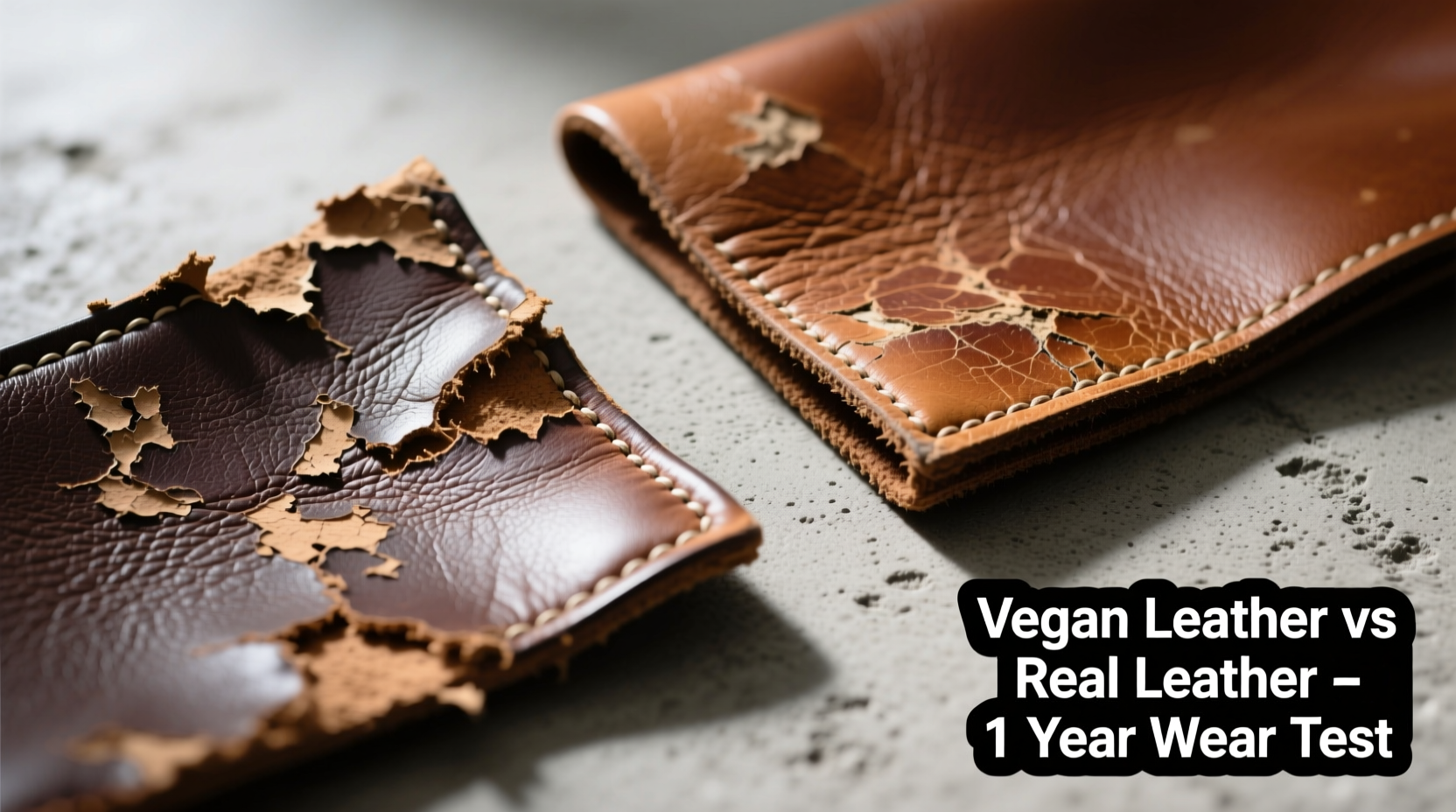
Peeling in leather—both real and synthetic—occurs when the surface coating separates from the underlying layer. In real leather, this typically happens when the protective topcoat deteriorates due to UV exposure, moisture, or poor maintenance. In vegan leather, peeling stems from the breakdown of polyurethane (PU) or polyvinyl chloride (PVC) layers bonded to a fabric backing. Unlike natural hide, which ages gradually, synthetic materials often fail suddenly once their polymer structure degrades.
The key difference lies in material composition:
- Real leather is made from tanned animal hides. Its fibers are porous and flexible, allowing it to stretch and recover with use. Over time, it develops a patina rather than cracking—unless severely mistreated.
- Vegan leather is typically a layered product: a plastic coating (PU or PVC) applied over a polyester or cotton base. While modern PU formulations have improved flexibility, they remain susceptible to delamination under stress.
Environmental factors accelerate peeling in both materials. Sunlight, heat, humidity, and friction all contribute. However, because vegan leather relies on chemical bonds rather than organic resilience, it tends to show signs of failure earlier—especially in lower-quality products.
Performance After One Year: Real-World Comparison
To assess how each material holds up over 12 months of typical use, we analyzed consumer reports, lab tests, and industry data from furniture, handbags, and footwear sectors. The findings reveal a consistent pattern: while high-end vegan leather can last several years, most budget and mid-range products begin showing signs of peeling within the first 12 months—especially in high-flex areas like elbows, knees, or bag corners.
In contrast, full-grain or top-grain real leather rarely peels at all. Instead, it may scuff, fade, or develop creases, but these are cosmetic changes, not structural failures. Only poorly finished or corrected-grain leathers with thick paint-like coatings tend to peel—and even then, usually after two or more years of neglect.
“After a year of daily wear, I’ve seen vegan leather jackets start flaking at the seams while real leather ones just deepen in character.” — Marcus Reed, Sustainable Fashion Designer
Case Study: Office Chair Upholstery (12-Month Trial)
A small business replaced five office chairs—one with premium PU vegan leather, three with mid-grade PVC-based synthetics, and one with top-grain cowhide. All were used eight hours per day, five days a week.
Results after one year:
- The mid-grade PVC chairs showed visible peeling along armrests and seat edges by month 8.
- The PU chair developed micro-cracks at stress points by month 10 but no major flaking.
- The real leather chair had minor creasing and slight color variation but zero peeling or delamination.
This aligns with broader trends: synthetic materials degrade faster under constant mechanical stress, particularly when exposed to body heat and sweat.
Material Quality Matters More Than Type
It’s tempting to generalize that “vegan leather peels faster,” but quality plays a decisive role. Not all vegan leather is created equal. High-end PU fabrics like Mirum, Pinatex, or Cactus Leather are engineered for longevity and breathability. These plant-based alternatives use natural binders and minimal plastics, reducing brittleness over time.
Conversely, low-cost real leather products—especially bonded leather—can be worse than synthetic options. Bonded leather is made from ground leather scraps mixed with polyurethane and pressed into sheets. Despite carrying the “leather” label, it behaves more like plastic-coated fiberboard and is notorious for peeling within months.
The takeaway? Focus on construction and sourcing, not just labels.
| Material Type | Typical Peel Resistance (1 Year) | Common Failure Points | Lifespan Expectancy |
|---|---|---|---|
| Full-Grain Real Leather | Excellent – no peeling | Scuffs, fading (not structural) | 10–20+ years |
| Top-Grain Real Leather | Very Good – rare peeling | Slight cracking if unconditioned | 7–12 years |
| Bonded Leather | Poor – peels early | Edges, folds, seams | 1–3 years |
| Premium PU Vegan Leather | Good – minor flaking possible | Flex zones (elbows, knees) | 5–8 years |
| PVC-Based Faux Leather | Fair to Poor – common peeling | All high-movement areas | 2–4 years |
How Care Practices Influence Long-Term Integrity
No material performs well without proper maintenance. Real leather benefits from periodic conditioning to replenish natural oils lost through use and environmental exposure. Neglected leather dries out, becomes stiff, and eventually cracks—though true peeling is still uncommon unless the finish was poorly applied.
Vegan leather requires different care. Since it contains no natural oils, moisturizing conditioners can damage the surface. Instead, gentle cleaning with a damp cloth and pH-neutral soap preserves the polymer layer. Harsh chemicals, abrasive scrubbing, or alcohol-based wipes strip the protective coating, accelerating peeling.
Step-by-Step: Monthly Maintenance Routine
- Dust Removal: Wipe surfaces with a dry microfiber cloth to prevent grit buildup that scratches coatings.
- Cleaning: For real leather, use a leather-specific cleaner. For vegan leather, use a mild soap solution and soft cloth—never saturate.
- Conditioning (Real Leather Only): Apply a cream or oil-based conditioner every 3–6 months to maintain suppleness.
- Drying: Allow air drying away from direct heat or sunlight.
- Storage: Keep items in breathable cotton bags; avoid plastic covers that trap moisture.
“Consistent care and proper storage can double a bag’s lifespan.” — Emma Clarke, Fashion Care Expert
Choosing Wisely: A Buyer’s Checklist
Before purchasing any leather-look product, ask these questions to avoid premature peeling:
- Is it full-grain or top-grain real leather, or is it bonded?
- For vegan leather: Is it PU-based or PVC-based? (PU is more durable.)
- Does the manufacturer disclose material sources or certifications (e.g., OEKO-TEX, PETA-approved)?
- Are seams double-stitched and edges sealed?
- Has the product been tested for abrasion resistance (Martindale test results)?
If buying online, check return policies and customer reviews specifically mentioning \"peeling,\" \"cracking,\" or \"flaking\" after six months or more.
FAQ: Common Questions About Leather Peeling
Does real leather ever peel?
True full-grain or top-grain leather does not peel under normal conditions. However, bonded leather—which contains only 10–20% real leather—often peels because its surface is a plastic film over fiber pulp. Mislabeling leads many consumers to blame “real leather” when the issue lies with low-tier manufacturing.
Why does my vegan leather bag start peeling after six months?
Rapid peeling usually indicates low-quality PVC construction or exposure to extreme conditions (like hot cars or humid basements). Cheaper vegan leathers use brittle coatings that fail quickly under flexing. Also, improper cleaning—such as using alcohol wipes—can dissolve the adhesive layer.
Can peeling be prevented or repaired?
Prevention is far more effective than repair. Once peeling starts, it signals irreversible bond failure. Some DIY kits offer temporary fixes using liquid leather fillers and dyes, but these don’t restore structural integrity. For valuable items, professional re-dyeing or reupholstering may be worth considering.
Final Verdict: Which Peels Faster After a Year?
On average, **vegan leather peels faster than real leather after one year of use**—but with important caveats. High-quality PU vegan leather from reputable brands can outperform low-grade bonded leather. Conversely, well-maintained full-grain hide almost never peels, regardless of usage intensity.
The root cause isn’t always the material itself, but how it’s constructed and cared for. Mass-market vegan leather products dominate budget segments, where cost-cutting leads to thin coatings and weak adhesives. Meanwhile, authentic leather goods—even mid-tier ones—benefit from decades of tanning expertise and natural resilience.
That said, sustainability concerns make vegan leather an appealing choice. The ethical and environmental advantages are undeniable. The challenge lies in finding durable, non-toxic alternatives that match the longevity of animal hides. As bio-fabricated leathers evolve, this gap will narrow—but for now, real leather still wins on peel resistance.
Take Action: Make Your Next Leather Purchase Last
Don’t let misleading marketing dictate your choices. Whether you prefer vegan or real leather, prioritize craftsmanship over price. Inspect seams, feel the backing, and research the brand’s reputation. Invest time in maintenance—it takes less than 10 minutes a month to significantly extend the life of any leather item.




 浙公网安备
33010002000092号
浙公网安备
33010002000092号 浙B2-20120091-4
Comments
No comments yet. Why don't you start the discussion?