
For fans of Marvel’s antihero Venom, the decision to collect isn’t just about fandom—it’s a deliberate choice in how that passion is displayed and preserved. Two dominant formats dominate the collector’s market: building block sets inspired by Venom and traditional action figures. Both have passionate followings, but which truly earns its place as the ultimate shelf centerpiece? The answer depends on what you value—artistic expression, rarity, playability, or investment potential.
The Rise of Collectible Building Blocks
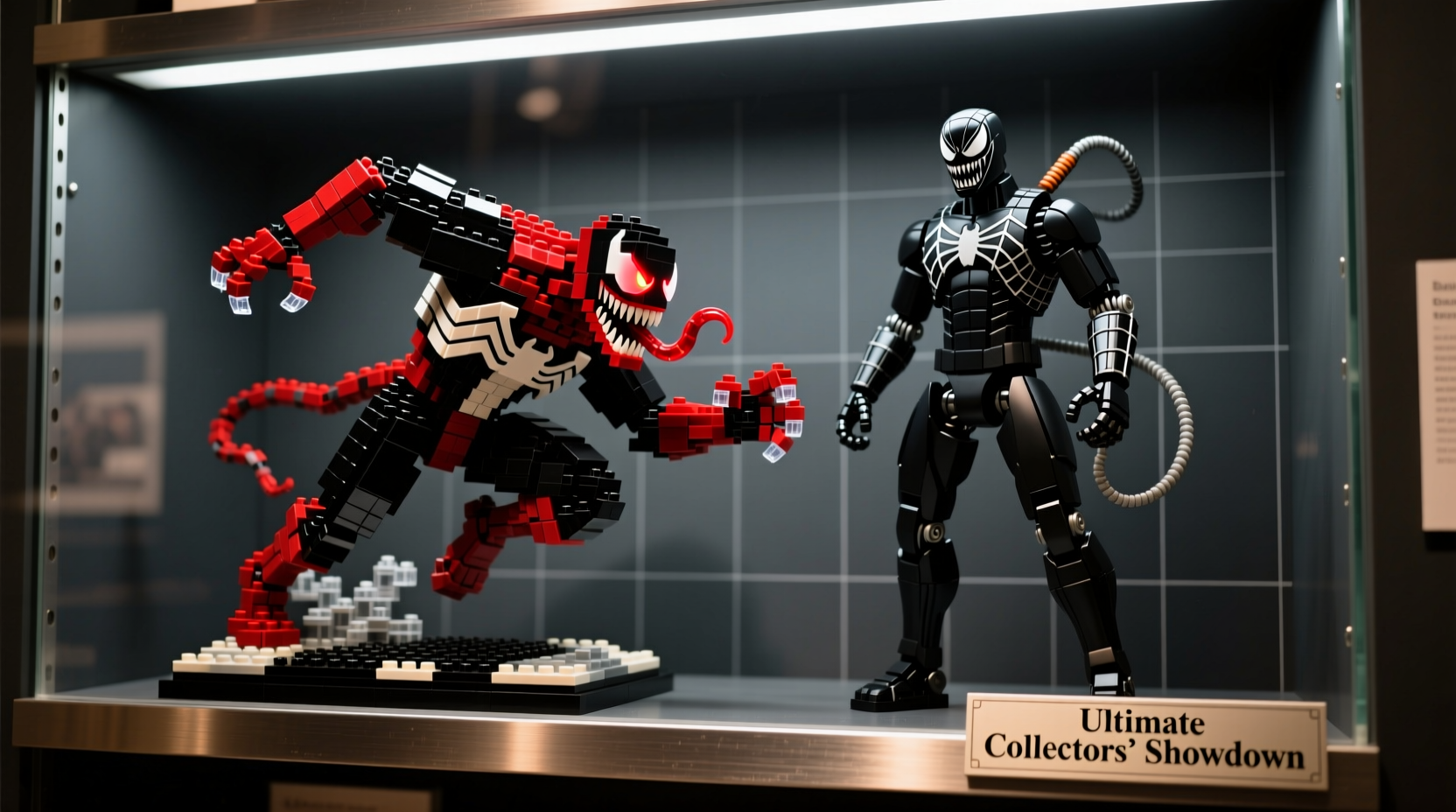
In recent years, licensed building block sets featuring characters like Venom have surged in popularity. These aren’t just toys—they’re intricate models designed with adult collectors in mind. Sets often include detailed sculpting, dynamic poses, and modular bases that allow for creative display arrangements. Unlike mass-market LEGO sets, third-party and officially licensed block kits now rival high-end statues in complexity and visual impact.
What makes these builds compelling is their transformation from box to art. Assembling a 1,000+ piece Venom set becomes a ritual—a hands-on engagement with the character. Once completed, the model commands attention with layered textures mimicking the symbiote’s organic tendrils and glossy black finish.
Action Figures: Tradition Meets Detail
Action figures remain the backbone of superhero collecting. From vintage 1990s Hasbro releases to modern NECA or Hot Toys editions, Venom has been interpreted across scales, materials, and articulation levels. High-end figures boast real fabric capes, interchangeable heads, and LED lighting embedded in the eyes—features that bring the character to life on the shelf.
One major advantage of action figures is immediacy. They arrive ready to display, often on themed bases with dramatic backdrops. Limited edition runs—especially those tied to movie releases—can appreciate significantly over time. A sealed, mint-condition Venom figure from the 2007 *Spider-Man 3* line recently sold for over $300 at auction, despite an original retail price of $15.
“Collectors are no longer choosing between play and preservation. Today’s figures blur that line—they’re engineered for both poseability and permanence.” — Marcus Lin, Curator at the National Toy & Collectibles Archive
Comparative Breakdown: Key Factors for Collectors
When deciding between building blocks and action figures, consider these five core aspects: build experience, display presence, rarity, durability, and resale value.
| Factor | Building Blocks | Action Figures |
|---|---|---|
| Build Experience | High – Requires hours of focused assembly; satisfying completion | None – Ready to display out of box |
| Display Flexibility | Moderate – Can be customized or expanded into dioramas | High – Poseable, swappable parts, themed stands |
| Rarity & Exclusivity | Medium – Limited runs exist, but many are widely available | High – Chase variants, convention exclusives, numbered editions |
| Durability | Low-Medium – Susceptible to dust, accidental dislodging | High – Sturdy plastics, enclosed packaging options |
| Resale Value Growth | Medium – Appreciates slowly; niche secondary market | High – Proven track record of rapid appreciation for sealed items |
Real Collector Scenario: Choosing Between Passion and Profit
Take the case of Diego Mendoza, a 34-year-old graphic designer and lifelong Marvel fan. Over five years, he built a dedicated Venom collection. Initially drawn to action figures, he acquired multiple versions of the character—from retro Kenner-style miniatures to a $250 Sideshow Premium Format statue. But after assembling a 1,204-piece building block Venom attacking Spider-Man diorama, his perspective shifted.
“The figure felt distant—beautiful, but static,” Diego said. “The moment I clicked the final tendril into place on the build, I felt ownership. It wasn’t just mine because I bought it. It was mine because I made it.”
Yet when he decided to downsize his apartment, space became an issue. The large block build required a full shelf unit and couldn’t be disassembled without risking damage. Meanwhile, three of his sealed action figures sold within days on a collector forum, netting him enough to fund two new high-end pieces. Diego now rotates displays—keeping one build as a permanent centerpiece while trading figures seasonally.
Step-by-Step: Building a Balanced Venom Collection
For those unwilling to choose sides, a hybrid approach offers the best of both worlds. Follow this timeline to curate a dynamic, evolving shelf presence:
- Month 1: Acquire one premium action figure (e.g., a screen-accurate movie version) as your anchor piece.
- Month 2–3: Select a mid-tier building block set (500–1,500 pieces) and schedule build sessions over weekends.
- Month 4: Invest in display infrastructure—glass cabinets with UV-filtered lighting to protect both types from sun damage.
- Month 6: Attend a comic con or online auction to source a limited-edition item, whether a chase variant figure or exclusive build kit.
- Ongoing: Rotate one collectible off-display every six months to maintain freshness and manage space.
Checklist: Before You Buy Your Next Venom Collectible
- ✅ Determine primary goal: display, investment, or personal enjoyment
- ✅ Measure available shelf or cabinet space
- ✅ Research current market value and past auction results
- ✅ Check if the item is part of a limited run or includes certification of authenticity
- ✅ Decide whether you want to keep it sealed, opened, or assembled
- ✅ Verify return policy and condition grading (for secondhand purchases)
Frequently Asked Questions
Are building block sets considered valuable collectibles?
Yes, especially if they are official licensed products, limited editions, or retired sets. For example, a discontinued Marvel-themed Venom battle diorama set recently resold for 3x its original price due to scarcity and demand.
Can action figures be displayed alongside building block models?
Absolutely. Many collectors mix media for visual contrast. Place a highly articulated Venom figure next to a block-built skyscraper base to create narrative depth. Just ensure consistent scale—most 6-inch figures align well with standard 1:12 scale block minifigures.
Which type holds up better over time?
Action figures generally age better, particularly if kept in climate-controlled environments. Building block models can degrade if exposed to humidity or handled frequently. However, with proper sealing and dust covers, both can last decades.
Final Verdict: What Makes the Ultimate Shelf Piece?
The \"ultimate\" collector’s item isn’t defined by format—it’s defined by meaning. If your priority is emotional resonance and craftsmanship, a hand-built Venom block model transforms your shelf into a gallery of personal achievement. The time invested, the precision required, and the tactile satisfaction elevate it beyond mere decoration.
But if your goals lean toward investment, rarity, and pop culture prestige, then a rare, factory-sealed action figure—particularly one tied to a milestone film or anniversary release—offers stronger long-term value. These pieces are recognized benchmarks in the collecting world, often cited in price guides and featured in exhibitions.
Ultimately, the most powerful collections don’t force a choice. They integrate both forms, letting each tell a different part of the story. A custom-built symbiote lair houses a glowing-eyed Venom figure mid-leap, surrounded by block-constructed debris. This synergy captures not just the character’s chaos and power—but the collector’s own journey through fandom.




 浙公网安备
33010002000092号
浙公网安备
33010002000092号 浙B2-20120091-4
Comments
No comments yet. Why don't you start the discussion?