
In recent years, a quiet revolution has taken place in how people approach fitness. No longer confined to treadmills and weight racks, exercise is increasingly moving into immersive digital spaces. Virtual reality (VR) fitness apps—games and programs that turn workouts into interactive, gamified experiences—are gaining traction across age groups and fitness levels. From boxing matches in zero gravity to yoga sessions on virtual mountaintops, these apps promise engagement, motivation, and measurable results. But as their popularity grows, a critical question emerges: Are VR fitness apps truly replacing traditional gyms for good?
The answer isn’t simple. While VR fitness offers compelling advantages—especially in accessibility and fun—it also faces limitations in scalability, social dynamics, and physical training depth. The truth lies somewhere in between: not a full replacement, but a powerful evolution in how we define and engage with fitness.
The Rise of Immersive Workouts
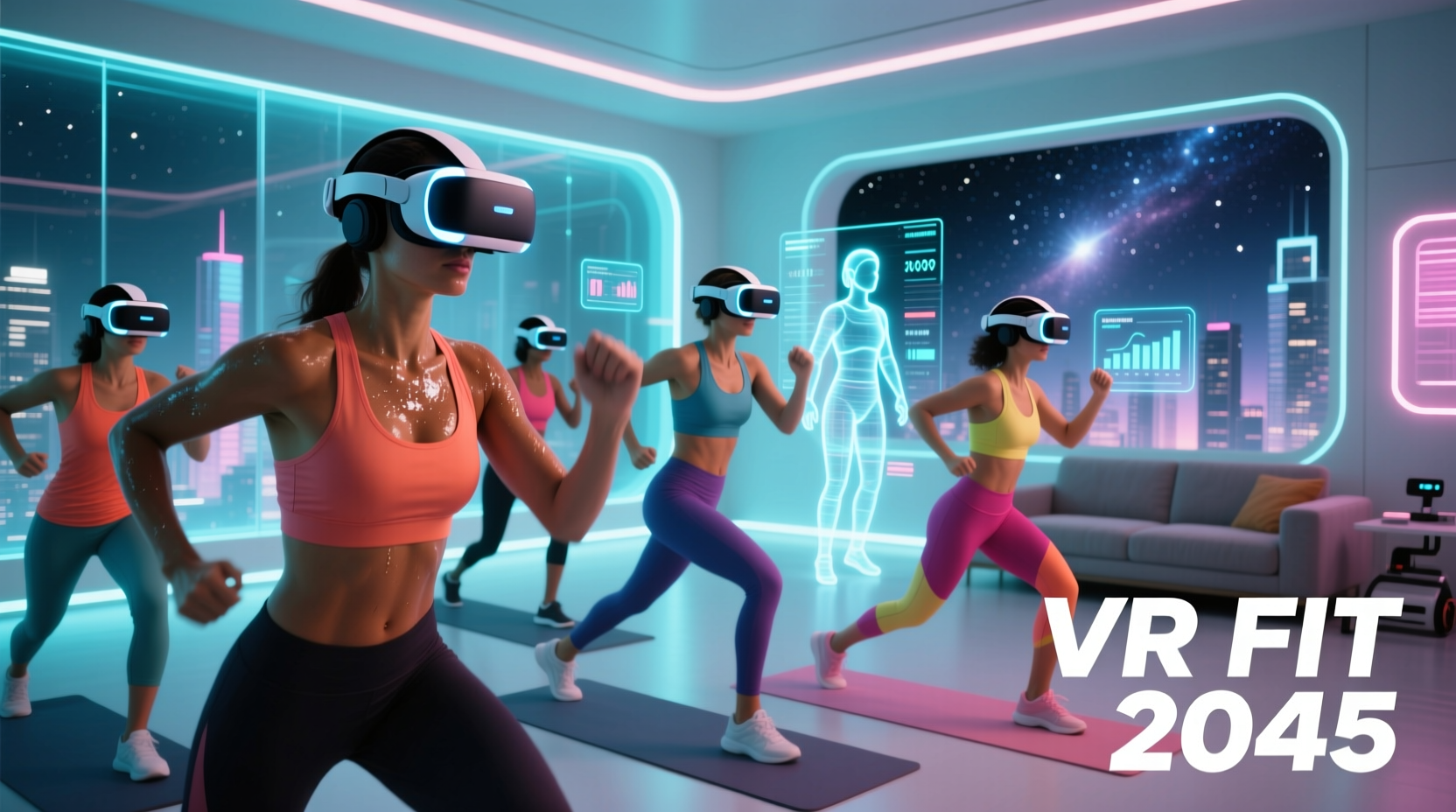
Virtual reality fitness began as a niche curiosity but has matured into a legitimate fitness category. Platforms like Meta Quest, HTC Vive, and PlayStation VR have enabled developers to create applications that track movement, measure exertion, and adapt to user performance. Apps such as Supernatural, FitXR, and Les Mills Bodycombat VR blend rhythm-based challenges, strength circuits, and guided meditation into seamless workout routines.
What sets VR apart is its ability to mask effort through entertainment. A 30-minute boxing session may feel like a high-energy game rather than a grueling cardio set. This psychological shift is crucial. Studies show that when exercise is enjoyable, adherence increases significantly. According to Dr. John Ratey, a clinical professor of psychiatry at Harvard Medical School:
“Exercise is medicine, but only if people take it. Gamification through VR makes the dose more palatable—and often more effective.”
During the pandemic, VR fitness saw explosive growth. With gyms closed and home workouts becoming the norm, many turned to VR as a substitute. Sales of standalone headsets surged, and app subscriptions climbed. Users reported higher consistency compared to traditional at-home videos or gym routines.
Benefits That Make VR Stand Out
Several factors contribute to VR’s appeal over conventional gym environments:
- Motivation through immersion: Being transported to exotic locations or fantastical worlds distracts from fatigue and discomfort.
- Personalized pacing: Many apps adjust difficulty based on real-time performance, offering scalable intensity.
- No commute or scheduling barriers: Workouts start instantly, eliminating excuses related to time or location.
- Lower intimidation factor: New exercisers often feel overwhelmed in gyms; VR provides a private, judgment-free zone.
- Data tracking: Integrated metrics like calories burned, heart rate (with compatible wearables), and motion accuracy offer detailed feedback.
For individuals with mobility constraints or chronic conditions, VR can be transformative. Adaptive programs allow seated workouts, balance training, or low-impact coordination drills—all within a safe, controlled environment. This inclusivity expands fitness access beyond what most gyms currently offer.
A Closer Look: VR vs. Traditional Gym Training
To assess whether VR can replace gyms, it's essential to compare core aspects of both approaches. The table below outlines key differences:
| Factor | VR Fitness Apps | Traditional Gyms |
|---|---|---|
| Cost Over Time | High initial cost ($300–$500 for headset); monthly app subscriptions ($10–$20) | Monthly memberships ($30–$100); equipment optional |
| Social Interaction | Limited; some multiplayer modes exist | Strong; group classes, trainers, community |
| Strength Training Depth | Moderate; bodyweight-focused with limited resistance options | Extensive; free weights, machines, progressive overload |
| Cardiovascular Intensity | High in rhythm games; varies by app | High and consistent across modalities |
| Space Requirements | Needs clear 6x6 ft area; safety concerns | Uses shared space; personal space minimal |
| Progressive Overload Tracking | Basic; relies on reps, speed, score | Precise; weight, volume, tempo logged |
| Accessibility | Excellent for remote users; requires tech literacy | Geographic and financial barriers apply |
While VR excels in engagement and convenience, it falls short in replicating the mechanical specificity and load progression required for serious muscle development or athletic training. Most VR workouts emphasize coordination, agility, and endurance over maximal strength. Until haptic resistance suits become mainstream and affordable, VR cannot fully replicate lifting a barbell or performing heavy squats.
Real-World Example: Sarah’s Transition from Gym to VR
Sarah Thompson, a 34-year-old graphic designer from Portland, was a regular gym-goer until her anxiety about crowded spaces worsened during the pandemic. She canceled her membership and tried online videos but struggled with consistency. Then she received a Meta Quest 2 as a gift.
At first skeptical, Sarah started with Beat Saber, treating it as a game. Within weeks, she noticed improved stamina and reduced back pain from prolonged sitting. She then subscribed to Supernatural and began following daily 20-minute flow workouts combining stretching, light strength, and mindfulness.
“I didn’t realize I was working out,” she said. “I was just showing up for the music and scenery. But after three months, my clothes fit better, and I had more energy.”
Sarah still walks outdoors and does occasional bodyweight circuits, but she hasn’t returned to a gym. For her, VR met her fitness goals without triggering stress. Her case illustrates how VR can serve as a complete alternative—for certain lifestyles and objectives.
Limitations and Challenges of VR Fitness
Despite its promise, VR fitness isn't universally suitable. Key challenges include:
- Physical space requirements: Users need a dedicated, obstacle-free area, which urban dwellers may lack.
- Technology fatigue: Wearing a headset for extended periods can cause discomfort, dizziness, or eye strain.
- Hardware costs: High-quality VR systems remain expensive, creating socioeconomic access gaps.
- Isolation: Lack of human interaction may reduce long-term adherence for socially motivated exercisers.
- Training specificity: Cannot adequately support powerlifting, Olympic lifting, or sport-specific drills requiring external resistance.
Additionally, while many apps claim to burn 300–500 calories per hour, independent studies suggest actual expenditure varies widely based on user size, movement efficiency, and game design. Some \"workouts\" are little more intense than walking.
“The danger is assuming all VR fitness is equally effective. Just because you’re sweating doesn’t mean you’re building functional strength.” — Dr. Lena Patel, Sports Biomechanist at Stanford University
Step-by-Step Guide to Starting a VR Fitness Routine
If you're considering VR fitness, follow this practical timeline to build a sustainable habit:
- Assess your goals: Determine whether you want cardio, flexibility, strength, or mental wellness. Choose apps aligned with those aims.
- Select the right hardware: Opt for a standalone headset like Meta Quest 3 for ease of use. Ensure it fits comfortably and supports hand tracking.
- Create a safe space: Clear a 6x6 foot area, remove tripping hazards, and mark boundaries using the headset’s guardian system.
- Start slow: Begin with 10–15 minute sessions every other day to avoid motion sickness and joint strain.
- Choose beginner-friendly apps: Try OhShape for rhythm, Tripp for meditation, or FitXR for structured classes.
- Track progress: Note session frequency, perceived exertion, and any physical changes weekly.
- Integrate with other activities: Combine VR with outdoor walks, stretching, or light resistance bands for balanced fitness.
- Reevaluate monthly: Ask if your routine is meeting goals. Adjust apps or add variety to prevent plateauing.
Checklist: Is VR Fitness Right for You?
Before investing time and money, consider this checklist:
- ✅ Do you enjoy gaming or interactive media?
- ✅ Do you struggle with gym motivation or intimidation?
- ✅ Can you dedicate a safe, open space in your home?
- ✅ Are your fitness goals centered on cardio, coordination, or general wellness?
- ✅ Are you comfortable with technology and troubleshooting minor issues?
- ❌ Do you prioritize heavy strength training or athletic performance?
- ❌ Are you prone to motion sickness or vestibular issues?
If most checkmarks are positive, VR fitness could be a strong fit. If not, a hybrid model—using VR for cardio and gyms for strength—may be optimal.
Frequently Asked Questions
Can VR fitness help me lose weight?
Yes, if used consistently and paired with proper nutrition. High-intensity VR games like BoxVR or Cubism can burn 200–400 calories per hour. However, weight loss depends on total energy balance, so supplement VR with dietary awareness and additional activity if needed.
Are VR workouts safe for older adults?
Many VR fitness apps offer low-impact, seated, or balance-focused routines ideal for seniors. However, caution is advised for those with vertigo, poor balance, or heart conditions. Always consult a physician before starting, begin with short sessions, and use a chair or wall for support.
Will VR replace personal trainers?
Not entirely. While AI-driven coaching in apps is improving, human trainers provide nuanced form correction, emotional support, and personalized programming that VR cannot yet match. However, VR can complement trainer-led plans by increasing accountability between sessions.
The Future: Coexistence, Not Replacement
Rather than framing VR fitness as a replacement for gyms, a more accurate narrative is one of diversification. The future of fitness is hybrid—a spectrum where users choose tools based on goals, preferences, and context. VR fills a unique niche: engaging, accessible, and adaptive. It appeals to digital natives, rehab patients, busy professionals, and those who’ve long felt excluded from traditional fitness culture.
Gyms, meanwhile, retain value for those seeking heavy resistance training, social connection, and professional guidance. They also offer amenities—showers, pools, saunas—that VR cannot replicate.
As technology evolves, integration will deepen. Imagine VR warm-ups before a gym session, AR overlays correcting squat form, or live-streamed classes blending physical and virtual participants. The line between digital and physical fitness will blur, enriching both domains.
Conclusion
Virtual reality fitness apps are not replacing gyms for good—but they are redefining what fitness can be. They bring joy back to movement, lower entry barriers, and offer innovative ways to stay active in an increasingly sedentary world. For many, they’re not just a temporary trend but a lasting part of a balanced lifestyle.
The real victory isn’t choosing between VR and gyms, but recognizing that fitness is no longer a one-size-fits-all endeavor. Whether you’re dodging asteroids in a headset or deadlifting in a garage gym, the goal remains the same: to move, improve, and feel stronger. Embrace the tools that work for you, and keep evolving.




 浙公网安备
33010002000092号
浙公网安备
33010002000092号 浙B2-20120091-4
Comments
No comments yet. Why don't you start the discussion?