
When examining a mustard seed, one encounters more than just a tiny spice—it is a concentrated source of flavor, history, and culinary utility. Though small in size, its visual characteristics reveal critical information about variety, freshness, and potential use in cooking. Understanding the visual representation of a mustard seed allows home cooks, chefs, and food professionals to make informed decisions when selecting, storing, and applying this essential ingredient. From color and texture to shape and size, every visual cue contributes to identifying the type of mustard plant it came from, its processing method, and its role in global cuisines.
Definition & Overview
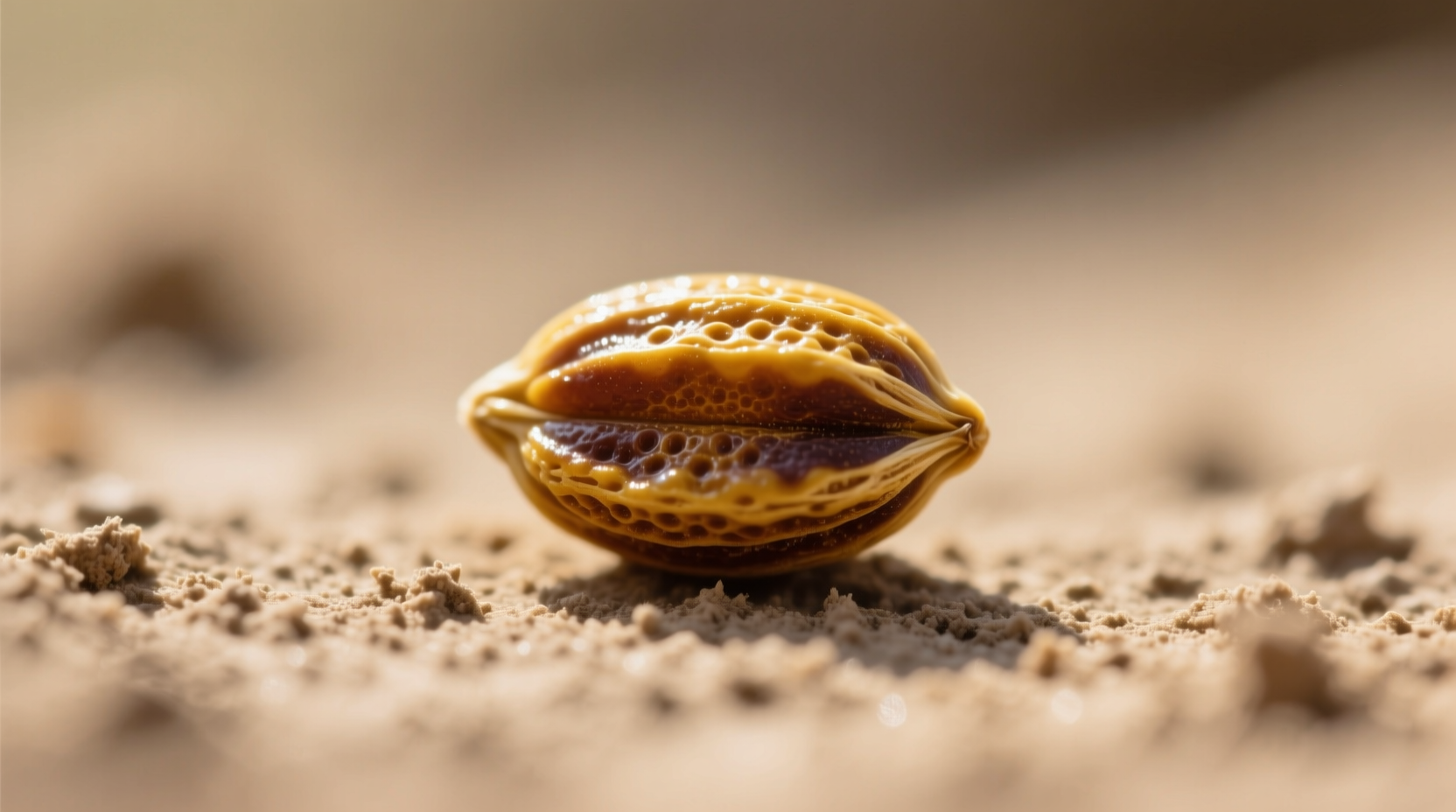
Mustard seeds are the small, round or oval-shaped reproductive units harvested from various species within the Brassica and Sinapis genera, primarily Brassica juncea (brown mustard), Brassica nigra (black mustard), and Brassica hirta (white or yellow mustard). These seeds have been cultivated for thousands of years across Asia, Europe, and the Mediterranean, serving as both a spice and the foundational element in prepared mustards, pickles, curries, and fermented condiments.
Culinarily, mustard seeds are valued not only for their pungency but also for their transformation when heated or hydrated. The visual traits of the seed—color, surface texture, size, and density—are direct indicators of these functional differences. Unlike many spices that are judged solely by aroma or taste, mustard seeds offer significant insight through sight alone, especially when comparing raw versus toasted, whole versus ground, or different botanical varieties.
Key Characteristics
The visual and physical attributes of mustard seeds vary significantly depending on the plant species and post-harvest treatment. Below is a detailed breakdown of the primary characteristics:
| Characteristic | White/Yellow Mustard (B. hirta) | Brown Mustard (B. juncea) | Black Mustard (B. nigra) |
|---|---|---|---|
| Size | 1.0–1.5 mm diameter; slightly larger than other types | Approximately 1.0 mm; smaller and more uniform | Smallest at 0.7–1.0 mm; densely packed |
| Color | Pale yellow to light tan; consistent hue | Dark brown to reddish-brown; deep, earthy tone | Near-black when mature; glossy finish |
| Shape | Spherical with smooth surface | Oval to near-spherical; slightly flattened | Small, round, often irregular; matte texture |
| Surface Texture | Smooth, waxy sheen under magnification | Fine ridges visible microscopically; less reflective | Rougher surface; prone to cracking during roasting |
| Density | Less dense; floats longer in liquid | Moderately dense; sinks steadily | Highest density; sinks quickly in oil or water |
| Flavor Intensity (Potential) | Mild, slightly nutty when raw; releases moderate heat when activated | Sharp, pungent, complex; develops strong horseradish-like notes | Most intense; produces powerful, lingering heat upon hydration |
These visual distinctions are not merely academic—they directly influence how each seed behaves in cooking. For example, black mustard seeds' high density and dark pigmentation indicate rapid Maillard reactions when tempered in hot oil, making them ideal for South Indian tadka techniques. In contrast, the lighter color and milder appearance of white mustard seeds suggest slower development of flavor, better suited for vinegar-based pickling brines where gradual infusion is desired.
Practical Usage: How to Use Based on Visual Cues
Understanding the visual properties of mustard seeds enables precise application in both traditional and modern kitchens. Here’s how to translate appearance into action:
Whole Seeds: Identification and Application
Whole mustard seeds retain their full structural integrity and can be used immediately based on visual inspection:
- Color Check for Freshness: Dull, faded, or cracked seeds indicate age or poor storage. Opt for bright, uniformly colored seeds—vibrant yellow for white, deep lustrous brown for brown, and jet-black without blemishes for black mustard.
- Size Sorting for Technique: Larger white seeds work well in coarse grinds or whole-seed relishes (e.g., German sweet pickle mix). Smaller black seeds are preferred in fine spice blends or quick tempering due to faster oil absorption.
- Texture Assessment: Smooth seeds typically indicate minimal handling and lower oxidation risk. Rough or dusty surfaces may signal improper drying or contamination.
Tempering and Blooming (Tadka/Pouring)
In Indian, Ethiopian, and Middle Eastern cuisines, mustard seeds are often heated in oil until they pop—a technique known as tempering. Visually, this process follows predictable stages:
- Initial Stage: Seeds sink to the bottom of the pan in cold oil—observe even distribution.
- Heating Phase: As temperature rises (~350°F/175°C), seeds begin to shimmer; surface moisture evaporates, enhancing gloss.
- Cracking/Popping: Within 30–60 seconds, seeds rapidly expand and burst open with an audible snap. This signals the release of volatile oils. Brown and black seeds turn slightly darker; white seeds may remain pale but emit a toasted aroma.
- Final Indicator: Once 80% of seeds have popped and float to the surface, remove from heat. Overheating leads to charring—visually evident as blackened fragments amid unburnt seeds.
Pro Tip: Use a transparent glass lid when tempering to monitor popping behavior. The moment steam begins lifting the lid and seeds dance vigorously, the infusion is complete. Immediately pour over dals, chutneys, or vegetable dishes to preserve volatile aromatics.
Grinding and Paste Formation
The transformation from solid seed to liquid condiment hinges on visual changes during grinding:
- Dry Grinding: When using a mortar and pestle or spice grinder, whole seeds first break into coarse fragments. Continued grinding yields a fine powder. White mustard produces a pale yellow flour; brown and black yield darker, speckled powders.
- Wet Activation: Mixing ground mustard with cold water initiates enzyme activity (myrosinase), converting glucosinolates into allyl isothiocyanate—the compound responsible for heat. Visually, the paste thickens and turns slightly translucent after 5–10 minutes. Heat peaks around 10 minutes, then gradually diminishes over time.
- Heat Control via Liquid Choice: Adding warm or hot liquid denatures myrosinase, reducing pungency. The resulting paste appears smoother and creamier but lacks sharpness. For maximum bite, always start with cold liquid and allow full activation before adjusting consistency.
Sprouting and Microgreen Cultivation
Mustard seeds are commonly sprouted for salads, sandwiches, and garnishes. Their visual progression offers clear markers of edibility and flavor development:
- Day 1–2: Seeds absorb water, swell to nearly double size, and develop a white root tip. No chlorophyll yet—appearance is beige with faint root emergence.
- Day 3–4: Roots elongate (1–2 cm); first green cotyledons appear. Color shifts from beige to light green. At this stage, sprouts are tender and mildly spicy.
- Day 5–7: True leaves emerge, deepening in green intensity. Flavor becomes robust, peppery. Ideal for harvesting—full visual vibrancy indicates peak nutrient density.
Sprouts grown in darkness (like commercial alfalfa-style) remain pale and softer; those exposed to indirect sunlight develop deeper pigmentation and firmer stems. Always discard any batch showing mold (fuzzy white or black growths) or sour odor.
Variants & Types: Beyond the Whole Seed
While whole mustard seeds dominate dry spice markets, several processed forms exist—each with distinct visual signatures:
Ground Mustard Powder
A finely milled version of dried seeds, usually de-oiled to extend shelf life. Appears as a soft, free-flowing powder:
- White Mustard Powder: Bright golden-yellow, similar to turmeric but less staining.
- Brown Mustard Powder: Earthy tan to olive-drab; often blended with wheat flour or rice starch to prevent caking.
- Colman’s-Style (UK): A blend of white and brown, yielding a medium-yellow hue with subtle speckling.
This form is essential for dry rubs, cheese sauces (e.g., Welsh rarebit), and instant mustard mixes. Reconstitute with liquid to restore potency.
Dehulled (Cut) Mustard Seeds
Also called \"cut mustard,\" these are partially crushed or polished seeds with the outer husk removed. Visually, they appear as broken fragments rather than intact spheres:
- Light Tan to Beige Fragments: Uniform in size, lacking whole-shell structure.
- Used in: Dijon-style mustards, sausages, and marinades where rapid flavor extraction is needed without textural crunch.
Mustard Bran and Meal
Byproducts of oil extraction, these appear coarser and darker due to residual fiber and protein. Often used in animal feed or industrial applications, though some artisanal producers incorporate them into rustic breads or textured plant-based meats.
Prepared Mustard (Condiment Forms)
Though not strictly “seeds,” prepared mustards showcase how seed type affects final product appearance:
| Type | Seed Base | Visual Traits | Common Uses |
|---|---|---|---|
| Yellow Mustard | White mustard + turmeric | Bright yellow, smooth emulsion | American hot dogs, ballpark fare |
| Dijon Mustard | Brown + white mustard, verjuice | Pale ivory, creamy, slight graininess | Sauces, vinaigrettes, deglazing |
| Spicy Brown Mustard | Primarily brown mustard | Dark tan, speckled with visible seed bits | Reubens, charcuterie boards |
| Whole Grain Mustard | Mixed seeds, minimally crushed | Visible whole and halved seeds suspended in viscous base | Meat glazes, cheese pairings |
| Chinese Hot Mustard | Finely ground brown mustard | Off-white to light gray, opaque paste | Dumpling dips, Peking duck accompaniment |
Comparison with Similar Ingredients
Mustard seeds are frequently confused with other small, round seeds. Proper visual distinction prevents substitution errors that could alter dish outcomes.
| Ingredient | Visual Differences from Mustard Seed | Functional Implications |
|---|---|---|
| Nigella Seeds (Kaljeera/Kalonji) | Triangular cross-section, matte black, smaller (1 mm), no shine | Oniony, herbal note; does not produce heat; used in naan and Bengali five-spice |
| Sesame Seeds | Oval, flat, with visible striations; ivory, gold, or black variants | Higher oil content; toasts faster; nutty rather than pungent |
| Fenugreek Seeds | Hard, amber-yellow cubes; square-shaped, ~2 mm, bitter smell when crushed | Bitter baseline; requires roasting; common in curry powders |
| Cumin Seeds | Elongated, ridged, light brown; crescent shape with longitudinal lines | Earthy, warm aroma; never pungent like mustard |
| Poppy Seeds | Tiny (0.5 mm), kidney-shaped, bluish-gray; extremely lightweight | Neutral, oily; used in baking, not tempering |
“Many novice cooks mistake black mustard for nigella because both are small and dark. But the difference in behavior under heat is dramatic—one explodes with heat, the other blooms with fragrance.” — Chef Anika Rahman, Culinary Instructor, Institute of Indian Gourmet Arts
Practical Tips & FAQs
How do I visually assess mustard seed quality?
Look for uniform color, absence of dust or debris, and a clean, dry texture. High-quality seeds should not clump together, indicating moisture exposure. Avoid bags with visible condensation or discolored patches.
Can I substitute one type of mustard seed for another?
Yes, but adjust expectations. Replace black mustard with brown in tempering for slightly milder results. Substituting white for black will lack depth and heat—compensate with a pinch of horseradish powder or fresh ginger.
What does rancid mustard seed look like?
Rancidity is hard to detect visually until advanced. Early signs include dullness, loss of sheen, and slight greasiness. Advanced spoilage shows as dark spots, mold, or clumping. Always store in airtight containers away from light and heat.
How long do mustard seeds last?
Whole seeds retain potency for 2–3 years when stored properly. Ground seeds lose pungency within 6–12 months. Label containers with purchase dates. Conduct a crush-and-sniff test annually: crush a few seeds between fingers—if aroma is weak or musty, replace.
Why do some mustard seeds float in oil while others sink?
Density and moisture content determine buoyancy. Fresher, drier seeds sink faster. Floating may indicate age or humidity exposure. However, during tempering, popping causes all types to rise temporarily as steam builds inside the seed.
Are there genetically modified mustard seeds?
As of 2024, no commercially approved GM mustard varieties are widely available globally. India has approved DMH-11 (a hybrid genetically modified for herbicide tolerance), but it remains controversial and not exported. Most consumer-grade seeds are non-GMO—verify via packaging labels if sourcing matters.
Storage Checklist:
- Use dark glass or metal tins with tight seals
- Store in cool, dry pantry (below 70°F/21°C)
- Keep away from stove, dishwasher, or refrigerator humidity
- Do not freeze—condensation damages cell structure
- Buy in small batches unless used frequently
Summary & Key Takeaways
The visual representation of a mustard seed extends far beyond mere appearance—it is a roadmap to flavor, function, and culinary precision. Recognizing differences in color, size, texture, and form allows for accurate identification of variety and quality. White, brown, and black mustard seeds each present unique visual profiles that correlate directly to their heat level, solubility, and performance in cooking techniques such as tempering, grinding, and sprouting.
Processed forms—including powders, cut seeds, and prepared mustards—retain visual traces of their origin, enabling informed substitutions and creative applications. Distinguishing mustard seeds from look-alikes like nigella or sesame prevents recipe failures and enhances authenticity in ethnic dishes.
Ultimately, seeing the seed clearly means understanding its potential. Whether you're building a complex curry, crafting a homemade condiment, or growing microgreens, attention to visual detail ensures optimal results. Store wisely, inspect regularly, and let appearance guide your choices in the kitchen.
Next time you reach for mustard seeds, take a moment to observe them closely. What you see—color, shape, luster—holds the key to what you’ll taste.




 浙公网安备
33010002000092号
浙公网安备
33010002000092号 浙B2-20120091-4
Comments
No comments yet. Why don't you start the discussion?