
Many people turn to vitamins to support their health, only to find themselves feeling queasy shortly after taking them. Nausea from supplements is more common than most realize—and while usually not dangerous, it can discourage consistent use. Understanding the root causes behind vitamin-induced nausea and learning how to mitigate it can transform your supplementation experience from uncomfortable to seamless.
The digestive system reacts differently to various nutrients, especially when consumed in concentrated forms. Some vitamins are inherently harder on the stomach, particularly when taken on an empty stomach or in high doses. Others interact with individual physiology in unexpected ways. The good news: most cases of supplement-related nausea can be prevented with simple adjustments.
Why Vitamins Cause Nausea: Key Triggers
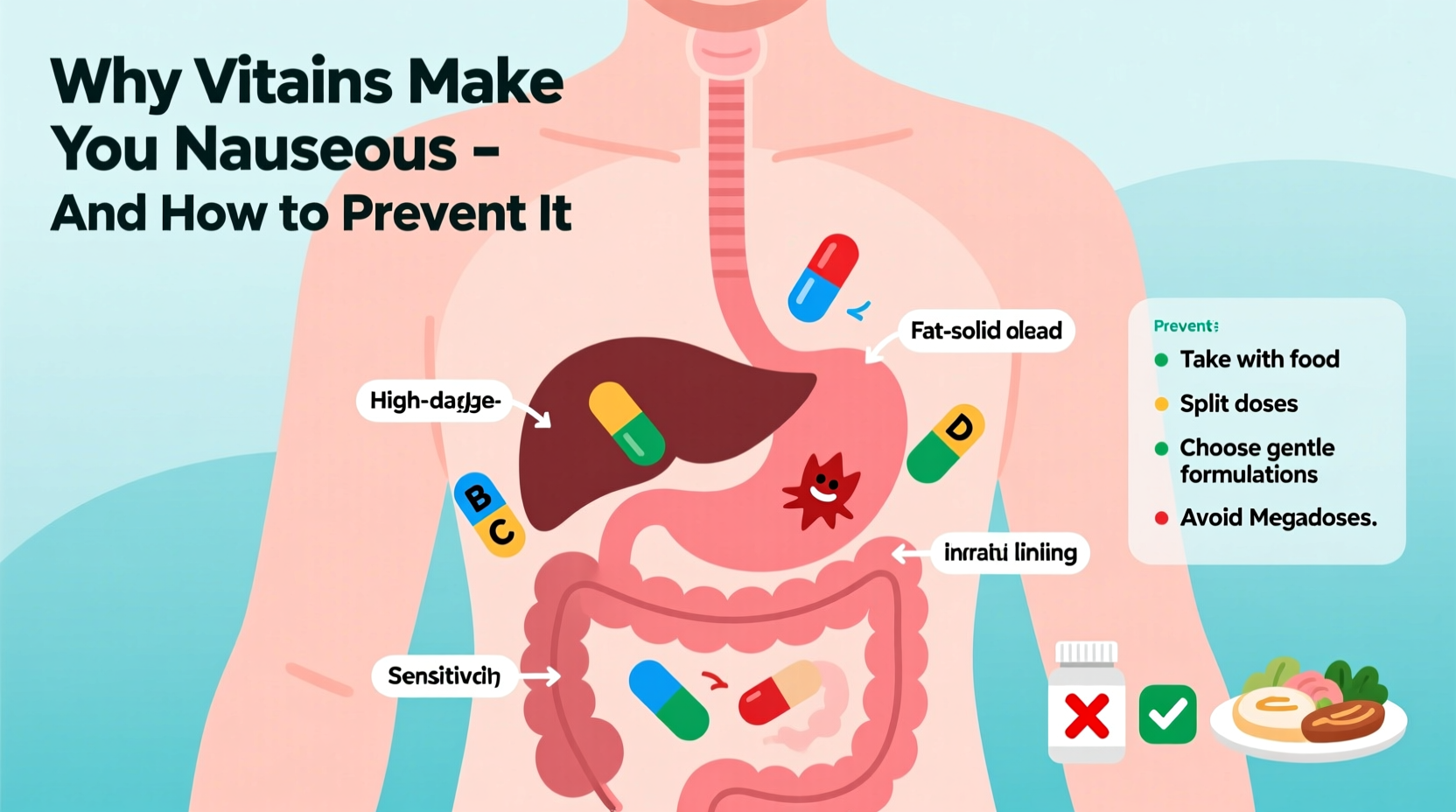
Nausea after taking vitamins isn’t random—it’s often tied to specific ingredients, timing, dosage, or personal sensitivity. Identifying the trigger is the first step toward relief.
- Iron: One of the most common culprits. Iron supplements, especially ferrous sulfate, irritate the gastrointestinal lining and slow gastric motility, leading to nausea, constipation, and even vomiting.
- Vitamin B6 (Pyridoxine): High doses (above 100 mg daily) can cause gastrointestinal upset and, over time, neurological symptoms. Even moderate doses may trigger nausea in sensitive individuals.
- Vitamin C (Ascorbic Acid): In large amounts, ascorbic acid increases gastric acidity, which may lead to heartburn or nausea—especially on an empty stomach.
- Zinc: Known for its immune-supporting properties, zinc can provoke nausea and a metallic taste, particularly in fast-dissolving lozenges or high-potency tablets.
- Multivitamins with Minerals: These often combine several gut-sensitive ingredients (like iron and zinc), increasing the likelihood of digestive distress.
Beyond individual nutrients, formulation matters. Capsules with fillers, binders, or artificial additives may also contribute to stomach irritation in sensitive users.
How Timing and Food Affect Tolerance
When and how you take your vitamins significantly impacts whether you feel sick afterward. The stomach's environment changes throughout the day, influencing nutrient absorption and irritation risk.
Taking vitamins on an empty stomach—common among morning supplement takers—increases the chance of nausea. Without food to buffer the acids and enzymes released during digestion, concentrated nutrients can directly irritate the stomach lining.
Fat-soluble vitamins (A, D, E, K) require dietary fat for optimal absorption and are less likely to cause issues when paired with a meal. Water-soluble vitamins like B-complex and vitamin C pass through the system quickly but are more acidic and prone to causing discomfort without food.
“Taking supplements with food reduces gastric irritation by up to 70% in sensitive individuals.” — Dr. Lena Patel, Gastroenterology Nutrition Specialist
Best Practices for Timing and Meals
- Pair with breakfast or lunch: Choose a meal containing healthy fats (e.g., avocado, nuts, eggs) to improve absorption and reduce irritation.
- Avoid bedtime dosing for certain supplements: Iron and zinc taken at night may cause stomach upset or disrupt sleep due to mild stimulation.
- Split doses: For high-dose regimens (e.g., 1000 mg vitamin C), divide intake into two smaller doses with meals.
Choosing the Right Formulation Matters
Not all supplements are created equal. The type of vitamin—its form, delivery method, and added ingredients—can make a big difference in how your body responds.
| Vitamin | Irritating Form | Gentler Alternative |
|---|---|---|
| Iron | Ferrous sulfate | Ferrous bisglycinate or heme iron polypeptide |
| Vitamin C | Ascorbic acid | Sodium ascorbate or buffered vitamin C |
| Zinc | Zinc sulfate | Zinc picolinate or zinc citrate |
| B6 | Synthetic pyridoxine HCl | P-5-P (pyridoxal-5-phosphate) |
Gentler formulations are typically chelated (bound to amino acids) or buffered, reducing acidity and improving bioavailability. For example, magnesium oxide is notorious for causing nausea and diarrhea, whereas magnesium glycinate is well-tolerated and calming.
Real-Life Example: Managing Prenatal Vitamin Nausea
Sarah, a 32-year-old expecting mother, began prenatal vitamins early in her first trimester. Within days, she experienced persistent nausea—worsening her morning sickness. She assumed it was just part of pregnancy until her midwife suggested switching from a standard prenatal with ferrous fumarate to one with chelated iron and lower iron content (18 mg vs. 27 mg).
She also started taking the vitamin with a small snack before bed instead of on an empty stomach in the morning. Within 48 hours, her nausea decreased dramatically. Over time, she transitioned back to a full-dose version, splitting it into two smaller doses with meals.
Sarah’s case illustrates that nausea isn’t always inevitable—it’s often a sign that the formulation or routine needs adjustment.
Step-by-Step Guide to Prevent Vitamin Nausea
If you're struggling with supplement-related nausea, follow this practical sequence to regain comfort and consistency:
- Identify the offending supplement: Temporarily stop all vitamins and reintroduce one at a time to pinpoint the culprit.
- Take with food: Always pair supplements with a meal, even a small one like yogurt or toast.
- Switch to a gentler form: Replace harsh compounds (e.g., ferrous sulfate) with more bioavailable, less irritating alternatives.
- Lower the dose: Use half a tablet or switch to a lower-potency version, then gradually increase as tolerated.
- Change the time of day: Try taking supplements earlier in the day with food, or experiment with evening dosing if appropriate.
- Stay hydrated: Drink water throughout the day to aid digestion and nutrient processing.
- Consult a healthcare provider: Rule out underlying conditions like gastritis, ulcers, or nutrient intolerances.
FAQ: Common Questions About Vitamin Nausea
Can too many vitamins cause nausea even if taken with food?
Yes. Exceeding the tolerable upper intake level (UL) for certain vitamins—such as vitamin C (2,000 mg/day), B6 (100 mg/day), or zinc (40 mg/day)—can overwhelm the digestive system and lead to nausea, regardless of food intake. Stick to recommended dosages unless advised otherwise by a professional.
Are gummy vitamins less likely to cause nausea?
They can be, but not always. While gummies are gentler on the stomach due to their form and lack of iron, they often contain sugars, artificial colors, and lower nutrient levels. Additionally, some people report bloating or blood sugar spikes from frequent gummy use. They’re a good alternative for mild supplementation but may not suit high-dose needs.
Is it safe to stop taking a vitamin if it makes me nauseous?
It depends on the nutrient. For non-critical supplements, pausing is fine while you adjust your approach. However, essential nutrients like folic acid during pregnancy or vitamin B12 for those with deficiencies should not be stopped without medical guidance. Work with your doctor to find a tolerable alternative.
Final Checklist: Eliminate Supplement Nausea for Good
- ✅ Take vitamins with a meal containing fat
- ✅ Avoid taking supplements on an empty stomach
- ✅ Switch from aggressive forms (e.g., ferrous sulfate) to gentler ones (e.g., bisglycinate)
- ✅ Split high-dose supplements into multiple servings
- ✅ Stay hydrated throughout the day
- ✅ Monitor symptoms after changing brands or dosages
- ✅ Consult a doctor if nausea persists beyond a few days
Conclusion: Take Control of Your Supplement Experience
Nausea from vitamins doesn’t have to derail your health goals. With smarter choices in timing, formulation, and dosage, most people can enjoy the benefits of supplementation without discomfort. Listen to your body, make gradual changes, and don’t hesitate to seek professional advice when needed.




 浙公网安备
33010002000092号
浙公网安备
33010002000092号 浙B2-20120091-4
Comments
No comments yet. Why don't you start the discussion?