
Waking up to vomit that appears to be clear or water-like can be alarming. While it may not always signal a serious condition, persistent or severe episodes should never be ignored. Vomiting water—more accurately described as ejecting clear gastric fluid or excess saliva—can stem from a range of causes, from mild digestive upset to more serious underlying health issues. Understanding what triggers this symptom, recognizing when it becomes dangerous, and knowing when to consult a healthcare provider are essential steps in protecting your well-being.
What Does \"Vomiting Water\" Actually Mean?
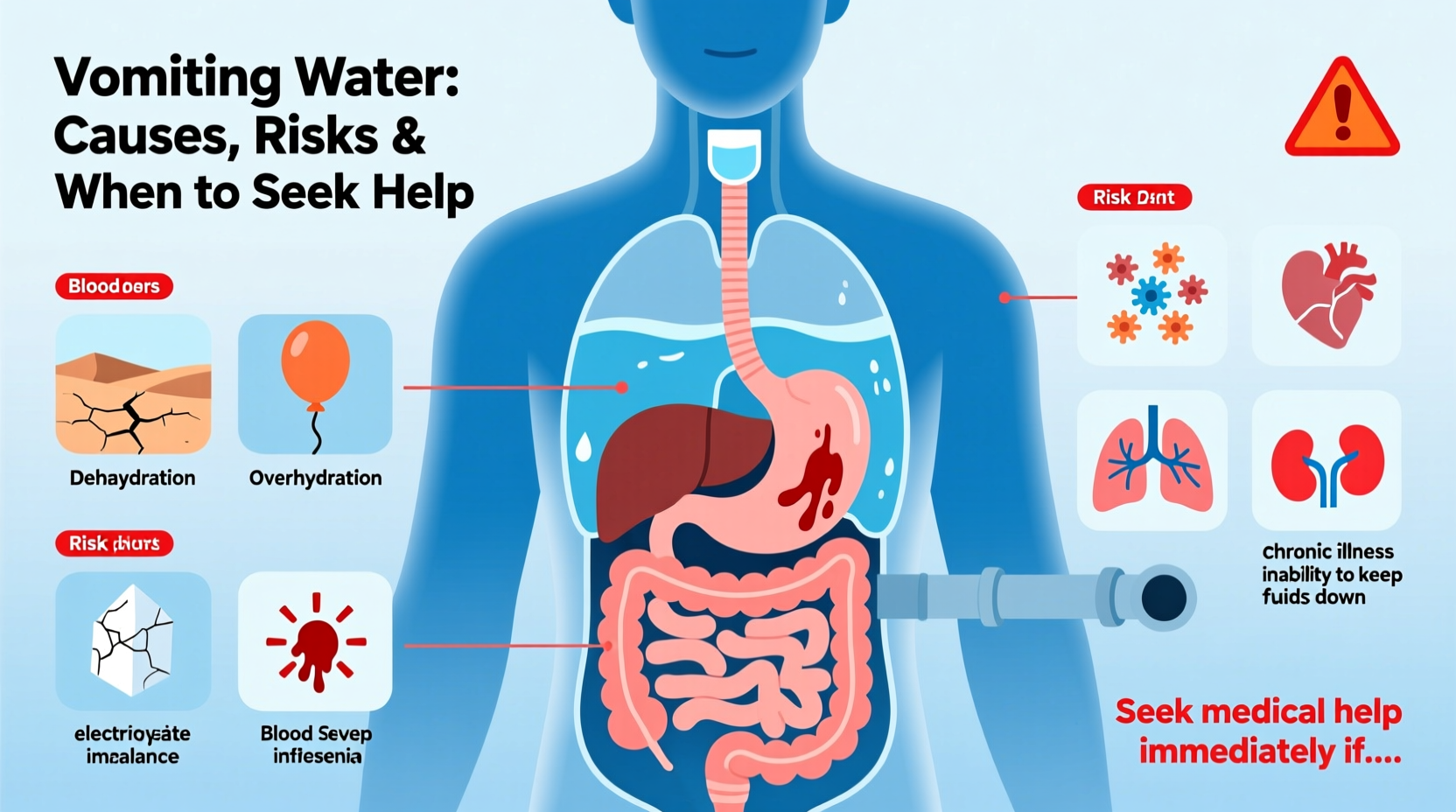
True vomiting of plain water is rare. What people describe as “vomiting water” is typically the expulsion of clear fluids such as saliva, gastric juices, or ingested liquids that haven’t been mixed with food. The stomach naturally produces hydrochloric acid and mucus, and when empty, any vomit will consist mostly of these secretions and possibly swallowed saliva. This results in a clear or slightly frothy liquid.
This phenomenon often occurs after prolonged fasting, excessive water intake on an empty stomach, or during episodes of nausea where no solid food is present to expel. While occasional instances may be harmless, recurrent vomiting of clear fluid warrants closer attention.
Common Causes of Vomiting Clear Fluid
The reasons behind vomiting water-like substances vary widely in severity and origin. Some are temporary and resolve on their own; others point to chronic or acute medical conditions.
- Empty Stomach Vomiting: After hours without eating, especially overnight, the stomach contains only fluids. Nausea due to illness or motion sickness can trigger vomiting of these clear contents.
- Gastroenteritis (Stomach Flu): Viral infections inflame the stomach and intestines, leading to nausea, vomiting, and diarrhea. Initially, you may vomit food; later, only clear fluids remain.
- Acid Reflux or GERD: Excess stomach acid can rise into the esophagus, causing regurgitation of sour or clear liquid, particularly when lying down.
- Pregnancy (Morning Sickness): Many pregnant individuals experience nausea and vomiting, sometimes bringing up only saliva and stomach fluid, especially if they haven’t eaten.
- Food Poisoning: Rapid onset of nausea and vomiting after contaminated food ingestion often begins with solids but progresses to clear fluids once the stomach is empty.
- Intestinal Obstruction: A partial or complete blockage prevents food and fluids from moving through the digestive tract. Vomiting clear liquid, especially bile (which may appear yellow-green), can indicate high intestinal obstruction.
- Excessive Hydration: Drinking large volumes of water quickly, particularly on an empty stomach, can overwhelm the stomach’s capacity and lead to vomiting.
- Anxiety or Panic Attacks: Stress-induced nausea can stimulate salivation and retching, resulting in the expulsion of watery saliva.
Risks and Complications of Persistent Vomiting
Repeated vomiting—even of clear fluid—can lead to several health complications due to fluid loss, electrolyte imbalances, and strain on the digestive system.
| Complication | Description | Symptoms to Watch For |
|---|---|---|
| Dehydration | Loss of fluids impairs organ function and circulation. | Dry mouth, dizziness, dark urine, low urination |
| Electrolyte Imbalance | Low sodium, potassium, or chloride affects heart and nerve function. | Muscle cramps, irregular heartbeat, confusion |
| Mallory-Weiss Tear | Tearing in the esophagus from forceful vomiting. | Bloody vomit, chest pain, difficulty swallowing |
| Aspiration | Inhaling vomit into the lungs, especially during sleep. | Coughing, shortness of breath, fever |
“Persistent vomiting, even if it's just clear fluid, can rapidly lead to dehydration and metabolic disturbances. Early intervention is key.” — Dr. Lena Torres, Gastroenterologist
When to Seek Medical Help
While isolated episodes of vomiting water may resolve independently, certain red flags require prompt medical evaluation. Delaying care in these situations can worsen outcomes.
Seek Immediate Care If You Experience:
- Vomiting lasting more than 24 hours without improvement
- Inability to keep down even small sips of liquid
- Signs of severe dehydration (sunken eyes, rapid pulse, confusion)
- Vomit containing blood or resembling coffee grounds
- Severe abdominal pain or distension
- Fever above 101°F (38.3°C) accompanying vomiting
- Sudden, intense headache or stiff neck with vomiting (possible neurological issue)
Consider a Doctor’s Visit If:
- Vomiting recurs frequently over days or weeks
- You suspect pregnancy-related hyperemesis
- You have a history of gastrointestinal disorders (e.g., gastroparesis, ulcers)
- Nausea disrupts daily activities or sleep
Real-Life Example: Recognizing a Hidden Condition
Sarah, a 34-year-old teacher, began waking up multiple times a week vomiting clear fluid. She assumed it was due to stress or late-night meals. Over two months, the episodes increased, and she started feeling lightheaded. After fainting at work, she visited the ER. Tests revealed low potassium and signs of chronic dehydration. Further investigation diagnosed her with cyclic vomiting syndrome—a condition characterized by recurring bouts of intense nausea and vomiting, often triggered by stress or hormonal changes. With proper medication and lifestyle adjustments, Sarah regained control of her symptoms.
Her case highlights how seemingly benign vomiting can mask an underlying disorder. Early recognition and professional assessment made a critical difference.
Step-by-Step Guide: Managing Mild Episodes at Home
If vomiting water occurs infrequently and without warning signs, you may manage it safely at home. Follow this timeline to support recovery:
- Stop Eating Temporarily: Allow your stomach to rest for 1–2 hours after vomiting.
- Sip Small Amounts of Fluid: Take 1–2 teaspoons of water, weak tea, or oral rehydration solution every 5–10 minutes.
- Gradually Increase Intake: After 4–6 hours without vomiting, slowly increase fluid volume.
- Introduce Bland Foods: If tolerated, eat plain toast, rice, or bananas after 8–12 hours.
- Avoid Triggers: Stay away from spicy foods, strong odors, and sudden movements.
- Monitor Symptoms: Track frequency, duration, and associated symptoms for medical discussion.
Prevention Checklist
To reduce the likelihood of vomiting clear fluid, incorporate these habits into your routine:
- ✅ Eat smaller, more frequent meals to avoid extreme hunger or fullness
- ✅ Stay hydrated throughout the day—but avoid chugging large amounts at once
- ✅ Manage stress through mindfulness, exercise, or therapy
- ✅ Avoid lying down immediately after eating
- ✅ Treat acid reflux symptoms early with dietary changes or OTC medications if appropriate
- ✅ Keep a symptom journal if episodes recur—note timing, diet, and triggers
Frequently Asked Questions
Is vomiting water a sign of dehydration?
No—vomiting water is more often a cause of dehydration than a symptom. However, if you’re already dehydrated, your body may produce less saliva and gastric fluid, which could alter the consistency of vomit. Persistent vomiting leads to fluid loss, increasing dehydration risk.
Can anxiety really make me vomit water?
Yes. Anxiety activates the autonomic nervous system, which can increase salivation and stimulate the gag reflex. This combination may result in retching and expulsion of excess saliva, especially during panic attacks or chronic stress.
Why do I vomit water in the morning?
Morning vomiting of clear fluid may be linked to overnight acid buildup (GERD), pregnancy, low blood sugar after fasting, or conditions like gastroparesis where the stomach empties slowly. If persistent, consult a doctor to identify the root cause.
Take Control of Your Health
Vomiting water may seem minor, but it’s your body’s way of signaling that something is off. Whether it’s a passing bug or a deeper health concern, listening to your symptoms is crucial. Don’t dismiss recurring episodes or ignore warning signs. Simple lifestyle adjustments can prevent many cases, but knowing when to seek help can prevent complications and lead to faster recovery.




 浙公网安备
33010002000092号
浙公网安备
33010002000092号 浙B2-20120091-4
Comments
No comments yet. Why don't you start the discussion?