
Streaming services like Netflix, Hulu, BBC iPlayer, and Disney+ use geographic restrictions to control content access based on location. These geo-blocks are enforced through IP address tracking, meaning if you're not in the approved region, the content remains locked. To bypass these barriers, users often turn to proxies and virtual private networks (VPNs). While both can mask your IP address, they differ significantly in effectiveness, security, and ability to evade detection. Understanding these differences is essential for anyone serious about accessing global content reliably and securely.
How Geo-Blocking Works and Why It Matters
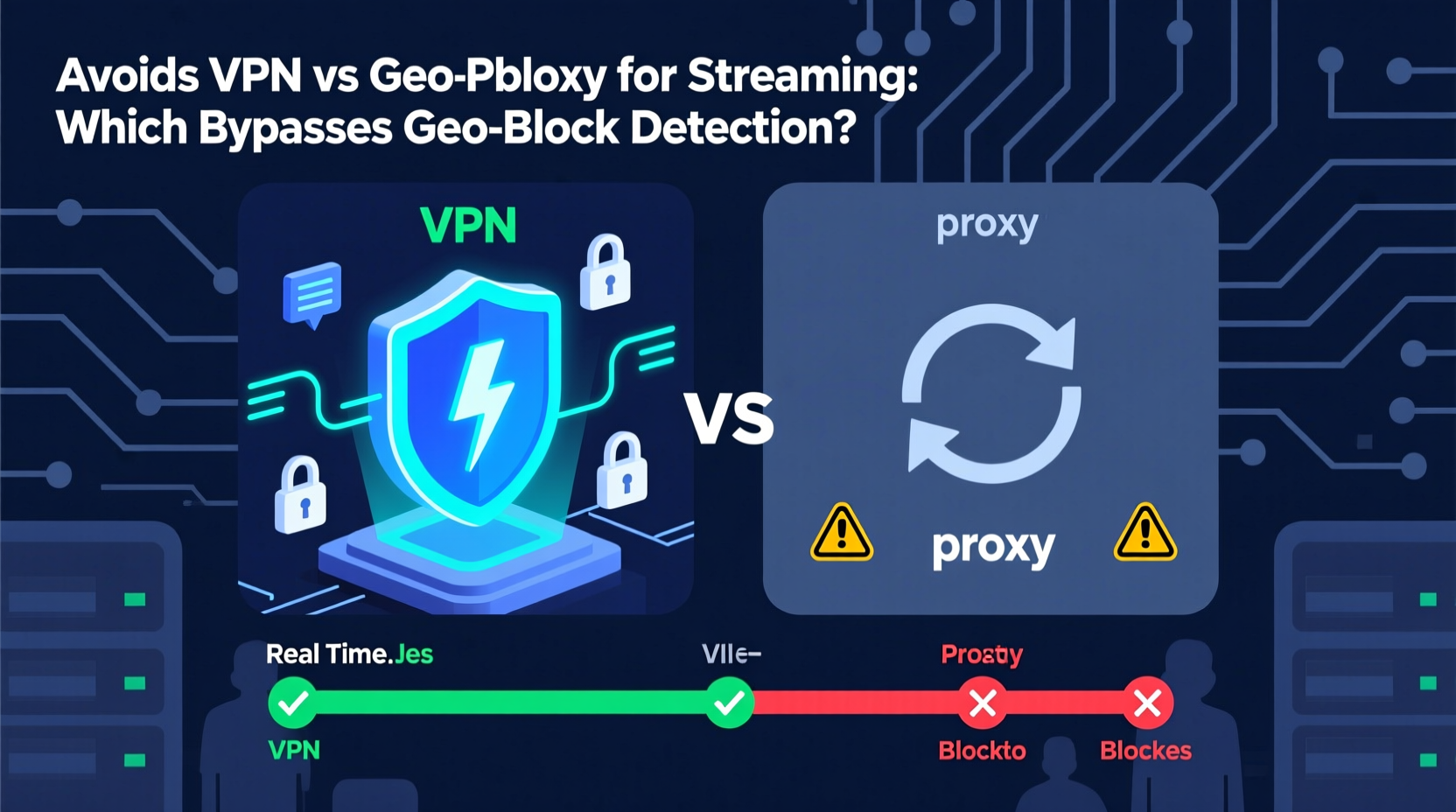
Geo-blocking is a digital gatekeeper. When you attempt to load a streaming service, the platform checks your public IP address to determine your physical location. If your IP is registered outside the allowed region—say, trying to access American Netflix from Germany—you’re either redirected to a local version or shown an error message: “You seem to be in a different country.”
This system exists due to licensing agreements. Content creators and distributors sell rights on a per-region basis. A show might be licensed to Netflix in the U.S., but to Amazon Prime in Europe. To honor these contracts, platforms must enforce regional access controls.
To circumvent this, users need tools that make it appear as though they're browsing from within the permitted region. That’s where proxies and VPNs come in—but not all tools perform equally.
What Is a Proxy and How Does It Work?
A proxy server acts as an intermediary between your device and the internet. When you connect through a proxy, your traffic is routed through that server before reaching the destination website. The site sees the proxy’s IP address instead of yours, making it appear as if the request originated from the proxy’s location.
For streaming, this means you could route your connection through a U.S.-based proxy to access Hulu. However, proxies operate at the application level, meaning only specific apps (like your browser) go through the proxy unless manually configured system-wide. They do not encrypt your traffic, leaving your data exposed on public networks.
There are several types of proxies:
- HTTP Proxies: Handle web traffic only. Useful for basic browsing but ineffective for encrypted HTTPS streams.
- HTTPS Proxies: Support secure connections but still lack full encryption.
- SOCKS Proxies: More versatile, handling various traffic types including video streams. SOCKS5 is commonly used for streaming due to better performance.
Despite their utility, proxies have major limitations when facing modern geo-detection systems.
What Is a VPN and How Is It Different?
A Virtual Private Network (VPN) creates an encrypted tunnel between your device and a remote server operated by the VPN provider. All your internet traffic—browser, app, background updates—is routed through this tunnel. Like a proxy, it masks your real IP with the server’s, but with critical advantages: full encryption, system-wide coverage, and stronger privacy protections.
When streaming, a high-quality VPN allows you to select a server in the desired country—such as London for BBC iPlayer—and presents your connection as local. Unlike proxies, most reputable VPNs actively work to stay ahead of detection algorithms used by streaming platforms.
Key features of a good streaming VPN include:
- Dedicated IP addresses to reduce suspicion
- Obfuscation technology to disguise encrypted traffic as regular HTTPS
- Large server networks across multiple countries
- High-speed connections optimized for HD and 4K streaming
- No-logs policies verified by independent audits
“Streaming platforms invest heavily in detecting and blocking non-residential IPs. Only advanced, well-maintained VPNs can consistently bypass these filters.” — David Lin, Cybersecurity Analyst at NetShield Labs
Comparing Effectiveness: VPN vs Proxy for Bypassing Geo-Blocks
While both tools change your apparent location, their success rates in evading geo-block detection vary dramatically. Streaming platforms employ sophisticated methods to identify artificial traffic patterns, including:
- IP reputation analysis (checking if an IP belongs to a known data center)
- DNS and WebRTC leaks (exposing your real location)
- Traffic fingerprinting (analyzing packet sizes and timing)
- Behavioral analysis (detecting unusual usage patterns)
Proxies, especially free ones, are easily flagged because they often use shared IPs from data centers, lack encryption, and don’t prevent DNS leaks. In contrast, premium VPNs implement countermeasures such as dedicated IPs, obfuscated servers, and automatic kill switches to maintain anonymity.
| Feature | Proxy | VPN |
|---|---|---|
| Traffic Encryption | No | Yes (AES-256 standard) |
| System-Wide Protection | No (application-level only) | Yes |
| DNS/IPv6 Leak Protection | Rarely | Standard in quality providers |
| Obfuscation Technology | None | Available (e.g., NordLynx, Shadowsocks) |
| Speed for 4K Streaming | Moderate (often throttled) | High (optimized servers) |
| Detection Resistance | Low (easily blocked) | High (with top-tier providers) |
| Security on Public Wi-Fi | Vulnerable | Protected |
The table makes clear that while proxies offer a quick fix, they fall short in reliability and security. For consistent access to geo-restricted content, a robust VPN is far superior.
Real-World Example: Accessing Netflix US Library Abroad
Consider Maria, a digital nomad living in Thailand who wants to continue watching her favorite shows from the U.S. Netflix catalog. She first tries a free online proxy listed as “US Server – Fast Streaming.” Initially, the homepage loads, but when she selects a title, she receives the message: “Content not available in your region.” After switching browsers and clearing cookies, the same result occurs.
Frustrated, Maria subscribes to a premium VPN known for streaming compatibility. She connects to a U.S. West Coast server with obfuscation enabled. This time, not only does Netflix load seamlessly, but she can stream *Stranger Things* in 4K without buffering. Over the next three months, she switches locations across Southeast Asia, yet maintains uninterrupted access thanks to the VPN’s dynamic IP rotation and anti-detection protocols.
The difference? The proxy used a blacklisted data-center IP and failed basic DNS leak tests. The VPN provided a clean IP, encrypted tunnel, and adaptive technology to mimic legitimate user behavior.
Step-by-Step Guide to Choosing the Right Tool for Streaming
Selecting between a proxy and a VPN isn’t just about price—it’s about long-term usability and safety. Follow this sequence to make an informed decision:
- Assess Your Streaming Needs: Are you accessing one service occasionally, or do you rely on multiple platforms daily?
- Check Platform Detection Levels: Netflix and Hulu have aggressive blocking; BBC iPlayer uses ISP-level verification. High detection = need for advanced tools.
- Evaluate Security Requirements: If using public Wi-Fi or concerned about privacy, skip proxies entirely.
- Test Connection Speed: Run speed tests on both proxy and VPN options. Look for minimal latency and consistent throughput.
- Verify Leak Protection: Use tools like dnsleaktest.com and ipleak.net to ensure no real IP or DNS data is exposed.
- Try Before Committing: Use money-back guarantees (common with premium VPNs) to test performance over several days.
- Monitor Long-Term Reliability: Even top services get blocked. Choose providers with active server updates and responsive support.
Essential Checklist for Avoiding Geo-Block Detection
Before settling on any solution, confirm it meets the following criteria:
- ✅ Uses residential-like or dedicated IP addresses
- ✅ Offers obfuscation or stealth mode for restricted regions (e.g., China, UAE)
- ✅ Supports strong encryption (OpenVPN, WireGuard)
- ✅ Includes built-in DNS and IPv6 leak protection
- ✅ Provides servers specifically optimized for streaming
- ✅ Maintains a strict no-logs policy with third-party audits
- ✅ Allows simultaneous connections across devices (phone, TV, tablet)
Frequently Asked Questions
Can a proxy ever work reliably for streaming?
Occasionally, yes—especially paid SOCKS5 proxies with dedicated IPs. However, even these are increasingly detected due to static IP patterns and lack of traffic masking. Success is inconsistent and usually short-lived.
Do all VPNs work with streaming services?
No. Many budget or generic VPNs use easily identifiable server infrastructure. Only providers that actively maintain streaming-optimized servers and update IP pools regularly can sustain access. Always check reviews focused on streaming performance.
Is it legal to use a VPN or proxy to bypass geo-blocks?
In most countries, using a VPN is legal. However, violating a streaming service’s terms of service may result in account restrictions. Legality varies by jurisdiction—always research local laws. Note: Copyright infringement (e.g., downloading pirated content) remains illegal regardless of tool used.
Final Verdict: Why a Premium VPN Outperforms Proxies
While proxies offer a lightweight, low-cost option for basic IP masking, they lack the technical sophistication needed to evade modern geo-block detection systems. Their absence of encryption, vulnerability to leaks, and reliance on easily flagged data-center IPs make them unsuitable for reliable streaming.
In contrast, a premium VPN combines location spoofing with advanced privacy features, proactive anti-detection measures, and high-speed infrastructure tailored for media consumption. Leading providers continuously rotate IP addresses, deploy obfuscation techniques, and monitor block patterns to keep users ahead of enforcement mechanisms.
If your goal is consistent, secure, and high-quality access to international streaming libraries, the choice is clear: a trusted VPN is the only sustainable solution.




 浙公网安备
33010002000092号
浙公网安备
33010002000092号 浙B2-20120091-4
Comments
No comments yet. Why don't you start the discussion?