
In an era where fashion blends seamlessly with functionality, accessories like waist ropes and utility belts have surged in popularity. Once confined to military gear or bohemian runways, these two items now sit at the intersection of practicality and personal expression. But when it comes to choosing between a waist rope and a utility belt, which one actually earns its place in your closet? The answer depends on your lifestyle, aesthetic preferences, and how you define utility.
While both serve as waist-worn accessories, their purposes diverge significantly—one leans into minimalism and fluid style, the other into structured utility. Understanding the nuances can help you avoid clutter and invest in pieces that align with your daily needs.
The Waist Rope: Elegance in Simplicity
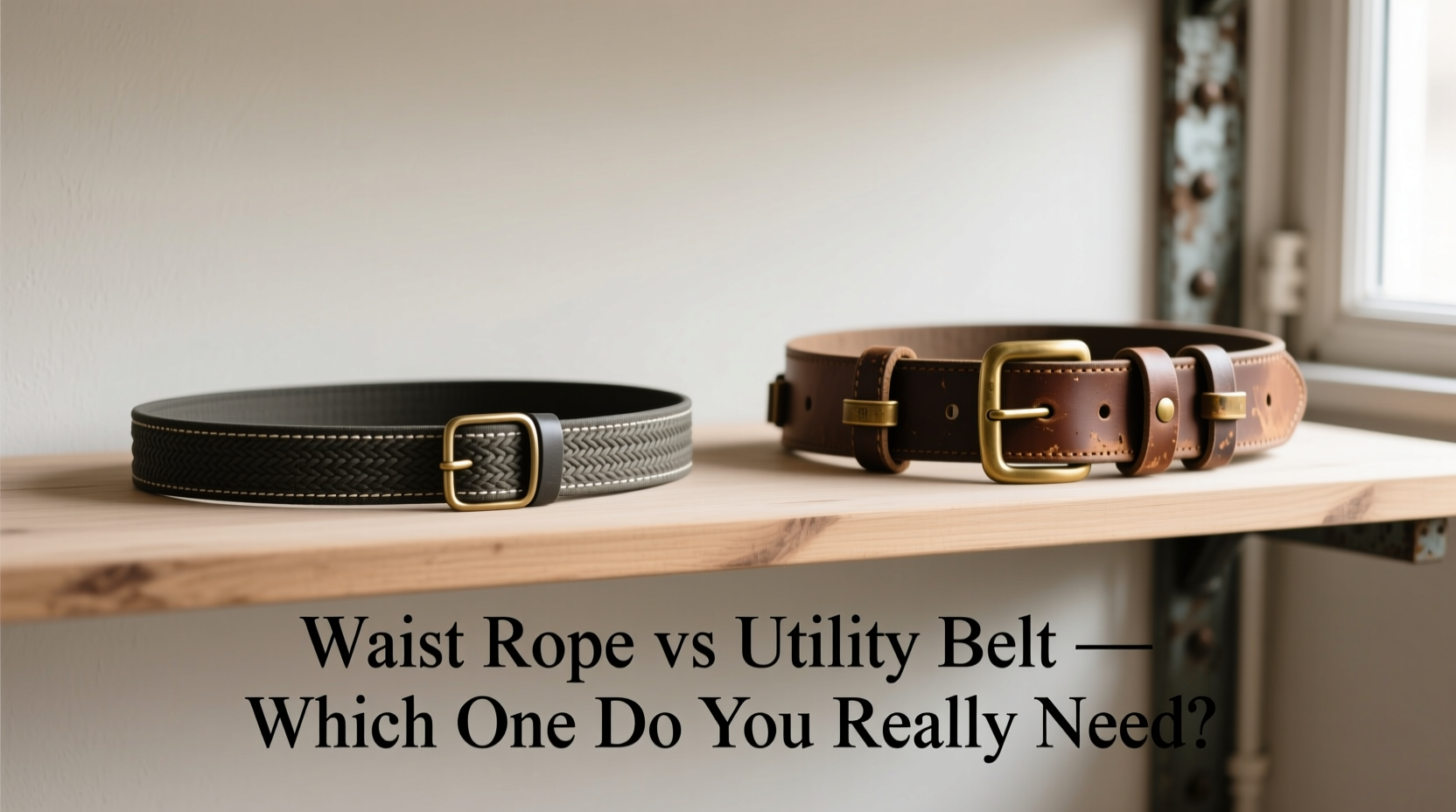
A waist rope is typically a slender band—often made from fabric, cord, leather, or woven materials—that wraps around the hips or just above the waist. It's designed primarily for visual enhancement rather than carrying capacity. Popularized by fashion-forward designers and streetwear influencers, waist ropes add movement, definition, and a touch of drama to loose silhouettes.
They work especially well with oversized garments like flowy shirts, wide-leg pants, or long coats, helping break up volume without adding bulk. Because they’re lightweight and often decorative, waist ropes are ideal for those who value subtle detailing over practical load-bearing features.
Fashion historian Lena Moreau observes:
“The resurgence of the waist rope reflects a return to artisanal details in menswear and womenswear alike. It’s not about holding things—it’s about shaping space.” — Lena Moreau, Fashion Anthropologist
The Utility Belt: Function Meets Modern Edge
In contrast, the utility belt is built for purpose. Originally derived from tactical and outdoor gear, today’s utility belts have been reimagined by brands like Balenciaga, Prada, and A-Cold-Wall* into high-fashion statements. These belts feature multiple compartments, durable zippers, and reinforced straps capable of holding phones, wallets, keys, or even small tools.
Urban commuters, festival-goers, and minimalist travelers find utility belts invaluable for keeping essentials secure while maintaining hands-free mobility. Unlike traditional belts, they often sit lower on the hips and use adjustable nylon or polyester webbing, ensuring comfort during extended wear.
Modern iterations blend ruggedness with sleek design—think matte black finishes, modular attachments, and reflective trims. For individuals who prioritize preparedness and efficiency, the utility belt isn’t just a trend; it’s a lifestyle upgrade.
Real-World Use Case: City Commuter, New York
Take Mark, a freelance photographer living in Brooklyn. His daily routine involves hopping between subway lines, shooting in parks, and editing on the go. He used to carry a crossbody bag but found it cumbersome and vulnerable to pickpockets. After switching to a slim utility belt with a zippered pouch, he reports greater freedom of movement and peace of mind. “I keep my phone, metro card, lens cloth, and emergency cash all within reach,” he says. “It’s lighter than any sling, and I don’t feel like a tourist.”
Comparative Breakdown: Waist Rope vs Utility Belt
| Feature | Waist Rope | Utility Belt |
|---|---|---|
| Primary Purpose | Styling, silhouette definition | Carrying essentials, organization |
| Material | Silk, cotton, leather, rope | Nylon, polyester, synthetic webbing |
| Storage Capacity | None | Low to moderate (1–3 items) |
| Best For | Casual outings, layered outfits, fashion events | Travel, urban commuting, active lifestyles |
| Maintenance | Hand wash or dry clean; store flat | Wipe clean; avoid moisture buildup in pockets |
| Versatility | High in fashion contexts | High in functional settings |
How to Choose Based on Your Lifestyle
Selecting between a waist rope and a utility belt shouldn't be based solely on trends—it should reflect your day-to-day reality. Consider this step-by-step evaluation:
- Assess Your Daily Load: Do you regularly carry more than keys and a phone? If yes, lean toward a utility belt.
- Evaluate Your Wardrobe: Do you wear oversized, unstructured clothing? A waist rope enhances such styles beautifully.
- Consider Comfort Needs: Will you be walking or standing for hours? A padded utility belt distributes weight better than a thin rope.
- Define Your Style Identity: Are you drawn to avant-garde fashion or utilitarian minimalism? Each accessory signals a different sartorial language.
- Test for Practicality: Try wearing each type for a full day. Note discomfort, slippage, or inconvenience.
Checklist: What to Look for Before Buying
- ✔ Adjustable sizing for a secure fit
- ✔ Durable fasteners (metal buckles, secure knots, or Velcro)
- ✔ Breathable, non-chafing material against skin
- ✔ Color or texture that complements at least three existing outfits
- ✔ Easy maintenance (machine washable or wipe-clean)
- ✔ Weight distribution (especially important for utility belts with cargo)
When You Might Need Both
Contrary to an either/or mindset, some wardrobes benefit from owning both. Think of them as specialized tools: the waist rope for styling, the utility belt for doing. For instance, a designer might wear a braided waist rope to a gallery opening, then switch to a compact utility belt when heading to a client site with samples and tools.
Luxury streetwear brand Rhude exemplifies this duality—many of their runway looks feature ornamental waist cords layered over functional hip bags or modular belts. This hybrid approach acknowledges that modern dressing isn’t about sacrificing form for function—or vice versa.
Frequently Asked Questions
Can a utility belt be stylish?
Absolutely. Contemporary designs integrate clean lines, neutral palettes, and premium materials that elevate them beyond tactical origins. Paired with tailored trousers or minimalist athleisure, a sleek utility belt becomes a statement of intentional design.
Is a waist rope suitable for men?
Yes. Gender norms in fashion have evolved significantly. Men can confidently wear waist ropes—especially in fashion-forward or creative industries. Opt for subdued tones like charcoal, navy, or earth brown to ease into the trend.
Do utility belts work under clothing?
Some low-profile models are designed to be worn discreetly under jackets or over shirts. Look for slim-profile versions with soft linings if you prefer concealed carry without bulk.
Final Verdict: Which One Do You Really Need?
If your priority is enhancing your aesthetic—adding flair, defining shape, or experimenting with proportions—the waist rope is your ally. It’s a quiet detail that speaks volumes in fashion circles.
But if you're someone who values readiness, efficiency, and reducing reliance on bulky bags, the utility belt offers tangible benefits. It’s not just a fashion item; it’s a tool that adapts to dynamic routines.
Ultimately, the piece you *really* need is the one that solves a problem or expresses a truth about how you live. In many cases, that means starting with the utility belt for everyday usefulness, then adding a waist rope for moments when style takes center stage.




 浙公网安备
33010002000092号
浙公网安备
33010002000092号 浙B2-20120091-4
Comments
No comments yet. Why don't you start the discussion?