
Waking abruptly in the early hours—often around 3 a.m.—is a surprisingly common sleep disruption. Many people experience this phenomenon regularly, lying awake while the world sleeps, their minds suddenly alert despite physical fatigue. While occasional nighttime awakenings are normal, consistent 3 a.m. wake-ups can erode sleep quality, impact mood, and impair daytime function. Understanding the root causes—from biological rhythms to lifestyle habits—is the first step toward restoring restful, uninterrupted sleep.
The Science Behind Waking at 3 a.m.
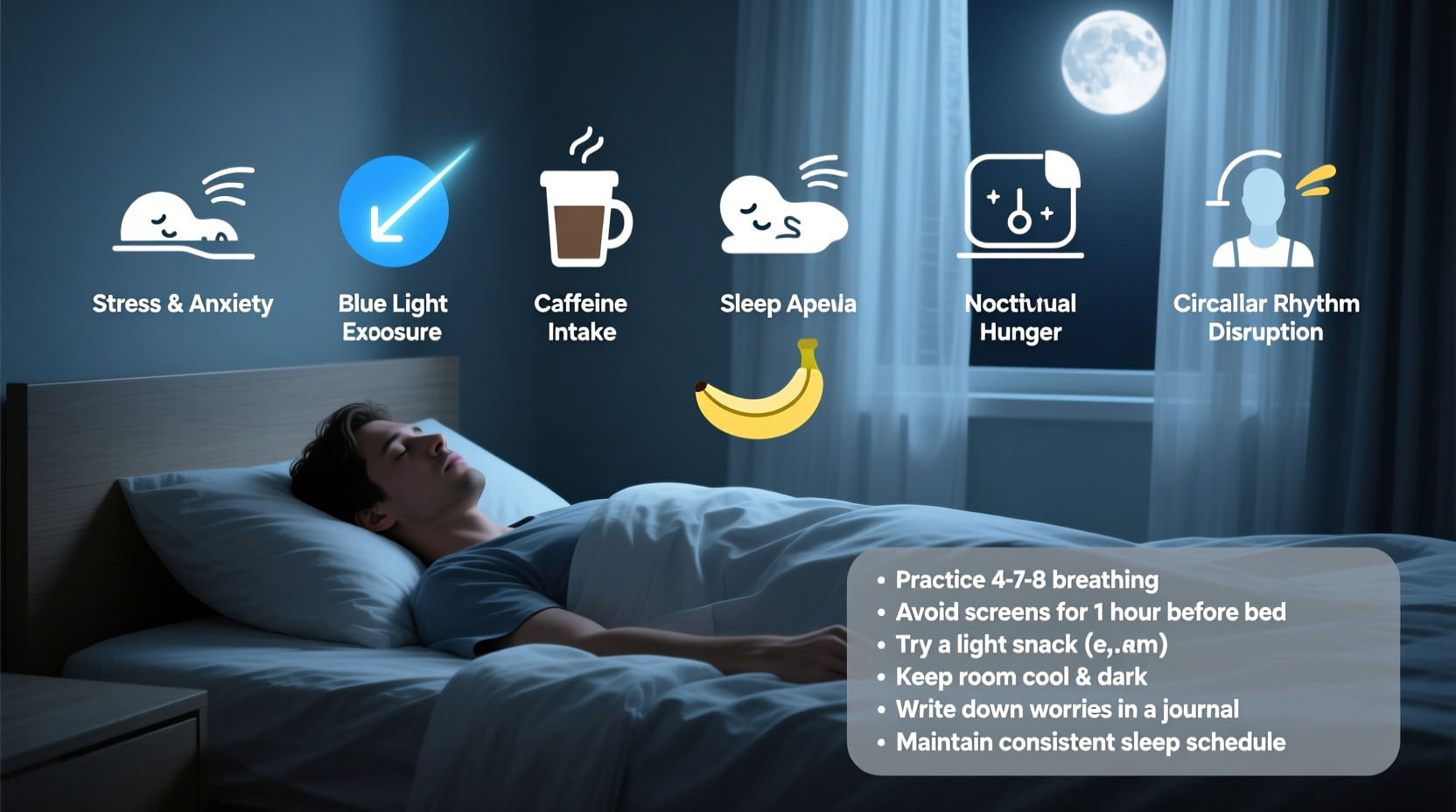
The human sleep cycle is structured in approximately 90-minute stages, including light sleep, deep sleep, and REM (rapid eye movement) sleep. By 3 a.m., most adults are entering their final REM cycles, which are longer and more vivid than earlier ones. This stage is naturally lighter and more prone to arousal. If your environment or internal state is slightly off, you’re more likely to wake up and struggle to fall back asleep.
Additionally, circadian biology plays a role. Cortisol, a hormone involved in wakefulness, begins rising around 3–4 a.m. as part of the body’s preparation for morning. In some individuals, especially those under chronic stress, this cortisol surge may occur prematurely or too intensely, triggering full awakening.
“Sleep fragmentation at 3 a.m. often reflects an imbalance in circadian timing or stress response systems.” — Dr. Lena Torres, Sleep Neurologist, Stanford Center for Sleep Sciences
Common Causes of 3 a.m. Wake-Ups
Multiple factors—ranging from physiological to psychological—can disrupt sleep at this vulnerable hour. Identifying the most likely culprit is essential for effective intervention.
1. Stress and Anxiety
Mental overactivity is one of the top reasons people wake and can’t return to sleep. The quiet of the night removes distractions, allowing worries about work, relationships, or finances to surface. Elevated cortisol and adrenaline levels due to chronic stress can also prime the nervous system for hyperarousal during vulnerable sleep phases.
2. Blood Sugar Fluctuations
Going to bed with low blood sugar—common if dinner was early or lacked sufficient protein and healthy fats—can trigger a hormonal cascade by 3 a.m. The body releases glucagon, adrenaline, and cortisol to raise glucose levels, inadvertently causing wakefulness. This is especially common in people with insulin resistance or irregular eating patterns.
3. Hormonal Shifts
Women may be more susceptible to middle-of-the-night awakenings due to hormonal fluctuations related to menstruation, perimenopause, or menopause. Decreasing progesterone and estrogen levels reduce sleep stability and can increase nocturnal awakenings.
4. Poor Sleep Hygiene
Exposure to blue light from screens before bed suppresses melatonin, delaying sleep onset and weakening sleep architecture. Similarly, inconsistent bedtimes, caffeine after noon, or alcohol consumption in the evening can fragment sleep later in the night.
5. Underlying Health Conditions
Sleep apnea, gastroesophageal reflux disease (GERD), chronic pain, or thyroid imbalances may not prevent initial sleep but can cause disruptions in the second half of the night. For example, lying flat can worsen acid reflux around 3 a.m., prompting wakefulness.
What You Can Do: A Step-by-Step Guide to Staying Asleep
Addressing 3 a.m. awakenings requires both immediate strategies and long-term habit adjustments. Follow this timeline-based approach to improve sleep continuity.
- Evening (6–8 p.m.): Eat a balanced dinner – Include complex carbohydrates, lean protein, and healthy fats. Examples: grilled salmon with sweet potato and broccoli, or quinoa with chickpeas and avocado.
- 90 minutes before bed: Wind down routine – Discontinue screen use. Engage in calming activities: reading (physical book), gentle stretching, or meditation.
- 1 hour before bed: Consider a small snack if needed – Especially if prone to blood sugar dips. Try almond butter on apple slices or a small bowl of oats with cinnamon.
- At bedtime: Optimize your environment – Set room temperature between 60–67°F (15–19°C), use blackout curtains, and wear earplugs or a sleep mask if necessary.
- If you wake at 3 a.m.: Stay calm and avoid checking the time – Turn your clock away. Practice diaphragmatic breathing: inhale for 4 seconds, hold for 4, exhale for 6. Repeat for 5–10 minutes.
- If still awake after 20 minutes: Get out of bed – Move to another dimly lit room. Read a physical book (no thrillers) until drowsy. Avoid screens.
- Morning: Expose yourself to natural light within 30 minutes of waking – This reinforces circadian rhythm and helps regulate nighttime melatonin release.
Do’s and Don’ts: Quick Reference Table
| Do | Don’t |
|---|---|
| Eat a protein-rich snack before bed if blood sugar is an issue | Eat heavy, spicy, or sugary foods within 3 hours of bedtime |
| Practice mindfulness or gratitude journaling at night | Check your phone or watch the clock when awake |
| Keep a consistent sleep schedule—even on weekends | Use alcohol to fall asleep (it disrupts second-half sleep) |
| Use white noise or pink noise to mask disturbances | Force yourself to fall asleep—it increases anxiety |
| See a doctor if awakenings persist beyond 3 weeks | Ignore symptoms like snoring, gasping, or heartburn |
Real-Life Example: Maria’s Experience
Maria, a 42-year-old project manager, began waking every night at 3 a.m., her mind racing with deadlines and family concerns. Initially, she assumed it was stress-related, but even after cutting back on work hours, the pattern continued. She started tracking her habits and noticed she often skipped dinner due to late meetings and drank wine to relax. After consulting a sleep coach, she adjusted her routine: eating a proper meal by 7:30 p.m., replacing wine with chamomile tea, and doing 10 minutes of guided meditation before bed. Within two weeks, her nighttime awakenings dropped from nightly to once or twice a week. “I realized my body wasn’t getting the fuel or calm it needed to stay asleep,” she said.
Tips for Immediate Relief When You’re Awake
- Breathe deeply using the 4-4-6 method (inhale 4 sec, hold 4 sec, exhale 6 sec).
- Repeat a calming word or phrase silently, such as “peace” or “let go.”
- Visualize a safe, relaxing place—a beach, forest, or cozy room.
- Avoid bright lights or screens; use a red-tinted nightlight if needed.
- Keep a notepad nearby to jot down urgent thoughts, then release them.
When to Seek Medical Help
Occasional 3 a.m. wake-ups are normal. However, if they occur more than three times a week for over a month and affect daytime energy, concentration, or mood, it may indicate insomnia or another sleep disorder. See a healthcare provider if you also experience:
- Loud snoring or gasping during sleep (possible sleep apnea)
- Chest discomfort or regurgitation at night (GERD)
- Persistent fatigue despite adequate time in bed
- Night sweats or frequent urination
A sleep study or hormone panel may be recommended to rule out underlying conditions.
Frequently Asked Questions
Is waking up at 3 a.m. a sign of depression?
It can be. Early morning awakening—waking significantly earlier than intended and unable to return to sleep—is a recognized symptom of depression. However, it’s not diagnostic on its own. If accompanied by low mood, loss of interest, or fatigue, consult a mental health professional.
Why do I always wake at exactly 3 a.m.?
Your body’s internal clock (circadian rhythm) regulates hormone release and sleep cycles with remarkable precision. Waking at the same time nightly suggests your sleep architecture is consistently disrupted at the transition between REM cycles, often due to environmental cues, biological rhythms, or subconscious routines.
Can diet really affect my sleep at 3 a.m.?
Yes. Skipping meals, consuming high-sugar foods late in the day, or drinking alcohol can all destabilize blood sugar and liver function overnight, prompting adrenal activation and wakefulness. Balanced nutrition supports stable sleep.
Take Control of Your Sleep Tonight
Waking at 3 a.m. doesn’t have to become a permanent habit. With mindful adjustments to diet, routine, and mindset, most people can restore deeper, more resilient sleep. Start tonight: prepare a nourishing dinner, power down electronics early, and create a bedroom sanctuary. Track your progress for two weeks. Small changes compound into lasting results. If self-care isn’t enough, don’t hesitate to seek expert guidance—quality sleep is foundational to health, focus, and emotional balance.




 浙公网安备
33010002000092号
浙公网安备
33010002000092号 浙B2-20120091-4
Comments
No comments yet. Why don't you start the discussion?