
Waking up gasping for air, heart racing, drenched in sweat—yet no external threat exists. If this sounds familiar, you may be experiencing nocturnal panic attacks. Unlike nightmares or sleep apnea, these episodes occur during non-REM sleep and are rooted in the nervous system’s sudden surge of adrenaline. While not life-threatening, they can severely disrupt sleep quality, increase anxiety, and affect daytime functioning. Understanding why these attacks happen—and how to manage them—is essential for reclaiming peaceful nights.
What Happens During a Nocturnal Panic Attack?
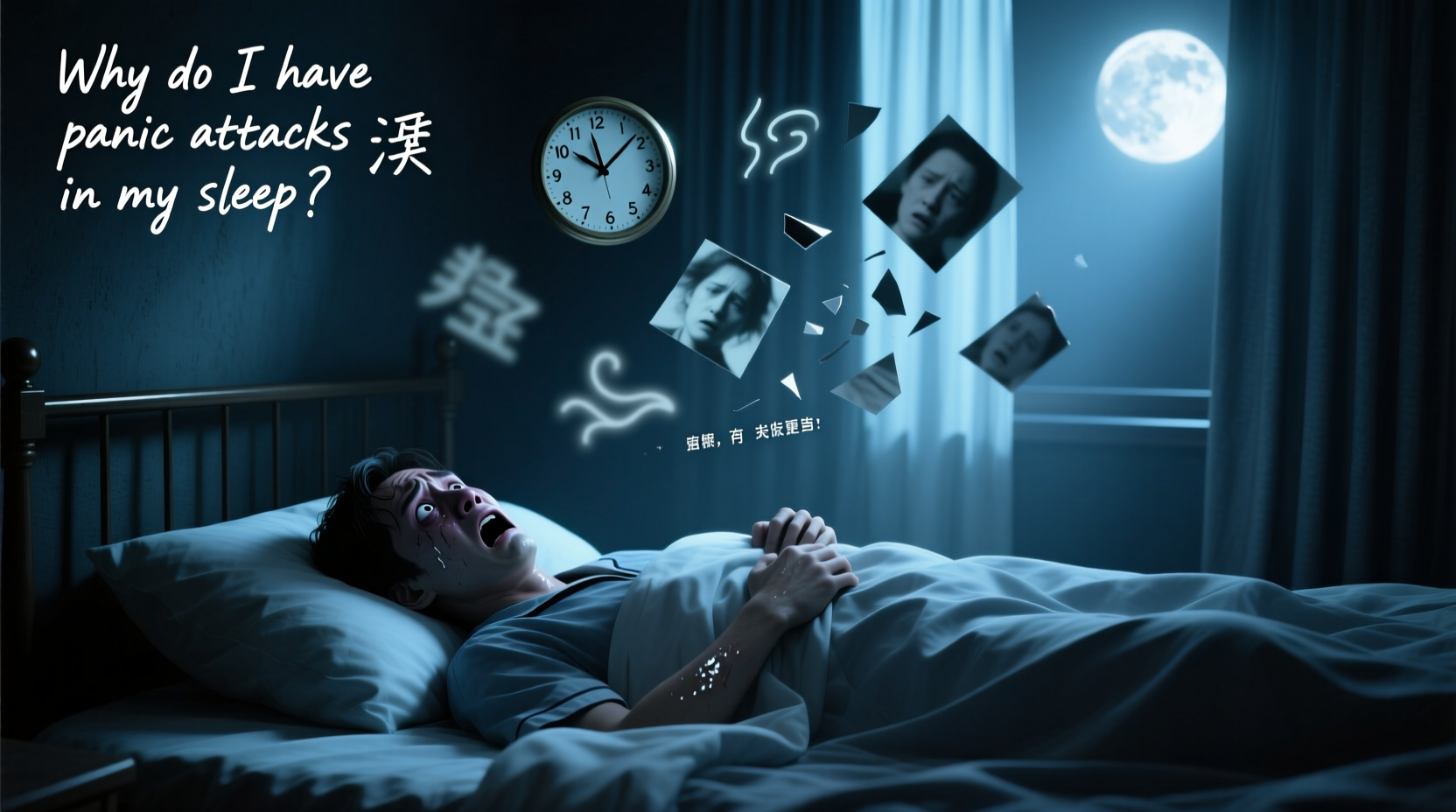
Nocturnal panic attacks strike without warning while you're asleep, typically in the first few hours after falling asleep. They share the same physical and emotional symptoms as daytime panic attacks: rapid heartbeat, shortness of breath, trembling, chest pain, sweating, and an overwhelming sense of doom. However, because they occur during sleep, people often wake up disoriented, unsure if they were dreaming or experiencing a real physiological event.
Unlike nightmares, which usually occur during REM sleep and leave vivid dream memories, nocturnal panic attacks happen during deeper stages of non-REM sleep. You may not recall any dream content—just the intense physical sensations that jolt you awake.
How Is It Different from Night Terrors or Sleep Apnea?
It's common to confuse nocturnal panic with other sleep disturbances. Here’s how they differ:
| Condition | Sleep Stage | Memory Upon Waking | Physical Symptoms |
|---|---|---|---|
| Nocturnal Panic Attacks | Non-REM (early sleep) | Clear memory of panic | Racing heart, sweating, hyperventilation |
| Night Terrors | Deep Non-REM (first half of night) | Little to no memory | Screaming, thrashing, confusion |
| Sleep Apnea | All stages | Fatigue, dry mouth | Gasping, snoring, choking sensation |
Misdiagnosis is common. Many people report being told they’re “just stressed” or having bad dreams, delaying proper treatment. Accurate identification is key to effective management.
Biological and Psychological Triggers
Nocturnal panic attacks don’t arise from nothing. Research suggests a complex interplay between brain chemistry, sleep architecture, and psychological stressors.
The amygdala—the brain’s fear center—can become hyperactive in individuals prone to anxiety. During sleep, subtle shifts in carbon dioxide levels, body temperature, or muscle relaxation can trigger a false alarm, activating the fight-or-flight response. This is especially likely in those with generalized anxiety disorder (GAD), PTSD, or a history of trauma.
“Panic attacks during sleep are not about dreams—they’re about dysregulation in the autonomic nervous system. The brain misinterprets normal bodily changes as threats.” — Dr. Lena Torres, Clinical Psychologist & Sleep Specialist
Other contributing factors include:
- Chronic stress: Prolonged activation of the stress response lowers the threshold for panic.
- Caffeine and stimulants: Even afternoon consumption can disrupt sleep cycles and increase nighttime arousal.
- Irregular sleep schedules: Shift work or inconsistent bedtimes destabilize circadian rhythms.
- Medications: Some antidepressants, decongestants, or steroids may provoke nocturnal anxiety.
Real-Life Example: Sarah’s Experience
Sarah, a 34-year-old teacher, began waking up two to three times a week gasping for air, convinced she was having a heart attack. She had no history of cardiac issues, but her primary care doctor suggested anxiety. After a sleep study ruled out apnea, she started tracking her habits. She realized she drank tea late in the evening, worked on her laptop in bed, and often fell asleep worrying about lesson plans.
With guidance from a therapist, Sarah reduced caffeine after noon, established a wind-down routine, and practiced diaphragmatic breathing before bed. Within six weeks, her nocturnal panic episodes decreased from three times a week to once a month. Her case highlights how behavioral adjustments can significantly reduce symptoms—even without medication.
Step-by-Step Guide to Reducing Nocturnal Panic
Managing sleep-time panic requires consistency and a multi-pronged approach. Follow this timeline to build resilience over time:
- Week 1–2: Track and Observe
Create a sleep log noting bedtime, wake-ups, symptoms, diet, and mood. Identify patterns such as caffeine intake or stressful days preceding attacks. - Week 3–4: Optimize Sleep Hygiene
Go to bed and wake up at the same time daily. Remove screens from the bedroom. Avoid heavy meals, alcohol, and stimulating activities within three hours of bedtime. - Week 5–6: Introduce Calming Techniques
Practice progressive muscle relaxation or box breathing (inhale 4 sec, hold 4 sec, exhale 4 sec, pause 4 sec) for 10 minutes before sleep. - Week 7–8: Address Underlying Anxiety
Consider cognitive behavioral therapy (CBT), particularly CBT for insomnia (CBT-I) or panic disorder. A therapist can help reframe catastrophic thoughts like “I’m dying” when symptoms arise. - Ongoing: Maintain and Adjust
Continue healthy routines. Reassess every few months. If attacks persist, consult a sleep specialist or psychiatrist for further evaluation.
Checklist: Immediate Actions to Take Tonight
- Remove electronic devices from the bedroom or enable night mode by 8 PM.
- Avoid caffeine after 2 PM, including coffee, tea, soda, and chocolate.
- Write down worries in a journal before bed to clear your mind.
- Try a 5-minute guided breathing exercise (use audio only, eyes closed).
- Ensure your bedroom is cool, dark, and quiet—ideal for deep sleep.
Frequently Asked Questions
Can children have nocturnal panic attacks?
Yes, though they are less common. Children may express panic through physical complaints like stomachaches or refusal to sleep alone. If frequent, consult a pediatric psychologist to rule out anxiety disorders.
Are nocturnal panic attacks dangerous?
They are not physically harmful, but repeated episodes can lead to sleep avoidance, chronic fatigue, and increased daytime anxiety. Long-term, this raises the risk of developing depression or agoraphobia.
Should I see a doctor for this?
Yes. A healthcare provider can rule out medical conditions like arrhythmias or epilepsy. If panic attacks occur more than once a week or interfere with daily life, professional intervention is recommended.
Conclusion: Regaining Control Over Your Nights
Waking up in panic doesn’t mean you’re broken—it means your nervous system is signaling imbalance. With awareness, targeted strategies, and sometimes professional support, these episodes can be reduced or eliminated. The goal isn’t just fewer attacks, but greater confidence in your ability to cope when they occur. Sleep should be a refuge, not a source of fear. By addressing both the biological and emotional roots of nocturnal panic, you take powerful steps toward calmer nights and a more resilient mind.




 浙公网安备
33010002000092号
浙公网安备
33010002000092号 浙B2-20120091-4
Comments
No comments yet. Why don't you start the discussion?