
Choosing a wallet isn’t just about style—it’s a daily decision that impacts comfort, efficiency, and even posture. As minimalist wallets grow in popularity, many are ditching traditional bifold designs for sleek, slim alternatives. But what about those who still carry coins regularly? The debate between a wallet with a coin purse and a minimalist wallet isn’t just aesthetic; it’s functional, ergonomic, and deeply personal. For some, the ability to keep change organized is essential. For others, every millimeter of added thickness is a dealbreaker. So, is the extra bulk of a coin purse truly worth it?
The Evolution of Wallet Design
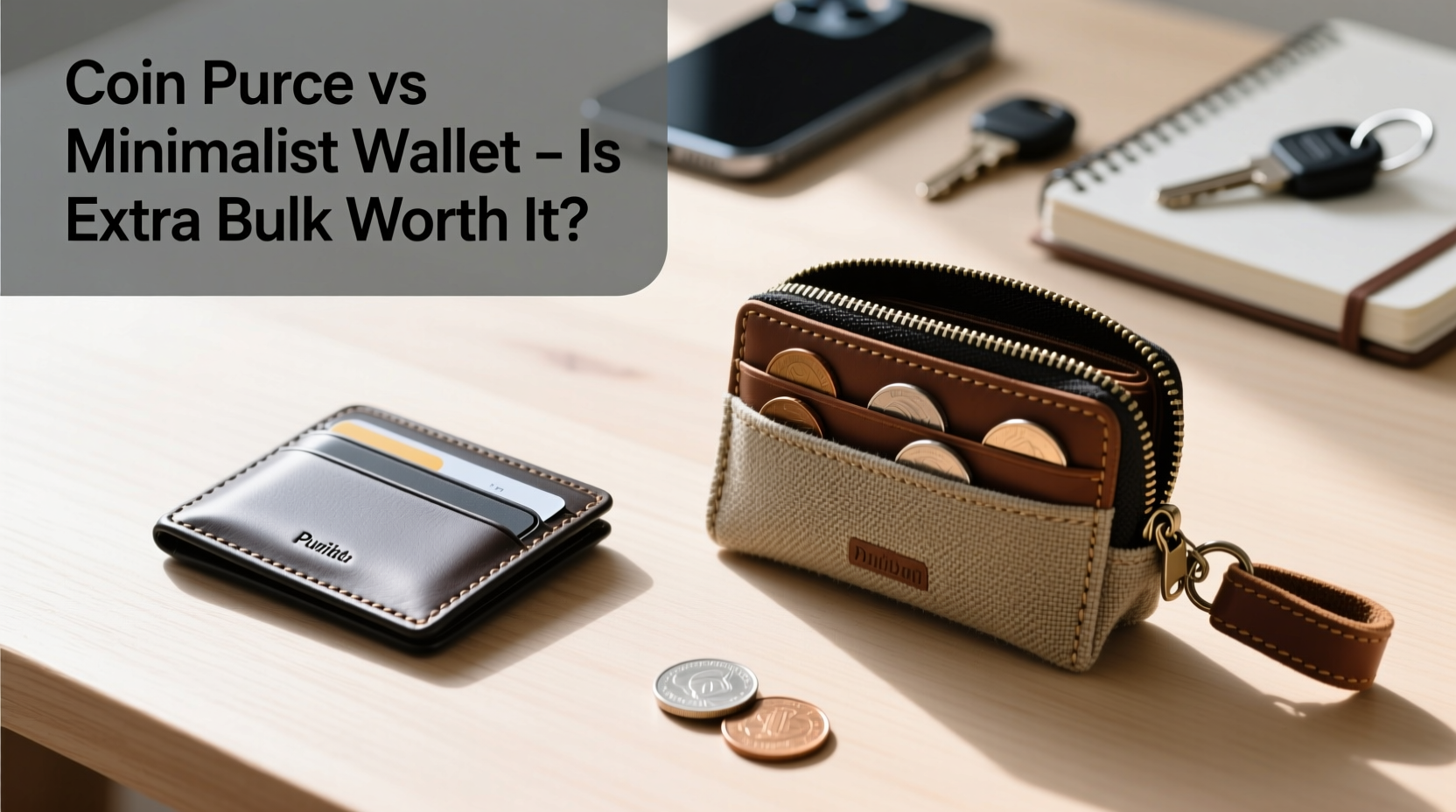
Wallets have evolved from simple leather pouches to highly engineered accessories tailored to modern lifestyles. Traditional wallets often include multiple card slots, bill compartments, and—critically—a zippered or snap-button coin purse. These were designed for an era when cash transactions dominated and carrying loose change was unavoidable.
In contrast, minimalist wallets emerged in response to digital payments, contactless cards, and a cultural shift toward simplicity. Brands like Ridge, Secrid, and Bellroy introduced ultra-slim models made from metal, carbon fiber, or recycled materials, emphasizing portability over storage capacity. These designs prioritize reducing pocket bulge and improving comfort, especially when sitting for long periods.
Yet despite the rise of mobile payments, physical coins remain relevant in many parts of the world—and even in cash-light societies, they’re used for parking meters, vending machines, laundry, and donations. This lingering utility keeps the coin purse in contention.
Functional Comparison: Coin Purse Wallet vs Minimalist Wallet
The core difference lies in functionality versus form. A wallet with a coin purse offers comprehensive utility but sacrifices slimness. Minimalist wallets excel in comfort and discretion but often lack dedicated space for coins—or any space at all.
| Feature | Coin Purse Wallet | Minimalist Wallet |
|---|---|---|
| Bulk & Thickness | Moderate to high (especially when full) | Low (typically under 1 cm) |
| Coin Storage | Yes, secure and accessible | Rarely; if present, limited capacity |
| Card Capacity | High (6–12+ cards) | Low to moderate (3–6 cards) |
| Bulk When Sitting | Potentially uncomfortable over time | Minimal pressure on thighs or back |
| Durability | Varies by material; zippers may wear | Often built with aerospace-grade materials |
| Lifestyle Fit | Best for cash-heavy users or parents | Ideal for urban professionals and tech adopters |
When the Extra Bulk Makes Sense
There are specific scenarios where the added volume of a coin purse isn’t just acceptable—it’s necessary. Parents, for example, frequently need coins for arcades, stroller rentals, or school events. Travelers visiting countries where small denominations are commonly used (like Japan or Germany) benefit from having change readily available. Street vendors, delivery drivers, and service workers also rely on quick access to coins.
A real-world case illustrates this well: Sarah, a preschool teacher in Chicago, uses her coin purse daily. “I keep quarters for the classroom vending machine, dimes for the copy machine, and sometimes give kids a nickel as part of a reward system,” she explains. “If I had to dig through my bag every time, it would waste minutes each day. My bulky wallet stays in my pocket because it saves me time.”
“Functionality should never be sacrificed purely for aesthetics. A wallet must serve the user’s actual habits—not an idealized version of them.” — Marcus Lin, Product Designer at Urban Gear Labs
In such cases, the extra bulk is justified by frequency of use and operational efficiency. Eliminating friction in routine tasks often outweighs minor discomfort.
When Slim Wins: The Case for Going Minimalist
On the other hand, many people overestimate how often they actually need coins. With Apple Pay, Google Wallet, and prepaid cards, even traditionally coin-dependent services now accept digital alternatives. Parking apps, smart laundry systems, and cashless cafes reduce reliance on physical change.
Moreover, carrying a thick wallet can contribute to poor posture and sciatic nerve pressure. Chiropractors often advise patients with lower back pain to remove bulky items from their back pockets. Dr. Elena Torres, a spine specialist in Portland, notes: “We see patients every week whose piriformis syndrome stems from prolonged sitting with a full wallet. Switching to a minimalist design has provided noticeable relief.”
For city dwellers who walk frequently, travel light, or value clean lines in their attire, minimalism offers tangible benefits. The psychological effect of owning less—and moving more freely—is also significant. Less clutter in the pocket often reflects a broader intent to simplify life.
Hybrid Solutions and Smart Alternatives
Not everyone fits neatly into either camp. Fortunately, hybrid options bridge the gap:
- Fold-over minimalist wallets with coin slots: Models like the Zoppi Slim Zip offer a narrow profile with a small internal zipper pouch.
- Detachable coin pouches: Some brands sell modular accessories that clip onto or slide into slim wallets only when needed.
- Front-pocket pouches: Small fabric or silicone coin holders that sit separately but stay in the same pocket.
- Dedicated keychain coin containers: Tiny screw-top or flip-open capsules hold 5–10 coins without adding wallet bulk.
These solutions allow flexibility—carry coins only when necessary, then shed the weight afterward. They reflect a growing trend: context-driven design rather than one-size-fits-all accessories.
Checklist: Choosing the Right Wallet for Your Lifestyle
- Track your cash usage over one week—how often do you use coins?
- Assess your sitting habits—do you drive or work at a desk for hours?
- Count how many cards you carry daily (many people carry far more than they use).
- Consider your environment—urban, suburban, rural? Cash dependency varies.
- Test a minimalist wallet for seven days. Note comfort and convenience trade-offs.
- Evaluate whether digital payment options can replace coin-based transactions.
- Determine if a hybrid model meets both practical and aesthetic needs.
FAQ
Can I carry coins in a minimalist wallet?
Some minimalist wallets include a small coin compartment, but most don’t. Coins can make these wallets thicker and defeat their primary purpose. A better solution is a separate coin holder or relying on digital alternatives.
Do wallets with coin purses damage pants?
Over time, yes. The constant pressure and friction from a bulky wallet can stretch fabric, create permanent creases, and accelerate wear in the back pocket. Front-pocket storage or slimmer designs help preserve clothing longevity.
Are minimalist wallets secure?
Most are designed with tight tolerances to prevent cards from slipping out. However, they typically lack RFID shielding unless specified. Check product details if data protection is a concern.
Conclusion: Balancing Utility and Comfort
The question isn’t whether one wallet type is objectively better—it’s whether the extra bulk serves your real-life needs. For those who regularly handle coins, a wallet with a coin purse remains a practical, time-saving tool. For others, especially digital-first users, the minimalist approach enhances comfort and mobility without meaningful sacrifice.
The best choice aligns not with trends, but with behavior. Audit your actual usage. Experiment with alternatives. And remember: the ideal wallet isn’t the thinnest or fullest—it’s the one that disappears into your day while supporting everything you need to do.




 浙公网安备
33010002000092号
浙公网安备
33010002000092号 浙B2-20120091-4
Comments
No comments yet. Why don't you start the discussion?