
In today’s fast-paced, design-conscious world, the way we set our tables has evolved. Once a non-negotiable element of formal dining, the traditional tablecloth is now being challenged by a new contender: wash-free dining mats. These reusable, easy-clean placemats promise convenience without sacrificing aesthetics. But does this mean tablecloths are becoming obsolete? The answer isn’t so simple. As lifestyles shift toward minimalism, sustainability, and low maintenance, it's worth re-evaluating what belongs on our dining surfaces—and why.
The Rise of Wash-Free Dining Mats
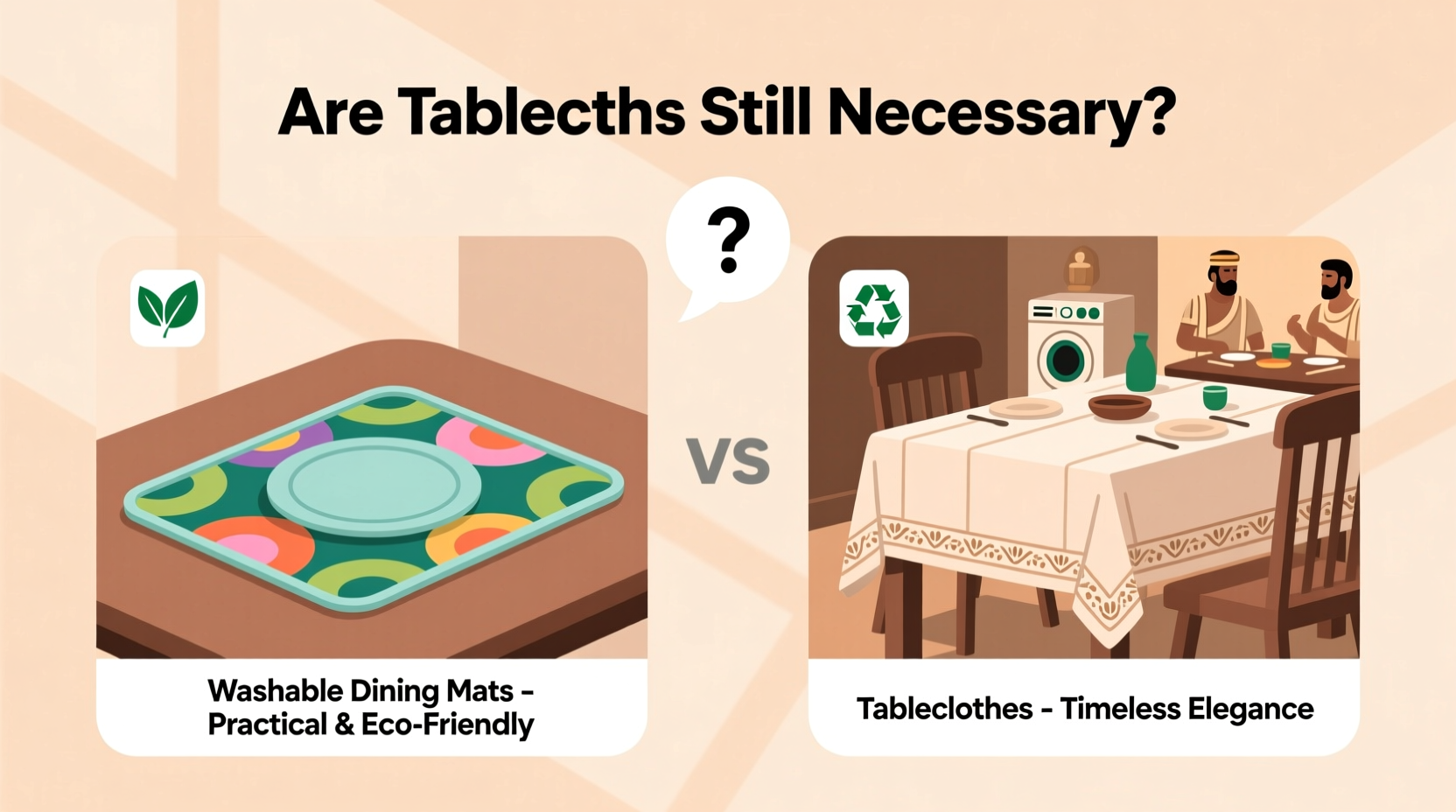
Wash-free dining mats—typically made from silicone, recycled plastics, or waterproof textiles—are designed for quick cleanup. Instead of laundering after every meal, users simply wipe them down with a damp cloth. This innovation appeals to busy households, parents of young children, and anyone tired of hauling linens to the laundry room.
These mats come in a variety of colors, textures, and sizes, often mimicking the look of fabric while offering superior resistance to spills, stains, and heat. Some are even oven-safe or microwave-friendly, expanding their utility beyond just placemats.
Advantages of Wash-Free Mats
- Time-saving: No washing, drying, or ironing required.
- Durable: Resistant to cuts, stains, and fading over time.
- Hypoallergenic: Non-porous materials prevent mold and bacteria buildup when cleaned properly.
- Eco-friendly options: Many brands use recycled or biodegradable materials.
- Versatile: Can be used indoors, outdoors, or even as craft surfaces.
The Enduring Appeal of Tablecloths
Despite growing competition, tablecloths remain a staple in many homes and restaurants. Their soft drape, wide range of fabrics (linen, cotton, polyester blends), and ability to transform a space give them lasting appeal. A well-chosen tablecloth can elevate a casual dinner into an elegant occasion.
Interior designer Laura Simmons notes:
“Tablecloths offer a tactile warmth that plastic or silicone can’t replicate. They absorb light differently, add texture, and contribute to the emotional tone of a gathering.” — Laura Simmons, Interior Stylist & Hospitality Consultant
Moreover, tablecloths provide full coverage, protecting not just individual spots but the entire table surface from scratches, water rings, and sun damage. For large gatherings or holiday meals, they create a cohesive, polished look that individual mats may struggle to match.
When Tablecloths Shine
- Formal dinners and celebrations
- Outdoor events where wind isn’t a major issue
- Photography and styled shoots
- Spaces aiming for a soft, inviting aesthetic
Comparative Analysis: Mats vs. Tablecloths
| Feature | Wash-Free Dining Mats | Traditional Tablecloths |
|---|---|---|
| Cleaning Effort | Wipe clean; no machine wash needed | Requires regular laundering |
| Durability | High (resists stains, tears, heat) | Moderate (prone to staining, fraying) |
| Aesthetic Flexibility | Limited to mat size; modular look | Full coverage; seamless elegance |
| Cost Over Time | Higher upfront, lower long-term cost | Lower initial cost, recurring laundry expenses |
| Environmental Impact | Depends on material; some are recyclable | Natural fibers are biodegradable; washing uses water/energy |
| Kid & Pet Friendliness | Excellent (spill-proof, easy cleanup) | Poor (stains easily, requires immediate attention) |
Real-World Scenario: The Modern Family Kitchen
The Thompson family of four lives in a suburban home with two young children and a dog. Mornings are chaotic, and dinner often involves spilled juice, dropped food, and crayon “art” attempts on furniture. Two years ago, they switched from linen tablecloths to silicone dining mats.
“We used to go through three tablecloths a week,” says Sarah Thompson. “Now we just wipe the mats down after breakfast and dinner. It’s saved us hours of laundry and hundreds in replacement linens.”
They keep one set of tablecloths for holidays and guests, using them only four or five times a year. “It feels special when we bring them out,” she adds. “But day-to-day? The mats are unbeatable.”
This hybrid approach—using mats for daily life and cloths for occasions—is increasingly common among practical yet style-conscious households.
Are Tablecloths Necessary Anymore?
The necessity of tablecloths depends entirely on context. In commercial settings like fine dining restaurants or event halls, they remain essential for creating atmosphere and professionalism. In homes, however, their role is shifting.
For everyday use, especially in high-traffic or messy environments, wash-free mats offer unmatched practicality. They eliminate a recurring household chore and withstand wear that would ruin fabric. However, tablecloths still hold value where ambiance, tradition, or photography matters.
Rather than declaring one obsolete, it’s more accurate to say their roles have diverged. Tablecloths are becoming *intentional* decor—reserved for moments when presentation takes priority. Mats, meanwhile, dominate functional spaces where ease and resilience win.
Step-by-Step: Transitioning to Low-Maintenance Table Settings
- Assess your dining habits: How often do you host? Do kids or pets eat at the table?
- Start with one set of wash-free mats: Try them for a week during real meals.
- Test cleaning methods: Use common spills (sauce, wine, oil) to evaluate wipe-clean performance.
- Retire stained or worn tablecloths: Replace them with mats instead of buying new linens.
- Keep one formal set: Store a nice tablecloth for holidays or guests.
- Evaluate monthly: Track time saved, stress reduced, and overall satisfaction.
FAQ
Can wash-free mats really replace tablecloths completely?
For many households, yes—especially those prioritizing convenience. However, if you frequently entertain formally or value textile warmth, keeping a few tablecloths for special occasions is still worthwhile.
Do silicone mats feel cheap or industrial?
Not all do. Premium brands now offer textured finishes, fabric-like weaves, and earth-toned colors that blend seamlessly into modern decor. Look for matte finishes and organic shapes to avoid a sterile look.
How do I store wash-free mats to prevent warping?
Store them flat or loosely rolled. Avoid folding sharply, which can cause permanent creases. Keep away from direct heat sources like radiators or ovens.
Final Thoughts: Function Meets Intention
The debate between wash-free dining mats and tablecloths isn’t about which is better—it’s about aligning your choices with how you actually live. If your table sees more homework than candlelight dinners, mats are a smart upgrade. If Sunday brunch with extended family calls for elegance and ritual, a crisp white cloth still holds symbolic power.
The future of table dressing isn’t one-size-fits-all. It’s hybrid, intentional, and user-centered. By embracing both technologies—mats for utility, cloths for ceremony—we gain flexibility without sacrificing style.




 浙公网安备
33010002000092号
浙公网安备
33010002000092号 浙B2-20120091-4
Comments
No comments yet. Why don't you start the discussion?