
When your washing machine drain starts backing up, it’s more than just a minor inconvenience—it can lead to water damage, foul odors, and even appliance failure. A backed-up washer drain often signals deeper plumbing issues that, if ignored, worsen over time. Understanding the root causes and knowing how to respond effectively can save you time, money, and stress. This guide breaks down the most common reasons behind washer drain backups and provides actionable solutions to restore proper drainage and prevent recurrence.
Common Causes of Washer Drain Backups
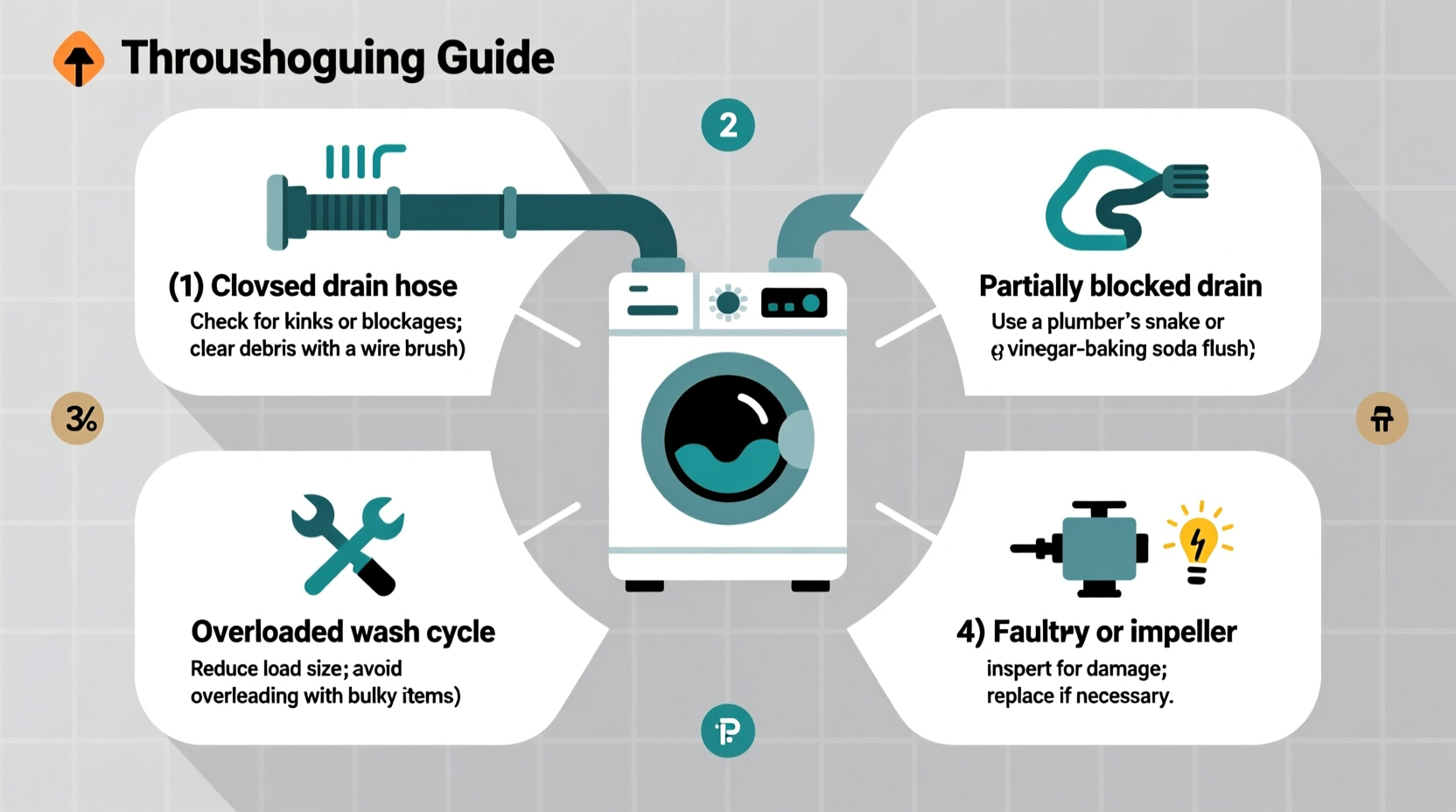
The washing machine produces large volumes of wastewater in short bursts, which places significant demand on your home’s drainage system. When this system can’t keep up, water backs up into the laundry tub, floor, or even other fixtures. Several factors contribute to this issue:
- Clogged drain lines: Over time, lint, soap scum, and debris accumulate inside the drain pipe, restricting water flow.
- Improper standpipe height: A standpipe that’s too short (less than 30 inches) or not properly vented can cause siphoning and backflow.
- Sewer line blockage: Tree roots, grease buildup, or collapsed pipes in the main sewer line can prevent wastewater from exiting your home.
- Overloaded washing machine: Excessive loads increase water volume beyond what the drain can handle quickly.
- Lint trap or pump filter obstruction: Many front-load washers have internal filters that trap lint; when clogged, they slow drainage.
- Shared drain with other fixtures: If the washer shares a drain with a sink or shower, blockages in one can affect the others.
Step-by-Step Troubleshooting Guide
Follow this logical sequence to diagnose and resolve a washer drain backup efficiently:
- Stop using the washer immediately. Continuing to run cycles will only add more water and potentially cause flooding.
- Check for visible clogs. Remove the drain hose from the standpipe and inspect for obstructions like socks or fabric scraps.
- Clean the pump filter (for front-load models). Locate the access panel near the bottom front of the washer. Place towels underneath, open the filter, and remove accumulated lint and debris.
- Inspect the drain hose. Ensure it’s not kinked, crushed, or installed with excessive bends that restrict flow.
- Flush the standpipe. Pour a bucket of hot water down the pipe to test flow. If water backs up, there’s likely a deeper clog.
- Use a plumber’s snake or auger. Insert a hand-crank auger into the standpipe to break up or retrieve clogs within 15–20 feet.
- Test the main sewer line. If multiple fixtures are draining slowly, check the main cleanout or call a plumber for a camera inspection.
Do’s and Don’ts: Washer Drain Maintenance Table
| Do’s | Don’ts |
|---|---|
| Install a lint trap on the drain hose outlet | Use excessive detergent—creates more suds and sludge |
| Ensure standpipe is 30–48 inches high with proper venting | Connect the drain hose below the water level in the standpipe |
| Regularly clean the washer’s pump filter | Flush non-dissolvable items (wipes, tissues) down the drain |
| Run periodic maintenance cycles with cleaning agents | Ignore slow drainage—early signs should be addressed immediately |
| Hire a professional for annual sewer line inspection if prone to backups | Use chemical drain cleaners frequently—they can damage PVC pipes |
Real Example: A Homeowner’s Experience with Recurring Backups
Mark, a homeowner in Portland, noticed his washing machine was leaving standing water after every cycle. Initially, he cleared the pump filter and thought the issue resolved. But within weeks, water began bubbling up in the basement bathroom sink during laundry. He used a drain snake on the standpipe with limited success. Eventually, he called a plumber who performed a camera inspection and discovered tree roots had infiltrated the main sewer line, narrowing the pipe by over 70%. After hydro-jetting the line and repairing a small crack, the backups stopped completely. Mark now schedules annual sewer line checks and uses a high-efficiency lint filter on his washer hose.
“Most washer drain issues stem from neglect or improper setup. A well-maintained system should never back up under normal use.” — Carlos Mendez, Master Plumber with 18 years of residential experience
Preventative Checklist for Long-Term Drain Health
Prevention is far more effective—and less costly—than emergency repairs. Use this checklist monthly or quarterly to maintain optimal drainage:
- ✅ Clean the washer’s pump filter every 1–3 months
- ✅ Inspect the drain hose for kinks, cracks, or compression
- ✅ Flush the standpipe with hot water and mild cleaner
- ✅ Verify standpipe height and secure hose with a zip tie (not sealed airtight)
- ✅ Install a secondary lint trap between the washer and drain
- ✅ Avoid washing items that shed excessive lint (e.g., fluffy blankets, feather pillows)
- ✅ Monitor other household drains—if multiple are slow, suspect a main line issue
- ✅ Schedule a professional sewer line inspection every 2–3 years, especially in older homes
Frequently Asked Questions
Why does my washer drain back up only during the spin cycle?
The spin cycle releases a large volume of water rapidly. If the drain line is partially clogged or undersized, it can’t handle the surge, leading to overflow. This is a strong indicator of restricted flow rather than a complete blockage.
Can I use a drain snake on my washer standpipe?
Yes, but use a smaller hand-crank auger (¼- to ⅜-inch diameter) to avoid damaging the pipe. Avoid power snakes unless operated by a professional, as they can puncture PVC or dislodge joints.
Is it safe to mix vinegar and baking soda in the washer drain?
While the fizzing action may seem effective, it doesn’t provide meaningful cleaning in deep pipes. The reaction occurs mostly at the surface and dissipates quickly. For real results, mechanical cleaning or enzymatic drain treatments work better.
Conclusion: Act Early, Prevent Damage
A washer drain backup is rarely an isolated event—it’s usually a symptom of an underlying plumbing issue that will escalate without intervention. Whether it’s a simple lint clog or a compromised sewer line, timely diagnosis and consistent maintenance are key to avoiding water damage and costly repairs. By understanding the causes, following a structured troubleshooting process, and adopting preventative habits, you can keep your laundry system running smoothly for years.




 浙公网安备
33010002000092号
浙公网安备
33010002000092号 浙B2-20120091-4
Comments
No comments yet. Why don't you start the discussion?