
When a washing machine fails to drain, laundry piles up quickly—and so does frustration. This common household issue can stem from simple blockages to mechanical failures. The good news? Many causes are within reach of a do-it-yourself repair. With basic tools and a methodical approach, you can diagnose and resolve most drainage problems without calling a technician. Understanding the root causes and knowing how to respond can save both time and repair costs.
Common Causes of Poor or No Drainage
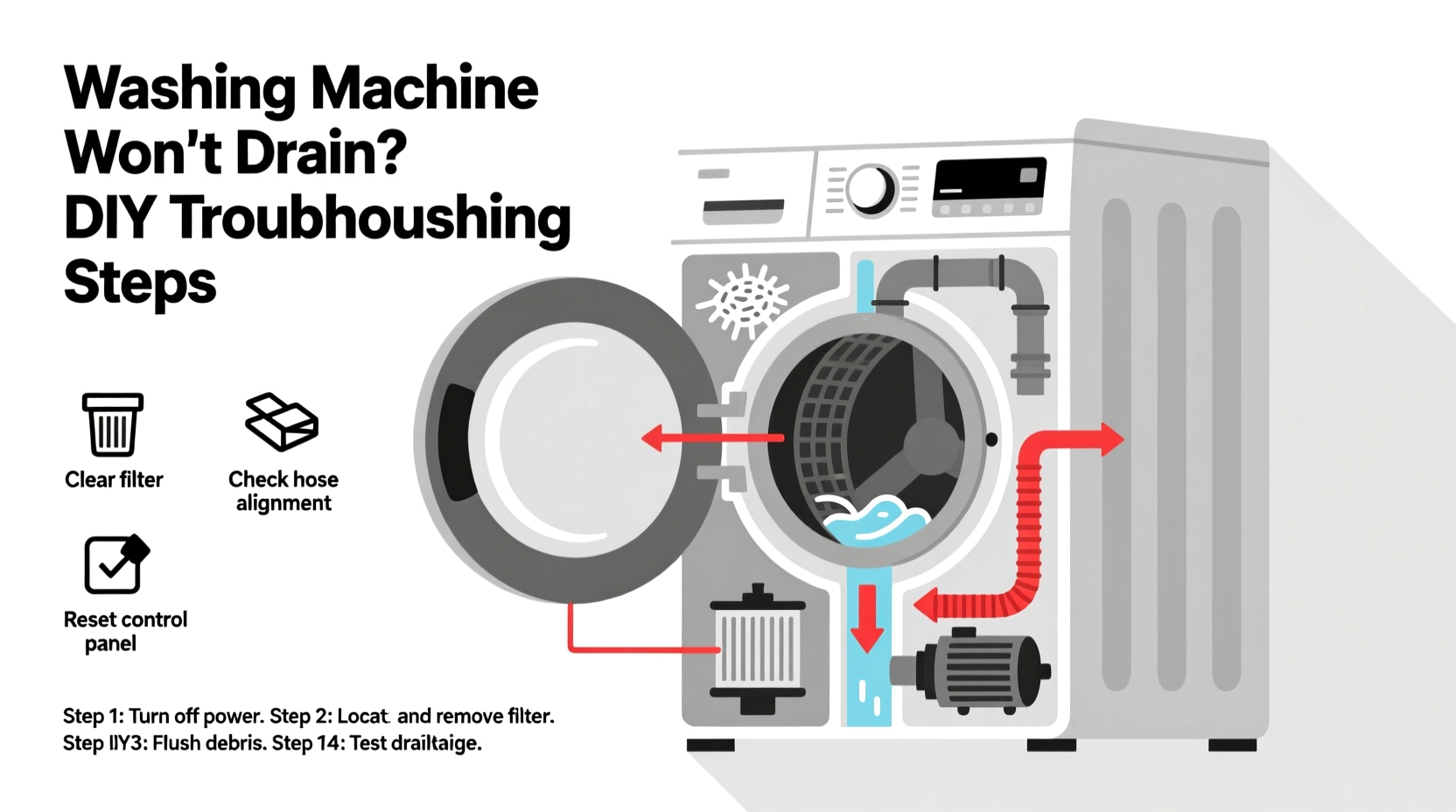
A washing machine that won’t drain typically points to an obstruction, pump failure, or control malfunction. Identifying the likely culprit begins with understanding the system’s components and how they interact during the spin cycle.
- Clogged drain hose or pump filter: Socks, coins, or lint can block water flow.
- Faulty drain pump: The motor may be burned out or seized.
- Kinked or obstructed drain hose: Improper installation can restrict water exit.
- Lid switch malfunction: Safety mechanisms prevent spinning if the lid isn’t properly closed.
- Control board issues: Electronic signals to the pump may fail due to power surges or moisture damage.
- Drain hose too high or improperly installed: Can cause siphoning issues or backflow.
Before diving into repairs, always disconnect the washer from power. For added safety, turn off the water supply and prepare towels—some residual water will spill during inspection.
Step-by-Step DIY Troubleshooting Guide
Follow this logical sequence to isolate and resolve the problem efficiently.
- Check for error codes: Modern machines display fault indicators. Consult your manual for code meanings (e.g., “F02” often indicates a drainage issue).
- Inspect the drain hose: Locate the hose at the back of the unit. Detach it carefully and check for kinks, clogs, or crushing. Run water through it to verify flow.
- Clean the pump filter: Most front-loaders have a service panel near the bottom. Place a shallow pan beneath it, unscrew the filter cap slowly, and remove debris. Clean thoroughly before reattaching.
- Test the drain pump manually: Listen for humming during the drain cycle. Silence suggests a failed pump; a grinding noise may indicate foreign objects.
- Verify the lid switch operation: Open and close the lid repeatedly. If the machine doesn’t respond, the switch may need replacement.
- Examine electrical connections: Check for burnt wires or loose contacts leading to the pump. Use a multimeter to test continuity if you’re experienced with electronics.
Troubleshooting Checklist
Use this checklist to ensure no step is missed during diagnosis:
| Action | Status (✓/✗) | Notes |
|---|---|---|
| Power disconnected | Safety first—unplug before inspection | |
| Drain hose inspected for kinks | Ensure full extension and no bends | |
| Pump filter cleaned | Remove lint, coins, small garments | |
| Drain pump tested for sound | Listen for hum or grinding | |
| Lid switch tested | Confirm machine recognizes closure | |
| Error codes checked | Refer to user manual |
Real-World Example: A Blocked Pump Filter in a Front-Loader
Julie noticed her Samsung front-load washer wasn’t completing cycles. Water remained after the spin phase, and clothes came out soaked. She ran a diagnostic test using the machine’s built-in cycle, which confirmed a drainage fault. Following the manual, she removed the lower front panel and placed a tray underneath. As she unscrewed the pump filter, a rush of murky water flowed out, followed by a tangled hair tie and several coins. After cleaning the chamber and reinstalling the filter, the washer drained perfectly on the next load. The entire fix took less than 20 minutes and cost nothing.
This case illustrates how a simple oversight—a forgotten pocket or improper pre-wash check—can lead to major disruption. Regular maintenance could have prevented the issue entirely.
Expert Insight on Preventive Maintenance
“Over 60% of washing machine service calls I handle involve avoidable clogs. Cleaning the pump filter every three months drastically reduces breakdowns.” — Mark Reynolds, Appliance Repair Technician with 15 years of field experience
Technicians consistently emphasize routine care. Even high-end models suffer when lint, fabric softener residue, and foreign objects accumulate. A few minutes of preventive work extends appliance life and maintains efficiency.
Do’s and Don’ts of Washing Machine Drain Care
| Do’s | Don’ts |
|---|---|
| Check pockets before washing | Ignore standing water after cycles |
| Clean the pump filter quarterly | Force the timer or restart repeatedly |
| Inspect hoses annually | Use excessive detergent or softener |
| Ensure proper hose height (30–96 inches) | Run hot water through plastic hoses under pressure |
| Level the machine to prevent vibration damage | Delay repairs when odd noises occur |
Frequently Asked Questions
Can I use a plunger to unclog my washing machine?
No—plungers are designed for toilets and sinks. Applying one to a washing machine can damage seals or internal components. Instead, detach the drain hose and clear obstructions manually or with a flexible brush.
Why does my washer smell when it won’t drain?
Stagnant water mixed with detergent and organic matter breeds bacteria, causing foul odors. Once the drainage issue is fixed, run an empty cycle with hot water and a cup of white vinegar to sanitize the drum and hoses.
How much does it cost to replace a drain pump?
Replacement pumps range from $30 to $120 depending on the brand and model. Labor from a professional adds $100–$180. If you’re comfortable with basic tools, DIY replacement can save over half the total cost.
Final Steps and When to Call a Pro
If all checks pass but the machine still won’t drain, the issue may lie in the control board or a failed pump requiring disassembly. At this stage, consider your comfort level. Replacing a pump involves removing panels, disconnecting wiring, and handling water pathways—tasks best done with precision. If you lack experience or the problem persists after clearing visible blockages, contact a certified technician.
However, many drainage failures stem from easily accessible parts. By addressing clogs early and maintaining the system, most homeowners can avoid recurring issues. Keep your user manual handy and refer to model-specific guides online for visual support during repairs.
Conclusion: Take Control of Your Laundry Routine
A washing machine that won’t drain doesn’t have to mean a costly repair or days of dirty laundry. With systematic troubleshooting, most blockages and malfunctions can be resolved at home. From checking the hose to cleaning the filter, each step brings you closer to restoring full function. Equip yourself with knowledge, practice regular maintenance, and don’t hesitate to tackle the basics—you might just extend your machine’s life by years.




 浙公网安备
33010002000092号
浙公网安备
33010002000092号 浙B2-20120091-4
Comments
No comments yet. Why don't you start the discussion?