
Maintaining optimal oral health goes beyond brushing twice a day. The spaces between teeth and along the gumline are breeding grounds for plaque if not properly cleaned. For decades, dental professionals have recommended string flossing as a non-negotiable part of daily hygiene. But with the rise of water flossers, many people are questioning whether traditional floss is still necessary—and whether manual scraping tools like plaque scrapers should be part of their routine. This article breaks down the science, compares effectiveness, and clarifies what’s truly essential for preventing gum disease, cavities, and bad breath.
Understanding the Role of Interdental Cleaning
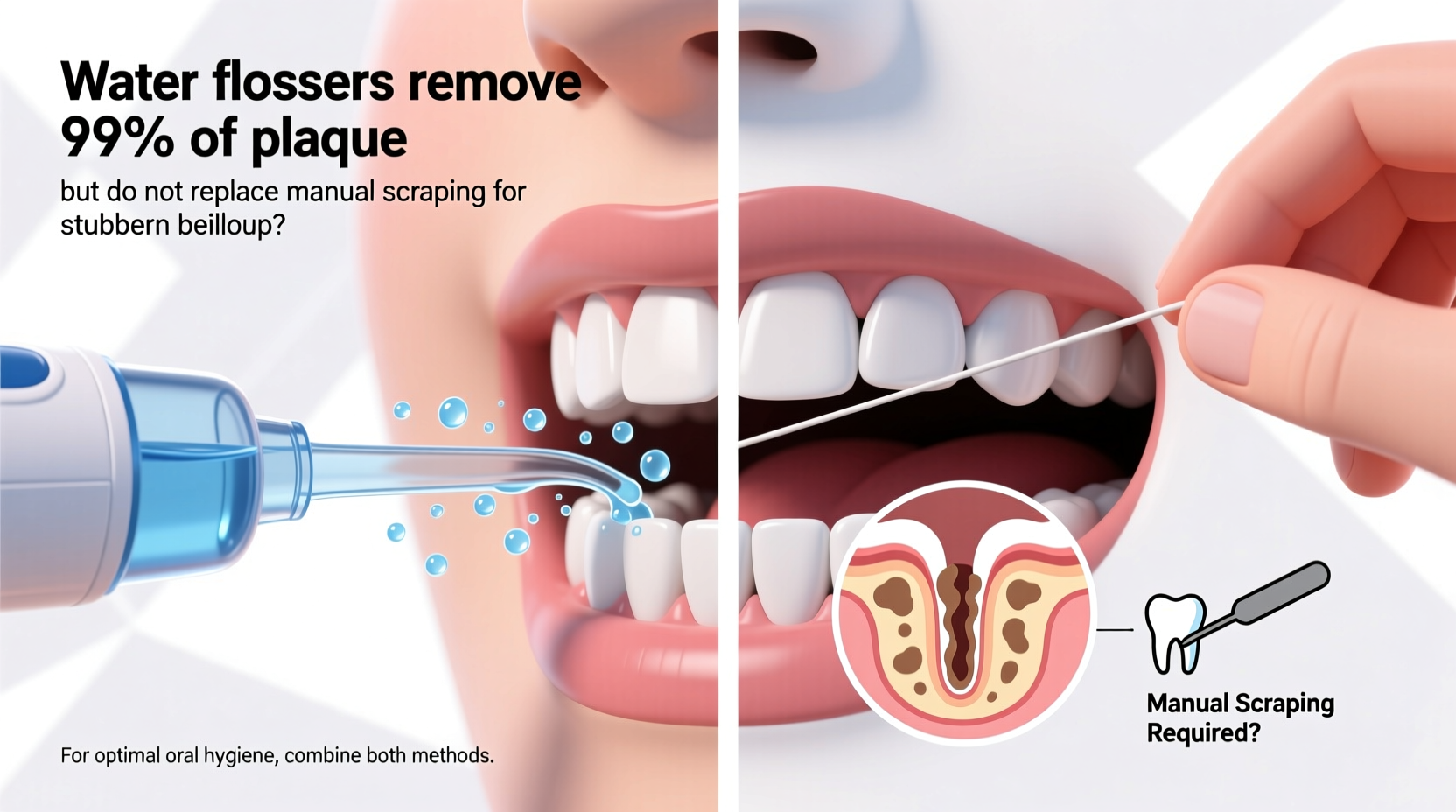
Brushing removes plaque from the visible surfaces of teeth, but it can’t reach the tight spaces between them. These interdental areas account for nearly 40% of tooth surfaces and are common sites for plaque buildup, gingivitis, and interproximal cavities. That’s why interdental cleaning—removing debris and bacteria from between teeth—is critical.
Traditional string floss works by physically sliding a thin thread between teeth to dislodge food particles and disrupt bacterial colonies. Water flossers, on the other hand, use a pulsating stream of water to flush out debris and reduce inflammation in the gums. Both methods aim to achieve the same goal: cleaner teeth and healthier gums.
However, neither replaces the mechanical action of brushing or professional scaling. And while some individuals turn to at-home plaque scrapers hoping for a deeper clean, doing so without proper training can cause more harm than good.
Water Flosser vs String Floss: A Direct Comparison
The debate between water flossers and string floss often comes down to convenience, effectiveness, and user preference. Let’s compare both across key criteria.
| Criteria | String Floss | Water Flosser |
|---|---|---|
| Cleaning Mechanism | Physical contact; wraps around each tooth to remove plaque | Hydrodynamic pressure; uses water pulses to dislodge debris |
| Effectiveness on Plaque | Highly effective when used correctly (removes up to 80% of plaque between teeth) | Slightly less effective on mature plaque, but excellent for flushing out loose debris |
| Gum Health Improvement | Reduces bleeding and inflammation over time | Shown in studies to reduce gingivitis by up to 50% more than string floss alone |
| Ease of Use | Requires dexterity; difficult for braces, bridges, or arthritis sufferers | Easy to maneuver; ideal for orthodontic appliances and limited mobility |
| Time Required | 2–3 minutes with proper technique | 1–2 minutes, depending on settings and coverage |
| Cost Over Time | Low (a box lasts months) | Higher initial cost ($50–$100), minimal refill costs |
Research published in the *Journal of Clinical Periodontology* found that both methods significantly improve gum health compared to no interdental cleaning. However, water flossers demonstrated superior results in reducing gingival bleeding, especially among patients with periodontal pockets or orthodontic hardware.
“Water flossing isn’t just about convenience—it’s a clinically proven method to reduce gum inflammation, particularly for those who struggle with traditional floss.” — Dr. Linda Chen, Board-Certified Periodontist
Do You Still Need to Scrape Your Teeth Manually?
Some consumers use at-home plaque scrapers—small metal tools marketed to remove tartar—believing they offer a “deep clean” between dental visits. This practice is not only unnecessary but potentially dangerous.
Tartar (calculus) is hardened plaque that bonds to tooth enamel and can only be safely removed through professional scaling by a dentist or hygienist. Attempting to scrape it off at home risks cutting the gums, damaging enamel, or pushing bacteria deeper into periodontal pockets, which may lead to infection or recession.
Moreover, plaque becomes mineralized within 24–72 hours. Once hardened, it cannot be removed by brushing, flossing, or scraping at home. Regular dental cleanings every six months are designed precisely to address this buildup.
When Manual Scraping Is Appropriate
The only safe use of scraping tools occurs in clinical settings. Dentists use ultrasonic scalers and curettes under magnification and with precise control to remove calculus without harming soft tissue. Even then, improper technique can cause trauma.
At-home tools lack the precision and safety mechanisms of professional equipment. The American Dental Association (ADA) does not recommend consumer-grade plaque scrapers and warns against their use outside professional supervision.
Step-by-Step Guide to an Effective Daily Routine
Whether you choose string floss or a water flosser, consistency and correct technique matter most. Here’s how to maximize your oral hygiene regimen:
- Brush thoroughly for two minutes using fluoride toothpaste. Angle the brush at 45 degrees toward the gumline to clean where plaque accumulates.
- Choose your interdental method:
- If using string floss, wind 18 inches around middle fingers. Glide gently between teeth using a sawing motion, then curve around each tooth in a C-shape and slide beneath the gumline.
- If using a water flosser, fill the reservoir with warm water, select a comfortable pressure setting (start low), and direct the tip along the gumline, pausing briefly between each tooth.
- Clean all sides of every tooth, including the back molars. Don’t skip areas that feel tight or bleed—they need attention most.
- Rinse with an antibacterial mouthwash (optional but beneficial for reducing overall bacterial load).
- Repeat nightly. Timing matters less than frequency—once per day is sufficient, preferably before bed.
This routine, performed consistently, prevents plaque accumulation, reduces gum inflammation, and supports fresh breath. It also minimizes the need for invasive treatments later.
Real-World Example: Managing Oral Health with Braces
Consider Sarah, a 16-year-old undergoing orthodontic treatment. With brackets and wires covering her teeth, brushing alone left food trapped in multiple spots. She initially tried string floss but found threading it behind wires frustrating and time-consuming. After three months, she developed swollen gums and was diagnosed with mild gingivitis during a checkup.
Her orthodontist recommended switching to a water flosser with an orthodontic tip. Within four weeks of daily use, her gum bleeding decreased significantly. Six weeks later, her next appointment showed improved gum health and no new plaque buildup around brackets.
Sarah didn’t stop brushing or abandon all flossing—she combined the water flosser with interdental brushes for tight spaces. Her case illustrates how adapting tools to individual needs leads to better outcomes than rigid adherence to one method.
Checklist: Choosing the Right Tool for You
Use this checklist to determine which interdental cleaning method best suits your situation:
- ☐ Do you wear braces, implants, or bridges? → Water flosser may be easier.
- ☐ Do you have dexterity issues (e.g., arthritis)? → Water flosser requires less hand coordination.
- ☐ Are you prone to gum bleeding or inflammation? → Water flosser has strong evidence for improving gum health.
- ☐ Do you travel frequently? → String floss is portable and doesn’t require electricity or water setup.
- ☐ Are you on a tight budget? → String floss is far more affordable long-term.
- ☐ Can you commit to proper technique? → String floss is effective only when used correctly.
- ☐ Do you dislike the sensation of flossing? → Many find water flossing more comfortable.
No single tool wins for everyone. The best choice is the one you’ll use consistently and correctly.
Frequently Asked Questions
Can I use both a water flosser and string floss?
Yes—and many dentists recommend combining both. Use string floss to physically disrupt sticky plaque films, then follow with a water flosser to flush out any loosened debris. This dual approach offers comprehensive cleaning, especially for those with gum pockets or complex restorations.
Is a water flosser safe for sensitive gums?
Absolutely. Most models allow you to adjust water pressure, making them suitable even for tender or inflamed gums. Start at the lowest setting and gradually increase as tolerance improves. Studies show that regular use actually reduces gum sensitivity over time by decreasing inflammation.
Why shouldn’t I use a plaque scraper at home?
Plaque hardens into tartar, which adheres strongly to enamel and requires specialized instruments for safe removal. At-home scrapers are blunt, unsterilized, and lack the precision needed to avoid cutting gums or scratching enamel. Improper use can lead to gum recession, increased sensitivity, or even infection. Always leave scaling to licensed professionals.
Conclusion: Prioritize Consistency Over Tools
The question isn’t whether water flossers beat string floss or if manual scraping adds value—it’s whether you’re effectively cleaning between your teeth every day. Both flossing methods are valid, supported by research, and capable of maintaining healthy gums when used properly. The real issue lies in inconsistency, not the tool itself.
Manual plaque scraping has no place in home care and poses real risks. Trust your dentist to handle tartar removal during biannual cleanings. Focus your efforts on building a sustainable, effective routine that includes brushing, interdental cleaning, and regular checkups.




 浙公网安备
33010002000092号
浙公网安备
33010002000092号 浙B2-20120091-4
Comments
No comments yet. Why don't you start the discussion?