
Maintaining healthy gums isn’t just about avoiding bad breath or bleeding when brushing. It’s a critical component of long-term oral and even systemic health. Periodontal disease has been linked to heart conditions, diabetes complications, and other chronic illnesses. At the core of preventive gum care lies flossing—but today, consumers face a choice: stick with traditional string floss or invest in a water flosser.
The debate between water flossers and string floss goes beyond personal preference. It involves effectiveness, ease of use, time investment, cost, and impact on gum tissue. While dental associations still recommend daily flossing as part of a complete oral hygiene routine, technological advances have made water flossing a compelling alternative. But is it truly better? And more importantly, does it justify taking up valuable bathroom counter space?
How Each Method Works
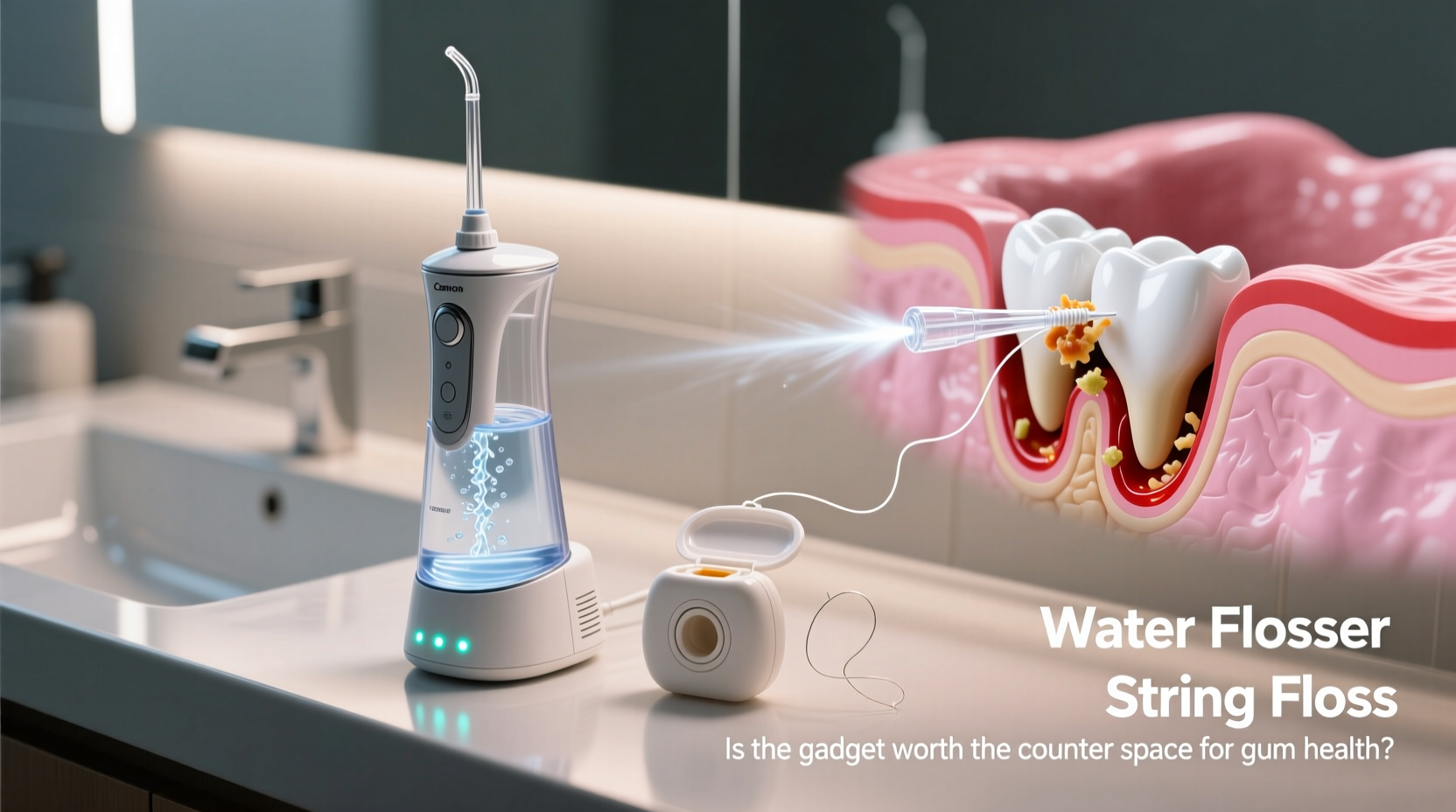
Understanding the mechanics behind both tools is essential to evaluating their benefits.
String floss—typically nylon or PTFE (polytetrafluoroethylene)—is designed to slide between teeth and physically scrape away plaque biofilm from tooth surfaces and just below the gumline. When used correctly, it disrupts bacterial colonies that brushing alone cannot reach.
Water flossers, also known as oral irrigators, use a stream of pulsating water to remove food debris and reduce bacteria along the gumline and between teeth. They don’t rely on friction but instead use hydrodynamic force to flush out contaminants from hard-to-reach areas, including around braces, implants, and bridges.
The fundamental difference lies in action: one is mechanical abrasion; the other, hydraulic cleaning. This distinction influences everything from user experience to clinical outcomes.
Clinical Effectiveness: What the Research Says
Multiple studies have compared water flossers to traditional floss in terms of plaque removal and gingival health improvement.
A 2005 study published in the Journal of Clinical Dentistry found that users of a water flosser (specifically Waterpik) removed up to 99.9% more plaque than brushing alone, while string floss removed about 80%. More notably, the water flosser group showed significantly greater reductions in gingivitis over four weeks compared to those using string floss.
Another randomized trial from 2013 observed that patients with orthodontic appliances who used a water flosser experienced a 29% greater reduction in bleeding sites than those using string floss. Given how difficult it is to maneuver floss around brackets and wires, this advantage makes practical sense.
“Water flossers can be especially beneficial for patients with limited dexterity, periodontal pockets, or fixed prostheses. They offer an effective alternative when traditional flossing proves challenging.” — Dr. Sarah Lin, Board-Certified Periodontist
However, these findings come with caveats. String floss remains highly effective—if used properly. The problem is compliance and technique. Many people either skip flossing entirely or use incorrect methods, such as snapping the floss down instead of curving it around each tooth.
In contrast, water flossers are generally easier to use consistently. Their forgiving learning curve often leads to higher adherence rates, which may explain some of their superior clinical results in trials.
Practical Comparison: Water Flosser vs String Floss
| Feature | Water Flosser | String Floss |
|---|---|---|
| Plaque Removal Efficiency | High, especially subgingivally with pulsation | High, if used correctly |
| Gum Bleeding Reduction | Significant improvement shown in multiple studies | Moderate, dependent on consistency |
| Ease of Use | Easy; minimal manual dexterity required | Requires coordination and proper technique |
| Time Required | ~60–90 seconds | ~2–3 minutes for full arch |
| Portability | Limited; needs power and water source | Highly portable; travel-sized options available |
| Cost Over Time | $50–$100 upfront + replacement tips (~$20/year) | $5–$10 per year |
| Bacteria Disruption in Pockets | Superior depth penetration with pulsed flow | Surface-level contact only |
| Suitability for Braces/Implants | Excellent; reaches under wires and around fixtures | Possible but cumbersome without specialized tools |
The data suggests that while string floss performs well in ideal conditions, real-world usage often falls short. Water flossers compensate for human error through automation and consistent delivery.
Who Benefits Most From a Water Flosser?
Not every person needs a countertop oral irrigator. For some, however, it can be transformative.
- Individuals with braces or aligners: Wires and attachments make threading floss tedious. Water flossers clean around hardware efficiently.
- People with arthritis or limited hand mobility: Gripping and manipulating string floss can be painful or impossible. A trigger-based water flosser reduces strain.
- Patients with periodontal pockets: Dentists often measure pocket depth during checkups. Deeper pockets (>3mm) harbor bacteria that string floss may not fully reach. Water pressure can penetrate further without trauma.
- Those with dental implants or bridges: These restorations create tight spaces where plaque accumulates easily. Water flossers prevent peri-implantitis, a leading cause of implant failure.
- Families with children: Kids often resist traditional flossing. Many find water flossing fun and are more likely to comply.
That said, individuals with excellent manual dexterity, no special dental work, and strong flossing habits may see little added benefit from upgrading.
Mini Case Study: Real-Life Impact
Mark T., a 54-year-old office worker, had struggled with recurring gum inflammation despite brushing twice daily. His dentist noted deepening pockets near his molars and recommended improved interdental cleaning. Mark tried string floss but admitted he rarely did it consistently, “maybe once a week if I remember.”
After purchasing a mid-range water flosser on his hygienist’s advice, he began using it every night after brushing. Within six weeks, his morning gum bleeding stopped. At his next cleaning, his hygienist reported a noticeable reduction in pocket depths—from 5mm to 3–4mm in key areas—and fewer inflamed sites overall.
“I didn’t think a gadget would make such a difference,” Mark said. “But now I do it without thinking, like brushing my teeth. It takes less time, and my mouth feels cleaner.”
Step-by-Step Guide to Incorporating a Water Flosser Into Your Routine
If you're considering switching—or adding—a water flosser, follow this simple integration plan:
- Choose the right model: Look for ADA-Accepted devices. Countertop models offer stronger performance; cordless versions provide convenience.
- Fill the reservoir with warm water: Cold water can cause sensitivity. Add mouthwash only if recommended by the manufacturer.
- Select the appropriate tip: Standard tips work for most. Use orthodontic, periodontal, or plaque-seal tips for specific needs.
- Set the pressure level: Start low (especially if new), then gradually increase. Most users settle at medium intensity.
- Floss before or after brushing? Either works, but many prefer post-brushing to flush out loosened debris.
- Angle the nozzle: Aim at a 90-degree angle to the gumline, moving slowly from tooth to tooth. Pause briefly between each to allow water to dislodge buildup.
- Empty and dry after use: Prevent mold and mineral buildup by emptying the tank and leaving the unit open to air-dry.
Common Misconceptions About Water Flossing
Despite growing popularity, several myths persist:
- Myth: Water flossers replace brushing.
Truth: No. They complement brushing. You still need fluoride toothpaste to protect enamel. - Myth: They’re only for people with braces.
Truth: While helpful for orthodontics, they benefit anyone seeking deeper gum cleaning. - Myth: They cause gum irritation.
Truth: Initial bleeding usually indicates pre-existing inflammation—not device damage. Gums typically improve within weeks. - Myth: All water flossers are the same.
Truth: Performance varies widely. Look for pulsation rate (ideally 1,200–1,600 pulses per minute) and adjustable pressure settings.
Checklist: Choosing Between Water Flosser and String Floss
Answer the following to determine which option suits your needs best:
- ☐ Do you have braces, implants, or bridges?
- ☐ Do you struggle with hand pain or arthritis?
- ☐ Have you been diagnosed with gingivitis or periodontitis?
- ☐ Do you currently floss less than three times per week?
- ☐ Are you willing to spend $60+ upfront for potential long-term benefits?
- ☐ Do you travel frequently and need compact solutions?
- ☐ Do you dislike the sensation of string flossing?
If you answered “yes” to three or more of the first five questions, a water flosser is likely a worthwhile investment. If portability and low cost are top priorities, and you already floss regularly, stick with string—but consider upgrading to waxed or expanded floss for smoother gliding.
Frequently Asked Questions
Can I use mouthwash in my water flosser instead of water?
You can, but dilute it (e.g., half water, half antimicrobial rinse) to avoid residue buildup. Some manufacturers advise against undiluted formulas. Always check your device manual first.
Is a water flosser safe for sensitive gums?
Yes—start at the lowest pressure setting. Many users with sensitivity actually find water flossing gentler than string floss, which can shred or cut tender tissue if misused.
Do dentists prefer water flossers over string floss?
Most dentists prioritize consistency over tool type. However, a growing number recommend water flossers for patients with specific challenges. The American Dental Association states that both methods are acceptable when performed correctly.
Final Verdict: Is the Gadget Worth the Counter Space?
The answer depends on your individual circumstances. For the average healthy adult with good dexterity and solid flossing habits, string floss remains a cost-effective, proven solution. But for many others—including those with gum disease, orthodontia, or physical limitations—a water flosser offers measurable advantages in both efficacy and adherence.
It’s not merely about convenience. It’s about sustainability. A tool that fits seamlessly into your routine is one you’ll actually use. And in oral health, consistency trumps perfection every time.
Counter space is limited, yes—but so is your body’s ability to regenerate lost gum tissue. Once bone support erodes due to untreated periodontitis, it doesn’t grow back. Prevention is not just prudent; it’s irreplaceable.
If a water flosser helps you maintain healthier gums for decades longer, its presence on your bathroom sink isn’t clutter. It’s a commitment to long-term wellness.




 浙公网安备
33010002000092号
浙公网安备
33010002000092号 浙B2-20120091-4
Comments
No comments yet. Why don't you start the discussion?