
Clear, watery vaginal discharge is a common experience for many people with vaginas. In most cases, it’s a natural part of the body’s self-cleaning process and hormonal fluctuations. However, changes in consistency, color, odor, or accompanying symptoms can signal an underlying issue. Understanding the difference between normal and abnormal discharge helps ensure timely care and peace of mind.
What Is Watery Discharge?
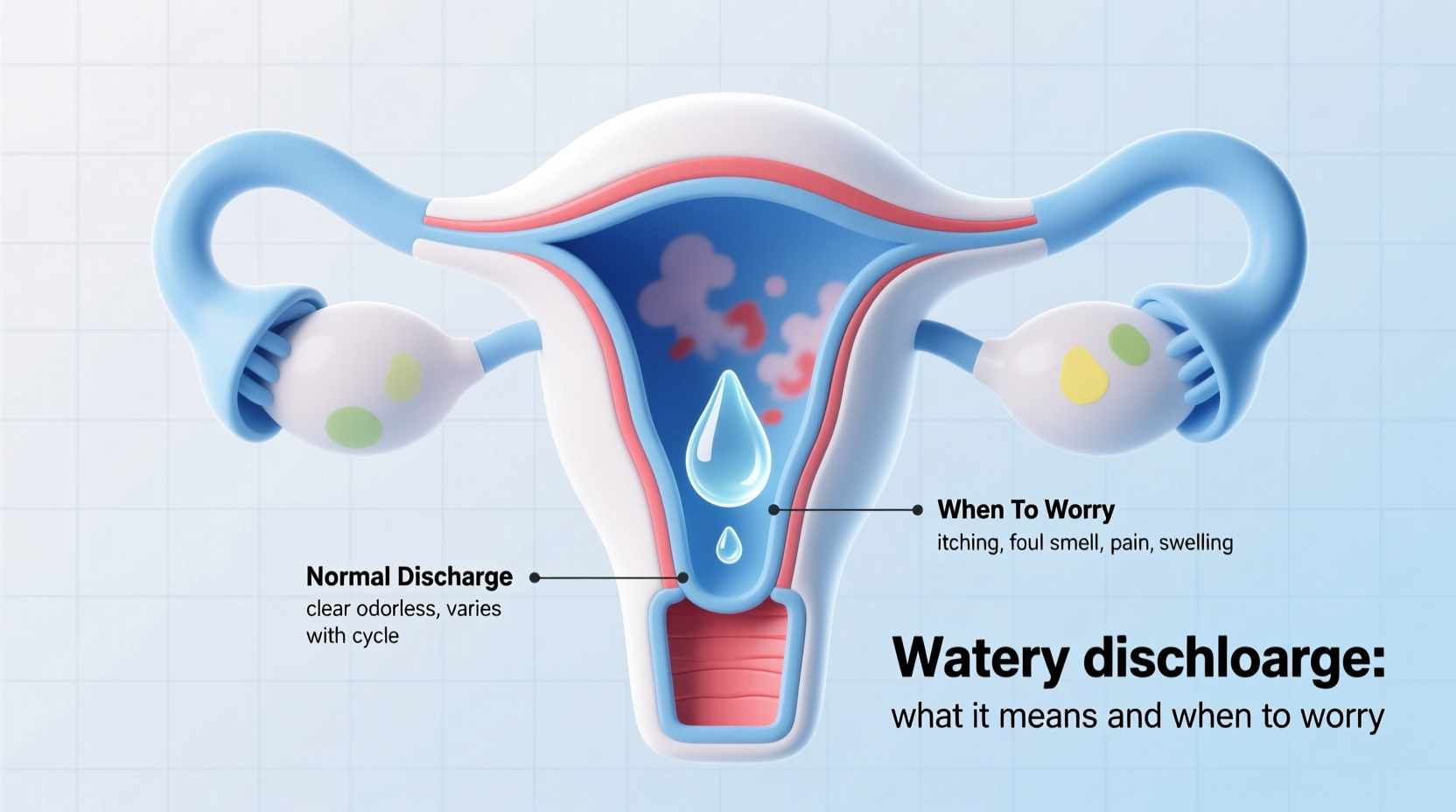
Vaginal discharge is produced by glands in the cervix and vaginal walls. Its primary functions include removing dead cells, maintaining pH balance, and protecting against infection. The amount, texture, and appearance of discharge vary throughout the menstrual cycle due to shifting hormone levels—particularly estrogen.
Watery discharge typically refers to thin, clear, or slightly cloudy fluid that may be stretchy or runny. It often increases during ovulation, sexual arousal, or physical activity. Unlike thick or clumpy discharge associated with infections, watery discharge without odor or irritation is usually harmless.
Common Causes of Watery Discharge
Most causes of watery discharge are benign and tied to natural bodily processes. Recognizing these can reduce unnecessary concern.
- Ovulation: Around mid-cycle, rising estrogen levels increase cervical fluid production. This discharge is often clear, slippery, and stretchy—similar to egg whites.
- Sexual Arousal: Lubrication is a natural response to stimulation. The fluid is typically odorless and resolves on its own.
- Pregnancy: Increased blood flow and hormonal shifts lead to higher discharge volume. As long as it remains clear and asymptomatic, this is considered normal.
- Exercise: Physical movement can trigger transient fluid release due to increased pelvic circulation.
- Hormonal Birth Control: Pills, patches, or hormonal IUDs may alter discharge patterns, including more frequent watery secretions.
“Normal vaginal discharge varies widely among individuals. Consistency, timing, and absence of symptoms matter more than volume alone.” — Dr. Lena Patel, OB-GYN Specialist
When to Worry: Signs of Abnormal Discharge
While watery discharge is often normal, certain red flags suggest infection or other conditions requiring evaluation.
| Symptom | Possible Cause | Action Step |
|---|---|---|
| Foul or fishy odor | Bacterial vaginosis (BV) | See a healthcare provider for testing |
| Yellow, green, or gray tint | Trichomoniasis or other STIs | Get tested promptly |
| Itching, burning, swelling | Yeast infection or irritation | Avoid douching; consult a doctor |
| Heavy, continuous leakage | Possible amniotic fluid leak (if pregnant) | Seek immediate medical attention |
| Bleeding between periods | Hormonal imbalance or cervical changes | Schedule a pelvic exam |
Uncommon but Serious Causes
In rare cases, persistent watery discharge may indicate more serious conditions:
- Fistula: An abnormal connection between organs (e.g., bladder-vagina) can cause constant fluid leakage.
- Cervical or endometrial cancer: Though uncommon, some tumors produce excessive clear or watery discharge, especially post-menopause.
- Foreign body retention: Forgotten tampons or contraceptive devices can lead to chronic discharge with odor.
Mini Case Study: When Normal Became a Warning Sign
Maria, a 34-year-old teacher, noticed increasing clear discharge over several weeks. Initially dismissing it as stress-related, she later observed mild pelvic discomfort and occasional spotting. After ruling out pregnancy, her doctor performed a pelvic ultrasound and discovered a small cervical polyp—a benign growth causing excess mucus production. Once removed, her symptoms resolved completely.
This case highlights how seemingly harmless symptoms can have identifiable causes. Early assessment prevented complications and provided clarity.
Step-by-Step Guide: What to Do If You’re Concerned
- Observe the pattern: Note frequency, color, smell, and any triggers (e.g., after sex, during workouts).
- Check for additional symptoms: Look for itching, pain, fever, or urinary changes.
- Review recent products: Consider new soaps, detergents, lubricants, or contraceptives that could cause irritation.
- Stop douching or using scented wipes: These disrupt natural flora and worsen symptoms.
- Schedule a clinical visit: A pelvic exam and lab tests (e.g., pH test, swab) can diagnose infections or abnormalities.
Checklist: When to See a Doctor
- ☑ Discharge lasts more than 1–2 weeks without cycle explanation
- ☑ Foul odor develops
- ☑ You experience pelvic pain or fever
- ☑ There’s blood outside your period window
- ☑ You're pregnant and suspect fluid leakage
- ☑ Over-the-counter treatments don’t help (for suspected yeast)
Frequently Asked Questions
Is watery discharge a sign of pregnancy?
Yes, increased clear, odorless discharge is common in early pregnancy due to higher estrogen and blood flow. However, it should not be relied upon as a sole indicator. Confirm pregnancy with a test and consult your provider.
Can stress affect my vaginal discharge?
Indirectly, yes. Stress impacts hormone balance and immune function, potentially altering vaginal pH and microbiome. This may increase susceptibility to infections that change discharge characteristics.
Should I douche if my discharge feels excessive?
No. Douching removes beneficial bacteria and increases infection risk. The vagina is self-cleaning. Use warm water only for external washing and avoid internal cleansing.
Prevention and Daily Care Tips
Maintaining vaginal health reduces the likelihood of abnormal discharge:
- Wash externally with mild, unscented soap.
- Wipe front to back after using the toilet.
- Change tampons or pads frequently during menstruation.
- Use protection during sexual activity to lower STI risk.
- Stay hydrated and maintain a balanced diet rich in probiotics (e.g., yogurt, kefir).
“The key is consistency. Pay attention to your body’s baseline so you can spot real changes—not just normal variation.” — Dr. Amara Singh, Women’s Health Practitioner
Conclusion
Watery discharge is usually a normal, healthy function of the reproductive system. Whether tied to ovulation, arousal, or hormonal shifts, most instances require no intervention. But when accompanied by odor, discomfort, or irregular bleeding, it becomes a signal worth investigating. Knowledge empowers informed decisions—don’t hesitate to seek professional evaluation when something feels off.




 浙公网安备
33010002000092号
浙公网安备
33010002000092号 浙B2-20120091-4
Comments
No comments yet. Why don't you start the discussion?