
There’s nothing more disappointing than serving a bowl of spaghetti only to find the sauce sliding off the pasta like soup. A watery spaghetti sauce not only lacks body but also fails to cling to noodles, diluting flavor and texture. While it may seem like a minor kitchen mishap, consistently runny sauce points to underlying techniques that can be corrected with a few smart adjustments. The good news: most causes are preventable, and nearly all fixes are simple, fast, and require no special ingredients.
Why Does Spaghetti Sauce Turn Watery?
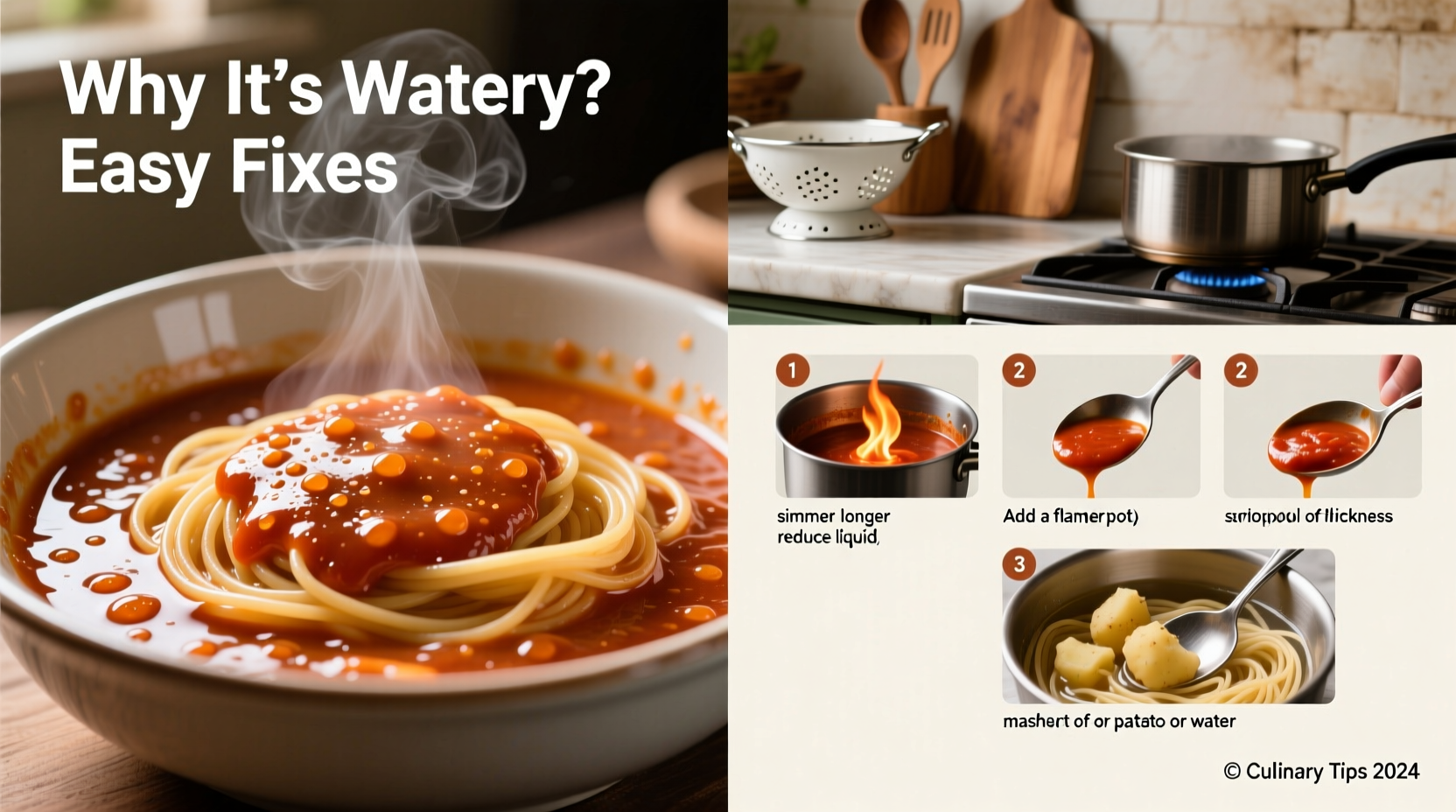
A perfectly balanced tomato sauce should be velvety, aromatic, and coat the back of a spoon. When yours doesn’t, the culprit is usually one (or more) of these common issues:
- Excess liquid from fresh tomatoes or canned products – Some canned tomatoes contain more juice than others, especially if they’re labeled “in juice” rather than “crushed” or “puree.” Fresh tomatoes, particularly juicy varieties like beefsteak, release significant moisture when cooked.
- Not cooking long enough – Simmering is essential for evaporation. Skipping this step leaves excess water in the sauce.
- Adding raw vegetables without sautéing – Onions, garlic, mushrooms, and bell peppers contain high water content. If added raw to a cold sauce base, they’ll leach moisture during cooking.
- Cooking pasta directly in the sauce – A trendy shortcut, yes—but boiling pasta in sauce introduces starchy water that thins consistency instead of enhancing it.
- Over-relying on frozen or low-quality ingredients – Frozen herbs or pre-made sauces often include stabilizers and excess liquids that break down under heat.
The Science of Sauce Thickness: How Water Behaves in Cooking
Understanding how water interacts with other ingredients helps you control consistency. Tomatoes are about 95% water. When heated, cell walls break down, releasing liquid. This isn't inherently bad—moisture carries flavor—but balance is key. The goal isn’t to eliminate water entirely, but to reduce it through controlled evaporation while building flavor complexity.
Reduction works because heat turns water into vapor, leaving behind concentrated sugars, acids, and umami compounds. The longer you simmer (within reason), the thicker and richer the sauce becomes. However, aggressive boiling can cause splattering and uneven cooking, while too-low heat won’t drive off moisture efficiently.
“Sauce thickness isn’t magic—it’s patience. A slow simmer over low heat develops depth and eliminates excess water naturally.” — Marco Delvecchio, Culinary Instructor & Italian Cuisine Specialist
Step-by-Step Guide to Fixing Watery Spaghetti Sauce
If your sauce is already too thin, don’t panic. You can rescue it in minutes using one or more of these proven methods:
- Simmer uncovered: Transfer the sauce to a wide, shallow pan (increases surface area for faster evaporation). Bring to a gentle simmer over medium-low heat. Stir occasionally to prevent sticking. Cook until reduced by at least 25%, usually 15–30 minutes depending on volume.
- Sauté aromatics first: Remove onions, garlic, or mushrooms with a slotted spoon. Return them after the sauce has thickened to preserve texture and avoid overcooking.
- Add a thickener: For quick results, use one of the following:
- Tomato paste: 1–2 tablespoons per cup of sauce. Cook for 1–2 minutes before adding liquid to deepen flavor.
- Stale bread: Soak a small piece of unsalted white bread in the sauce, then blend or mash thoroughly. Traditional in Southern Italy.
- Cornstarch slurry: Mix 1 teaspoon cornstarch with 1 tablespoon cold water. Stir into simmering sauce and cook 2 minutes until clear and glossy.
- Incorporate cheese rinds: Add a Parmesan rind while simmering. It releases glutamates and gelatin, which enhance mouthfeel and help emulsify the sauce.
- Blend for smoothness: Use an immersion blender to puree part or all of the sauce. This breaks down fibers and creates a creamier texture even without added fat.
Prevention Checklist: Build Better Sauce from the Start
Follow this checklist each time you make spaghetti sauce to avoid watery results altogether:
- ✔ Drain canned tomatoes unless specified otherwise
- ✔ Sauté onions, garlic, and vegetables until soft and translucent (no visible moisture)
- ✔ Bloom tomato paste in oil for 1–2 minutes before adding liquids
- ✔ Use crushed tomatoes or passata instead of whole peeled when possible
- ✔ Simmer uncovered for at least 30 minutes
- ✔ Cook pasta separately and reserve ½ cup starchy water for adjusting sauce at the end
- ✔ Finish with a splash of reserved pasta water—not plain water—to bind sauce to noodles
Do’s and Don’ts: Quick Reference Table
| Do | Don’t |
|---|---|
| Use a wide skillet or Dutch oven – Promotes faster evaporation | Use a deep pot with a tight lid – traps steam and prevents reduction |
| Stir occasionally – Prevents scorching without cooling the sauce | Stir constantly – Slows evaporation and disrupts simmering |
| Add a pinch of baking soda – Neutralizes acidity that can inhibit thickening (use sparingly: ⅛ tsp per quart) | Add flour directly – Creates lumps and dull flavor |
| Finish with butter or olive oil – Emulsifies sauce and gives silky texture | Serve immediately off boil – Let sauce rest 5 minutes for flavors to settle |
Real Example: From Runny to Restaurant-Quality in 20 Minutes
Sarah, a home cook in Portland, was frustrated after her Sunday family dinner. She had prepared a large batch of marinara using fresh garden tomatoes, only to find it pooling at the bottom of the bowl. Instead of serving it as-is, she removed the solids with a slotted spoon, poured the liquid into a wide stainless steel pan, and simmered it vigorously for 18 minutes. She then mashed the cooked vegetables into the reduced liquid, stirred in a tablespoon of tomato paste, and finished with a splash of reserved pasta water and a knob of butter. The result? A deeply flavored, cohesive sauce that clung perfectly to the spaghetti. Her kids even asked for seconds—a rare win.
Frequently Asked Questions
Can I refrigerate watery sauce and fix it later?
Yes. Cool the sauce quickly and store in an airtight container for up to 5 days. When reheating, follow reduction steps. In fact, refrigeration can help separate layers—simply skim off excess liquid from the top before reheating if needed.
Will adding meat thicken the sauce?
Ground meat can help absorb moisture, but only if browned properly and drained of excess fat. Raw or poorly seared meat will release liquid and worsen the problem. For best results, brown meat separately, drain, and add toward the end of cooking.
Is it safe to reboil sauce that’s been sitting out?
If the sauce has been at room temperature for less than two hours, it’s safe to reboil. Always bring it to a rolling simmer for at least 3 minutes to ensure food safety, especially if dairy or meat is included.
Final Tips for Consistently Perfect Sauce
Great spaghetti sauce isn’t about expensive ingredients—it’s about technique. Control moisture from the start, respect the power of time and heat, and never underestimate the value of tasting and adjusting. Whether you're making a quick weeknight meal or a slow-simmered Sunday gravy, attention to detail transforms ordinary sauce into something memorable.
Remember: a slightly thick sauce is better than a thin one. You can always loosen it with a bit of warm water or pasta cooking liquid, but thickening a runny sauce takes extra time and effort. When in doubt, err on the side of longer simmering and proactive draining.




 浙公网安备
33010002000092号
浙公网安备
33010002000092号 浙B2-20120091-4
Comments
No comments yet. Why don't you start the discussion?