
Wavy hair possesses a natural charm—effortless texture, movement, and volume that many envy. Yet for those who have it, the daily battle with frizz and lack of definition can be frustrating. Without the right care, waves can turn into a puffy halo of flyaways, especially in humid conditions. The good news: frizz isn’t inevitable, and definition is absolutely achievable. Understanding the science behind your hair’s behavior and adopting a tailored routine can transform unruly waves into soft, bouncy, well-defined patterns.
Why Wavy Hair Gets Frizzy
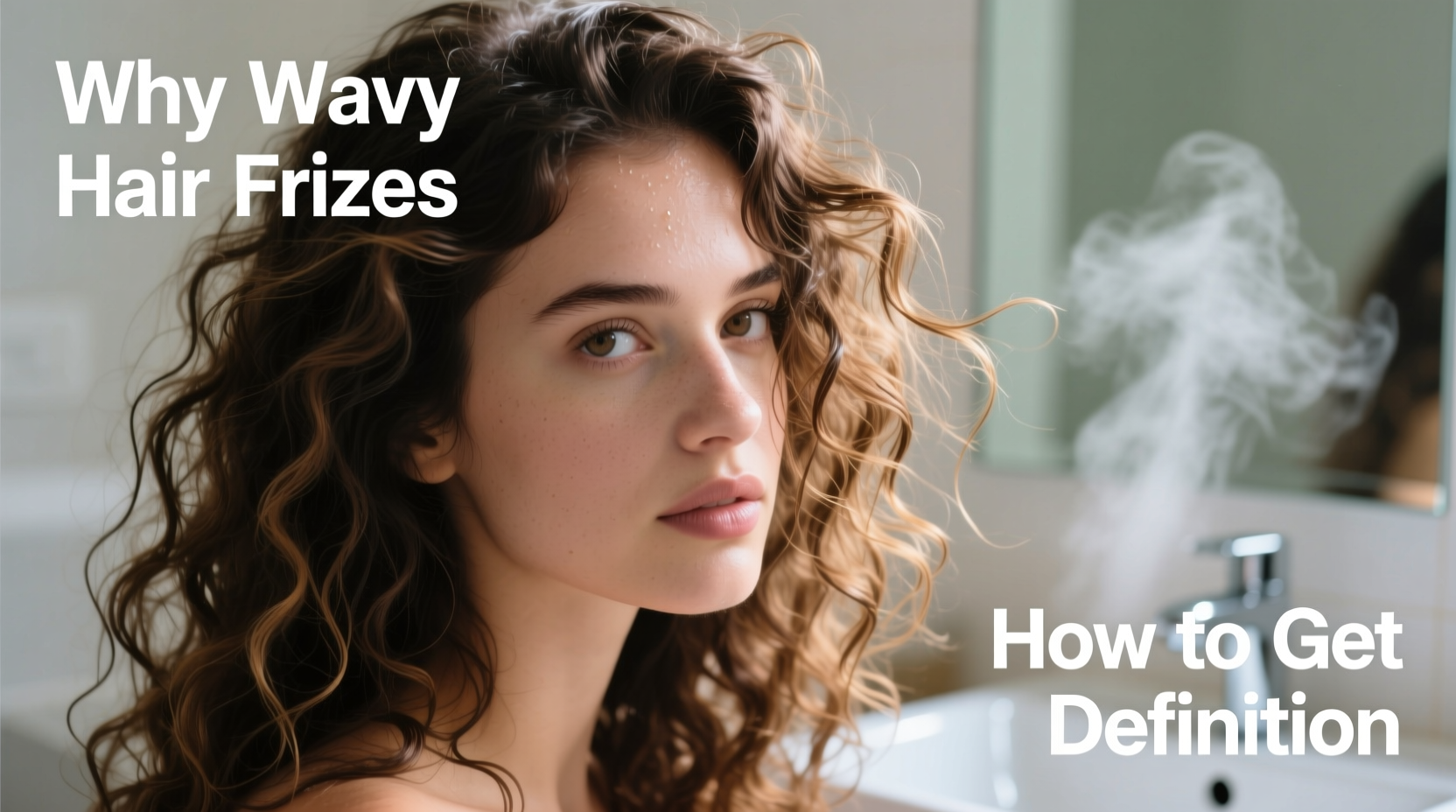
Frizz occurs when the hair cuticle—the outermost layer of the hair shaft—lifts and allows moisture from the environment to penetrate. Wavy hair is naturally more porous than straight hair, making it highly susceptible to humidity. When strands absorb excess moisture, they swell, disrupting the wave pattern and creating a fuzzy, undefined look.
Several factors contribute to this:
- Natural Porosity: Wavy hair often has uneven porosity, meaning some sections absorb moisture faster than others, leading to inconsistent curl formation.
- Lack of Moisture: Dry hair seeks hydration from the air, increasing frizz. This is common in people who over-wash or use harsh sulfates.
- Mechanical Damage: Towel-drying, brushing when dry, or using rough fabrics like cotton pillowcases create friction that lifts the cuticle.
- Product Buildup or Wrong Products: Heavy silicones or alcohol-based products can coat hair without providing real hydration, worsening texture over time.
- Environmental Humidity: High humidity disrupts hydrogen bonds in hair, causing waves to expand and lose shape.
“Frizz in wavy hair is less about bad genetics and more about imbalance—between moisture, protein, and environmental protection.” — Dr. Lena Torres, Trichologist & Hair Scientist
How to Achieve Defined Waves
Definition starts with understanding your wave pattern (often categorized as 2A, 2B, or 2C) and working with it—not against it. The goal is to enhance natural shape while minimizing disruption. Here’s how to do it:
1. Wash Less Frequently
Overwashing strips natural oils essential for moisture balance. Most wavy-haired individuals thrive on washing every 3–5 days. Use a sulfate-free, low-lather shampoo or co-wash (cleansing conditioner) to gently cleanse without drying.
2. Condition Generously
Conditioner smooths the cuticle and hydrates porous strands. Apply from mid-length to ends, avoiding the scalp to prevent greasiness. For extra moisture, try deep conditioning weekly.
3. Apply Leave-In Products Strategically
A leave-in conditioner is non-negotiable for wavy hair. It acts as a protective barrier and foundation for styling. Follow with a lightweight curl cream or mousse to define without weighing down waves.
4. Use the Right Drying Technique
Rubbing hair with a regular towel creates friction and frizz. Instead, use a microfiber towel or an old cotton T-shirt to gently scrunch out excess water. Then, apply styling products and let hair air-dry or diffuse on low heat.
5. Scrunch for Definition
Once hair is 80% dry, flip your head upside down and scrunch upward with a small amount of gel or serum. This encourages clumping and enhances natural wave formation.
Step-by-Step Routine for Defined, Frizz-Free Waves
- Shampoo (or co-wash): Once or twice a week with a sulfate-free formula.
- Deep condition (weekly): Apply a rich mask for 15–20 minutes under a warm towel.
- Rinse with cool water: Helps seal the cuticle and boost shine.
- Apply leave-in conditioner: Focus on mid-lengths and ends.
- Add curl cream or mousse: Use a quarter-sized amount, raking or praying-hands method through sections.
- Plop (optional): Wrap damp hair in a T-shirt for 10–20 minutes to enhance root lift and uniform drying.
- Scrunch in gel: For hold and frizz control, especially in humidity.
- Air-dry or diffuse: Diffuse on low speed and cool setting to avoid puffiness.
- Refresh next day: Spritz with water or a mix of water and leave-in, then scrunch.
Do’s and Don’ts for Wavy Hair Care
| Do’s | Don’ts |
|---|---|
| Use microfiber towels or cotton T-shirts to dry | Use regular terry cloth towels aggressively |
| Apply products to soaking wet hair | Apply products to dry or partially dry hair |
| Scrunch to encourage clumping | Run fingers through hair repeatedly during drying |
| Seal ends with a drop of oil | Use heavy butters or waxes that cause buildup |
| Trim every 8–12 weeks to prevent split ends | Ignore split ends—they travel up the shaft |
Real Example: Sarah’s Transformation
Sarah, a 28-year-old teacher with 2B waves, struggled for years with frizz, especially during summer. She washed her hair daily, used a regular towel, and brushed it when dry. Her waves vanished by noon, replaced by a voluminous cloud of fuzz.
After consulting a stylist, she changed her routine: switched to co-washing every other day, started plopping, and used a curl-defining gel. Within two weeks, her waves were more consistent and lasted all day. “I finally stopped fighting my hair,” she said. “Now I embrace it—and even got compliments at work.”
Essential Checklist for Frizz Control & Definition
- ✅ Switch to sulfate-free shampoo
- ✅ Invest in a microfiber towel or satin pillowcase
- ✅ Use a leave-in conditioner after every wash
- ✅ Apply curl cream or mousse using raking or praying hands
- ✅ Avoid touching hair while drying
- ✅ Refresh waves with a water + leave-in spray between washes
- ✅ Trim split ends regularly
- ✅ Limit heat styling; use heat protectant when necessary
Frequently Asked Questions
Can I define my waves without using gel?
Yes, but you may sacrifice hold, especially in humidity. Curl creams and mousses offer lighter definition, but gel provides the strongest frizz control and clumping. For a softer feel, try a flaxseed gel or hybrid cream-gel formulas.
Why do my waves disappear after my hair dries?
This usually happens due to poor product layering or drying technique. If you don’t apply enough leave-in or skip a defining product, waves lack support. Also, touching hair while drying disrupts clump formation. Try scrunching with gel and avoid touching until fully dry.
Is it okay to brush wavy hair?
Only when wet, conditioned, and with a wide-tooth comb or detangling brush. Brushing dry wavy hair separates clumps, increases frizz, and disrupts the natural pattern. Always detangle from ends upward to minimize breakage.
Final Thoughts: Embrace Your Waves, Reduce the Frizz
Wavy hair doesn’t need to be a daily struggle. With the right knowledge and consistent habits, frizz can be minimized and definition enhanced. It’s not about forcing your hair into a mold, but nurturing its natural tendencies. Hydration, gentle handling, and smart product choices make all the difference. Small changes—like switching your towel or adjusting when you apply products—can yield dramatic results.




 浙公网安备
33010002000092号
浙公网安备
33010002000092号 浙B2-20120091-4
Comments
No comments yet. Why don't you start the discussion?