
For millions dealing with anxiety, sleep disturbances, or sensory processing challenges, weighted blankets have emerged as a non-invasive tool to promote calm and improve rest. Marketed as therapeutic aids that simulate deep pressure touch, these blankets are gaining popularity across age groups. But while many users report reduced anxiety and better sleep, concerns remain—especially about overheating during warmer months. Understanding the full picture requires examining both the benefits and drawbacks, along with how seasonal use affects comfort and effectiveness.
The Science Behind Weighted Blankets and Anxiety Relief
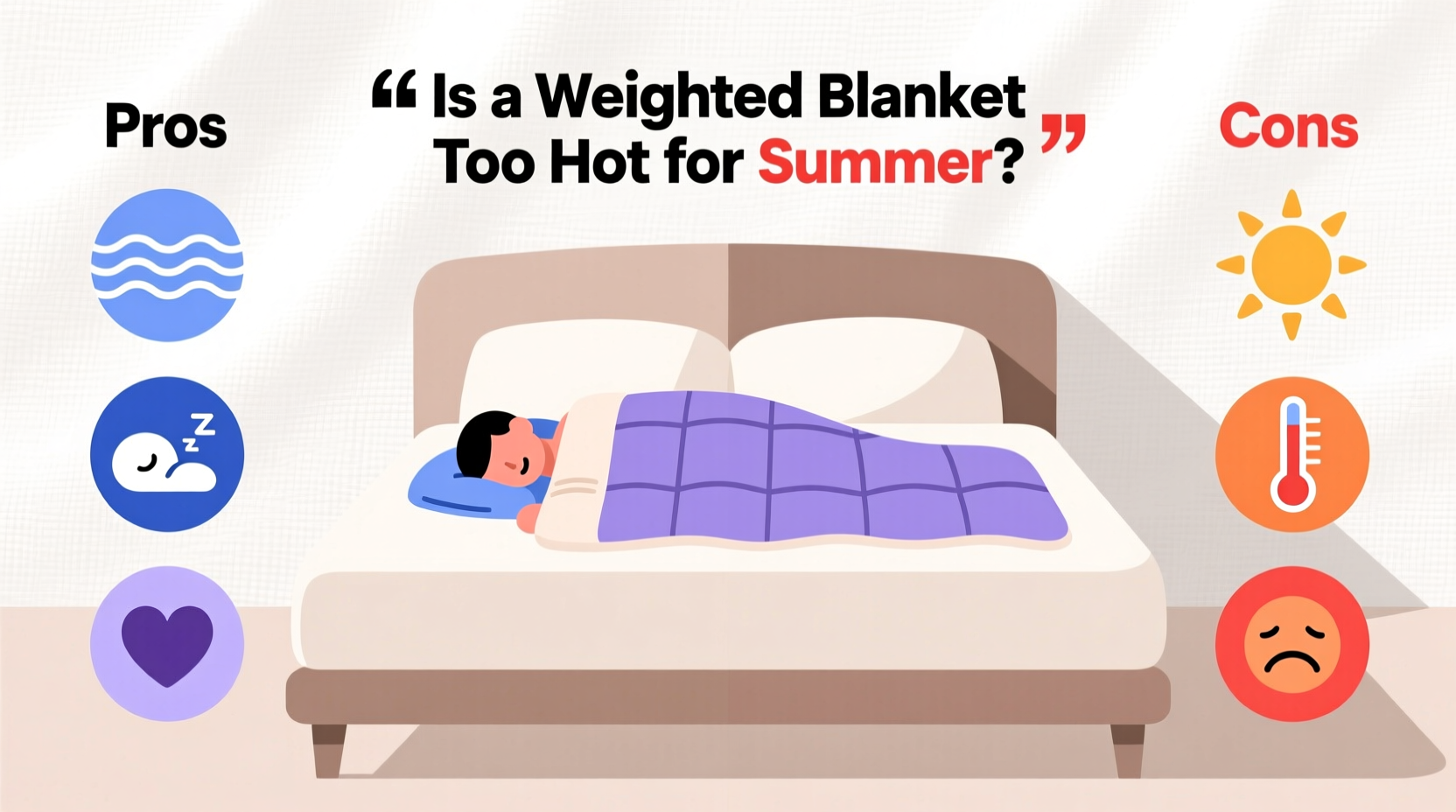
Weighted blankets typically range from 5 to 30 pounds and are filled with materials like glass or plastic pellets. Their design applies gentle, even pressure across the body—a sensation known as deep pressure stimulation (DPS). This mimics therapeutic techniques such as hug therapy or swaddling, which are known to reduce nervous system arousal.
Research suggests DPS can increase serotonin and melatonin production while lowering cortisol, the stress hormone. A 2020 study published in Frontiers in Psychiatry found that participants using a 6–8% body weight blanket reported significantly lower anxiety levels after just one week. The calming effect often leads to improved sleep onset and fewer nighttime awakenings.
“Deep pressure input has a regulatory effect on the autonomic nervous system. For people with heightened anxiety, this tactile feedback can signal safety and help transition the mind into a restful state.” — Dr. Laura Nguyen, Occupational Therapist and Sensory Integration Specialist
However, not all anxiety responds equally. Individuals with generalized anxiety disorder (GAD) or post-traumatic stress disorder (PTSD) may benefit more than those with situational stressors. Additionally, personal preference plays a major role—some find the weight comforting; others perceive it as restrictive.
Pros of Using a Weighted Blanket for Anxiety
- Natural anxiety reduction: Offers a drug-free method to manage symptoms through physiological regulation.
- Improved sleep quality: Many users fall asleep faster and experience deeper, less interrupted sleep.
- Sensory grounding: Particularly helpful for neurodivergent individuals, including those with autism or ADHD, who may struggle with emotional regulation.
- Reduced nighttime rumination: The physical sensation can distract from repetitive anxious thoughts.
- Portability: Unlike medications or devices, a weighted blanket is easy to travel with and requires no maintenance beyond cleaning.
Cons and Limitations to Consider
Despite their popularity, weighted blankets aren’t universally beneficial. Certain health conditions and lifestyle factors can make them unsuitable or uncomfortable.
- Overheating risk: Traditional models use dense fabrics and fillers that trap heat, making them problematic in warm environments.
- Restricted movement: Some users feel confined, which can worsen anxiety rather than alleviate it.
- Not recommended for certain populations: Children under 2, older adults with circulatory issues, and individuals with respiratory conditions like sleep apnea should avoid use without medical consultation.
- Limited mobility: Getting up at night becomes more difficult due to the added weight.
- Cost: High-quality weighted blankets can cost $100–$250, making them a significant investment with no guaranteed results.
Additionally, there’s limited long-term research on efficacy. While short-term benefits are well-documented, sustained impact over months or years remains unclear. Some users report diminishing returns after initial excitement wears off.
Is a Weighted Blanket Too Hot for Summer?
This is one of the most common concerns—and for good reason. Many standard weighted blankets are constructed with polyester, fleece, or thick cotton outer layers and dense inner fillings. These materials retain body heat, turning what should be a calming experience into a sweaty, uncomfortable ordeal during summer months.
However, advancements in textile engineering have led to breathable, temperature-regulating options. Manufacturers now offer blankets made with:
- Cooling bamboo-derived rayon
- Organic cotton covers
- Air-channel quilting for ventilation
- Micro-glass beads instead of plastic poly pellets (lighter and less insulating)
Some brands even integrate phase-change materials (PCMs) that absorb excess heat when the body warms and release it when cooling—similar to technologies used in performance bedding.
| Blanket Type | Heat Retention | Summer Suitability | Best For |
|---|---|---|---|
| Fleece-backed traditional | High | Poor | Cold climates, winter use |
| Bamboo/cotton blend | Low to moderate | Good | Warm bedrooms, sensitive skin |
| Gel-infused memory foam layer | Moderate | Fair | Temperature-neutral rooms |
| 100% organic cotton with mesh stitching | Very low | Excellent | Hot sleepers, humid regions |
Real User Experience: Managing Anxiety in a Warm Climate
Sophie, a 34-year-old graphic designer from Atlanta, struggled with chronic insomnia and anxiety for years. After hearing about weighted blankets, she purchased a 15-pound model made with polyester and microbeads. Initially, she felt calmer at bedtime. However, within two weeks, she began waking up drenched in sweat, especially during June and July.
“I loved the way it made me feel emotionally, but physically, it was unbearable,” Sophie said. “I’d start out relaxed, then end up tossing it off halfway through the night.”
She switched to a 12-pound bamboo-covered blanket with open-grid stitching designed for airflow. The new version provided similar pressure but didn’t raise her body temperature. “It’s like night and day,” she noted. “Now I use it year-round, even in August. The difference is entirely in the materials.”
Sophie’s experience highlights a critical point: the effectiveness of a weighted blanket isn’t just about weight—it’s also about thermal regulation.
How to Choose the Right Weighted Blanket for Year-Round Use
Selecting the right blanket involves balancing therapeutic needs with environmental comfort. Follow this step-by-step guide to make an informed decision:
- Determine ideal weight: Multiply your body weight by 0.1. For example, a 150-pound person should consider a 15-pound blanket. If between sizes, opt for lighter in warmer climates.
- Evaluate fill material: Micro-glass beads are cooler and more evenly distributed than plastic pellets. Avoid blankets with PVC or vinyl components.
- Check the cover fabric: Natural fibers like cotton, bamboo, or TENCEL™ wick moisture and allow breathability. Removable, machine-washable covers are essential for hygiene.
- Assess construction: Quilted channels prevent filler from shifting. Look for double-stitched seams and reinforced edges.
- Read temperature ratings: Some brands specify suitability for warm, cool, or all seasons. Don’t rely solely on marketing claims—check third-party reviews focused on heat retention.
- Test before committing: Purchase from retailers offering trial periods (30–100 days). Return policies matter, especially given the high cost.
Weighted Blanket Selection Checklist
- ✅ Weight is ~10% of body weight
- ✅ Filler is non-toxic micro-glass beads or hypoallergenic alternatives
- ✅ Outer fabric is breathable (e.g., bamboo, cotton, TENCEL™)
- ✅ Cover is removable and washable
- ✅ Designed for airflow (mesh panels, channel stitching)
- ✅ Includes trial period or warranty
- ✅ Suitable for your sleeping environment (AC available? Humid?)
Frequently Asked Questions
Can I use a weighted blanket if I live in a hot climate?
Yes, but only if you choose a model specifically designed for breathability. Opt for lightweight fillers, natural fabrics, and open-knit designs. Pair it with moisture-wicking pajamas and a fan or air conditioning for best results.
Are cooling weighted blankets effective for anxiety relief?
Absolutely. As long as the weight distribution is even and the pressure is consistent, cooling models deliver the same neurological benefits as traditional ones. In fact, staying comfortable enhances compliance and long-term use.
Should I use a top sheet with my weighted blanket?
Yes. A cotton or linen top sheet adds another layer of breathability and protects the blanket from oils and sweat. It also makes adjusting position easier without fully removing the weight.
Final Thoughts: Balancing Comfort and Calm
Weighted blankets can be powerful allies in managing anxiety—but only when chosen wisely. Their ability to soothe the nervous system is backed by science, yet their physical design must align with individual needs and environmental conditions. Overheating doesn’t have to be a dealbreaker; modern innovations make summer-friendly options widely available.
The key is prioritizing both function and comfort. Don’t settle for a heavy blanket that disrupts sleep due to heat. Instead, invest time in researching materials, reading user experiences, and testing products with flexible return policies. When the right balance is achieved, a weighted blanket can become a trusted companion for restful nights and calmer days—regardless of the season.




 浙公网安备
33010002000092号
浙公网安备
33010002000092号 浙B2-20120091-4
Comments
No comments yet. Why don't you start the discussion?