
Sleep is foundational to health, yet millions struggle to get enough of it. While factors like stress, screen time, and caffeine play roles, the tools we use in bed—especially our bedding—can significantly influence sleep quality. Among the most debated choices today: should you choose a weighted blanket or stick with a traditional comforter? Both cover us at night, but they operate on entirely different principles. One relies on tradition and insulation; the other leverages deep pressure stimulation to calm the nervous system. This article dives into the science, user experience, and practical considerations behind each option to determine which truly enhances sleep.
The Science of Sleep and Bedding
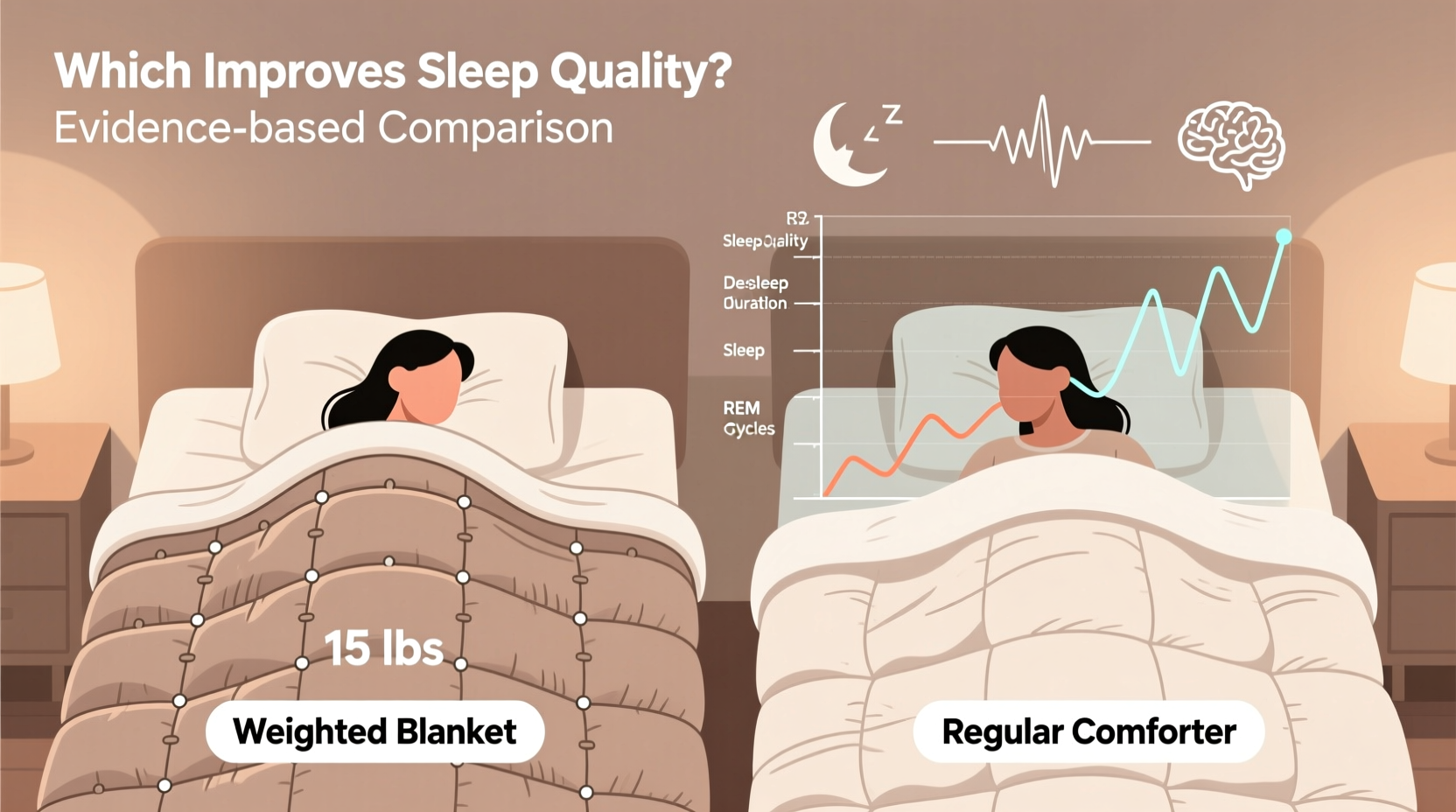
Sleep quality isn’t just about duration—it’s about depth, continuity, and how rested you feel upon waking. The body cycles through stages of light, deep, and REM sleep, each essential for cognitive function, emotional regulation, and physical recovery. External stimuli, including temperature, tactile sensation, and psychological comfort, can either support or disrupt these cycles.
Bedding plays a surprisingly active role. A comforter primarily regulates temperature and provides a sense of coziness. In contrast, a weighted blanket introduces gentle, distributed pressure across the body—a technique known as Deep Pressure Stimulation (DPS). DPS has been studied for decades, particularly in clinical settings involving anxiety, autism, and insomnia. Research shows that DPS can increase serotonin and melatonin levels while reducing cortisol, the stress hormone.
“Deep pressure touch can mimic the calming effect of a hug or swaddling, activating the parasympathetic nervous system and preparing the body for rest.” — Dr. Rebecca Stone, Sleep Neurologist, Johns Hopkins Center for Sleep
This neurological distinction is critical. While both blankets provide warmth and comfort, only the weighted blanket directly influences the autonomic nervous system. For individuals with racing thoughts, anxiety, or restless legs, this difference can be transformative.
How Weighted Blankets Work: Beyond the Hype
Weighted blankets typically range from 5 to 30 pounds, designed to be approximately 10% of the user’s body weight. They’re filled with glass or plastic pellets sewn into evenly distributed compartments to prevent shifting and ensure consistent pressure.
The mechanism is rooted in sensory integration. When the body experiences even, firm pressure—similar to a therapeutic massage or being held—the brain interprets this as safe and secure. This triggers a cascade of physiological responses:
- Increased production of serotonin, a precursor to melatonin
- Reduced sympathetic nervous system activity (the “fight-or-flight” response)
- Lower heart rate and blood pressure within minutes of use
- Improved sleep onset latency (the time it takes to fall asleep)
A 2020 randomized controlled trial published in the Journal of Clinical Sleep Medicine found that participants using a 6–8 kg (13–18 lb) weighted blanket reported significantly improved sleep efficiency, reduced nighttime awakenings, and lower daytime fatigue compared to those using a light control blanket.
Regular Comforters: Tradition, Warmth, and Limitations
Comforters have been household staples for generations. Typically made from down, synthetic fibers, or blends, their primary purpose is thermal regulation. They trap warm air close to the body, making them ideal for colder climates or winter months.
While comforting in texture and familiarity, comforters do not offer the same neurological benefits as weighted blankets. Their impact on sleep is largely indirect—through temperature management and personal preference. However, overheating is a common complaint. Many modern comforters, especially down-filled ones, can cause night sweats, disrupting sleep cycles and reducing REM time.
Additionally, comforters lack any form of sensory feedback. For people who benefit from tactile input—such as those with ADHD, PTSD, or generalized anxiety—this absence may leave a gap in their ability to relax fully at bedtime.
That said, comforters remain practical. They’re machine-washable, widely available, and suitable for shared beds where one partner may not want added weight. They also adapt easily to seasonal changes—lightweight options exist for summer, heavy ones for winter.
Direct Comparison: Weighted Blanket vs Regular Comforter
| Feature | Weighted Blanket | Regular Comforter |
|---|---|---|
| Primary Function | Deep pressure stimulation for nervous system regulation | Thermal insulation and comfort |
| Impact on Sleep Onset | Reduces time to fall asleep (studies show up to 32% faster) | No direct effect; depends on user comfort |
| Nighttime Awakenings | Fewer disruptions due to increased sleep stability | Potential increases if overheating occurs |
| Best For | Anxiety, insomnia, sensory processing needs, RLS | Cold sleepers, seasonal use, shared beds |
| Temperature Regulation | Mixed—some retain heat; look for breathable fabrics like cotton or bamboo | Highly variable by fill and shell material |
| Maintenance | Often spot clean only; some are machine washable with caution | Generally easier to clean and maintain |
| Lifespan | 3–5 years with proper care | 5–10 years depending on quality |
Who Benefits Most from Each Option?
The answer depends on individual physiology and sleep challenges.
Choose a weighted blanket if:
- You struggle with anxiety or intrusive thoughts at bedtime
- You’ve been diagnosed with insomnia or delayed sleep phase disorder
- You experience restless legs syndrome (RLS)
- You’re neurodivergent (e.g., autistic, ADHD) and crave deep pressure input
- You frequently wake during the night and have trouble returning to sleep
Stick with a regular comforter if:
- You live in a hot climate or tend to overheat at night
- You share a bed with someone who dislikes extra weight
- You prefer lightweight, fluffy bedding
- You need easy-care, machine-washable options
- You don’t experience significant sleep onset or maintenance issues
“I started using a 15-pound blanket after months of lying awake with anxiety. Within three nights, I was falling asleep faster and staying asleep longer. It felt like my body finally got the signal to shut down.” — Maya T., teacher and long-term insomnia sufferer
Real-World Example: A Side-by-Side Trial
Consider the case of James L., a 42-year-old software developer with chronic insomnia. For years, he relied on a high-loft down comforter, believing warmth equated to better sleep. Despite maintaining good sleep hygiene—no screens after 10 p.m., consistent bedtime—he averaged only 5.5 hours of fragmented sleep per night.
At his doctor’s suggestion, James tried a 20-pound cooling weighted blanket made of cotton and micro-glass beads. He used it every night for four weeks, tracking sleep via a wearable device. The results were striking:
- Sleep onset decreased from 48 minutes to 29 minutes
- Total sleep time increased to 6.8 hours
- Number of awakenings dropped from 4–5 per night to 1–2
- Subjectively, James reported feeling “more relaxed” and “less mentally restless”
After two months, he switched back to his comforter for one week as a control. His sleep metrics regressed nearly to baseline. James now uses the weighted blanket year-round, opting for lighter pajamas to balance temperature.
Practical Tips for Choosing and Using a Weighted Blanket
Not all weighted blankets are created equal. Effectiveness depends on proper selection and usage.
- Determine the right weight: Aim for 10% of your body weight. For example, a 150-lb person should consider a 15-lb blanket.
- Prioritize fabric breathability: Cotton, bamboo, or moisture-wicking blends help prevent overheating.
- Check fill distribution: Evenly stitched pockets prevent clumping and ensure consistent pressure.
- Consider dual-layer designs: Some models come with removable outer covers for easier cleaning.
- Introduce gradually: Start with 20–30 minutes of use during relaxation before bed, then extend to full-night coverage.
Common Misconceptions and Safety Considerations
Despite growing popularity, misconceptions persist. One myth is that weighted blankets are safe for everyone. In reality, they are not recommended for:
- Children under 2 years old (risk of suffocation)
- Individuals with obstructive sleep apnea (may exacerbate breathing difficulties)
- People with circulatory issues or type 2 diabetes (pressure may affect blood flow)
- Those with claustrophobia (the sensation of weight may trigger anxiety)
Always consult a physician before introducing a weighted blanket if you have an existing medical condition. Pregnant individuals should also seek medical advice, as abdominal pressure may be uncomfortable or unsafe in later trimesters.
FAQ: Weighted Blanket vs Regular Comforter
Can I use a weighted blanket in the summer?
Yes, but choose wisely. Opt for lightweight materials like cotton, bamboo, or cooling gel-infused fabrics. Many users pair a weighted blanket with minimal pajamas or fans to offset heat retention.
Is a weighted blanket a replacement for a comforter?
Functionally, yes—it provides both weight and warmth. However, many people layer a lightweight sheet or drape a comforter over the weighted blanket for added softness or temperature control. It’s a matter of personal preference.
Do weighted blankets lose effectiveness over time?
Not physiologically—if the nervous system responds initially, it typically continues to do so. However, some users report habituation, where the novelty wears off. This is rare and often reversible by taking short breaks or switching textures.
Step-by-Step Guide: Transitioning from Comforter to Weighted Blanket
- Week 1: Use the weighted blanket for 30 minutes while reading or watching TV before bed. Focus on the sensation without pressure to sleep.
- Week 2: Place the blanket over your legs or torso during the first hour of sleep. Remove it if you wake up hot or uncomfortable.
- Week 3: Use it for the entire night. Monitor sleep quality and adjust room temperature as needed.
- Week 4: Evaluate changes in sleep onset, awakenings, and morning alertness. Compare notes with pre-blanket habits.
- Ongoing: Maintain cleanliness, store flat or folded (not hung), and inspect stitching regularly to prevent bead leakage.
Final Verdict: Which Improves Sleep Quality More?
For most people struggling with poor sleep quality—particularly due to anxiety, hyperarousal, or sensory dysregulation—a weighted blanket offers measurable advantages over a regular comforter. It’s not merely a trend; it’s a tool grounded in neuroscience and validated by clinical research.
That doesn’t mean comforters are obsolete. For healthy sleepers in temperate environments, a well-chosen comforter remains a perfectly adequate choice. But when sleep quality is compromised, the weighted blanket provides a targeted, non-pharmacological intervention that addresses root causes rather than symptoms.
If your goal is deeper, more restorative sleep—not just covering up but truly calming the mind and body—the evidence strongly favors the weighted blanket.




 浙公网安备
33010002000092号
浙公网安备
33010002000092号 浙B2-20120091-4
Comments
No comments yet. Why don't you start the discussion?