
Mustard seeds are among the most widely used spices in global cuisine, known for their pungent kick and aromatic depth. But few home cooks or even seasoned chefs consider what happens when these tiny seeds are allowed to grow. Understanding what a mustard seed develops into reveals far more than just a botanical progression—it uncovers new dimensions of flavor, texture, and culinary versatility. From the initial germination to the full-grown plant, every stage offers unique applications in both cooking and sustainable gardening. This article explores the complete life cycle of the mustard seed, its transformation into edible greens, flowers, and mature pods, and how chefs and gardeners alike can harness each phase for maximum benefit.
Definition & Overview
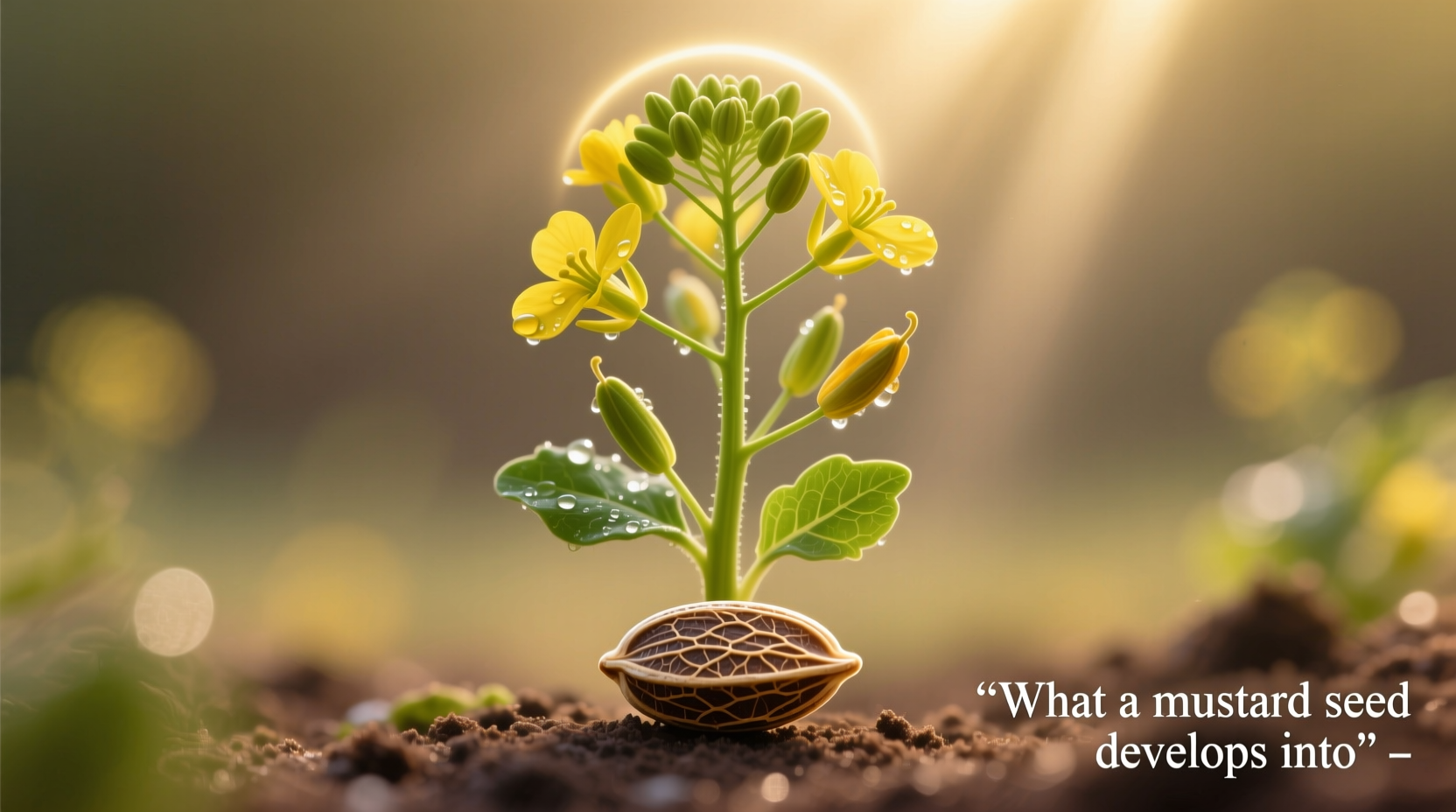
Mustard seeds come from plants in the Brassicaceae family, primarily species within the genus Brassica and Sinapis. The three most common types used in cooking are white (or yellow) mustard (Brassica hirta), brown mustard (Brassica juncea), and black mustard (Brassica nigra). These small, round seeds are harvested before maturity and used whole, ground, or fermented to create condiments like prepared mustard, curry blends, pickling solutions, and spice rubs.
When planted under suitable conditions—moist soil, moderate temperatures, and adequate sunlight—a mustard seed begins a rapid developmental journey. What it becomes is not merely a larger version of itself but an entirely new set of ingredients: tender microgreens, peppery leafy greens, vibrant yellow flowers, and fibrous seed pods. Each stage presents distinct flavors and textures that can elevate dishes from salads to sautés, while also offering agronomic benefits such as soil remediation and pest suppression.
Key Characteristics of Mustard Seeds and Their Growth Stages
| Stage | Appearance | Flavor Profile | Culinary Use | Timeframe After Planting |
|---|---|---|---|---|
| Seed (dormant) | Small, spherical; color varies by type | Mildly nutty, dormant pungency | Spice, fermentation base | 0 days |
| Microgreen / Sprout | Delicate stem with two cotyledons | Peppery, fresh, slightly bitter | Garnish, salad mix, sandwich layer | 5–10 days |
| Baby Greens | Young leaves, 2–4 inches long | Sharp, arugula-like heat | Raw salads, quick sauté, pesto | 2–3 weeks |
| Mature Leaves | Larger, deeply lobed foliage | Pronounced bitterness, spicy bite | Stir-fries, soups, kimchi base | 4–6 weeks |
| Flowering Stage | Yellow blossoms on slender stalks | Subtly sweet, floral, mild mustard note | Edible flower garnish, infused oils | 6–8 weeks |
| Seed Pods (Green) | Slender, green siliques | Crisp, mildly peppery | Pickled vegetables, stir-fry component | 8–10 weeks |
| Seed Pods (Mature/Dry) | Dry, brown, brittle husks | Negligible flavor (husk); seeds inside retain potency | Seed harvesting, replanting, grinding | 10–12 weeks |
Practical Usage: How Each Stage Can Be Used in Cooking
The true value of understanding what a mustard seed develops into lies in practical application. Instead of treating mustard solely as a pantry staple, forward-thinking cooks now view it as a multi-harvest crop with successive yields across its lifecycle.
Using Sprouts and Microgreens (5–10 Days After Germination)
Within a week of planting, mustard seeds produce bright green sprouts rich in sulforaphane, a compound linked to antioxidant activity. These are ideal for adding a spicy crunch to sandwiches, grain bowls, or avocado toast. For best results, harvest just after the first true leaves emerge. A simple application: toss mustard microgreens with lemon zest, olive oil, flaked sea salt, and shaved Parmesan for a vibrant side salad.
TIP: Grow mustard microgreens indoors using a shallow tray and potting mix. Harvest with scissors at soil level—no need to pull roots. They regrow minimally, so treat them as single-harvest crops.
Cooking with Baby and Mature Leaves (2–6 Weeks)
As the plant matures, its leaves become increasingly robust. Baby leaves at 2–3 weeks offer a milder alternative to arugula, perfect for raw preparations. Beyond four weeks, the leaves develop a stronger, more complex bitterness suited to cooking. Sauté mature mustard greens with garlic, red pepper flakes, and a splash of rice vinegar to balance the heat. In Southern U.S. cuisine, they’re often cooked low and slow with smoked turkey; in Indian kitchens, they form the base of *sarson ka saag*, traditionally served with cornflatbread (*makki di roti*).
To reduce bitterness without sacrificing flavor, blanch leaves for 90 seconds before further cooking. Pair with creamy elements like yogurt, coconut milk, or mashed potatoes to harmonize sharpness.
Harvesting and Using Flowers (6–8 Weeks)
The bright yellow flowers of the mustard plant are entirely edible and add visual appeal alongside subtle spice. Use them as a garnish on risottos, soft cheeses, or seafood crudo. Because they wilt quickly, add them at the last moment. Their delicate structure makes them unsuitable for cooking but excellent for infusions: steep petals in warm vinegar for 24 hours to create a lightly spiced mustard-flower vinaigrette.
Utilizing Green Seed Pods (8–10 Weeks)
After flowering, the plant forms long, slender green pods—botanically known as siliques. At this immature stage, they resemble tiny okra or capers in texture. Slice thinly and pickle with rice vinegar, mustard seeds, and coriander for a tangy condiment. Alternatively, stir-fry with shrimp or scallops for a crisp, peppery contrast. Chefs in high-end farm-to-table restaurants often feature green mustard pods in spring tasting menus for their novelty and seasonal relevance.
Harvesting Mature Seeds (10–12 Weeks)
Once the pods dry and turn brown, they split open naturally to release new seeds. To prevent loss, gardeners enclose flowering heads in mesh bags or harvest entire stalks when ~70% of pods have dried. After curing in a warm, ventilated area, the seeds are threshed and stored. These newly harvested seeds can be used immediately or saved for future planting. Freshly ground mustard seed produces a more vibrant, pungent powder than store-bought versions due to preserved essential oils.
PRO TIP: Make homemade Dijon-style mustard by combining freshly ground brown mustard seeds with white wine, white wine vinegar, and a touch of honey. Let the mixture age for 48 hours to allow enzymes to activate and develop full heat.
Variants & Types: Which Mustard Plants Are Best for Multi-Stage Harvest?
Not all mustard varieties perform equally well across growth stages. Some are bred specifically for leaf production, others for seed yield. Knowing which type to grow ensures optimal results.
- Brassica juncea (Brown Mustard): Offers the broadest utility. Known as ‘Indian mustard,’ it produces flavorful leaves used in Asian and African cuisines, abundant flowers, and high-oil-content seeds. Varieties like ‘Ruby Streaks’ and ‘Golden Frill’ are ornamental and edible, prized for their colorful, frilly foliage.
- Brassica nigra (Black Mustard): Produces the most pungent seeds and intensely flavored leaves. However, it’s harder to cultivate outside Mediterranean climates and tends to bolt quickly in heat.
- Sinapis alba (White/Yellow Mustard): Milder in flavor, with broader, less serrated leaves. Often grown as a cover crop due to its allelopathic properties—releasing compounds that suppress nematodes and weeds.
- Hybrid Varieties (e.g., Wasabi Mustard, Mizuna): While not true mustards, many Brassica rapa cultivars share genetic traits and cross-utilization. Mizuna, for instance, has feathery leaves with mild heat and is frequently grouped with mustard greens in seed catalogs.
For culinary diversity, choose fast-growing, bolt-resistant cultivars labeled as “cut-and-come-again.” These allow multiple harvests of young leaves over several weeks, extending usability.
Comparison with Similar Ingredients
Mustard greens and sprouts are often confused with other peppery greens. Clarifying differences helps ensure proper usage.
| Ingredient | Flavor Intensity | Texture | Best Culinary Use | Key Difference |
|---|---|---|---|---|
| Mustard Greens | High – sharp, hot | Firm, slightly fuzzy | Sautéed, braised, fermented | More persistent heat than arugula; deeper color |
| Arugula (Rocket) | Medium – nutty, brief pepperiness | Delicate, smooth | Raw salads, pizza topping | Heat fades quickly upon cooking |
| Watercress | Medium-high – clean, wasabi-like | Crisp, hollow stems | Salads, soups, sandwiches | Grows in water; sharper initial bite but less lingering |
| Radish Sprouts | Very high – intense horseradish punch | Thin, fragile | Garnish, sushi accent | Shorter shelf life; more volatile heat |
\"The beauty of growing mustard is that you're not limited to one ingredient per plant. One seed gives you sprouts, greens, flowers, pods, and seeds—all with different culinary roles.\" — Chef Lena Tran, Farm-to-Table Educator
Practical Tips & FAQs
How long does it take for a mustard seed to develop into a harvestable plant?
Most mustard varieties reach microgreen stage in 5–10 days, baby leaf stage in 2–3 weeks, and full maturity in 6–10 weeks depending on climate and variety. Succession planting every 2–3 weeks ensures continuous harvest.
Can I eat all parts of the mustard plant?
Yes. The sprouts, leaves, flowers, green pods, and mature seeds are all edible. Only the woody stems of older plants should be discarded due to toughness.
Why do my mustard greens taste extremely bitter?
Bitterness intensifies with age, heat stress, and drought. Harvest younger leaves, water consistently, and grow during cooler seasons (spring/fall). Blanching before cooking reduces bitterness significantly.
How should I store harvested mustard greens?
Wrap in a damp cloth or paper towel and place in a sealed container in the refrigerator crisper drawer. Use within 4–6 days for peak freshness. Do not wash until ready to use to prevent mold.
Can I grow mustard indoors year-round?
Absolutely. Use a sunny south-facing window or LED grow lights. Maintain temperatures between 60–70°F (15–21°C). Ensure good air circulation to prevent damping-off disease in seedlings.
Are there any health benefits to consuming different stages of the mustard plant?
All stages contain glucosinolates, sulfur-containing compounds associated with anti-inflammatory and detoxification support. Microgreens have higher concentrations of vitamins C and K per gram than mature leaves. The seeds are rich in selenium and omega-3 fatty acids.
What are common pests affecting mustard plants?
Flea beetles are the primary threat, creating \"shot-hole\" damage on leaves. Use floating row covers early in the season or apply diatomaceous earth around the base. Companion planting with nasturtiums acts as a trap crop.
Can I save seeds from my homegrown mustard plants?
Yes, provided the variety is open-pollinated (not hybrid). Isolate different Brassica species by at least 1/4 mile to prevent cross-pollination. Label and store dried seeds in a cool, dark, airtight container for up to 4 years.
STORAGE CHART: Maximize shelf life by storing:
- Seeds (whole): 3–4 years in airtight jar, away from light
- Ground mustard: 6 months (loses potency quickly)
- Fresh leaves: 4–6 days refrigerated
- Dried pods/husks: 1 year (for decorative or craft use)
Summary & Key Takeaways
A mustard seed develops into far more than just a source of spice—it transforms into a dynamic, multi-stage ingredient with exceptional culinary breadth. From peppery microgreens to edible flowers and crunchy green pods, each phase offers unique textures and flavors suitable for both everyday meals and gourmet presentations. Understanding this full lifecycle empowers home cooks and gardeners to maximize yield, minimize waste, and deepen their connection to food sources.
Key advantages include:
- Successive harvests from a single planting
- High nutrient density across all edible stages
- Versatility in raw, cooked, and preserved forms
- Compatibility with small-space and indoor gardening
- Natural soil-enhancing properties when grown as a cover crop
Whether you're cultivating mustard in a backyard plot or sourcing it from local farms, recognizing what a mustard seed develops into unlocks a new paradigm of ingredient utilization—one where the journey from seed to table is not linear, but layered, evolving, and endlessly useful.
Take action today: Start a small mustard patch in a container or garden bed. Harvest at three stages—microgreens at day 7, leaves at week 3, and flowers at week 7—and prepare a dish showcasing each. Observe how flavor evolves and document your findings for future reference.




 浙公网安备
33010002000092号
浙公网安备
33010002000092号 浙B2-20120091-4
Comments
No comments yet. Why don't you start the discussion?