
Hatch chile peppers have achieved near-mythical status in American regional cuisine, particularly within Southwestern and New Mexican cooking traditions. Revered for their complex flavor, variable heat, and seasonal availability, these peppers are more than just an ingredient—they’re a culinary event. Each summer, from late July through September, food lovers across the U.S. eagerly await the Hatch chile harvest, with markets, restaurants, and home cooks celebrating their arrival. Understanding what sets Hatch chiles apart—where they come from, how they taste, and how best to use them—is essential for anyone looking to elevate savory dishes with authentic Southwestern depth.
Definition & Overview
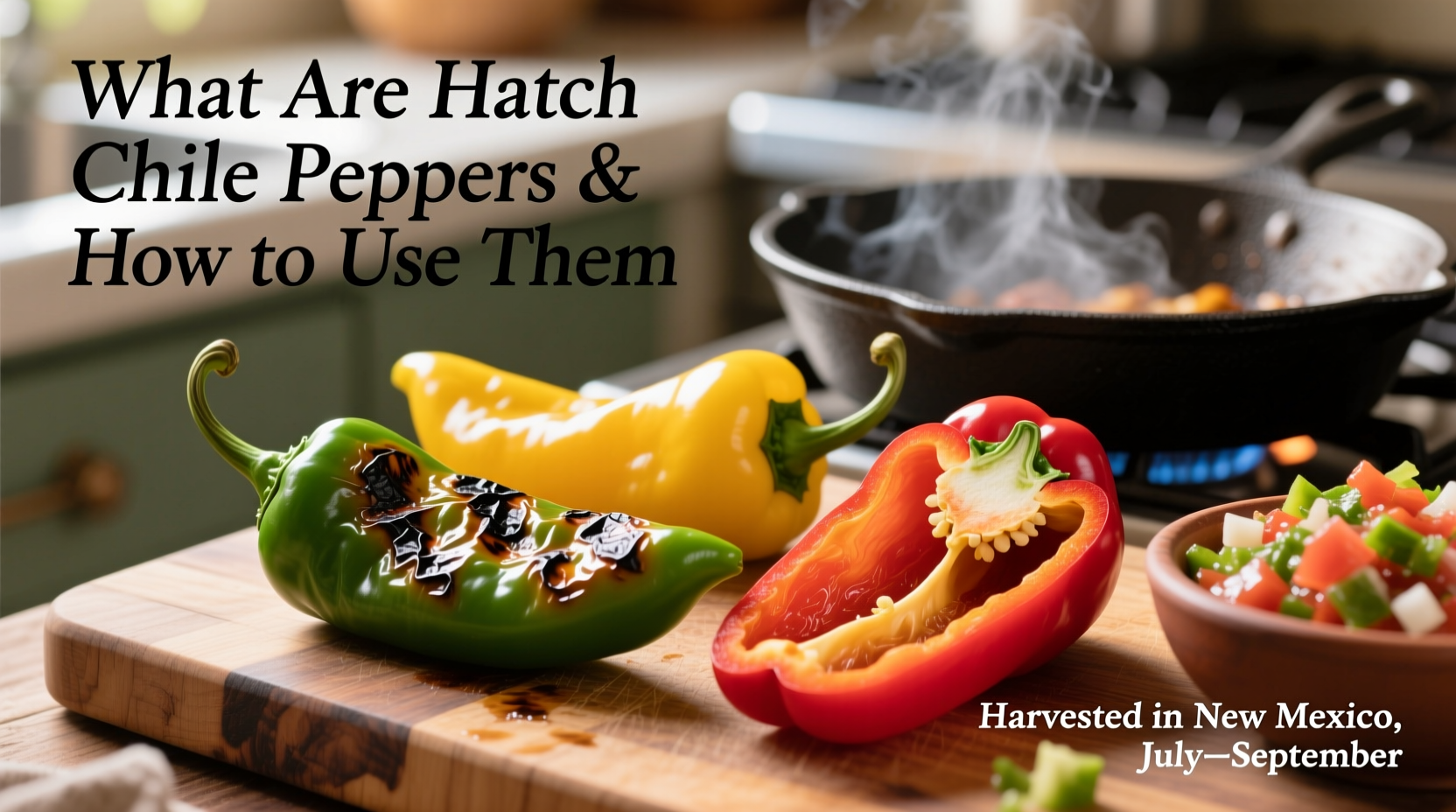
Hatch chile peppers are a regional variety of Capsicum annuum, grown primarily in the Hatch Valley of southern New Mexico. Though often associated with the town of Hatch, the term “Hatch chile” refers not to a single cultivar but to a group of green chile peppers cultivated in the fertile Rio Grande floodplain between Artesia and Las Cruces. The unique combination of high desert climate, mineral-rich soil, and irrigation from the river creates ideal growing conditions that impart a distinctive balance of sweetness, earthiness, and controlled heat.
These peppers are typically harvested while still green and immature, although some varieties ripen to red if left on the vine. Unlike mass-produced jalapeños or bell peppers found year-round in supermarkets, Hatch chiles are strongly seasonal. Their limited window makes them highly sought after, and many consumers freeze roasted batches to enjoy throughout the year.
In culinary tradition, Hatch chiles serve both as a vegetable and a flavoring agent. They are central to New Mexican cuisine, where they form the backbone of sauces, stews, salsas, and stuffings. The state even designates its official “chile” (not chili with an “i”) as a point of cultural pride, distinguishing it from the Tex-Mex dish made with meat and beans.
Key Characteristics
The appeal of Hatch chile peppers lies in their nuanced sensory profile. While individual heat and flavor can vary significantly based on specific variety and growing conditions, several consistent characteristics define the category:
| Attribute | Description |
|---|---|
| Flavor Profile | Earthy, slightly sweet, with grassy and smoky notes; becomes richer when roasted. |
| Aroma | Pungent and vegetal when raw; develops deep, toasted aromas after roasting. |
| Color/Form | Long, slender pods (6–8 inches), tapered at the tip; harvested green, may turn red if matured. |
| Heat Level (Scoville) | 1,000–8,000 SHU; ranges from mild to hot depending on variety and growing conditions. |
| Culinary Function | Flavor base, sauce ingredient, stuffing vegetable, garnish, or standalone side. |
| Shelf Life (Fresh) | 5–7 days refrigerated; up to one year when roasted and frozen. |
This variability is part of what makes Hatch chiles so compelling: no two harvests are identical. A mild batch might resemble a poblano in heat but surpass it in aromatic complexity, while a hotter version can approach the intensity of a serrano without the sharp acidity.
Variants & Types
Within the broad umbrella of “Hatch chiles,” several named cultivars are grown, each selected for different traits such as yield, disease resistance, and heat level. These are not distinct species but rather cultivated lines adapted to local farming needs. The most common include:
- Beso del Diablo (“Devil’s Kiss”) – Hotter end of the spectrum, used for those seeking pronounced spice with full-bodied flavor.
- New Mexico No. 6-4 – One of the original commercial varieties, known for balanced heat and high yield.
- Heritage Big Jim – A favorite among home gardeners and chefs; large pods ideal for stuffing, with moderate heat and excellent roasting qualities.
- Luna – Bred for uniformity and shelf life, commonly found in grocery distribution chains.
- Elephant Cub – Mild and extra-large, perfect for roasting and dicing into casseroles or breakfast dishes.
It's important to note that the name \"Hatch\" does not guarantee origin. Due to branding demand, peppers grown outside New Mexico—sometimes as far as California or Mexico—are occasionally labeled as Hatch chiles. True Hatch chiles are certified by the New Mexico Chile Association and carry a geographic indication. For authenticity, look for packaging that specifies “Grown in the Hatch Valley” or bears the official seal.
Tip: When purchasing Hatch chiles, ask about the specific variety and heat level. Farmers' markets and specialty grocers often provide this information, allowing you to match the pepper to your intended dish—mild for stuffed chiles, hotter for sauces.
Comparison with Similar Ingredients
Hatch chiles are frequently compared to other green chile peppers, but key differences in flavor, texture, and usage set them apart.
| Pepper Type | Heat (SHU) | Flavor Notes | Best Uses | How It Differs from Hatch |
|---|---|---|---|---|
| Poblano | 1,000–2,000 | Mild, earthy, slightly bitter | Chiles rellenos, rajas, moles | Less sweet, less complex aroma; thicker wall, less juicy |
| Jalapeño | 2,500–8,000 | Sharp, grassy, bright heat | Salsas, pickled, sliced raw | More immediate heat, lacks smoky-sweet depth; smaller size |
| Serrano | 10,000–23,000 | Pungent, crisp, intense | Fresh salsas, garnishes | Significantly hotter; thinner walls, less suitable for roasting |
| Cubanelle | 0–1,000 | Very mild, sweet, bell-like | Sautéed dishes, frying | No real heat; lacks chile character entirely |
“True Hatch chiles have a terroir-driven complexity you don’t find in greenhouse-grown substitutes. It’s like comparing a backyard tomato in August to one shipped in January.” — Chef Elena Martinez, Santa Fe Culinary Institute
Unlike canned or jarred green chiles (often generic blends), fresh Hatch peppers offer superior texture and brightness. Their flesh holds up well to roasting, developing a silken consistency without disintegrating—a critical trait for sauces and casseroles.
Practical Usage: How to Use Hatch Chile Peppers
The hallmark of Hatch chile preparation is roasting. This process transforms their flavor, mellowing raw vegetal notes and introducing a subtle smokiness that enhances any dish. Roasting also loosens the skin, which is typically removed before use due to its tough texture.
Step-by-Step Guide to Roasting Hatch Chiles
- Preheat grill, broiler, or gas stove burner. Charcoal or gas grills work best, but a cast-iron skillet over high flame is effective.
- Place whole peppers directly over heat. Turn frequently using tongs until all sides are blistered and blackened (8–12 minutes).
- Steam in a sealed container. Transfer roasted peppers to a stainless steel bowl and cover with plastic wrap or place in a paper bag for 10–15 minutes. This steaming step makes peeling easier.
- Peel under running water. Rub off charred skin gently; remove stem and seeds if desired (seeds add heat).
- Use immediately or freeze. Store in vacuum-sealed bags or airtight containers for up to 12 months.
Once roasted and prepped, Hatch chiles can be incorporated in countless ways:
- Chile Rellenos: Stuffed with cheese (typically queso fresco or Monterey Jack), dipped in egg batter, and fried until golden.
- Green Chile Sauce: Diced chiles simmered with garlic, onions, cumin, and chicken or vegetable stock. Serve over enchiladas, carne adovada, or eggs.
- Breakfast Dishes: Add to scrambled eggs, breakfast burritos, or hash browns for a spicy kick.
- Stews and Soups: Fold into posole, green chile stew, or white bean soup for depth.
- Stuffing and Casseroles: Mix diced roasted chiles into cornbread stuffing or layer into lasagna for a Southwestern twist.
- Salsas and Relishes: Combine with tomatoes, cilantro, lime juice, and onion for a fresh table salsa.
- Marinades and Brines: Puree roasted chiles into marinades for chicken, pork, or tofu to infuse smoky heat.
Pro Tip: Freeze roasted Hatch chiles in 1-cup portions. Label by heat level (if known) for easy access during winter months. Thaw overnight in the fridge or microwave briefly before use.
Professional Techniques
In restaurant kitchens, Hatch chiles are treated as a foundational ingredient. Chefs often roast large batches at the start of service week. Some upscale Southwestern establishments go further:
- Smoked Infusion: Add a touch of mesquite or pecan smoke during roasting to amplify natural smokiness.
- Layered Heat: Blend mild and hot Hatch varieties to create sauces with dimensional spice.
- Emulsified Sauces: Blend roasted chiles with nuts (like pine nuts or almonds) and cream for luxurious, velvety sauces.
Pairing Hatch chiles with complementary ingredients enhances their profile. They work exceptionally well with:
- Dairy: Melty cheeses (Jack, cheddar, Oaxaca) and crema temper the heat and enrich mouthfeel.
- Pork: Slow-roasted pork shoulder absorbs chile flavors beautifully in carnitas or green chile stew.
- Corn: Whether in tortillas, polenta, or kernels, corn’s sweetness balances the pepper’s fire.
- Tomatillo: Combining with tomatillo creates a hybrid green sauce with tangy depth.
Practical Tips & FAQs
Are Hatch chiles always hot?
No. The heat varies widely based on genetics and environmental stress. Sun exposure, water levels, and soil nutrients influence capsaicin production. Always taste a small piece before adding to a dish. If you're sensitive to spice, stick to labeled “mild” varieties or remove all seeds and inner membranes.
Can I eat Hatch chiles raw?
Yes, but they’re rarely served uncooked. Raw Hatch chiles have a sharp, green, almost bitter edge that softens dramatically with heat. Most recipes call for roasting or sautéing to develop flavor and improve texture.
How do I store fresh Hatch chiles?
Keep unwashed peppers in a paper bag in the crisper drawer for up to one week. Do not wash until ready to use—moisture accelerates spoilage. For long-term storage, roast and freeze as described earlier.
What if I can't find fresh Hatch chiles?
Look for frozen roasted Hatch chiles in supermarkets (especially during peak season). Canned green chiles are a last-resort substitute but lack freshness and often contain preservatives. Avoid non-Hatch-labeled products if authenticity matters. Alternatively, blend roasted poblanos with a touch of smoked paprika to approximate the flavor.
Are Hatch chiles the same as Anaheim peppers?
Not exactly. While both are Capsicum annuum and share visual similarities, Anaheims are generally milder (500–2,500 SHU) and less flavorful. Many peppers sold as “Anaheim” in stores are actually milder Hatch varieties. True Hatch chiles have greater terroir expression and complexity.
Is there a red version of Hatch chile?
Yes. When allowed to ripen fully, green Hatch chiles turn deep red and develop a sweeter, fruitier profile. Red Hatch chiles are used to make traditional red chile sauce, a staple in New Mexican platters. The dried form is ground into chile powder, prized for its rich color and layered heat.
Checklist: Buying & Using Hatch Chiles
- Buy during peak season: late July to September.
- Inspect for firmness, glossy skin, and absence of wrinkles or mold.
- Ask for heat level guidance when purchasing in bulk.
- Roast in batches to save time.
- Label frozen portions clearly.
- Use gloves when handling hot varieties to avoid skin irritation.
Summary & Key Takeaways
Hatch chile peppers are a cornerstone of Southwestern American cuisine, celebrated for their seasonal availability, complex flavor, and versatility in cooking. Grown exclusively in New Mexico’s Hatch Valley, these green chiles range from mild to hot and are distinguished by their earthy sweetness and roasty depth when prepared properly.
Understanding their characteristics—flavor, heat variability, and optimal uses—empowers home cooks to use them effectively. Roasting is essential to unlock their full potential, transforming them into a culinary asset for sauces, stuffings, stews, and breakfast dishes. While substitutes exist, none replicate the unique terroir-driven quality of true Hatch-grown peppers.
Because of their short harvest window, planning is key. Purchase in bulk during season, roast, and freeze for year-round enjoyment. Whether you're making a simple green chile cheeseburger or a traditional New Mexican stew, Hatch chiles deliver a taste of place unlike any other pepper in the American pantry.
This season, seek out genuine Hatch chiles at farmers’ markets or specialty grocers. Try roasting a batch and incorporating them into your favorite comfort dishes—you’ll understand why they inspire such devotion.




 浙公网安备
33010002000092号
浙公网安备
33010002000092号 浙B2-20120091-4
Comments
No comments yet. Why don't you start the discussion?