
Afternoon brain fog is a common experience—your focus fades, your thoughts feel sluggish, and even simple tasks seem overwhelming. You're not alone: millions report this midday mental dip, often around 2–4 PM. While it’s tempting to reach for coffee or energy drinks, understanding the root causes offers a more sustainable solution. This article explores the physiological, dietary, and lifestyle factors behind afternoon cognitive fatigue and provides practical, natural strategies to maintain clarity and energy throughout the day.
The Science Behind Afternoon Mental Fatigue
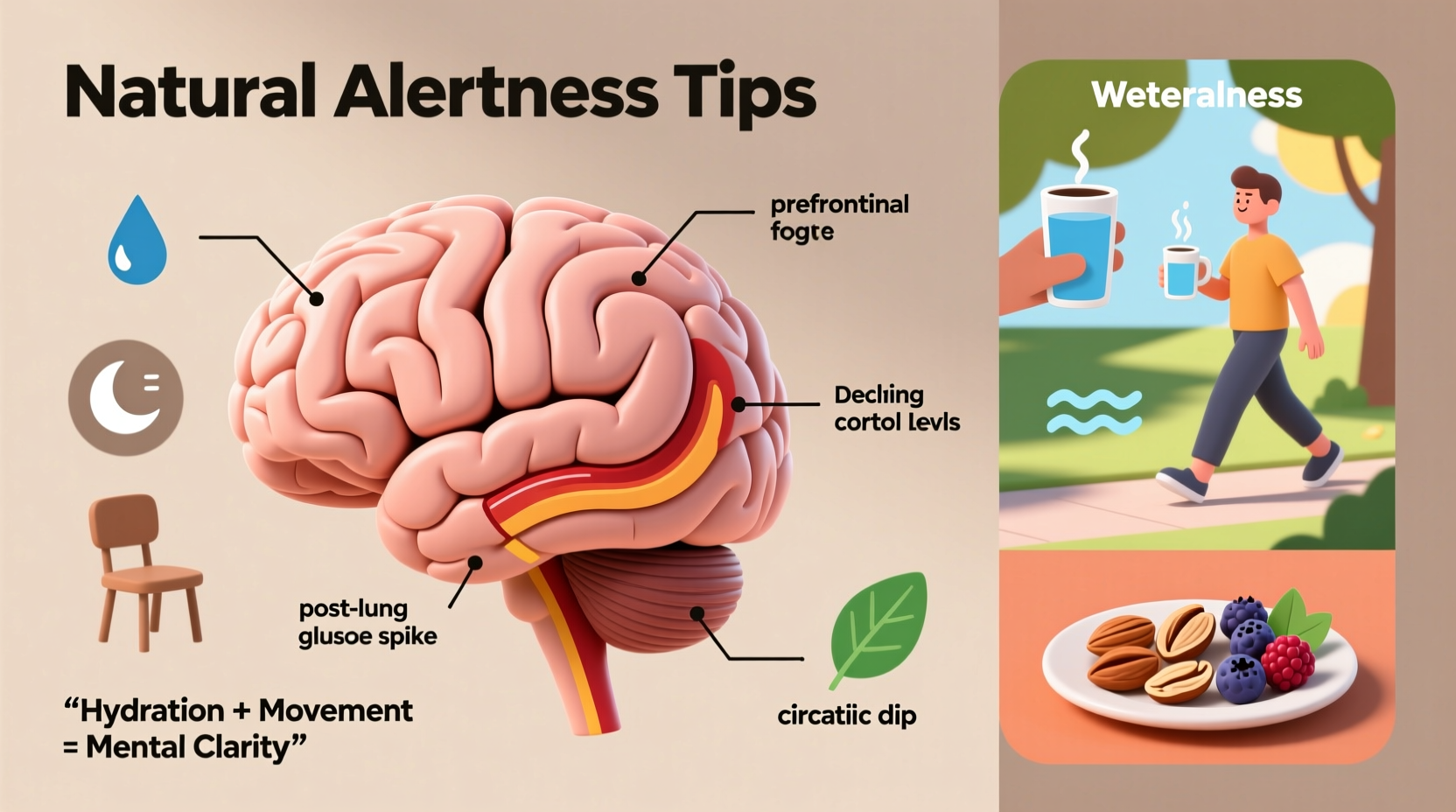
Your brain relies on consistent energy supply, stable blood sugar, and proper neurotransmitter balance to function optimally. In the afternoon, several biological rhythms converge to create the perfect storm for mental fog.
One primary driver is the circadian rhythm. Humans are biologically wired for a dip in alertness during the early afternoon—a phenomenon known as the \"post-lunch dip.\" This isn't just cultural; it's observed across diverse populations, even in cultures without formal lunch breaks. The suprachiasmatic nucleus (SCN), the brain’s internal clock, regulates this lull as part of a natural bimodal sleep pattern seen in many mammals.
Additionally, cortisol levels—which peak in the morning to help you wake up—naturally decline by early afternoon. Melatonin, typically associated with nighttime sleep, also experiences a minor surge during this time in some individuals, further contributing to drowsiness.
Dietary Triggers of Cognitive Decline
What you eat at lunch has a direct impact on how sharp you feel afterward. Meals high in refined carbohydrates—white bread, pasta, sugary sauces—cause rapid spikes in blood glucose. This triggers an overproduction of insulin, which can lead to a subsequent crash, leaving you fatigued and mentally hazy.
A 2020 study published in Appetite found that participants who consumed high-glycemic meals reported significantly lower concentration and higher fatigue within 90 minutes of eating compared to those who ate balanced, protein-rich meals.
Moreover, skipping breakfast or under-eating in the morning sets the stage for overcompensation at lunch, increasing the likelihood of a metabolic rollercoaster. Dehydration is another overlooked factor: even mild dehydration (as little as 1–2%) impairs attention, memory, and executive function.
“Blood sugar instability is one of the most common yet underdiagnosed contributors to midday brain fog.” — Dr. Lena Patel, Neurologist and Cognitive Health Specialist
Natural Strategies to Sustain Mental Clarity
Instead of relying on stimulants, consider adjusting your daily habits to support sustained cognitive performance. These evidence-based methods address the root causes of afternoon fatigue.
1. Optimize Your Lunch Composition
Choose meals rich in lean protein, healthy fats, and fiber. These macronutrients slow digestion and promote steady glucose release. Examples include grilled salmon with quinoa and roasted vegetables, lentil soup with avocado, or a salad with chickpeas, nuts, and olive oil dressing.
2. Stay Hydrated Throughout the Day
Dehydration reduces cerebral blood flow and oxygen delivery to the brain. Aim for at least 2 liters of water daily, more if active. Herbal teas like peppermint or ginger can provide hydration without caffeine.
3. Take a Strategic Movement Break
Physical activity increases cerebral circulation and stimulates the release of norepinephrine and dopamine—neurotransmitters linked to alertness. A 10-minute walk after lunch can improve cognitive performance for up to two hours.
4. Practice Controlled Breathing or Mindfulness
Deep diaphragmatic breathing activates the parasympathetic nervous system, reducing stress-induced brain fog. Try box breathing: inhale for 4 seconds, hold for 4, exhale for 4, hold for 4. Repeat for 2–5 minutes.
5. Use Light Exposure to Reset Alertness
Natural sunlight helps regulate circadian rhythms. Step outside for 5–10 minutes after lunch. If outdoor access is limited, use bright artificial light (at least 10,000 lux) to signal wakefulness to your brain.
| Natural Strategy | How It Helps | When to Use |
|---|---|---|
| Protein-rich lunch | Stabilizes blood sugar and supports neurotransmitter production | At midday meal |
| Hydration | Maintains cerebral perfusion and metabolic efficiency | Throughout the day |
| Brief physical activity | Boosts oxygen delivery and neurochemical alertness | 10–15 min post-lunch |
| Natural light exposure | Resets circadian alertness signals | Early afternoon |
| Mindful breathing | Reduces cortisol and enhances prefrontal cortex function | As needed, especially when stressed |
Mini Case Study: Recovering Focus Without Coffee
Sarah, a 34-year-old project manager, struggled with severe afternoon brain fog. By 2 PM, she’d lose focus, make errors in reports, and crave a third cup of coffee. Her typical lunch was a turkey sandwich on white bread with chips and soda—high in refined carbs and sodium but low in fiber and healthy fats.
Working with a nutrition coach, Sarah adjusted her routine. She started her day with a protein-rich breakfast (eggs and spinach), drank water consistently, and switched her lunch to grilled chicken with sweet potato and broccoli. She also committed to a 12-minute walk outside after eating.
Within two weeks, Sarah reported a dramatic improvement. “I’m no longer fighting to stay awake at my desk,” she said. “I finish work with energy instead of dragging myself through the last few hours.” Her productivity increased, and she stopped relying on caffeine after 1 PM.
Step-by-Step Guide to Beat Afternoon Brain Fog Naturally
Follow this timeline to restructure your day for sustained mental clarity:
- 7:00–8:00 AM: Start with a protein-rich breakfast (e.g., Greek yogurt with nuts, eggs with vegetables). Avoid sugary cereals or pastries.
- 8:00–10:00 AM: Tackle high-focus tasks while mental energy is naturally highest.
- 10:00 AM: Drink a glass of water and do 2 minutes of deep breathing or stretching.
- 12:00–12:30 PM: Eat a balanced lunch with lean protein, complex carbs, and healthy fats. Chew slowly.
- 12:30–12:45 PM: Take a 10–15 minute walk outdoors. No phone, just movement and light exposure.
- 1:30–2:00 PM: If drowsy, try 5 minutes of box breathing or a quick full-body stretch session.
- 2:00–4:00 PM: Work in focused 45-minute blocks with 5-minute breaks involving movement or eye relaxation.
- 3:00 PM: Hydrate with herbal tea or water. Consider a small snack like almonds or an apple with nut butter if energy dips.
- 4:30 PM onward: Shift to lighter tasks or planning. Use natural light and movement to stay alert until the end of the day.
Common Mistakes That Worsen Afternoon Fog
- Overloading on caffeine: While coffee can help short-term, excessive intake disrupts sleep and leads to dependency, worsening long-term energy regulation.
- Eating large, heavy lunches: Large meals divert blood flow to the digestive system, reducing oxygen to the brain.
- Ignoring sleep quality: Poor or inconsistent sleep undermines cognitive resilience, making afternoon crashes more likely.
- Sedentary behavior: Sitting for hours without breaks slows circulation and reduces mental sharpness.
- Chronic stress: Elevated cortisol impairs hippocampal function, affecting memory and focus.
FAQ: Common Questions About Afternoon Brain Fog
Can lack of sleep really cause brain fog the next afternoon?
Yes. Even one night of poor sleep reduces prefrontal cortex activity, impairing decision-making and attention. Chronic sleep deprivation accumulates, making afternoon fatigue almost inevitable.
Is brain fog a sign of a medical condition?
Occasional brain fog is normal, but persistent or severe symptoms may indicate underlying issues such as hypothyroidism, vitamin B12 deficiency, insulin resistance, or chronic fatigue syndrome. Consult a healthcare provider if lifestyle changes don’t help.
Are there supplements that help with mental clarity?
Some evidence supports omega-3 fatty acids, magnesium, and adaptogens like rhodiola rosea for cognitive support. However, they should complement—not replace—foundational habits like good nutrition, sleep, and exercise.
Checklist: Daily Habits to Prevent Afternoon Brain Fog
- ☑ Eat a protein-rich breakfast
- ☑ Drink at least 2 liters of water
- ☑ Consume a balanced, low-glycemic lunch
- ☑ Take a 10-minute walk after eating
- ☑ Get 15+ minutes of natural sunlight
- ☑ Practice deep breathing or mindfulness
- ☑ Limit caffeine after 1 PM
- ☑ Maintain consistent sleep schedule (7–9 hours)
- ☑ Avoid prolonged sitting—move every hour
- ☑ Monitor mental clarity and adjust habits weekly
Conclusion: Reclaim Your Afternoons Naturally
Afternoon brain fog isn’t an unavoidable fact of modern life—it’s a signal from your body that something needs adjustment. Whether it’s your diet, hydration, movement, or sleep, small, consistent changes can dramatically improve your mental stamina. Instead of masking fatigue with stimulants, address the root causes and build a sustainable rhythm that supports lasting clarity.




 浙公网安备
33010002000092号
浙公网安备
33010002000092号 浙B2-20120091-4
Comments
No comments yet. Why don't you start the discussion?