
Every year, as families gather to celebrate the holidays, a quiet danger can lurk in the corner of the living room: the Christmas tree. While festive and symbolic, real or artificial trees pose a fire hazard if not properly maintained. According to the National Fire Protection Association (NFPA), between 2014 and 2018, U.S. fire departments responded to an average of 160 home fires per year that started with a Christmas tree. These fires caused an average of three deaths, 15 injuries, and $10 million in direct property damage annually. Understanding the root causes—and taking proactive steps—can protect your home and loved ones.
Common Causes of Christmas Tree Fires
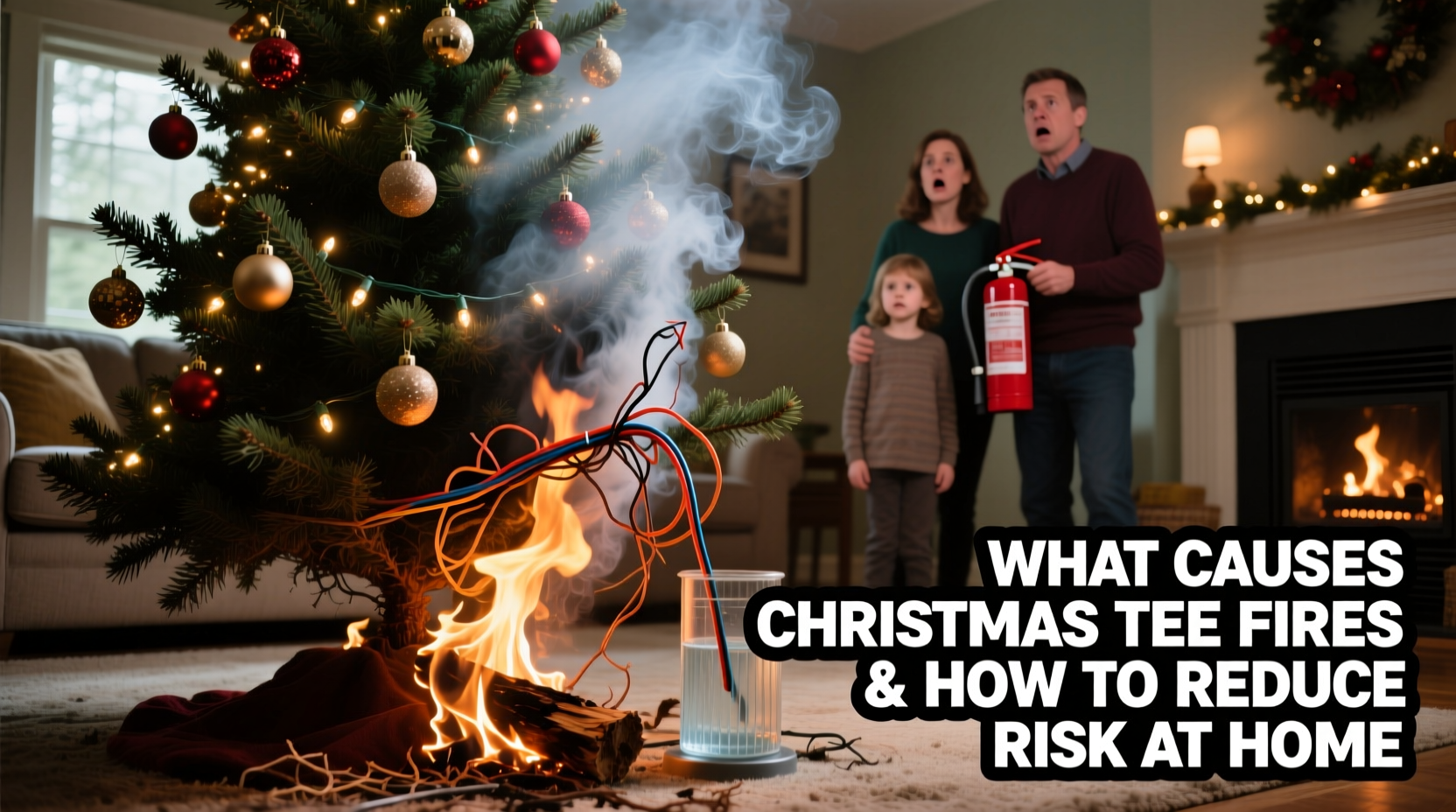
Christmas tree fires are relatively rare compared to other household fire sources, but when they do occur, they tend to be severe. The primary causes fall into two categories: electrical issues and open flame exposure.
- Electrical faults: Faulty or damaged light strings, overloaded circuits, and improper wiring are leading causes. Lights left on for extended periods generate heat, especially older incandescent models.
- Dry trees: A dried-out real tree becomes highly flammable. Once ignited, it can engulf a room in flames within seconds due to its large surface area and resin content.
- Candles and open flames: Despite their traditional charm, candles placed near trees significantly increase fire risk. Even a slight draft can cause a flame to leap onto low-hanging branches.
- Decorations near heat sources: Placing ornaments, tinsel, or garlands too close to heaters, fireplaces, or stoves can lead to ignition.
- Extension cord misuse: Using indoor cords outdoors, daisy-chaining multiple extension cords, or using cords not rated for holiday lights increases overheating risk.
“Holiday decorations contribute to over 7,000 home fires each year. A dry Christmas tree can go up in flames in less than 30 seconds.” — Lori Greene, Director of Codes and Standards, NFPA
Real-World Example: A Preventable Tragedy
In December 2019, a family in Ohio returned from a holiday party to find their home engulfed in flames. The fire originated in the living room where a real Christmas tree had caught fire. Investigators determined that a strand of old, frayed lights had short-circuited, igniting nearby dry needles. The tree had not been watered in over a week and was located just inches from a space heater. Although no one was injured, the family lost irreplaceable heirlooms and photographs.
This case highlights multiple preventable failures: lack of tree hydration, proximity to a heat source, and use of outdated lighting. With proper care and awareness, such incidents can be avoided entirely.
Step-by-Step Guide to Minimizing Christmas Tree Fire Risk
Reducing the risk of a Christmas tree fire involves consistent attention before, during, and after setup. Follow this timeline to ensure safety throughout the season.
- Choose the right tree: If buying a real tree, select one with fresh green needles that don’t fall off easily when touched. Shake the tree gently; minimal needle drop indicates freshness.
- Make a fresh cut: Before placing the tree in its stand, cut 1–2 inches off the base. This allows the tree to absorb water more efficiently.
- Use a sturdy stand with adequate water capacity: Ensure the stand holds enough water—typically one quart per inch of stem diameter. Check water levels daily.
- Inspect all lights and cords: Look for cracked sockets, frayed wires, or loose connections. Discard any damaged sets. Only use lights labeled “UL-listed” for indoor or outdoor use.
- Limit light strands: Connect no more than three standard light sets end-to-end unless directions specify otherwise. Overloading circuits generates excess heat.
- Keep trees away from heat sources: Maintain at least a three-foot distance from radiators, fireplaces, space heaters, and candles.
- Install smoke alarms: Ensure working smoke alarms are installed on every level of the home, especially near bedrooms. Test them monthly.
- Turn off lights at night: Use a timer or manually switch off tree lights before bed or leaving the house.
- Dispose of the tree properly: Remove the tree from your home before it begins to dry out—ideally within four weeks of setup. Don’t store it in the garage or against the house.
Do’s and Don’ts: Holiday Tree Safety Checklist
| Do’s | Don’ts |
|---|---|
| Water your real tree daily | Let your tree go without water for more than a few hours |
| Use LED lights (they run cooler) | Use broken or flickering light strings |
| Place the tree away from exits and vents | Block doorways or hallways with the tree |
| Check local recycling options for tree disposal | Burn your tree in a fireplace or wood stove (resin can cause creosote buildup) |
| Use non-combustible stands and bases | Place candles or matches near the tree |
Frequently Asked Questions
Are artificial trees safer than real trees?
Artificial trees are generally less flammable if made from fire-resistant materials and kept away from heat sources. However, they are not fireproof. Older or poorly manufactured trees may contain flammable plastics. Always look for a “Fire Resistant” label when purchasing. That said, a well-maintained real tree is not inherently dangerous—hydration and placement matter far more than tree type.
How often should I check my Christmas tree’s water level?
Check the water level at least once per day, especially during the first week when trees consume the most water. A typical tree can drink up to a gallon in the first 24 hours. If the water drops below the base of the trunk, the cut seals over, preventing further absorption and accelerating drying.
Can I use extension cords for my tree lights?
You can, but only if the cord is rated for the load and intended use. Use heavy-duty, indoor-rated extension cords and avoid running them under rugs or furniture. Never plug multiple high-wattage light strands into a single outlet or cord. Consider using a power strip with surge protection and overload shut-off.
Expert Recommendations for Long-Term Safety
Fire safety experts emphasize that prevention starts long before the tree goes up. Homeowners should audit their electrical systems annually, especially if using older homes with outdated wiring. GFCI outlets in living areas and basements reduce shock and fire risks. Additionally, integrating smart home devices—like Wi-Fi-enabled plugs with timers and remote shutoff—adds a layer of control.
“The best defense against holiday fires is vigilance. A tree that looks fine might be dangerously dry inside. Water it daily, inspect lights, and never ignore warning signs like browning needles or flickering bulbs.” — David Dorer, Senior Electrical Engineer, Underwriters Laboratories
Another overlooked factor is decoration storage. Storing lights and cords improperly—such as tightly coiled or in damp basements—can degrade insulation over time, increasing the risk of shorts. Wrap cords loosely around a piece of cardboard and store in a cool, dry place.
Conclusion: Make Safety Part of Your Holiday Tradition
The Christmas tree is a centerpiece of joy, warmth, and tradition. But its beauty comes with responsibility. By understanding what causes tree fires—dryness, electrical faults, and open flames—and taking deliberate, informed actions, you can preserve both the spirit and safety of the season. Simple habits like daily watering, using LED lights, and turning off decorations at night are small efforts with massive impact.
Fire doesn’t discriminate based on intention. It responds to conditions. And those conditions are within your control. This year, make fire prevention as much a part of your holiday ritual as hanging the star or singing carols. Your family’s safety depends not on luck, but on preparation.




 浙公网安备
33010002000092号
浙公网安备
33010002000092号 浙B2-20120091-4
Comments
No comments yet. Why don't you start the discussion?