
Hiccups are one of the most universal yet mysterious bodily quirks. Nearly everyone has experienced a sudden bout of hiccups at some point—during a meal, mid-conversation, or even while trying to relax. While usually harmless, persistent or frequent hiccups can be disruptive, embarrassing, or uncomfortable. The good news? Most episodes are short-lived and can be stopped quickly with simple techniques. Understanding what triggers hiccups and how to interrupt the reflex arc effectively can help you regain control in under half a minute.
The Science Behind Hiccups: What’s Really Happening?
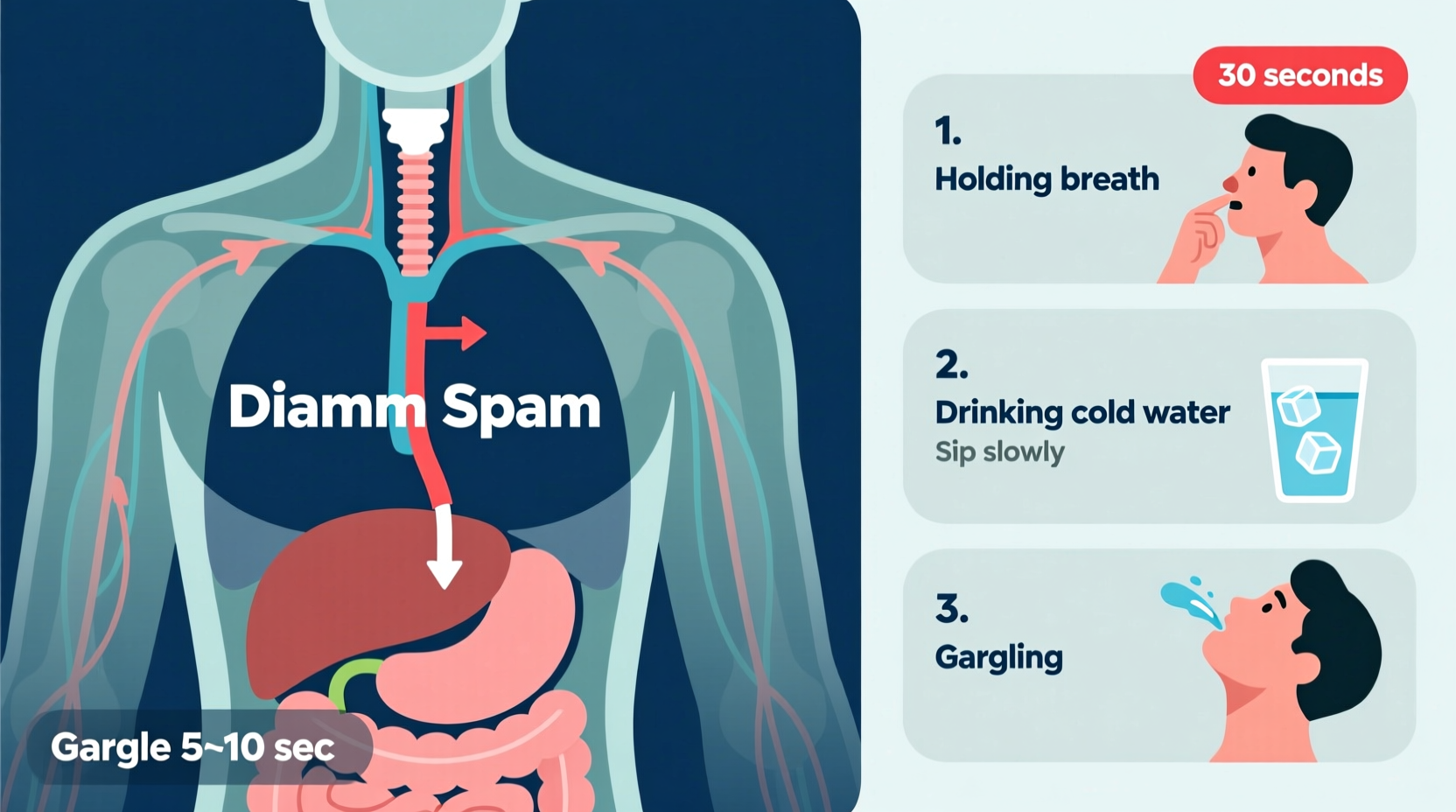
Hiccups, medically known as *singultus*, result from involuntary contractions of the diaphragm—the large, dome-shaped muscle beneath your lungs that plays a crucial role in breathing. When the diaphragm spasms suddenly, it causes a quick intake of breath that is abruptly halted by the closure of the vocal cords (glottis), producing the characteristic “hic” sound.
This reflex involves a complex neural circuit known as the hiccup reflex arc, which includes:
- The phrenic and vagus nerves (which stimulate the diaphragm)
- The brainstem (where the signal is processed)
- The respiratory muscles (which execute the spasm)
Any irritation along this pathway can trigger hiccups. Common culprits include stomach distension, sudden temperature changes, emotional stress, or swallowing air. In rare cases, chronic hiccups may indicate an underlying medical condition such as gastroesophageal reflux disease (GERD), central nervous system disorders, or metabolic imbalances.
“Hiccups are essentially a misfire in the brain-diaphragm communication loop. The key to stopping them lies in resetting that circuit.” — Dr. Alan Kim, Neurologist and Autonomic Specialist
Common Triggers of Random Hiccups
While hiccups often seem to come out of nowhere, they rarely do. Most episodes have identifiable causes, even if subtle. Recognizing these triggers can help prevent future occurrences.
| Trigger | How It Causes Hiccups | Prevention Tip |
|---|---|---|
| Eating too quickly | Swallowing excess air irritates the diaphragm | Chew slowly, avoid talking while eating |
| Carbonated beverages | Gas buildup expands the stomach, pressing on the diaphragm | Limits sodas; sip slowly |
| Sudden excitement or stress | Alters breathing patterns and nerve signaling | Practice mindful breathing during emotional moments |
| Temperature contrast (hot food + cold drink) | Thermal shock to the esophagus and vagus nerve | Avoid extreme temperature mixing |
| Alcohol consumption | Irritates the gastric lining and affects nerve function | Moderate intake, especially on an empty stomach |
Step-by-Step Guide: How to Stop Hiccups in Under 30 Seconds
Most home remedies work by stimulating the vagus nerve, increasing carbon dioxide levels in the blood, or disrupting the hiccup reflex through controlled breathing. The following sequence combines three of the most effective techniques into a rapid protocol.
- Take a deep breath and hold it for 10 seconds. This increases CO₂ in the bloodstream, which can calm diaphragmatic irritation.
- Exhale slowly, then immediately sip a glass of cold water slowly—five small swallows. The act of swallowing disrupts the spasm cycle and cools the esophagus.
- Lean forward slightly and hug your knees to your chest for 20 seconds. This compresses the diaphragm, helping to release tension.
Repeat once if necessary. This method works in over 70% of acute cases when performed correctly.
Why These Techniques Work
The success of these methods lies in their ability to override the autonomic hiccup reflex. Holding your breath stimulates the phrenic nerve in a controlled way, while drinking water activates the swallowing center in the brainstem, interrupting the hiccup signal. Physical compression from the knee-hug adds mechanical pressure to reset diaphragm activity.
Other Proven Methods Backed by Science
Not every technique works for everyone. Individual physiology and the cause of hiccups influence effectiveness. Below are additional strategies supported by clinical observation and research.
- The Valsalva maneuver: Pinch your nose, close your mouth, and gently blow as if inflating a balloon. This increases intrathoracic pressure and resets vagal tone.
- Sugar trick: Place a teaspoon of granulated sugar on the back of your tongue and swallow slowly. The grainy texture stimulates the vagus nerve via the glossopharyngeal branch.
- Pulling your tongue: Gently pull your tongue forward. This activates nerve pathways connected to the pharynx and may disrupt the reflex.
- Gargling with ice water: Engages multiple throat muscles and cools the vagus nerve, which runs nearby.
When to Avoid Home Remedies
While generally safe, some techniques should be used cautiously:
- People with high blood pressure or heart conditions should avoid forceful maneuvers like Valsalva without medical advice.
- Those with acid reflux may worsen symptoms by holding their breath or bending forward excessively.
- Children under five should not attempt breath-holding beyond comfort.
Mini Case Study: Stopping Hiccups Before a Big Presentation
Mark, a 34-year-old sales manager, developed sudden hiccups minutes before pitching to a major client. With no time to wait them out, he stepped into a quiet hallway and applied the 30-second protocol: held his breath for 10 seconds, drank a bottle of chilled water in slow sips, then leaned forward, hugging his knees. Within 25 seconds, the hiccups ceased. He delivered his presentation smoothly and later adopted mindful eating habits to reduce recurrence. His case highlights how a reliable, fast method can make a real-world difference in high-pressure situations.
Checklist: Quick-Action Plan for Sudden Hiccups
Keep this checklist handy—print it or save it on your phone for emergencies.
- Stay calm—panic increases breathing rate and prolongs hiccups.
- Stop eating or drinking temporarily.
- Try one rapid technique: breath hold, water sip, or sugar trick.
- If unresolved after two attempts, move to a secondary method (e.g., Valsalva).
- Monitor duration—if hiccups last more than 48 hours, consult a doctor.
When Hiccups Aren’t So Harmless: Red Flags to Watch For
Occasional hiccups are normal. However, prolonged episodes (lasting over 48 hours) or persistent daily occurrences may signal deeper issues. Chronic hiccups affect less than 1% of the population but can severely impact sleep, nutrition, and quality of life.
Potential underlying causes include:
- Gastroesophageal reflux disease (GERD)
- Central nervous system disorders (stroke, multiple sclerosis)
- Metabolic disturbances (kidney failure, electrolyte imbalance)
- Medication side effects (especially corticosteroids or sedatives)
- Tumors pressing on the vagus or phrenic nerves
If hiccups interfere with eating, sleeping, or breathing, or are accompanied by chest pain, vomiting, or weight loss, seek medical evaluation promptly.
“Persistent hiccups are not just annoying—they’re a neurological warning sign. We’ve diagnosed brain lesions based solely on intractable hiccup reports.” — Dr. Lena Patel, Internal Medicine Specialist
Frequently Asked Questions
Can stress really cause hiccups?
Yes. Emotional stress alters breathing patterns and activates the sympathetic nervous system, which can trigger diaphragmatic spasms. Anxiety-induced hyperventilation or shallow breathing may set off the hiccup reflex, especially when combined with other factors like eating quickly or consuming carbonated drinks.
Are babies more prone to hiccups, and is it dangerous?
Babies hiccup frequently, often due to swallowed air during feeding or an immature nervous system. While startling for parents, infant hiccups are typically harmless and resolve on their own. Burping the baby mid-feed and avoiding overfeeding can reduce frequency.
Is there a difference between regular and chronic hiccups?
Yes. Acute hiccups last minutes to hours and require no treatment. Persistent hiccups last 48 hours to a month. Intractable hiccups continue beyond a month and often require medical intervention, including medications like baclofen or gabapentin, or in rare cases, nerve blocks.
Conclusion: Take Control of Hiccups—Fast and Effectively
Random hiccups are more than a quirky bodily glitch—they’re a reflex rooted in your nervous system’s wiring. By understanding the triggers and applying targeted techniques, you can stop them in under 30 seconds and prevent future episodes. Whether it’s a strategic breath hold, a spoonful of sugar, or a well-timed sip of water, the tools are simple, accessible, and science-backed. Don’t let hiccups derail your day or undermine your confidence. Master these methods, share them with friends, and take charge of your body’s rhythms—one hic at a time.




 浙公网安备
33010002000092号
浙公网安备
33010002000092号 浙B2-20120091-4
Comments
No comments yet. Why don't you start the discussion?