
Static cling is one of those small but persistent annoyances that can turn a well-put-together outfit into a daily frustration. Whether it’s your skirt clinging uncomfortably to your tights or your shirt sticking to your body after pulling it from the dryer, static electricity in clothing affects nearly everyone—especially during colder months. Understanding the science behind it and knowing how to neutralize it quickly can save time, discomfort, and even embarrassment. This guide breaks down exactly what causes static cling and delivers practical, immediate solutions backed by physics, fabric science, and real-world experience.
The Science Behind Static Cling
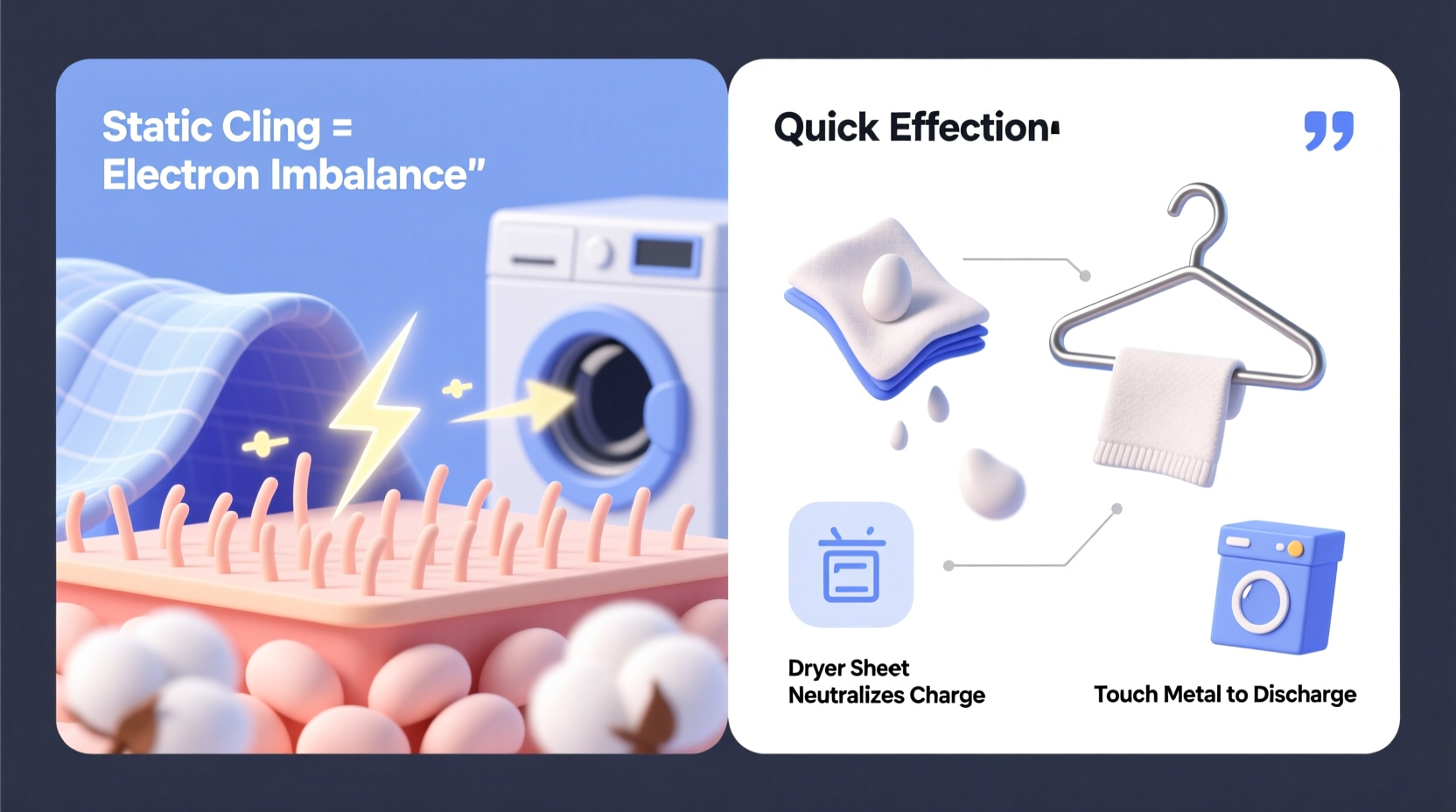
Static cling occurs when an imbalance of electric charges builds up on the surface of materials—most commonly synthetic fabrics like polyester, nylon, and acrylic. When two different materials rub together, electrons transfer from one surface to another, creating a positive charge on one and a negative charge on the other. Since opposite charges attract, the charged garment sticks to your body or another piece of clothing.
This phenomenon, known as triboelectric charging, happens frequently in dry environments where moisture in the air is low. Dry air acts as an insulator, preventing the built-up charge from dissipating naturally. As a result, the charge remains trapped in the fabric until it finds a conductor—like your skin or a metal object—to discharge through.
Synthetic fibers are especially prone to holding static because they do not absorb moisture well. In contrast, natural fibers such as cotton, wool, and linen tend to retain some humidity, which helps dissipate electrical charges more efficiently. This explains why a 100% polyester blouse is far more likely to cling than a cotton one under the same conditions.
“Static cling isn’t just annoying—it’s a clear sign of low humidity and material composition working against comfort. The fix starts with understanding these two factors.” — Dr. Lena Pruitt, Materials Scientist at the Textile Innovation Lab
Fast Ways to Eliminate Static Cling (Immediate Fixes)
When static strikes mid-day or right before heading out, you need fast, accessible solutions. These techniques work within seconds and require only household items:
1. Use a Metal Hanger or Safety Pin
Run a metal hanger over the inside of the clinging garment. Metal conducts electricity and safely discharges the built-up static. Alternatively, attach a small safety pin to the seam—its metallic surface will continuously ground minor charges throughout the day.
2. Dampen Hands and Smooth Over Fabric
Moisture neutralizes static. Wet your hands slightly (no dripping), then run them over the outside of the garment. Focus on areas that cling most—like thighs for skirts or torso for shirts. The tiny amount of water disrupts the charge without leaving visible damp spots.
3. Toss in a Dryer Sheet
If you're still at home, place a used or new dryer sheet directly into your pocket or between layers of clothing. The anti-static chemicals (usually quaternary ammonium salts) coat the fabric lightly and break up the charge. Even carrying one folded in your purse can help reduce ongoing static buildup.
4. Spray With Hairspray or Water Mix
Hold the garment at arm’s length and lightly mist the inside with hairspray. The polymers and alcohols in most formulas act as temporary anti-static agents. Alternatively, mix one part fabric softener with ten parts water in a spray bottle and use it sparingly. Too much liquid may leave stains, so test on an inconspicuous area first.
5. Touch a Grounded Metal Object
Before standing up or moving around, touch something metal that’s connected to the ground—a faucet, door knob, or filing cabinet. This safely discharges any accumulated static from your body, reducing attraction to clothing.
Long-Term Prevention Strategies
While quick fixes solve the symptom, long-term strategies target the root causes: dry air and fabric type. Implementing these habits significantly reduces how often static occurs.
Increase Humidity Levels
Air moisture is the single most effective deterrent to static buildup. Indoor humidity below 30% dramatically increases static problems. Using a humidifier, especially in bedrooms and laundry areas, keeps levels between 40–60%, allowing charges to dissipate naturally.
Choose Natural Fibers When Possible
Opt for clothing made of cotton, silk, wool, or bamboo blends. These materials absorb ambient moisture, making them less likely to generate or hold static. If synthetics are necessary (e.g., activewear), look for versions treated with anti-static finishes.
Adjust Your Laundry Routine
How you wash and dry clothes plays a major role. Over-drying intensifies static because it removes all residual moisture. Switch to lower heat settings and remove clothes while slightly damp. Adding white vinegar (½ cup) during the rinse cycle softens fibers naturally and reduces static without residue.
Laundry Additives Comparison Table
| Product | Anti-Static Effectiveness | Eco-Friendliness | Notes |
|---|---|---|---|
| Dryer Sheets | High | Low (single-use plastics, chemicals) | Convenient but can build up on dryer sensors |
| Wool Dryer Balls | Moderate to High | High (reusable, chemical-free) | Add 2–3 drops of essential oil for scent |
| Vinegar (Rinse Cycle) | Moderate | High | Softens fabric and removes detergent residue |
| Aluminum Foil Ball | Moderate | Moderate (reusable 3–5 times) | Creates discharge during tumbling |
| Commercial Anti-Static Sprays | High | Low to Moderate | Best for spot treatment, not daily use |
Step-by-Step Guide: How to Remove and Prevent Static in One Laundry Cycle
- Sort loads by fabric type – Separate synthetics from natural fibers to control drying needs.
- Add ½ cup white vinegar to the rinse compartment of your washing machine to soften fibers and reduce static potential.
- Use fragrance-free detergent – Scented detergents often contain additional chemicals that increase static.
- Transfer to dryer immediately – Avoid letting clothes sit damp, which can lead to musty smells and longer drying times.
- Add wool dryer balls or a foil ball – Place 2–3 wool balls in the dryer to improve airflow and reduce static.
- Select low or medium heat – High heat dries out fibers excessively, increasing static risk.
- Remove clothes promptly – Take garments out as soon as the cycle ends to prevent over-drying.
- Hang or fold immediately – Smooth out wrinkles and allow any remaining moisture to evaporate evenly.
Real-Life Example: Office Worker Conquers Winter Static
Sarah, a project manager in Chicago, struggled every winter with her favorite black pencil skirt clinging relentlessly to her tights—often requiring multiple bathroom adjustments during client meetings. After trying several ineffective sprays, she implemented a simple three-step system: she started using wool dryer balls, applied a light layer of unscented lotion to her legs each morning, and kept a mini humidifier on her desk. Within a week, the problem disappeared. “I didn’t realize how much my office air was contributing,” she said. “Now I barely think about static anymore.”
Sarah’s case illustrates how combining environmental control, skincare, and laundry adjustments creates a cumulative defense against static—far more effective than relying on last-minute fixes alone.
Checklist: Beat Static Cling in 7 Daily Actions
- ✅ Use a humidifier in living and sleeping areas (aim for 40–60% RH)
- ✅ Apply moisturizer to skin before dressing, especially on legs and arms
- ✅ Swap synthetic sleepwear for cotton or silk pajamas
- ✅ Replace plastic combs with metal or wooden ones (reduces hair-related static too)
- ✅ Carry a travel-sized anti-static spray or dryer sheet in your bag
- ✅ Avoid rubber-soled shoes on carpet; leather soles dissipate charge better
- ✅ Clean your dryer’s lint filter after every use—clogged filters increase drying time and static
Frequently Asked Questions
Can drinking more water reduce static in clothes?
No, internal hydration doesn’t affect fabric static directly. However, well-hydrated skin has slightly better conductivity and may reduce personal charge buildup, indirectly minimizing attraction to charged clothing.
Why does static get worse in winter?
Cold air holds less moisture, leading to lower indoor humidity when heated. Central heating further dries the air, creating ideal conditions for static electricity. Most homes drop to 10–20% humidity in winter, compared to 50–60% in summer.
Are there permanent anti-static treatments for clothes?
Yes. Some industrial textile treatments, like conductive fiber weaving or polymer coatings, offer long-lasting protection. For consumers, durable options include aftermarket sprays containing silicone or carbon-based compounds, though reapplication is needed after several washes.
Conclusion: Take Control of Static, Not the Other Way Around
Static cling is more than a minor wardrobe malfunction—it’s a predictable interaction between materials, environment, and routine. By understanding its causes, you shift from reacting to preventing. Simple changes in laundry habits, indoor climate, and personal care can eliminate most static issues permanently. The fastest fixes remain valuable for emergencies, but true mastery comes from consistency.




 浙公网安备
33010002000092号
浙公网安备
33010002000092号 浙B2-20120091-4
Comments
No comments yet. Why don't you start the discussion?