
Polyester dresses are a wardrobe staple for many—lightweight, durable, and often wrinkle-resistant. But one common frustration undermines their elegance: static cling. That annoying phenomenon where fabric sticks uncomfortably to your skin or legs isn’t just a minor inconvenience; it can disrupt confidence and comfort throughout the day. The root of the problem lies in the very nature of synthetic fibers like polyester, which are prone to building up electrical charges, especially in dry environments. While commercial anti-static sprays are widely available, they often contain chemicals that may irritate sensitive skin or damage delicate fabrics over time. Fortunately, several natural, safe, and effective solutions exist to combat static cling without compromising your health or your dress’s longevity.
Why Polyester Is Prone to Static Cling
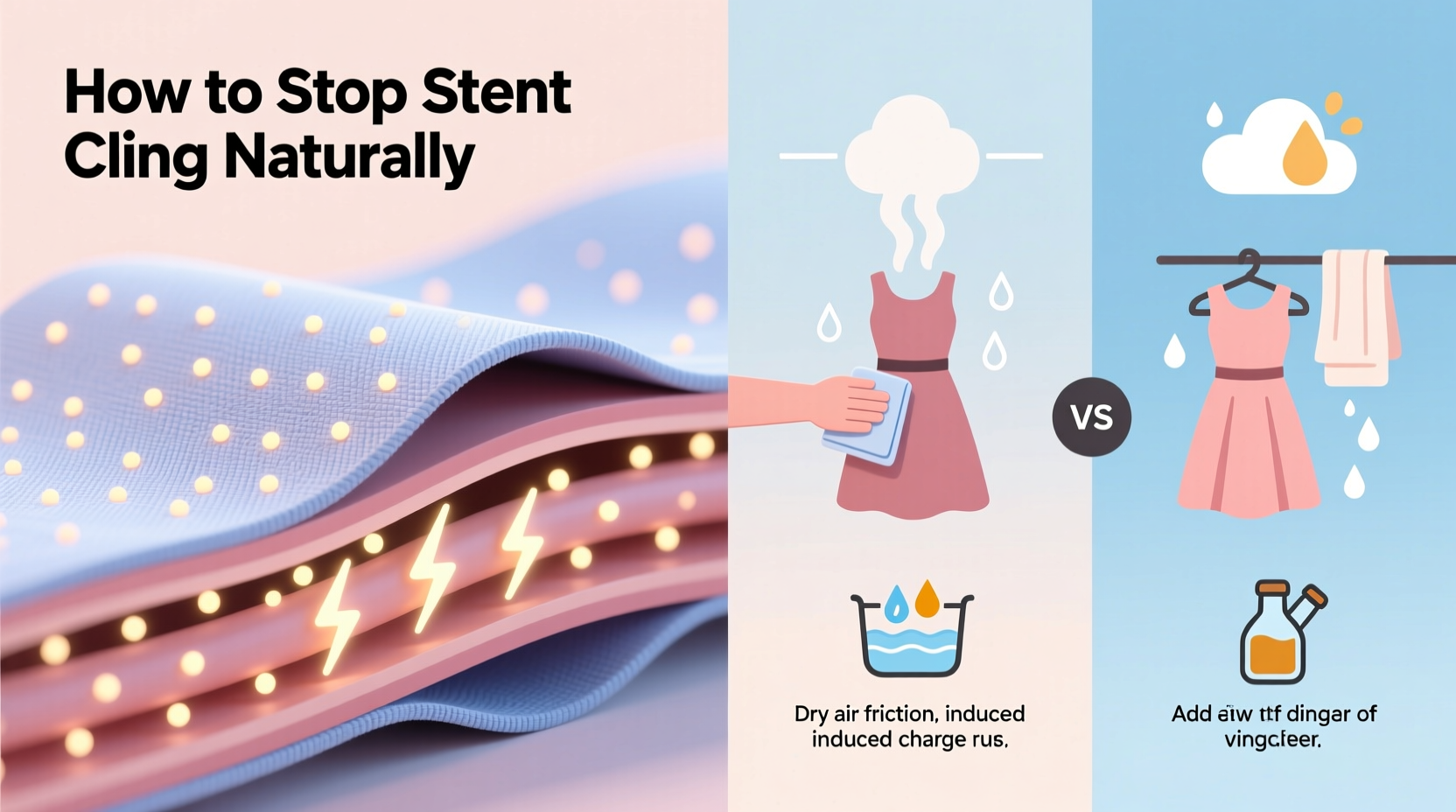
Polyester is a synthetic fiber made from petroleum-based polymers. Unlike natural fibers such as cotton or wool, polyester does not absorb moisture well. This hydrophobic quality means it lacks the ability to conduct electricity efficiently, making it an excellent insulator. When two insulating materials rub together—such as your dress against your skin or tights—electrons transfer between them, creating an imbalance of electrical charge. This buildup results in static electricity, which manifests as clinging fabric, crackling sounds, or even small shocks when touching metal objects.
Dry air exacerbates the issue. In low-humidity environments, typically during winter months or in heated indoor spaces, the lack of moisture in the air prevents static charges from dissipating naturally. As a result, polyester garments become more charged and clingier. Additionally, friction from movement, sitting, or layering clothing increases electron transfer, further intensifying static buildup.
“Synthetic fabrics like polyester trap electrons because they don’t allow moisture to pass through. That’s why they’re so susceptible to static, especially in dry conditions.” — Dr. Lena Patel, Textile Scientist at the Institute for Sustainable Fashion
Natural Methods to Prevent and Eliminate Static Cling
Instead of relying on chemical-laden sprays or dryer sheets loaded with fragrances and softeners, you can use everyday household items to neutralize static effectively. These natural remedies are gentle on both fabric and skin, cost-effective, and environmentally friendly.
1. Use a Metal Hanger or Safety Pin
Metal is a conductor of electricity and can help discharge built-up static. Before wearing your polyester dress, gently slide a metal hanger over the inside surface. Alternatively, attach a small safety pin to an inside seam. The pin will subtly draw away static as you move, preventing cling without being visible.
2. Moisturize Your Skin
Dry skin increases friction and contributes to static buildup. Applying a light layer of unscented lotion before putting on your dress creates a smoother surface between your body and the fabric, reducing electron transfer. Focus on areas where the dress tends to cling—thighs, lower back, and arms.
3. Carry a Dryer Sheet (Natural Version)
While conventional dryer sheets contain synthetic chemicals, you can make your own using reusable wool dryer balls infused with a few drops of essential oils like lavender or eucalyptus. Rubbing one of these over the inside of your dress neutralizes static safely. The wool helps balance the electrical charge without leaving residue.
4. Mist with Water and Essential Oils
A simple water spray can instantly dissipate static. Fill a clean spray bottle with distilled water and add 5–10 drops of your favorite essential oil (optional, for fragrance). Lightly mist the inside of the dress—never soak it—and allow it to air-dry for a minute before wearing. The moisture restores conductivity to the fabric, eliminating the charge.
5. Wear Natural Fiber Underlayers
Pairing your polyester dress with cotton or silk undergarments reduces friction. Natural fibers absorb moisture and minimize static generation. Avoid nylon or spandex tights, which are also synthetics and can worsen the problem.
Step-by-Step Guide to Tackle Static Cling Naturally
If you're dealing with a clingy polyester dress right now—or want to prevent it before an important event—follow this practical sequence:
- Assess the environment: Is the air dry? If so, consider increasing humidity with a small humidifier or placing a bowl of water nearby.
- Pre-treat the dress: Lightly mist the inside with a water-only or water-oil spray. Let it sit for 60 seconds.
- Moisturize your skin: Apply a thin layer of unscented lotion to legs and torso.
- Add a conductor: Attach a safety pin to an inner seam or run a metal hanger over the lining.
- Choose natural underlayers: Wear cotton briefs and a silk slip if needed.
- Carry a touch-up tool: Pack a travel-sized water spray or wool dryer ball in your bag for mid-day refresh.
This routine takes less than five minutes but can dramatically improve comfort and appearance throughout the day.
Do’s and Don’ts: Managing Static in Polyester Dresses
| Do’s | Don’ts |
|---|---|
| Use distilled water in sprays to avoid mineral stains | Soak the dress with water—this can cause water spots or warping |
| Store dresses in breathable cotton garment bags | Leave polyester in plastic dry-cleaning bags—they trap dry air and increase static |
| Wear leather-soled shoes, which ground static better than rubber | Walk across carpeted floors in socks after dressing—this builds charge rapidly |
| Touch grounded metal (like a doorknob) before standing up from a chair | Use aerosol anti-static sprays with alcohol or parabens |
| Wash with natural vinegar instead of synthetic fabric softeners | Overuse heat in drying—high heat increases static potential |
Real-Life Example: A Wedding Guest’s Wardrobe Rescue
Sophie attended an outdoor winter wedding wearing a sleek, knee-length polyester dress in deep emerald. The venue was heated, and the air was extremely dry. Within minutes of arriving, the dress began clinging tightly to her thighs with every step. Embarrassed and uncomfortable, she excused herself to the restroom. Remembering a tip from a friend, she dampened a tissue with water from the sink and gently wiped the inside lining of the skirt. Then, she used a metal bobby pin clipped inside the waistband as a discreet conductor. The change was immediate—the fabric relaxed, and the cling disappeared. She finished the evening confidently, dancing without worry. This simple, natural fix saved her experience and reinforced the value of preparedness.
Laundry Habits That Reduce Static Long-Term
Static doesn’t just happen when you’re wearing the dress—it starts in the laundry process. How you wash and dry polyester plays a major role in its tendency to cling.
- Avoid Over-Drying: Remove polyester dresses from the dryer while slightly damp and let them air-dry the rest of the way. Excessive heat removes all residual moisture, making the fibers more insulative.
- Use White Vinegar: Add ½ cup of white vinegar to the rinse cycle instead of commercial fabric softener. Vinegar naturally softens fibers and reduces static without coating them in chemicals.
- Try Wool Dryer Balls: These reduce drying time and soften clothes through gentle agitation. They also help dissipate static naturally. For extra effect, add a few drops of essential oil to the balls before drying.
- Wash with Natural Fibers: Mixing a few cotton items into the load can help balance static. Cotton absorbs moisture and reduces overall charge buildup.
“Replacing synthetic fabric softeners with vinegar or wool balls can cut static by up to 70% in polyester garments.” — Maria Chen, Sustainable Laundry Consultant
Frequently Asked Questions
Can I use baking soda to reduce static in polyester dresses?
Yes, adding ¼ cup of baking soda to the wash cycle can help soften water and improve fabric texture, indirectly reducing static. However, it’s less effective than vinegar for direct anti-static action. Avoid mixing baking soda and vinegar in the same load, as they neutralize each other.
Will ironing help with static cling?
Light steaming or ironing with a pressing cloth can temporarily relieve static by introducing moisture and relaxing fibers. However, avoid high heat directly on polyester, as it can melt or warp the fabric. Use the lowest steam setting and keep the iron moving.
Are there specific types of polyester that resist static?
Some modern polyester blends are treated with anti-static agents during manufacturing. Look for labels that mention “anti-static,” “moisture-wicking,” or “static-safe.” However, these treatments wear off over time with washing, so natural maintenance methods remain essential.
Checklist: Natural Anti-Static Routine for Polyester Dresses
Keep this checklist handy for daily or pre-event preparation:
- ✅ Moisturize skin before dressing
- ✅ Spray inside of dress with water (add essential oils if desired)
- ✅ Attach a safety pin or use a metal hanger to discharge static
- ✅ Wear natural fiber undergarments (cotton, silk)
- ✅ Wash with vinegar instead of fabric softener
- ✅ Dry with wool dryer balls, not high heat
- ✅ Store in breathable garment bags, not plastic
- ✅ Carry a travel water spray for touch-ups
Conclusion: Comfort Meets Confidence with Natural Solutions
Static cling in polyester dresses is a common but solvable issue. Understanding the science behind it empowers you to take control—not with harsh chemicals, but with smart, natural habits. From adjusting your laundry routine to carrying a simple water spray, small changes yield significant improvements in comfort and appearance. These methods respect your skin, your clothing, and the environment. You don’t need expensive products or complicated systems. Just awareness, preparation, and a few everyday tools are enough to keep your polyester dresses looking polished and feeling comfortable all day long.




 浙公网安备
33010002000092号
浙公网安备
33010002000092号 浙B2-20120091-4
Comments
No comments yet. Why don't you start the discussion?