
Sazon seasoning is a staple in Latin American kitchens, especially across Puerto Rican, Dominican, Cuban, and Central American cuisines. Its vibrant color and deeply aromatic flavor transform ordinary dishes into rich, culturally resonant meals. Yet despite its widespread use, many home cooks remain uncertain about what exactly goes into Sazon—beyond the familiar yellow packet from the grocery store. Understanding its composition is essential not only for authentic cooking but also for making informed choices about additives, salt content, and natural alternatives. This article breaks down the true makeup of Sazon seasoning, explores its regional variations, and provides practical guidance on how to use, substitute, and even make it at home.
Definition & Overview
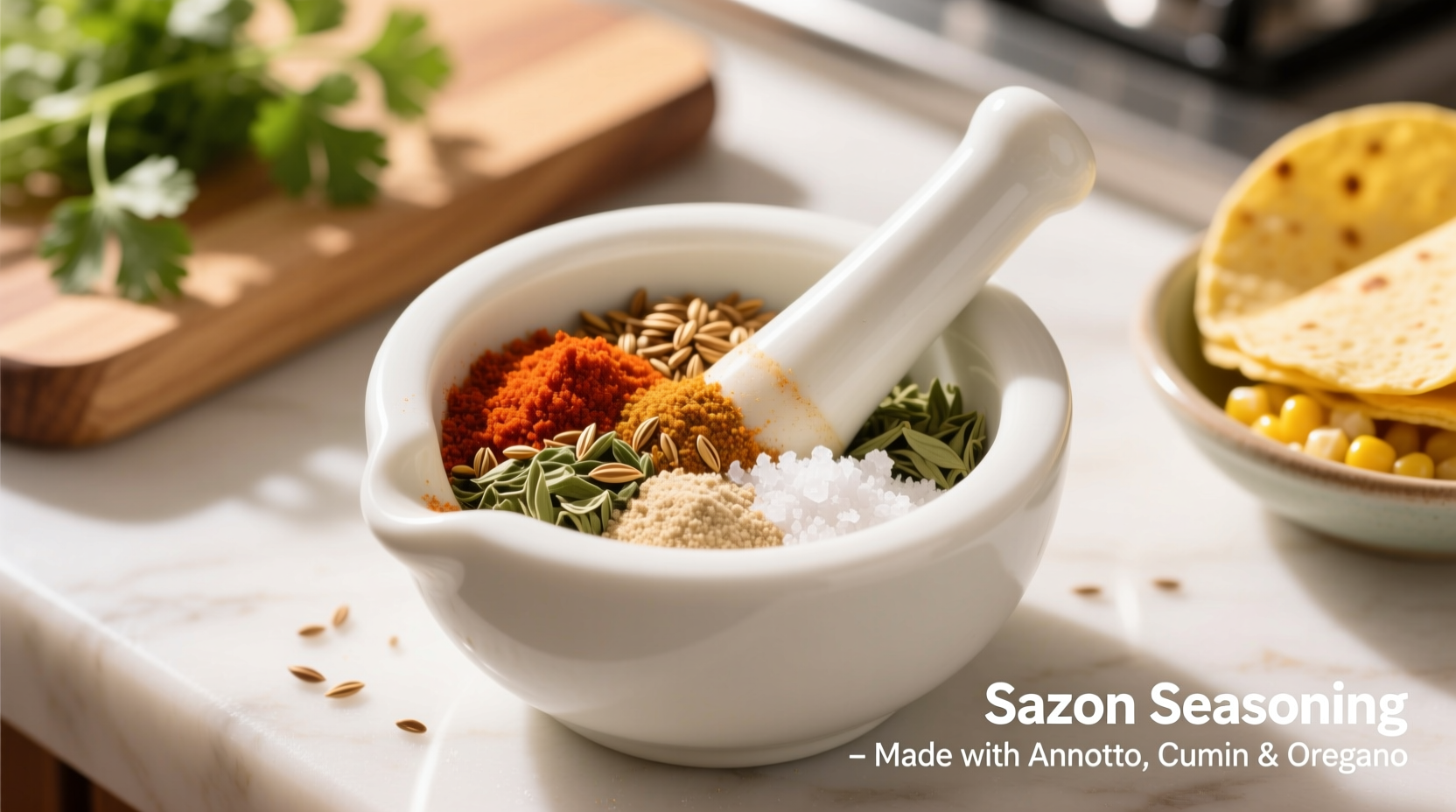
Sazon seasoning is a blended spice mix used to enhance the flavor, aroma, and visual appeal of meats, rice, beans, stews, and soups. The word “Sazon” translates to “seasoning” or “flavor” in Spanish, reflecting its role as a foundational element in Latin cooking. Unlike single-ingredient spices, Sazon is a composite blend designed to deliver a balanced umami-rich, slightly earthy, and warmly aromatic profile with a signature golden-orange hue.
The seasoning originated as a homemade mixture passed down through generations, combining readily available herbs, annatto seeds, garlic, and cumin. In the late 20th century, commercial versions—most notably Goya Sazon—popularized pre-mixed packets, standardizing the blend for mass consumption. These convenience products often include anti-caking agents, artificial colors, and high sodium levels, prompting interest in cleaner, whole-food versions.
At its core, Sazon serves three primary functions: flavor enhancement, coloration, and cultural authenticity. It’s frequently added during the early stages of cooking to bloom its flavors in oil or fat, ensuring deep integration into the dish.
Key Characteristics
| Characteristic | Description |
|---|---|
| Flavor Profile | Earthy, savory, slightly sweet, with warm notes of cumin and garlic; subtle peppery warmth from coriander or black pepper. |
| Aroma | Pungent garlic and onion scent, underscored by toasted cumin and the floral hint of coriander. |
| Color | Bright orange to deep yellow, primarily due to annatto (achiote) extract or ground seeds. |
| Heat Level | Mild to none; not a spicy blend, though some variants may include a touch of chili powder. |
| Culinary Function | Base seasoning for sautéing proteins, flavoring rice, enhancing beans, and enriching soups and stews. |
| Shelf Life | 6–12 months when stored in a cool, dark place; potency diminishes over time. |
| Form | Available as dry powder, pre-measured packets, or paste (in traditional forms using oil). |
Core Ingredients in Sazon Seasoning
The exact composition of Sazon varies between households, regions, and brands, but several ingredients are consistently present. Below is a breakdown of the essential components:
- Annatto (Achiote): The defining ingredient, responsible for the golden-red color. Annatto comes from the seeds of the *Bixa orellana* tree and imparts a mild, earthy, slightly peppery taste. It’s often used as a paste, oil infusion, or ground powder.
- Garlic Powder: Adds pungency and depth. Fresh garlic can be used in homemade pastes, but powder ensures consistency in dry blends.
- Onion Powder: Complements garlic with a sweeter, more rounded allium flavor.
- Cumin: Provides warmth and a slightly bitter, nutty backbone that grounds the blend.
- Coriander: Often included as ground seed, contributing citrusy, floral notes that balance the earthiness.
- Salt: A major component in commercial blends, sometimes comprising over 50% of the mix. Reducing or omitting salt allows for better control in home cooking.
- Black Pepper or Chile Powder: Used sparingly for subtle heat and complexity.
- Turmeric (in some blends): Sometimes added to enhance color, particularly in lower-cost versions where annatto may be diluted.
- Anti-Caking Agents (commercial only): Such as silicon dioxide or calcium silicate, found in packaged mixes to prevent clumping.
- Monosodium Glutamate (MSG): Present in certain brands like Goya Sazon with MSG, boosting umami intensity.
“Authentic Sazon isn’t just about flavor—it’s about tradition. The annatto connects us to indigenous roots, while the cumin and garlic reflect centuries of African and Spanish influence.” — Chef María López, Culinary Historian & Latin Cuisine Instructor
Practical Usage: How to Cook with Sazon Seasoning
Sazon is most effective when used early in the cooking process, allowing its flavors to bloom in fat. Here’s how to incorporate it properly:
- Sauté Base (Sofrito Foundation): Heat oil in a pan, add a teaspoon of Sazon, and stir for 15–20 seconds before adding onions, peppers, tomatoes, or raw meat. This step releases volatile oils and intensifies flavor integration.
- Marinades: Mix Sazon with olive oil, citrus juice (like sour orange or lime), and vinegar to create a marinade for chicken, pork, or fish. Let proteins absorb the mixture for at least 30 minutes (or overnight for deeper penetration).
- Rice and Beans: Add ½ to 1 teaspoon per cup of uncooked rice or beans. Combine with sofrito and broth for dishes like arroz con pollo, moro, or gandules.
- Stews and Soups: Stir into simmering pots of sancocho, mondongo, or lentil soup. Add midway through cooking to preserve aroma without burning delicate spices.
- Dry Rubs: Blend with additional smoked paprika or brown sugar for grilled meats. Works exceptionally well on chicken thighs or skirt steak.
Pro Tip: To maximize flavor, toast whole cumin and coriander seeds in a dry skillet before grinding them. Combine with freshly ground annatto (lightly toasted first) for a superior homemade version. Avoid overheating annatto—it can turn bitter if burned.
Variants & Types of Sazon Seasoning
Not all Sazon is created equal. Variations exist based on region, brand, and formulation goals. Recognizing these differences helps you choose—or create—the right blend for your needs.
1. Homemade Dry Sazon
Mixed from scratch using whole spices. Typically contains no salt or preservatives. Ideal for low-sodium diets and flavor customization. Shelf life: 6 months in an airtight container.
2. Commercial Packets (e.g., Goya Sazon)
Widely available in supermarkets. Comes in multiple varieties:
- Goya Sazon with Coriander & Annatto: Contains salt, dehydrated garlic, onion, cumin, coriander, annatto, and tricalcium phosphate (anti-caking agent).
- Goya Sazon with Achiote & Garlic: Similar base, but emphasizes garlic and includes MSG in some markets.
- Goya Sazon No Salt Added: Designed for health-conscious users; relies on herbs and spices without sodium.
3. Sazon Goya Complete Seasoning with Culantro y Nigua
This version includes culantro (a long-leafed herb distinct from cilantro) and dried pigeon pea leaves (nigua), offering a more complex herbal note. Common in Dominican cooking.
4. Achiote Paste (Recado Rojo)
Used in Yucatecan and Caribbean cuisines, this wet form combines ground annatto seeds with vinegar, garlic, oregano, and spices. Stored refrigerated, it has a richer texture and deeper penetration than dry blends.
5. Regional Homemade Blends
In Puerto Rico, Sazon often includes oregano brujo (a wild mountain oregano). In Venezuela, it may be mixed with guiso powder for stew bases. These reflect local tastes and ingredient availability.
| Type | Salt Content | Key Features | Best For |
|---|---|---|---|
| Homemade Dry Blend | Adjustable or none | Fresh spices, customizable | Health-focused, gourmet cooking |
| Commercial Packet (Standard) | High | Convenient, consistent | Quick weeknight meals |
| No-Salt-Added Packet | None | Same flavor, less sodium | Hypertension diets |
| Achiote Paste | Low to moderate | Oil-based, bold color | Grilling, marinating |
| Sazon with Culantro | High | Herbal, pungent lift | Dominican-style dishes |
Comparison with Similar Ingredients
Sazon is often confused with other Latin and global seasonings. Understanding the distinctions prevents misuse and supports better substitutions.
| Ingredient | Difference from Sazon | When to Use Instead |
|---|---|---|
| Adobo Seasoning | Primarily garlic, oregano, salt, pepper; lacks annatto and cumin; no coloring function. | For general seasoning of meats and vegetables without color impact. |
| Annatto Seeds Alone | Only provides color and mild earthiness; missing garlic, cumin, and balance of Sazon. | When only coloring oil or cheese (e.g., queso fresco). |
| Curry Powder | Contains turmeric as dominant spice, with ginger, fenugreek; Indian/Southeast Asian profile. | For curries, lentils with South Asian flavors—not a direct substitute. |
| Guiso Powder | Similar to Sazon but often includes tomato powder and more herbs; thicker body in sauces. | For thickening and flavoring stews in Venezuelan and Colombian cooking. |
| Chinese Five-Spice | Sweet, licorice-like profile from star anise; completely different flavor family. | Asian braises and roasted meats—never interchangeable. |
Practical Tips & FAQs
Can I make Sazon at home?
Yes, and it’s highly recommended for better flavor and ingredient control. Combine:
- 2 tbsp ground annatto (or 1 tbsp annatto seeds, toasted and finely ground)
- 1 tbsp garlic powder
- 1 tbsp onion powder
- 1 tsp ground cumin
- 1 tsp ground coriander
- ½ tsp black pepper
- Salt to taste (optional)
Is Sazon seasoning spicy?
No. Despite its bold color, Sazon is not hot. It delivers savory, aromatic notes without significant heat. Some blends may include a pinch of chili, but it’s minimal.
How much Sazon should I use per dish?
Start with ½ to 1 teaspoon per serving. For a pot of rice (4 servings), use 2 teaspoons. Adjust upward based on desired color and flavor intensity. Overuse can lead to bitterness, especially if annatto is overheated.
Can I use turmeric instead of annatto?
Turmeric can mimic the yellow color but lacks annatto’s earthy nuance and adds a stronger, medicinal flavor. It’s acceptable in a pinch but alters the final taste significantly. Never use turmeric in traditional recipes calling for achiote.
How do I store Sazon seasoning?
Keep in an airtight container in a cool, dark cabinet. Exposure to heat, light, or moisture degrades flavor and promotes clumping. Homemade blends last 6 months; commercial ones up to 12 months, though potency fades after 8.
Is Sazon gluten-free?
Most dry Sazon blends are naturally gluten-free. However, always check labels—especially for processed packets that may include fillers or shared equipment warnings. Goya Sazon packets are labeled gluten-free as of current formulations.
What dishes commonly use Sazon?
- Arroz con Pollo (Chicken with Rice)
- Pernil (Roast Pork Shoulder)
- Moro de Gandules (Pigeon Pea Rice)
- Feijoada (Brazilian Black Bean Stew)
- Chiles Rellenos (Stuffed Peppers)
- Carne Guisada (Beef Stew)
Summary & Key Takeaways
Sazon seasoning is far more than a colorful spice packet—it’s a culinary cornerstone of Latin American cooking, blending annatto, garlic, cumin, and other aromatics into a harmonious, deeply flavorful mix. Its primary roles are to enrich taste, add visual appeal, and anchor traditional dishes with authenticity.
While commercial versions offer convenience, they often contain high sodium, MSG, and anti-caking agents. Homemade Sazon allows full control over ingredients, freshness, and dietary needs. Understanding the difference between Sazon and similar seasonings like adobo or curry powder ensures accurate usage in the kitchen.
Whether you're preparing a simple pot of rice or a festive holiday roast, incorporating Sazon correctly—by blooming it in oil and pairing it with sofrito—elevates the dish with both flavor and cultural significance.
Final Recommendation: Keep two versions on hand: a no-salt-added homemade blend for daily use and a commercial packet for quick fixes. Experiment with toasting whole spices to unlock deeper layers in your cooking.




 浙公网安备
33010002000092号
浙公网安备
33010002000092号 浙B2-20120091-4
Comments
No comments yet. Why don't you start the discussion?