
In the world of bold, no-holds-barred seasoning blends, few names carry the mystique—or the heat—of 6666 Seasoning. More than just a provocative moniker, this spice mix has earned a cult following among barbecue enthusiasts, pitmasters, and home cooks seeking depth, complexity, and a serious kick. While the number may raise eyebrows, its true identity lies not in superstition but in culinary craftsmanship: a carefully balanced fusion of salt, heat, smoke, and umami designed to elevate proteins and vegetables alike. Understanding what 6666 Seasoning actually is—and how to wield it effectively—is essential for anyone looking to master modern American grilling and smoked cuisine.
Definition & Overview
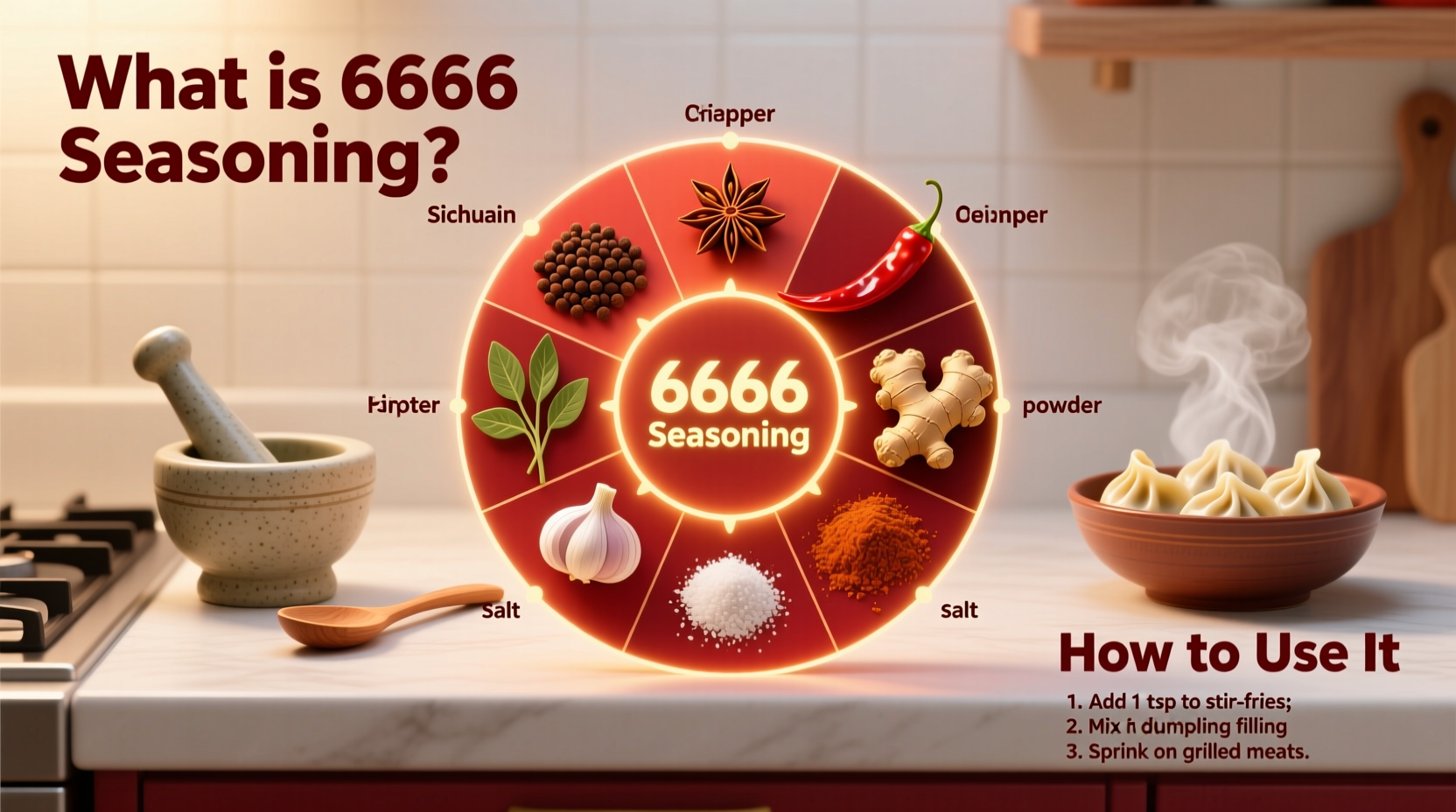
6666 Seasoning is a proprietary dry rub blend originally developed by Trail's End Steakhouse, a Texas-based restaurant chain renowned for its mesquite-grilled steaks and robust flavor profiles. Despite the ominous number in its name, the blend is grounded in practicality and taste—not theatrics. The \"6666\" refers to the ranch’s historic cattle brand—the Four Sixes Ranch in King County, Texas—one of the oldest continuously operating ranches in the state, established in 1870. The seasoning pays homage to that legacy, embodying the bold, rugged flavors associated with Texas barbecue and open-flame cooking.
The blend falls into the category of **spicy steak seasonings** or **bold meat rubs**, often compared to other fire-forward blends like Cajun spices or Nashville hot seasonings. However, unlike regional rubs that emphasize specific herbs or chilies, 6666 Seasoning is defined by its aggressive balance of heat, salt, garlic, onion, and smokiness. It is typically used as a dry rub for red meats—especially ribeye, brisket, and strip steak—but has found expanded applications in chicken, pork, seafood, and even plant-based proteins due to its versatile umami-rich base.
While Trail's End sells the original version commercially, numerous copycat recipes and branded alternatives have emerged, particularly within specialty spice markets and online retailers. These variations maintain the core philosophy—maximum flavor impact with minimal complexity—making 6666 Seasoning a staple in both backyard grills and professional kitchens across the South and Midwest.
Key Characteristics
The power of 6666 Seasoning lies in its sensory intensity and functional versatility. Below is a breakdown of its defining traits:
| Characteristic | Description |
|---|---|
| Flavor Profile | Spicy, salty, smoky, with pronounced garlic and onion notes. Umami-rich base with a lingering heat. |
| Aroma | Pungent and savory; dominated by toasted garlic, paprika, and chili powder. Slight earthy undertone from cumin or black pepper. |
| Color & Form | Deep reddish-brown powder. Fine to medium grind, ideal for adhering to meat surfaces. |
| Heat Level | Moderate to high (6–7/10 on the spice scale). Heat builds gradually, not instant burn. |
| Culinary Function | Dry rub, finishing spice, marinade enhancer, or base for compound butter. |
| Shelf Life | 18–24 months when stored in a cool, dark place in an airtight container. |
| Salt Content | High—contains significant sodium, so adjust additional salt accordingly. |
This combination makes 6666 Seasoning particularly effective on fatty cuts of meat, where the fat renders during cooking and mingles with the spices to create a deeply flavored crust. Its layered heat also avoids overwhelming the palate, instead building complexity over time—a hallmark of well-formulated spicy rubs.
Practical Usage: How to Use 6666 Seasoning
Using 6666 Seasoning effectively requires understanding its potency and timing. Because it contains salt and fine particulates, application method and quantity are crucial to avoid overpowering a dish.
Step-by-Step Guide to Using 6666 Seasoning on Steak
- Choose the cut: Opt for well-marbled steaks like ribeye, New York strip, or flat iron. Fat content helps balance the seasoning’s intensity.
- Pat dry: Remove surface moisture with paper towels to ensure the rub adheres properly.
- Apply generously: Sprinkle ½ to 1 teaspoon per side, depending on thickness. For thicker cuts (1.5 inches or more), use closer to 1 tsp per side.
- Press gently: Lightly press the seasoning into the meat to improve adhesion.
- Rest before cooking: Let sit at room temperature for 30–45 minutes. This allows salt to begin penetrating the surface and enhances crust formation.
- Grill or sear: Cook over high heat (450°F+). A cast-iron skillet or charcoal grill works best for developing a flavorful bark.
- Optional baste: During the last minute of cooking, add a pat of herb butter infused with a pinch of 6666 Seasoning for extra richness.
Other Culinary Applications
- Brisket & Ribs: Apply as part of a two-step rub—first a mustard slather or binder (like olive oil or yellow mustard), then a heavy coat of 6666 Seasoning. Smoke at 225°F until tender. The spice holds up well during long cooks.
- Chicken Wings: Toss cooked wings in melted butter mixed with 6666 Seasoning for a Texas-style alternative to Buffalo sauce.
- Burgers: Mix ¼ teaspoon per patty directly into ground beef before forming. Also sprinkle lightly on the exterior before grilling.
- Roasted Vegetables: Dust roasted sweet potatoes, cauliflower, or Brussels sprouts with a light sprinkle (¼ tsp) for a savory-spicy contrast.
- Popcorn & Snacks: Blend with nutritional yeast and oil for a spicy, umami-packed popcorn dust.
- Compound Butter: Combine softened butter with ½ tsp 6666 Seasoning per stick. Chill and slice onto grilled meats or corn on the cob.
Pro Tip: When using 6666 Seasoning in wet marinades, reduce added salt by half. The blend already contains sodium, and excess salt can make dishes unpalatably briny. Also, avoid applying too early to delicate proteins like fish—use within 30 minutes of cooking to prevent texture degradation.
Variants & Types
While the original Trail's End 6666 Seasoning remains the benchmark, several variants have emerged to suit different palates and dietary needs:
| Variant | Key Differences | Best Used For |
|---|---|---|
| Original (Trail's End) | Full-sodium, contains salt, garlic, onion, paprika, chili, black pepper, cayenne. | Steak, brisket, ribs—traditional Texas BBQ applications. |
| No-Salt Version | Replaces salt with maltodextrin or potassium chloride; lower sodium. | Heart-healthy diets, hypertension-conscious cooking. |
| Mild / Sweet 6666 | Reduced cayenne and black pepper; increased brown sugar or paprika. | Family meals, children, or those sensitive to heat. |
| Smoked 6666 | Includes smoked paprika or liquid smoke extract for deeper char notes. | Indoor grilling, electric smokers, or non-smoked meats needing smoky depth. |
| Organic / Non-GMO | Certified organic ingredients, no anti-caking agents. | Health-focused kitchens, clean-label cooking. |
| DIY Home Blend | Customizable ratios; often includes cumin, coriander, or mustard powder. | Hobbyists, spice blending enthusiasts, cost savings. |
When selecting a variant, consider your primary use case. For competition barbecue, the original delivers authenticity and punch. For everyday family dinners, a mild or no-salt version offers flexibility without sacrificing character.
Comparison with Similar Ingredients
6666 Seasoning is often confused with other spicy rubs, but key distinctions set it apart:
- Cajun Seasoning: Typically contains more herbs (oregano, thyme), less salt, and variable heat. Cajun blends focus on aromatic complexity; 6666 emphasizes salt and direct heat.
- Old Bay: A celery salt-forward blend with mace and nutmeg. Much lower heat and tailored to seafood, especially crab and shrimp.
- Nashville Hot Chicken Spice: Higher cayenne content, often includes brown sugar and vinegar powder. Designed for a fiery, tangy punch rather than savory depth.
- Chili Powder Blend: Usually milder, with cumin and oregano as dominant notes. Not salt-heavy; meant as a cooking ingredient, not a finishing rub.
- Adobo Seasoning: Latin-inspired, featuring garlic, cumin, and citrus notes. Less heat, more emphasis on brightness and acidity.
“6666 isn’t just about heat—it’s about presence. It announces itself on the plate. That’s why we use it selectively, letting it shine on center-cut proteins rather than burying it in stews.”
— Lena Torres, Executive Chef, Smoke & Sage Bistro (Austin, TX)
Practical Tips & FAQs
Can I use 6666 Seasoning on fish?
Yes, but cautiously. Use only a light dusting (⅛ tsp per fillet) and apply no more than 15 minutes before cooking. Delicate white fish like cod or halibut can become overwhelmed. Better candidates include salmon, swordfish, or tuna steaks, which can stand up to bold flavors.
Is 6666 Seasoning gluten-free?
The original Trail's End version does not contain gluten-containing ingredients, but always check the label for potential cross-contamination if processing occurs in shared facilities. Most commercial versions are labeled gluten-free.
How much should I use per pound of meat?
For steaks and chops: 1–1.5 teaspoons per pound. For ground meat (burgers, meatloaf): 1 teaspoon per pound. For roasts or whole chickens: 1.5–2 teaspoons per pound, rubbed under skin or into crevices.
Can I substitute it for black pepper in recipes?
Not directly. 6666 is far more complex and salty. However, you can replace a portion of the salt and pepper in a recipe with 6666—for example, use ½ tsp 6666 + ¼ tsp fresh pepper instead of ¾ tsp black pepper and ¼ tsp salt.
Does it expire?
It doesn’t spoil, but flavor diminishes after 18–24 months. Store in an airtight container away from light and heat. Avoid storing above the stove or near dishwashers.
What are good substitutes if I can’t find it?
Combine:
- 1 tbsp smoked paprika
- 1½ tsp garlic powder
- 1½ tsp onion powder
- 1 tsp sea salt
- 1 tsp black pepper
- ½ tsp cayenne pepper
- ½ tsp dried oregano (optional)
Is it suitable for vegetarians or vegans?
Yes. The blend contains no animal products. Always verify labels, as some commercial versions may include anti-caking agents derived from animals, though this is rare.
Storage Checklist:
- Keep in a glass jar with a tight lid
- Store in a cool, dark cabinet (not above the stove)
- Label with purchase date
- Do not refrigerate—condensation degrades quality
- Check for clumping or faded aroma as signs of aging
Summary & Key Takeaways
6666 Seasoning is more than a gimmick—it’s a purpose-built spice blend rooted in Texas culinary tradition. Named after the historic Four Sixes Ranch, it delivers a powerful combination of salt, heat, garlic, and smoke ideal for grilling, smoking, and roasting. Its signature trait is a gradual build of flavor and spice, making it distinct from one-dimensional hot blends.
Key points to remember:
- Use primarily as a dry rub on fatty meats like steak, brisket, and ribs.
- Respect its salt content—adjust or eliminate additional salt in recipes.
- Available in multiple forms: original, mild, no-salt, smoked, and organic.
- Not interchangeable with Cajun, Old Bay, or Nashville hot blends—each serves a different role.
- Store properly to maintain potency for up to two years.
- Experiment beyond meat: try it on roasted vegetables, popcorn, or compound butter.
Whether you're recreating a Trail's End steakhouse experience or building your own bold flavor repertoire, mastering 6666 Seasoning opens a door to intense, satisfying cooking. Approach it with respect for its strength, and it will reward you with depth, drama, and unforgettable taste.




 浙公网安备
33010002000092号
浙公网安备
33010002000092号 浙B2-20120091-4
Comments
No comments yet. Why don't you start the discussion?