
The humble potato often appears so ordinary that its significance is easily overlooked. Yet, it ranks as one of the most important staple foods in human history, feeding millions across continents and serving as the foundation for countless global dishes—from French fries to gnocchi, mashed potatoes to curries. Understanding what a potato truly is—its botanical identity, nutritional value, culinary versatility, and cultural impact—is essential for anyone interested in food, cooking, or sustainable eating. This comprehensive overview explores the potato beyond the peel, revealing its scientific background, diverse forms, practical applications in the kitchen, and how it compares to similar root crops.
Definition & Overview
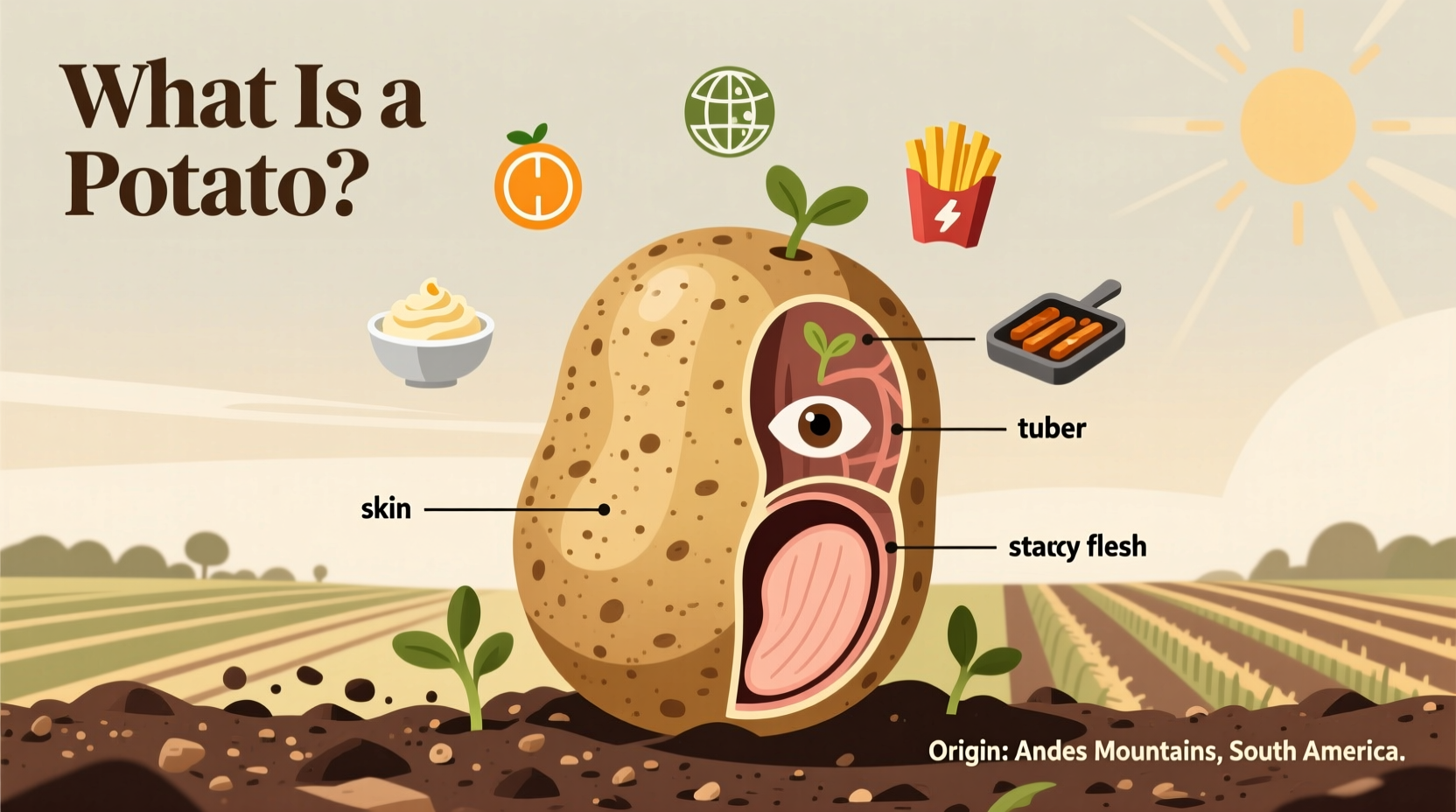
A potato is a starchy tuberous crop from the plant *Solanum tuberosum*, belonging to the nightshade family (Solanaceae), which also includes tomatoes, eggplants, and peppers. Despite being commonly mistaken for a root vegetable, the potato is technically a modified underground stem known as a tuber. These tubers develop from swollen ends of underground stems called stolons and serve as energy storage units for the plant.
Originating in the Andes Mountains of South America over 7,000 years ago, the potato was first domesticated by indigenous peoples in present-day Peru and northwestern Bolivia. Spanish explorers introduced it to Europe in the 16th century, where it initially faced skepticism before becoming a dietary cornerstone across the continent. Today, the potato is cultivated worldwide and ranks fourth among the most-consumed food crops globally, after rice, wheat, and maize.
In culinary terms, the potato is prized for its neutral flavor, high carbohydrate content, and ability to absorb seasonings while maintaining structural integrity during various cooking methods. Its adaptability makes it suitable for boiling, roasting, frying, mashing, baking, and even dehydrating into flour or flakes.
Key Characteristics
The potato’s utility in cooking stems from its distinct physical and chemical properties. Below is a breakdown of its primary characteristics:
| Characteristic | Description |
|---|---|
| Flavor Profile | Mild, earthy, slightly sweet when cooked. Raw potatoes have little aroma or taste. |
| Texture | Varies by variety: waxy types remain firm when boiled; mealy (starchy) types become fluffy when baked or mashed. |
| Color | Skin ranges from white, yellow, red, to purple; flesh typically white, yellow, or occasionally blue-purple. |
| Moisture & Starch Content | Highly variable. Waxy potatoes have low starch and high moisture; starchy ones have high starch and lower moisture. |
| Culinary Function | Thickening agent, base ingredient, side dish, main course component, binder in croquettes or pancakes. |
| Shelf Life | 3–5 weeks when stored properly in cool, dark, well-ventilated conditions. Avoid refrigeration (can increase sugar content). |
| Nutritional Value (per 100g raw) | Approximately 77 kcal, 17g carbohydrates, 2g protein, 210mg potassium, 20mg vitamin C, and trace B vitamins. |
One of the defining features of the potato is its starch composition, primarily amylose and amylopectin. The ratio between these two determines texture upon cooking. High-amylose varieties (like Russets) break down more readily, ideal for fluffy bakes. High-amylopectin types (like fingerlings) hold their shape better, perfect for salads.
Practical Usage in Cooking
The potato's neutrality allows it to play multiple roles in both simple and complex dishes. Its behavior under heat depends largely on preparation method and variety selection.
Common Cooking Methods and Applications
- Boiling: Best with waxy potatoes (e.g., Red Bliss, Yukon Gold). Ideal for potato salads, soups, and mashing if desired tenderness is achieved without disintegration.
- Baking: Suited to starchy potatoes (e.g., Russet). Produces a dry, fluffy interior perfect for loaded baked potatoes or jacket potatoes.
- Frying: Requires high-starch potatoes for crisp exteriors and airy interiors. Used in French fries, hash browns, and chips (crisps).
- Roasting: Works well with medium-starch varieties. Toss in oil and herbs; caramelization enhances flavor through Maillard reactions.
- Mashing: Combine boiled potatoes with butter, cream, or milk. Yukon Golds offer a naturally creamy texture with less added fat needed.
- Grilling/Pan-Sealing: Sliced or cubed potatoes can be grilled or seared for smoky depth. Parboil first to ensure even cooking.
Pro Tip: To prevent discoloration after peeling, place cut potatoes in cold water until ready to cook. This inhibits oxidation and removes excess surface starch, improving fry crispness.
Professional Culinary Techniques
In restaurant kitchens, chefs leverage the potato’s functional properties in advanced preparations:
- Potato Purée with Infused Cream: Simmer cream with garlic, thyme, or truffle before blending into hot mashed potatoes for elevated flavor.
- Gnocchi: Made from riced or mashed potatoes mixed with flour and egg. Lightness depends on minimizing gluten development—handle gently.
- Dauphinoise or Gratin: Thinly sliced potatoes baked slowly in cream, often with garlic and nutmeg. The starch leaches out and thickens the sauce naturally.
- Potato Croquettes: Mashed potatoes bound with egg and breadcrumbs, shaped, coated, and fried. Can include fillings like cheese or ham.
- Deconstructed Forms: Chefs use potato starch for clear noodles (cellophane), or create foams and crisps using dehydration and frying techniques.
Pairing Suggestions
Potatoes pair exceptionally well with ingredients that contrast or complement their mildness:
- Fats: Butter, olive oil, sour cream, bacon fat—enhance richness and mouthfeel.
- Herbs & Aromatics: Rosemary, thyme, chives, garlic, and scallions add aromatic complexity.
- Dairy: Cheese (cheddar, Gruyère), yogurt, and cream enrich texture and flavor.
- Proteins: Roast chicken, steak, sausages, and fish all benefit from potato accompaniments.
- Acids: Lemon juice, vinegar, or pickled onions cut through heaviness in potato salads.
Variants & Types
There are over 4,000 known potato varieties, but most fall into three broad categories based on starch and moisture content: starchy, waxy, and all-purpose. Choosing the right type ensures optimal results in specific recipes.
| Type | Common Varieties | Best Uses | Notes |
|---|---|---|---|
| Starchy | Russet, Idaho, King Edward | Baking, mashing, frying | Breaks down easily; not ideal for boiling. High yield when baked. |
| Waxy | Red Bliss, Fingerling, New Potatoes, Charlotte | Boiling, roasting, salads | Holds shape well; creamy texture. Lower glycemic index than starchy types. |
| All-Purpose | Yukon Gold, Nicola, Dutch Cream | Mashing, roasting, soups, general cooking | Balanced starch and moisture. Versatile across methods. |
Specialty types include:
- Sweet Potatoes: Not true potatoes (belong to *Ipomoea batatas*), but often grouped together. Higher in beta-carotene, sweeter flavor, softer texture when cooked.
- Purple/Blue Potatoes: Contain anthocyanins (antioxidants); retain vibrant color when cooked. Slightly nuttier flavor.
- Mini Potatoes: Harvested early or bred small. Often used whole in roasts or salads.
- Processed Forms: Dehydrated flakes, frozen diced or shoestring cuts, canned potatoes, and potato starch/flour for thickening.
Comparison with Similar Ingredients
Several underground crops are confused with potatoes due to appearance or culinary role. Understanding distinctions helps avoid substitution errors.
| Ingredient | Relation to Potato | Key Differences |
|---|---|---|
| Yams | Frequently mislabeled as sweet potatoes in the U.S. | True yams (*Dioscorea* spp.) are starchier, drier, and native to Africa/Asia. Require longer cooking times. |
| Turnips | Root vegetable, sometimes used as potato substitute | Cruciferous (like cabbage), sharper flavor, lower calorie, higher vitamin C. More fibrous texture. |
| Jerusalem Artichoke (Sunchoke) | Tuber, visually similar | Contains inulin instead of starch—can cause digestive discomfort. Nutty flavor, crisp when raw. |
| Taro Root | Used similarly in tropical cuisines | Must be cooked thoroughly to destroy calcium oxalate crystals. Denser, grainier texture. |
| Plantains | Starchy cooking banana | Botanically unrelated. Used like potatoes in Latin American and African dishes. Must be cooked. |
“The potato is the ultimate canvas. It doesn’t demand attention, but it amplifies everything around it—the sizzle of garlic, the richness of butter, the tang of fermented dairy.” — Chef Elena Torres, Culinary Instructor at Le Monde Culinaria
Practical Tips & FAQs
How do I store potatoes long-term?
Keep them in a cool (45–50°F / 7–10°C), dark, dry, and well-ventilated space such as a cellar or pantry. Never store near onions—ethylene gas from onions promotes sprouting. Do not wash before storage; dirt acts as a natural barrier.
Are green spots on potatoes dangerous?
Yes. Green areas indicate exposure to light and the presence of solanine, a natural toxin that can cause nausea, headaches, or worse in large quantities. Cut away green portions deeply or discard the entire potato if heavily affected.
Can I freeze raw potatoes?
No—raw potatoes contain high water content that expands and ruptures cell walls during freezing, leading to mushiness upon thawing. However, cooked potatoes (mashed, roasted, blanched fries) freeze well for 6–12 months.
What’s the best way to reheat mashed potatoes?
Add a splash of milk or cream and warm gently over low heat, stirring frequently. Microwaving works but risks drying; cover tightly and stir every 30 seconds.
Are potatoes healthy?
Yes, when prepared wisely. They are naturally fat-free, rich in potassium (more than bananas), vitamin C, and fiber (especially with skin). Problems arise with excessive frying, butter, cheese, or processed versions like chips. Diabetics should monitor portion sizes due to moderate glycemic index.
Can I grow my own potatoes?
Absolutely. Use certified seed potatoes (not grocery store ones, which may be treated to inhibit sprouting). Plant in loose, fertile soil in early spring. Hill soil around stems as they grow to encourage tuber formation. Harvest when foliage dies back.
Storage Checklist:
- Store in a cool, dark place
- Keep away from onions and fruits
- Do not refrigerate unless prepped for freezing
- Inspect weekly for soft spots or sprouting
- Use within 3–5 weeks for peak quality
Summary & Key Takeaways
The potato is far more than a side dish—it is a globally significant food crop with deep historical roots and unmatched culinary flexibility. Botanically a tuberous stem rather than a root, the potato provides energy-rich sustenance and serves as a foundational ingredient across cultures.
Understanding the differences between starchy, waxy, and all-purpose varieties empowers better cooking decisions. Whether you're making crispy roast potatoes, silky purées, or hearty gratins, selecting the right type matters. Proper storage extends shelf life and prevents spoilage, while awareness of potential toxins like solanine ensures safety.
Though often overshadowed by trendier superfoods, the potato remains a nutritionally sound, affordable, and sustainable option when prepared mindfully. From backyard gardens to Michelin-starred kitchens, its role in modern cuisine is both enduring and evolving.




 浙公网安备
33010002000092号
浙公网安备
33010002000092号 浙B2-20120091-4
Comments
No comments yet. Why don't you start the discussion?