
For decades, home cooks and professional chefs alike have reached for a small yellow can labeled “Accent” to deepen the savory character of soups, stews, meats, and vegetables. Though often misunderstood, Accent seasoning plays a distinct role in flavor enhancement—one that goes beyond simple saltiness. Understanding what Accent seasoning actually is, how it works on a physiological level, and how to use it effectively can elevate everyday cooking with minimal effort. This guide demystifies Accent seasoning, explores its culinary applications, and provides practical advice for integrating it into your kitchen repertoire.
Definition & Overview
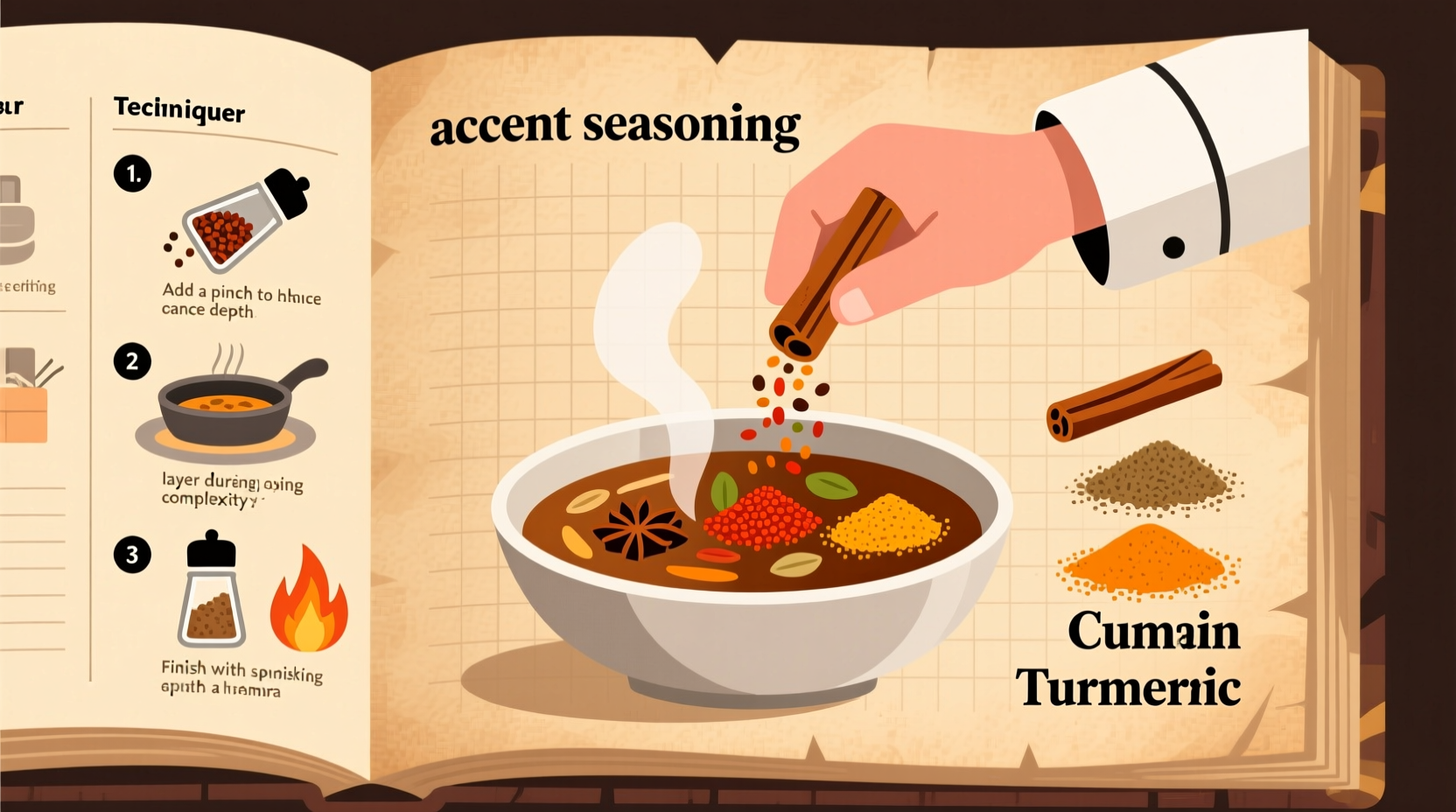
Accent seasoning is a flavor enhancer primarily composed of monosodium glutamate (MSG), a compound derived from glutamic acid—an amino acid naturally present in many protein-rich foods such as tomatoes, aged cheeses, soy sauce, and mushrooms. First isolated in 1908 by Japanese chemist Kikunae Ikeda, MSG was identified as the source of *umami*, the fifth basic taste alongside sweet, sour, salty, and bitter. Accent, introduced in the United States in the 1940s by Ajinomoto Co., became one of the first commercially available MSG-based products marketed to Western consumers.
The primary function of Accent seasoning is not to add a distinct flavor of its own but to amplify and round out existing savory notes in food. Unlike herbs or spices that contribute identifiable aromas or heat, Accent enhances mouthfeel and depth, making dishes taste more robust, satisfying, and \"complete.\" It dissolves easily in liquids and integrates seamlessly into dry rubs, marinades, sauces, and broths.
Despite persistent myths linking MSG to adverse health effects—often referred to as \"Chinese Restaurant Syndrome\"—numerous scientific studies conducted by organizations including the FDA, World Health Organization, and American Medical Association have concluded that MSG is safe for the general population when consumed in normal amounts. The controversy has waned over time, though consumer skepticism remains in some circles.
Key Characteristics
| Characteristic | Description |
|---|---|
| Primary Ingredient | Monosodium glutamate (MSG) |
| Flavor Profile | Umami-enhancing; adds savory depth without distinct taste |
| Aroma | Nearly odorless in powdered form |
| Appearance | Fine white crystalline powder |
| Solubility | Highly soluble in water and other liquids |
| Heat Stability | Stable under cooking and boiling temperatures |
| Sodium Content | About one-third the sodium of table salt by weight |
| Shelf Life | Indefinite when stored in a cool, dry place away from moisture |
| Culinary Function | Flavor enhancer, particularly for umami in meat, vegetable, and broth-based dishes |
Practical Usage: How to Use Accent Seasoning in Cooking
Accent seasoning shines in dishes where savory depth is paramount. Because it doesn’t overpower but rather intensifies natural flavors, it’s most effective when used subtly and strategically. Here are several proven ways to incorporate Accent into everyday cooking:
1. Enhance Broths and Stocks
A pinch of Accent added to homemade chicken, beef, or vegetable stock can significantly improve richness. For example, when simmering bones for bone broth, adding ¼ to ½ teaspoon of Accent per quart helps extract and amplify the inherent umami from collagen and marrow. This results in a fuller-bodied liquid ideal for soups, risottos, or sipping.
2. Boost Meat Dishes
When preparing roasts, grilled steaks, or ground meat mixtures (such as meatloaf or burgers), blend ½ teaspoon of Accent per pound of meat into the seasoning mix. This enhances the perception of juiciness and savoriness, especially in leaner cuts that may lack natural fat flavor. In slow-cooked dishes like pot roast or chili, adding Accent midway through cooking deepens the overall flavor profile.
3. Improve Vegetable Preparations
Vegetables such as mushrooms, tomatoes, green beans, and asparagus already contain natural glutamates. Accent complements these compounds. Toss roasted vegetables with olive oil, salt, pepper, and a light dusting of Accent (about ⅛ teaspoon per serving) before baking. The result is a more complex, restaurant-quality side dish.
4. Elevate Sauces and Gravies
In pan sauces, gravies, or stir-fry sauces, dissolve ¼ to ½ teaspoon of Accent into the liquid base. It works synergistically with ingredients like soy sauce, Worcestershire sauce, and tomato paste, reducing the need for excessive salt while maintaining boldness.
5. Use in Dry Rubs and Marinades
Mix Accent with paprika, garlic powder, onion powder, black pepper, and brown sugar for a versatile dry rub. Apply to ribs, chicken, or pork shoulder before smoking or grilling. In marinades, combine with acids (vinegar, citrus juice), oils, and aromatics—Accent helps carry flavor deeper into proteins during extended marinating.
Pro Tip: Always add Accent in small increments. Start with ⅛ to ¼ teaspoon per serving and adjust after tasting. Overuse can lead to an artificial or metallic aftertaste, defeating its purpose. Remember: Accent enhances, not replaces, foundational seasonings.
Variants & Types
While the original Accent seasoning remains the most widely recognized product, several variations exist to suit different culinary needs. These include both branded versions and generic alternatives:
- Accent Original – Pure MSG in crystalline form. Ideal for precise control in recipes requiring clean umami enhancement.
- Accent Garlic – A blend of MSG and garlic powder. Useful in dishes where garlic flavor is desired, such as mashed potatoes, roasted meats, or sautéed greens.
- Accent Onion – Combines MSG with dried onion flakes or powder. Excellent for soups, casseroles, and stuffing.
- Accent All-Purpose Seasoning – May include salt, herbs, and spices alongside MSG. Offers broader flavor impact but less precision than pure MSG.
- Generic MSG Powder – Sold under various store brands or international labels (e.g., Ajinomoto, Ve-Tsin). Chemically identical to Accent but often more affordable.
Each variant serves a specific purpose. For maximum flexibility, keep pure Accent (or plain MSG) on hand and pair it with individual spices. The flavored versions are convenient for quick seasoning but limit customization.
Comparison with Similar Ingredients
Accent seasoning is frequently confused with other pantry staples due to overlapping uses. However, key differences exist in composition, function, and effect.
| Ingredient | Composition | Function | Best Used In |
|---|---|---|---|
| Accent Seasoning | Pure or near-pure MSG | Umami enhancement; boosts savory depth | Balanced flavor bases (stocks, stews, meats) |
| Table Salt (NaCl) | Sodium chloride | Seasoning; enhances all tastes, especially salty | Universal; foundational seasoning |
| Garlic Salt | Salt + garlic powder (sometimes anti-caking agents) | Adds garlic flavor + saltiness | Vegetables, meats, dressings (where garlic is wanted) |
| Maggi Seasoning Sauce | Fermented wheat protein, water, salt, MSG | Liquid umami booster with tangy, fermented note | Asian and African dishes, marinades, soups |
| Worcestershire Sauce | Vinegar, molasses, anchovies, tamarind, garlic, MSG (in some brands) | Complex savory-sweet-tangy flavor with umami | Steak sauces, Bloody Marys, marinades |
| Chicken Bouillon | Salt, MSG, dehydrated chicken fat, herbs | Concentrated savory flavor with poultry character | Soups, rice, stews (where chicken flavor is appropriate) |
\"MSG isn't a flavor—it's a flavor catalyst. Think of it like a spotlight operator in a theater. It doesn't perform, but it makes the performers shine brighter.\" — Chef David Chang, Momofuku Group
Practical Tips & FAQs
Is Accent seasoning the same as MSG?
Yes. Accent seasoning is a branded product consisting primarily of monosodium glutamate. The terms are often used interchangeably, though “Accent” specifically refers to the Ajinomoto-manufactured version sold in North America.
Can I use Accent if I'm sensitive to MSG?
True sensitivity to MSG is rare. Most reported symptoms (headaches, flushing) lack consistent scientific validation in controlled studies. However, individuals who experience discomfort should avoid it. Note that many whole foods—like Parmesan cheese, ripe tomatoes, and soy sauce—naturally contain high levels of glutamates.
How much Accent should I use per dish?
A general guideline is ¼ to ½ teaspoon per quart of liquid or per pound of meat. Start low, taste, and adjust. Overuse can create an unbalanced, overly intense savory note.
Can Accent be substituted?
Yes. While no single ingredient replicates pure MSG exactly, umami-rich alternatives include:
- Dried shiitake mushroom powder (blend dried mushrooms into a fine dust)
- Soy sauce or tamari (adds liquid and salt, so reduce other sodium sources)
- Fish sauce (a few drops go a long way in savory dishes)
- Anchovy paste (dissolves into fats and sauces, enhancing meatiness)
- Nutritional yeast (especially in vegetarian dishes for cheesy-umami notes)
These substitutes provide umami but also introduce their own flavors, so they’re not always neutral replacements.
Does Accent contain salt?
The original Accent seasoning contains no added sodium chloride (table salt), though MSG itself contains sodium—about 12% by weight compared to 39% in table salt. This makes Accent a lower-sodium option for boosting flavor without increasing salt intake significantly.
How should I store Accent seasoning?
Keep in a tightly sealed container in a cool, dry place. Moisture can cause clumping, but the product remains usable. Avoid storing near the stove or dishwasher where humidity fluctuates.
Is Accent suitable for vegetarian or vegan cooking?
Yes. Pure MSG is synthesized from fermented starch or molasses and contains no animal products. However, always check flavored variants (e.g., Accent All-Purpose) for hidden animal-derived ingredients like chicken fat or dairy.
Can I use Accent in baking?
Not typically. Umami enhancement has little effect in sweet baked goods. However, in savory breads (e.g., cheese focaccia, herb loaves), a tiny amount (⅛ tsp) may enhance depth, though this is uncommon in home baking.
Storage Checklist:
- Transfer to an airtight glass or plastic container if not using the original can.
- Label with purchase date (though shelf life is indefinite).
- Store away from heat, light, and steam sources.
- Use a dry spoon to prevent moisture contamination.
Summary & Key Takeaways
Accent seasoning is a powerful yet often misunderstood tool in modern cooking. As a concentrated source of MSG, it enhances umami—the savory quality that makes food taste rich, satisfying, and deeply flavorful. It is not a spice, herb, or salt substitute, but a flavor amplifier that works best when used thoughtfully and in moderation.
Understanding its role allows cooks to make informed decisions about when and how to use it. Whether enriching a weeknight soup, improving a roast chicken, or refining a vegetarian stew, Accent can bridge the gap between home-cooked and professionally seasoned dishes.
Far from being a relic of mid-century processed food, Accent seasoning aligns with contemporary culinary science. Chefs and food scientists recognize umami as essential to balanced flavor, and Accent offers a direct, efficient way to achieve it. When demystified and used correctly, it becomes not a crutch, but a refinement—a quiet force that elevates the entire dish.
Next time you're adjusting the seasoning on a simmering stew, consider reaching for Accent. A light touch could be the difference between good and unforgettable.




 浙公网安备
33010002000092号
浙公网安备
33010002000092号 浙B2-20120091-4
Comments
No comments yet. Why don't you start the discussion?