
Achiote, though unfamiliar to many outside Latin American and Caribbean kitchens, is one of the most vibrant and functionally rich ingredients in tropical cuisine. Revered for its deep red-orange hue and earthy, slightly peppery flavor, achiote transforms both the appearance and taste of countless regional dishes. From marinating meats in Yucatán-style cochinita pibil to coloring rice in Puerto Rican arroz con gandules, achiote is more than a spice—it’s a cultural cornerstone. Understanding how to source, use, and store it empowers home cooks to explore authentic flavors with confidence and precision.
Definition & Overview
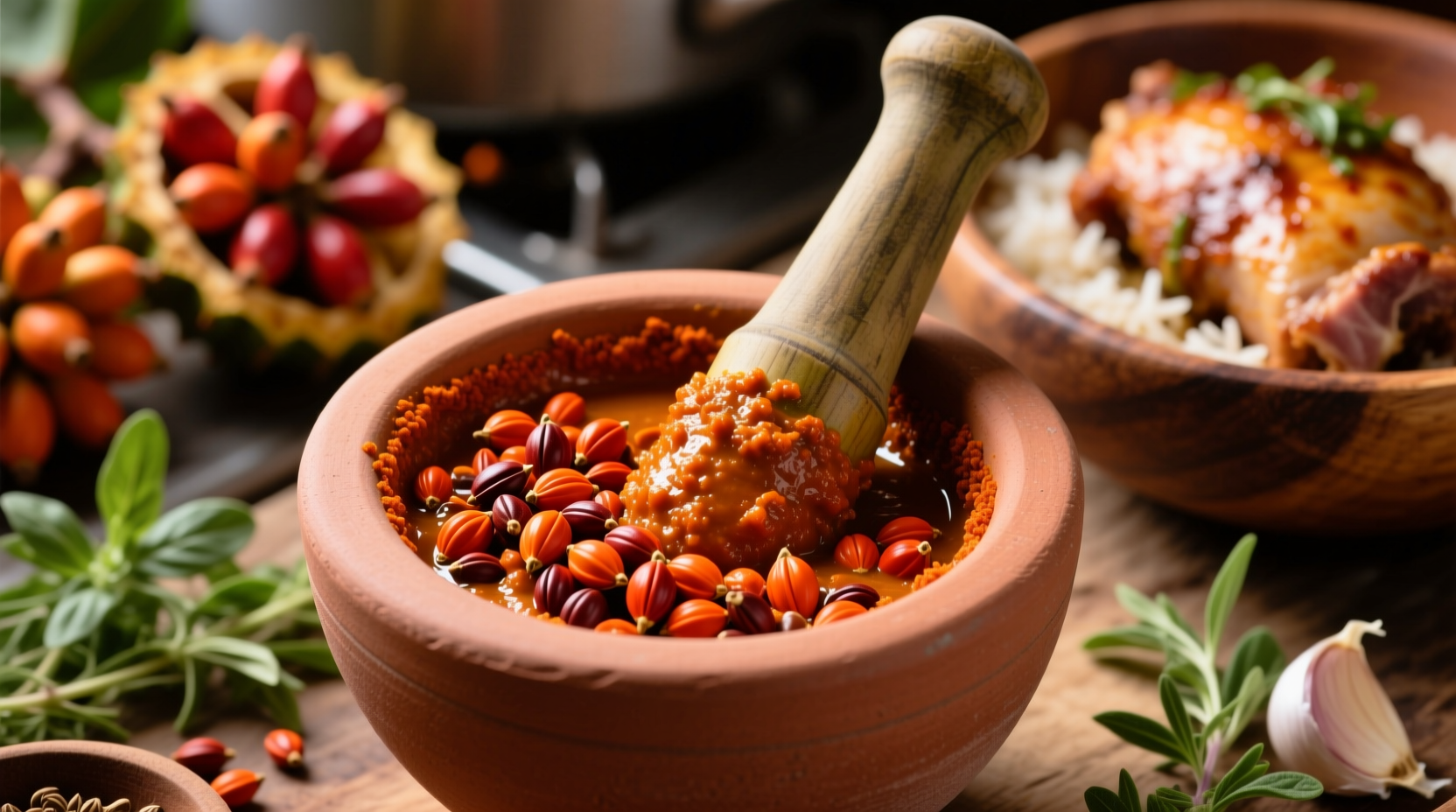
Achiote (pronounced ah-chee-OH-tay) refers to the seed of the Bixa orellana plant, a small shrub native to tropical regions of Central and South America. Also known as annatto, this seed has been used for centuries—not only in cooking but also in body paint, textiles, and ceremonial practices by Indigenous peoples such as the Maya and Arawak. Today, achiote remains central to the culinary traditions of Mexico, the Caribbean, Central America, and parts of South America and the Philippines, where Spanish colonization introduced it via trade routes.
The seeds are encased in bright red spiky pods that burst open when ripe, revealing clusters of rust-colored seeds coated in a waxy, lipid-rich pulp. This pigment-infused coating is the source of achiote’s intense color, derived primarily from bixin, a natural carotenoid compound. Unlike many spices, achiote contributes more color than heat, making it ideal for creating visually striking dishes without overwhelming the palate.
Key Characteristics
Achiote stands out due to a unique combination of sensory and functional traits:
- Flavor Profile: Earthy, musky, with subtle notes of nutmeg, pepper, and mild sweetness. Not spicy in the chili sense.
- Aroma: Woody and faintly floral when toasted; becomes more aromatic when infused in oil or liquid.
- Color: Deep reddish-orange to golden yellow, depending on concentration and preparation method.
- Heat Level: Non-pungent; does not contribute capsaicin-based heat.
- Culinary Function: Natural coloring agent, flavor enhancer, and preservative (due to antioxidant properties).
- Shelf Life: Whole seeds last up to two years in cool, dark storage; ground form degrades faster—best used within 6–12 months.
- Solubility: Fat-soluble pigment; best extracted using oil, lard, or alcohol-based liquids.
| Characteristic | Description |
|---|---|
| Botanical Name | Bixa orellana |
| Common Names | Achiote, annatto, onoto (Caribbean), urucú (Brazil) |
| Primary Use | Coloring and flavoring agent |
| Active Compound | Bixin (natural carotenoid) |
| Form Available | Whole seeds, ground powder, paste, pre-made oil, liquid extract |
| Allergen Note | Rare allergies reported; generally recognized as safe (GRAS) by FDA |
Variants & Types
Achiote appears in multiple forms, each suited to different applications in the kitchen. Choosing the right type depends on your recipe’s requirements and desired intensity of color and flavor.
1. Whole Seeds
The most traditional and shelf-stable form. Whole achiote seeds are typically used to infuse oils or broths. They’re gently heated in fat to release their pigment, then strained out before serving. This method ensures maximum color extraction while minimizing any gritty texture.
2. Ground Achiote Powder
Created by drying and milling the seeds. Convenient for dry rubs or spice blends like recado rojo. However, ground achiote loses potency faster than whole seeds due to increased surface area exposure to light and air.
3. Achiote Paste (Recado Rojo)
A prepared blend common in Yucatecan cooking, combining ground achiote with garlic, cumin, oregano, cloves, black pepper, and citrus juice (often bitter orange). Sold refrigerated or frozen in Latin markets, this paste is ideal for marinating meats, especially pork and chicken.
Tip: When buying achiote paste, check the ingredient list. Authentic versions contain minimal additives—avoid those with soybean oil, preservatives, or artificial colors if seeking traditional flavor.
4. Achiote Oil
Oil infused with achiote seeds, commonly made with canola, sunflower, or olive oil. Ready-to-use for sautéing, frying, or drizzling. Popular in Venezuelan and Colombian kitchens for coloring tamales, arepas, and soups.
5. Liquid Extract
A concentrated, alcohol-based solution used primarily in industrial food production but available in specialty stores. Just a few drops can color large batches of rice or sauces. Best for precise control in commercial settings.
6. Synthetic vs. Natural Achiote
Natural achiote is preferred for clean-label cooking. Some processed foods use synthetic dyes labeled simply as “annatto,” which may lack the nuanced flavor of real achiote. Always opt for whole or minimally processed forms when possible.
Practical Usage: How to Cook with Achiote
Using achiote effectively requires understanding how its pigment behaves in different mediums. Since bixin is fat-soluble, water-based preparations yield weaker color unless emulsifiers are added. The key is gentle heat and proper fat integration.
Infusing Achiote Oil at Home
Creating your own achiote oil gives full control over quality and intensity.
- Heat 1 cup neutral oil (such as grapeseed or avocado) in a saucepan over low heat.
- Add 2–3 tablespoons whole achiote seeds.
- Warm gently for 8–10 minutes, stirring occasionally. Do not let the oil smoke.
- Remove from heat and let steep for another 5 minutes.
- Strain through cheesecloth into a sterilized jar.
- Store in a cool, dark place for up to 6 months.
This oil can replace regular oil in frying eggs, searing fish, or sautéing onions for stews. One tablespoon imparts noticeable color and a whisper of earthiness.
Using Achiote Paste in Marinades
In Yucatán, achiote paste is rubbed onto pork shoulder, then slow-roasted in banana leaves for cochinita pibil—a dish renowned for its deep red crust and tender interior.
To prepare a basic marinade:
- Mix ¼ cup achiote paste with ½ cup sour orange juice (or mix orange and lime juice).
- Add 1 teaspoon salt, 1 chopped habanero (optional), and 2 minced garlic cloves.
- Marinate meat (pork, chicken, or tofu) for at least 4 hours, preferably overnight.
- Cook covered in a Dutch oven at 325°F (160°C) for 3–4 hours, or wrap in banana leaves and grill.
Coloring Rice and Grains
Achiote adds visual appeal to simple side dishes. For arroz amarillo (yellow rice):
- Sauté 1 chopped onion and 2 minced garlic cloves in 2 tablespoons achiote oil.
- Add 1 cup rinsed long-grain rice; stir to coat evenly.
- Pour in 2 cups broth and bring to a boil.
- Reduce heat, cover, and simmer 18 minutes.
The result is golden-hued rice with a subtle, savory depth—perfect alongside grilled meats or beans.
Application in Sauces and Stews
In Dominican sancocho or Peruvian ají de gallina, achiote enhances both color and richness. In these dishes, it's often combined with dairy or starch to stabilize the pigment.
For example, in ají de gallina:
- Toast 1 tablespoon ground achiote in butter until fragrant.
- Add soaked bread or crackers to thicken.
- Blend with milk, cheese, and boiled chicken for a creamy, sunset-colored sauce.
Comparison with Similar Ingredients
Achiote is frequently confused with other red-hued spices. While they may look alike, their flavor profiles and functions differ significantly.
| Ingredient | Color Source | Flavor Profile | Heat Level | Best Used In |
|---|---|---|---|---|
| Achiote (Annatto) | Bixin (carotenoid) | Earthy, woody, mildly sweet | None | Rice, marinades, oils, stews |
| Paprika | Capsanthin (carotenoid) | Smoky, sweet, or hot (varies by type) | Low to high | Goulash, rubs, deviled eggs |
| Turmeric | Curcumin | Bitter, earthy, slightly peppery | None | Curries, lentils, mustards |
| Saffron | Carotene (crocin) | Floral, honey-like, luxurious | None | Paella, risotto, sauces |
| Beet Powder | Betalains | Earthy, vegetal, sweet | None | Baking, smoothies, vegan dyes |
“Achiote isn’t just about color—it’s about continuity. Every time I make recado rojo from scratch, I’m connecting with generations who used the same seeds to feed their families. The hue tells a story before the first bite.” — Chef Elena Méndez, Oaxaca Culinary Institute
Practical Tips & FAQs
Can I substitute achiote if I don’t have it?
Yes, but with caveats. For color only, turmeric or paprika can mimic the hue—but both alter flavor significantly. Turmeric adds bitterness; paprika brings smokiness or heat. A better workaround is mixing a small amount of paprika with a neutral oil and balancing with a pinch of cumin or garlic powder to approximate achiote’s warmth. However, no substitute fully replicates its unique profile.
Does achiote make food spicy?
No. Despite its fiery appearance, achiote is not a chili and contains no capsaicin. Any heat in achiote-based dishes comes from added peppers (like habanero in recado rojo), not the achiote itself.
Is achiote safe to consume?
Yes. Achiote is generally recognized as safe by health authorities worldwide. Rare cases of allergic reactions—typically skin rashes or digestive discomfort—have been documented, usually in individuals sensitive to salicylates. As with any new ingredient, introduce it gradually.
How should I store achiote?
- Whole seeds: In an airtight container away from light and moisture. Lasts 18–24 months.
- Ground powder: Refrigerated in a dark glass jar. Use within 6–12 months.
- Paste: Keep refrigerated up to 2 weeks or freeze in portions for 3 months.
- Infused oil: Store in a cool, dark cupboard. Discard if cloudy or off-smelling.
Why does my achiote rice taste bitter?
Bitterness usually results from overheating. Achiote pigments degrade when exposed to high temperatures, releasing unpleasant compounds. Always use low to medium heat when infusing oil or cooking with ground achiote. Never burn the seeds.
Can I use achiote in vegetarian or vegan cooking?
Absolutely. Achiote is plant-based and widely used in vegan dishes across Latin America. It’s ideal for adding richness and visual appeal to bean stews, vegetable rice, plantains, and tofu scrambles.
Where can I buy achiote?
Available in:
- Latin American grocery stores (look for brands like Goya or El Guapo)
- Caribbean or Filipino markets (where it’s called \"onoto\" or \"atsuete\")
- Online retailers (Amazon, MexicanTianguis.com, Spice House)
- Select health food stores (often in supplement or natural dye sections)
Pro Tip: Buy whole seeds whenever possible. You can grind them fresh in a spice grinder or mortar and pestle for maximum flavor. Pre-ground versions may be mixed with fillers or have lost potency.
Summary & Key Takeaways
Achiote is far more than a natural food dye—it is a culturally significant ingredient with deep roots in Indigenous and colonial foodways. Its ability to impart a warm, golden-red hue without adding heat makes it indispensable in Latin American and Caribbean cuisines. Whether you're preparing a festive rice dish, marinating meat for slow roasting, or crafting homemade infused oils, achiote elevates both appearance and flavor with subtlety and grace.
Understanding its forms—whole seeds, paste, powder, and oil—allows for versatile application in everyday cooking. Unlike substitutes such as turmeric or paprika, achiote offers a distinct earthy nuance that cannot be perfectly replicated. Proper handling, including gentle heating and correct storage, ensures optimal performance and longevity.
By integrating achiote into your pantry, you gain access to a world of vibrant, authentic dishes that honor tradition while delighting modern palates. Start with a simple batch of achiote oil or a classic yellow rice—you’ll quickly see why this ancient seed remains a culinary treasure.
Explore achiote in your next meal: try making homemade achiote oil and use it to sauté vegetables or season beans. Notice how a single ingredient can transform both color and character—with minimal effort and maximum impact.




 浙公网安备
33010002000092号
浙公网安备
33010002000092号 浙B2-20120091-4
Comments
No comments yet. Why don't you start the discussion?