
AJ Amarillo sauce has quietly become a staple in Filipino kitchens and among Southeast Asian food enthusiasts worldwide. While not as globally recognized as sriracha or hoisin, this vibrant yellow condiment delivers a unique balance of tangy, savory, and mildly spicy flavors that elevate everything from grilled meats to dipping sauces. For home cooks seeking depth without heat overload, or professionals looking for an umami-rich shortcut, understanding AJ Amarillo sauce unlocks new dimensions in flavor building. This guide explores its origins, composition, practical applications, and how to use it effectively across cuisines.
Definition & Overview
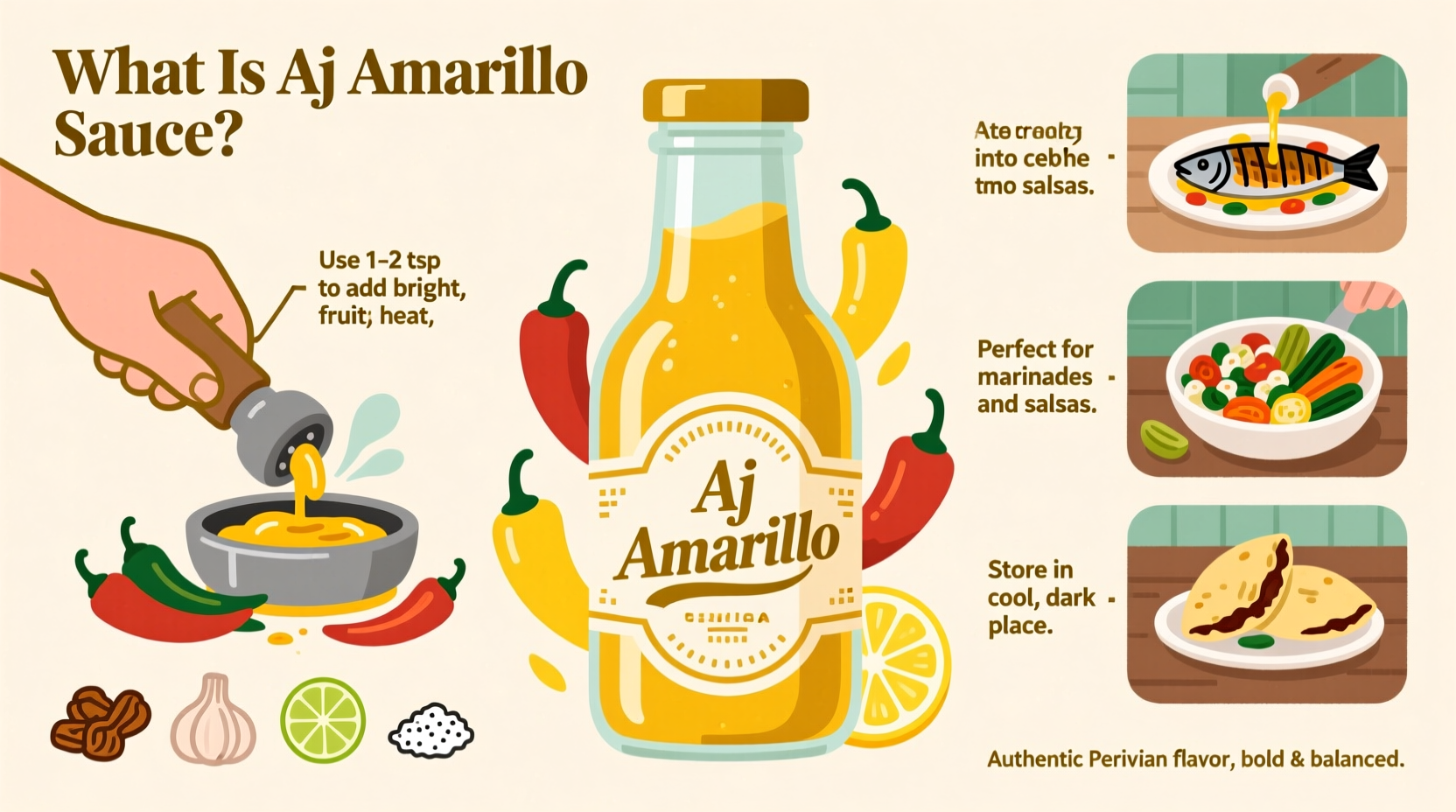
AJ Amarillo sauce is a Filipino-made bottled condiment produced by the brand AJ Products International, known for its range of ready-to-use sauces inspired by traditional Filipino recipes. The term “Amarillo” means “yellow” in Spanish—a nod to both the sauce’s bright golden hue and the historical influence of Spanish cuisine on Filipino food culture. Despite the name, AJ Amarillo is not derived from yellow chilies but rather from a proprietary blend centered around achuete (annatto) seeds, vinegar, garlic, onions, and mild chili peppers.
The sauce functions primarily as a marinade, basting agent, or finishing sauce, particularly for grilled and roasted dishes. It is most famously associated with chicken inasal, a popular Filipino barbecue style originating from Bacolod in the Visayas region. In this context, AJ Amarillo acts as both a flavor base and color enhancer, giving the meat its signature golden sheen and complex, slightly sour-savory taste.
Unlike many commercial marinades that rely heavily on sugar or soy sauce, AJ Amarillo maintains a lighter profile—tangier than sweet, aromatic rather than salty—with just enough warmth to intrigue without overwhelming. Its versatility extends beyond chicken, making it a valuable tool in modern fusion cooking and time-efficient meal prep.
Key Characteristics
| Attribute | Description |
|---|---|
| Flavor Profile | Tangy, garlicky, mildly spicy, with earthy undertones from annatto and a hint of citrus-like acidity |
| Aroma | Pronounced garlic and onion presence, with warm, slightly nutty notes from toasted achuete |
| Color | Bright yellow-orange, derived naturally from annatto (achuete) oil infusion |
| Heat Level | Mild (1,000–2,500 SHU estimated); comparable to a light jalapeño, not overpowering |
| Texture | Smooth, pourable liquid with fine particulates from ground spices and aromatics |
| Culinary Function | Marinade, baste, glaze, dip base, flavor booster in stews and stir-fries |
| Shelf Life | Unopened: 18–24 months; refrigerated after opening: up to 6 months |
| Allergens | Contains garlic and may contain traces of tree nuts due to shared facility processing |
Practical Usage: How to Use AJ Amarillo Sauce in Cooking
The strength of AJ Amarillo lies in its adaptability. It can be used straight from the bottle or enhanced with additional ingredients depending on the dish. Below are proven methods for integrating it into your cooking repertoire.
As a Marinade for Grilled Meats
For authentic chicken inasal-style preparation, combine ½ cup AJ Amarillo sauce with 2 tablespoons calamansi juice (or lemon/lime), 1 tablespoon brown sugar, and 1 teaspoon salt. Marinate chicken pieces (preferably bone-in thighs or drumsticks) for at least 2 hours, ideally overnight. Grill over medium heat, basting frequently with reserved marinade until caramelized and fully cooked.
This method works equally well with pork, turkey, or even firm fish like swordfish. The acidity tenderizes while the annatto imparts rich color and subtle earthiness.
As a Basting Glaze
During grilling or roasting, brush AJ Amarillo directly onto proteins during the final 10–15 minutes of cooking. This builds a glossy exterior and intensifies flavor through controlled caramelization. Ideal for whole chickens, spareribs, or vegetable kebabs.
Pro Tip: For deeper flavor, reduce ¼ cup of AJ Amarillo with 1 minced shallot and a splash of coconut water over low heat until thickened into a syrupy glaze. Use as a finishing sauce for tacos, rice bowls, or grilled tofu.
In Dipping Sauces and Dressings
Mix AJ Amarillo with equal parts mayonnaise for a creamy dipping sauce perfect for fries, spring rolls, or fried chicken. Add a dash of hot sauce or fish sauce to customize heat and umami levels.
Alternatively, whisk 2 tablespoons into vinaigrettes using neutral oil and calamansi or yuzu juice. Toss with green mango salad, cabbage slaw, or grilled romaine for a Filipino-inspired twist.
As a Flavor Base in One-Pot Dishes
Sauté onions and garlic, then add 2–3 tablespoons of AJ Amarillo before introducing liquids such as broth or coconut milk. This technique layers flavor early in dishes like:
- Adobo variations: Replace soy sauce base partially with AJ Amarillo for a brighter, less salty version
- Stir-fried noodles (pancit): Toss cooked noodles with vegetables and protein using diluted AJ Amarillo as seasoning
- Rice pilafs and grain bowls: Stir a spoonful into rice during cooking for colored, flavored grains reminiscent of paella
Fusion Applications
Chefs have begun incorporating AJ Amarillo into non-traditional formats:
- Pizza drizzle: After baking, swirl over chicken or mushroom pizza with fresh herbs
- Breakfast hash enhancement: Mix into sautéed potatoes with bell peppers and onions
- Burger spread: Blend with ketchup and a touch of mustard for tropical flair
Variants & Types
While the original AJ Amarillo remains the most widely available, several variants exist, each suited to different culinary needs:
| Variant | Key Features | Best Used For |
|---|---|---|
| Original AJ Amarillo | Balanced tang and mild spice; standard formulation | Chicken inasal, general marinades, dipping bases |
| Spicy Red Version | Enhanced chili content; deeper red-orange tint; higher heat | Dishes needing more kick—spicy wings, salsas, taco fillings |
| Sugar-Free / Low-Sodium | Reduced sugar and salt; cleaner label | Keto diets, health-conscious cooking, diabetic-friendly meals |
| Organic Amarillo Style Sauce | Uses organic vinegar, non-GMO ingredients, no artificial preservatives | Whole foods cooking, farmers market-style dishes, clean eating menus |
| Concentrate / Paste Form | Thicker, more potent; requires dilution | Commercial kitchens, large-batch marinating, shelf-stable storage |
When selecting a variant, consider the desired outcome: authenticity calls for the original, while dietary restrictions or menu innovation may favor specialized versions.
Comparison with Similar Ingredients
AJ Amarillo is often mistaken for other yellow-hued sauces or marinades. Understanding the differences ensures proper usage and avoids flavor mismatches.
| Sauce | Flavor Profile | Primary Use | How It Differs from AJ Amarillo |
|---|---|---|---|
| Mustard (Dijon/Yellow) | Sharp, pungent, acidic | Sandwiches, dressings | Lacks garlic and annatto; sharper bite; no umami depth |
| Hoisin Sauce | Sweet, salty, fermented soy base | Glazes, Peking duck, stir-fry | Thicker, sweeter, darker; Chinese origin; no citrus note |
| Sriracha Mayo | Spicy, creamy, garlicky | Dips, burgers, sushi | Cream-based; lacks tang and herbal complexity |
| Annatto Oil (Achuete Oil) | Earthy, nutty, colorful fat | Coloring agent, frying medium | No acidity or seasoning; pure oil infusion |
| Yellow Curry Paste | Coconut-forward, turmeric-heavy, aromatic | Curries, soups | Contains lemongrass, galangal, coconut; Thai origin |
| AJ Amarillo Sauce | Tangy-garlicky, mildly spicy, annatto-colored | Marinades, grilling, Filipino BBQ | Unique combination of vinegar, garlic, achuete, mild chili |
“AJ Amarillo isn’t just a sauce—it’s a cultural blueprint in a bottle. It captures the essence of Visayan grilling traditions where brightness balances richness, and color tells you when it’s done.” — Chef Lani Valle, Filipino Culinary Institute
Practical Tips & FAQs
Can I substitute AJ Amarillo if I can't find it?
Yes, though no single substitute replicates all aspects. Combine 2 tablespoons annatto oil (or paprika-infused oil), 1 tablespoon rice vinegar, 1 minced garlic clove, ½ teaspoon smoked paprika, and a pinch of cayenne. Adjust to taste. This mimics the color and tang but lacks the precise balance of the original.
Is AJ Amarillo spicy?
Only mildly so. It delivers warmth rather than heat, designed to enhance rather than dominate. Those sensitive to spice can use it freely. For extra kick, pair with bird’s eye chilies or chili flakes.
Does it contain artificial coloring?
No. The vibrant yellow comes entirely from natural annatto (achuete) seed extract, which also contributes nutritional benefits including antioxidants and vitamin E.
Can vegetarians and vegans use it?
Yes. The standard formulation contains no animal products. Always check the label for potential additives in regional formulations, but most global versions are plant-based.
How should I store it?
Keep unopened bottles in a cool, dark pantry. Once opened, refrigerate tightly sealed to preserve freshness and prevent oxidation. Shake well before use if separation occurs.
What dishes showcase AJ Amarillo best?
Top performers include:
- Grilled chicken skewers with pineapple salsa
- Garlic butter shrimp with amarillo drizzle
- Vegetable fajitas with Filipino twist
- Eggs benedict with ham and amarillo hollandaise
- Roasted cauliflower steaks with herb garnish
Can I cook with it at high heat?
Yes, but avoid prolonged boiling. Searing and grilling are ideal. Extended exposure to high flames may cause bitterness from vinegar breakdown. Use as a finisher when possible for maximum aroma retention.
Storage Checklist:
☐ Refrigerate after opening
☐ Seal cap tightly
☐ Use within 6 months post-opening
☐ Label bottle with date opened
☐ Avoid cross-contamination with dirty utensils
Summary & Key Takeaways
AJ Amarillo sauce is far more than a niche condiment—it's a gateway to bold, balanced flavor rooted in Filipino culinary tradition. Its golden hue comes from natural annatto, not artificial dyes, and its taste combines tangy vinegar, pungent garlic, and gentle heat in a way few sauces replicate.
It excels as a marinade for grilled meats, especially chicken, and doubles as a basting glaze, dressing base, or umami booster in one-pot meals. Variants allow customization for heat preference, dietary needs, or professional scaling. Unlike similar sauces such as hoisin or mustard, AJ Amarillo occupies a unique niche: neither too sweet nor too sharp, but perfectly poised between savory and bright.
Understanding its characteristics enables smart substitutions and creative applications—from fusion tacos to breakfast hashes. Whether you're exploring Filipino cuisine or simply expanding your pantry toolkit, AJ Amarillo offers a reliable, flavorful shortcut without sacrificing authenticity.




 浙公网安备
33010002000092号
浙公网安备
33010002000092号 浙B2-20120091-4
Comments
No comments yet. Why don't you start the discussion?