
When shopping at a farmers market or browsing seed catalogs, you may have come across tomatoes that don’t fit the familiar round shape—elongated, plump, and often deeply ribbed, these are oblong tomatoes. Unlike standard globe varieties, oblong tomatoes offer distinct advantages in both texture and cooking performance. Their unique form isn't just aesthetic; it reflects structural differences that affect moisture content, seed distribution, and flesh density. For home cooks and professional chefs alike, understanding what sets oblong tomatoes apart—and how to use them effectively—can elevate everything from summer salads to slow-simmered sauces.
The term \"oblong tomato\" refers not to a single cultivar but to a category of tomato defined by its elongated shape, typically ranging from 3 to 8 inches in length. These tomatoes are often mistaken for Roma types, but while many Romas are oblong, not all oblong tomatoes are Romas. They include heirloom varieties, hybrid breeds, and regional specialties cultivated for their superior cooking qualities. With a growing emphasis on ingredient specificity in modern cuisine, knowing when and how to reach for an oblong tomato can make the difference between a watery sauce and one that richly coats pasta.
Definition & Overview
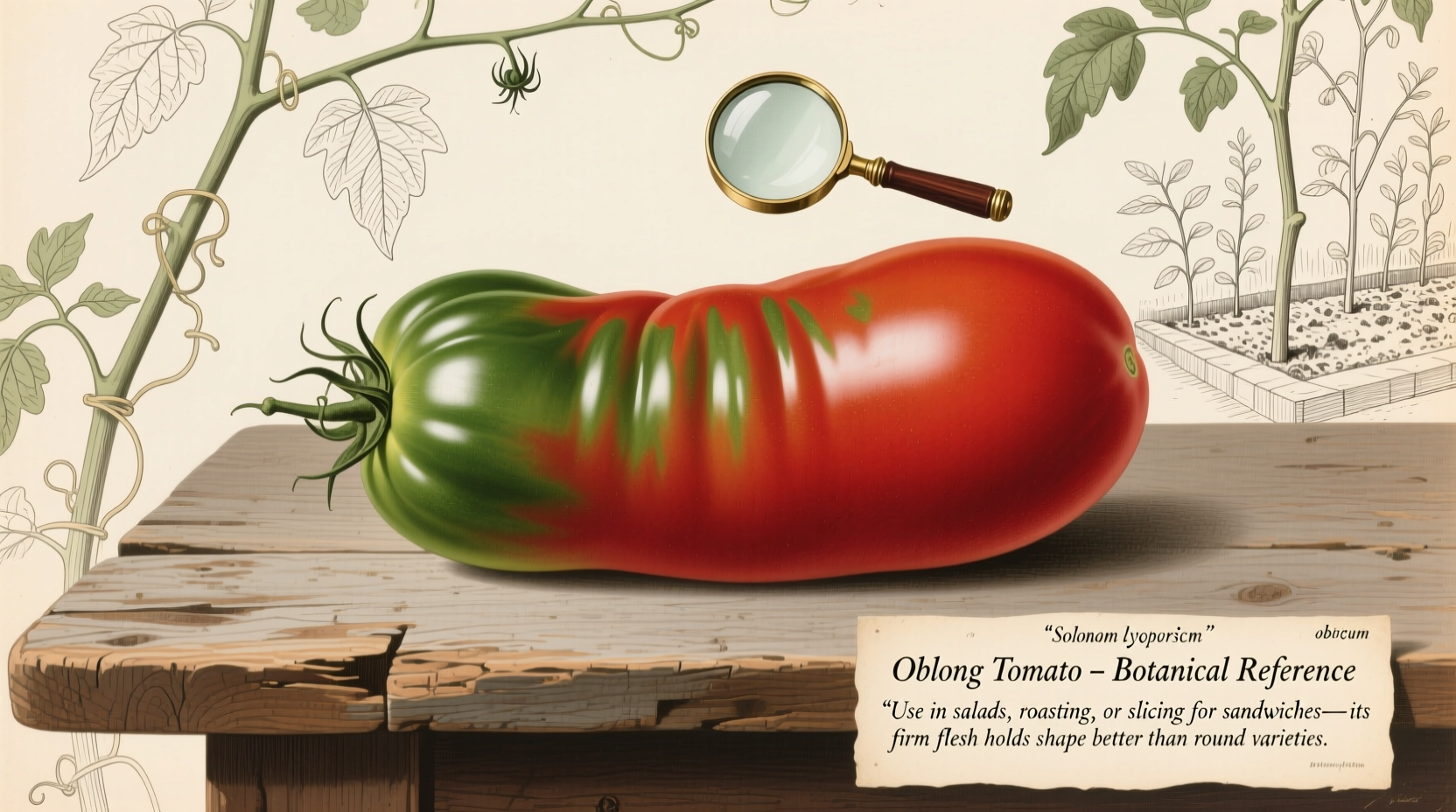
An oblong tomato is any tomato variety that grows in an elongated, oval, or cylindrical shape rather than a spherical or beefsteak form. Botanically classified as Solanum lycopersicum, these tomatoes fall under the broader category of fruiting vegetables prized for their balance of acidity, sweetness, and umami depth. While they vary widely in color—from deep reds and oranges to purples and yellows—their defining trait remains their extended silhouette.
Oblong tomatoes are most commonly associated with paste or plum tomatoes, bred specifically for concentrated flavor and low water content. However, some oblong types are juicy and fresh-eating, particularly certain heirlooms like 'Striped German' or 'Oxheart', which grow in a teardrop or heart-like oblong shape. The key unifying factor is morphology: the fruit develops longer than it is wide, often tapering slightly at the blossom end.
Originating primarily from Mediterranean and Mesoamerican agricultural traditions, oblong forms evolved through selective breeding to meet preservation and cooking needs. In Italy, for example, San Marzano tomatoes—a protected DOP (Denominazione di Origine Protetta) variety grown in the volcanic soil near Mount Vesuvius—are iconic oblong tomatoes prized for their role in Neapolitan cuisine. Similarly, in Mexico, varieties like Tomaate Verde Largo (a green oblong type) are used in salsas and stews, showcasing the global culinary significance of this shape.
Key Characteristics
Oblong tomatoes differ from other tomato types in several measurable ways that influence their culinary function. Below is a breakdown of their essential traits:
| Characteristic | Description |
|---|---|
| Shape & Size | Typically 3–8 inches long, oval or cylindrical, sometimes slightly tapered or bulbous at the stem end. |
| Flesh Density | High flesh-to-seed ratio; thick walls with fewer gel-filled seed cavities compared to round tomatoes. |
| Moisture Content | Lower water content, especially in paste-type oblongs, making them ideal for reduction. |
| Flavor Profile | Balanced sweetness and acidity; some varieties exhibit smoky, earthy, or fruity notes. |
| Skin Thickness | Moderate to firm skin, which holds up well during cooking and resists splitting. |
| Shelf Life | Longer than juicy beefsteaks; can last 5–7 days at room temperature, up to two weeks refrigerated if needed. |
| Culinary Function | Best suited for cooking down into sauces, pastes, soups, and roasted preparations; also excellent sliced for sandwiches or grilling. |
These characteristics collectively make oblong tomatoes more efficient for applications requiring volume reduction. Because they contain less excess liquid, they require less simmering time to achieve a thick consistency, preserving freshness and brightness without overcooking.
Practical Usage: How to Use Oblong Tomatoes in Cooking
The versatility of oblong tomatoes lies in their adaptability across raw and cooked applications. Their dense flesh allows them to retain structure when grilled or pan-seared, while their concentrated flavor intensifies beautifully when reduced. Here’s how to incorporate them effectively in everyday cooking:
Sauces and Pastes
Oblong tomatoes, particularly paste varieties like San Marzano, Roma, or Amish Paste, are the gold standard for homemade tomato sauce. To prepare:
- Blanch the tomatoes in boiling water for 30 seconds, then transfer to ice water.
- Peel off the skins, which loosen easily after blanching.
- Cut in half lengthwise and gently squeeze out seeds and excess gel (optional, depending on desired texture).
- Chop finely and sauté with olive oil, garlic, and onions until softened.
- Simmer for 45 minutes to 2 hours, stirring occasionally, until thickened.
This method yields a smooth, rich sauce perfect for pasta, pizza, or shakshuka. Because oblong tomatoes have less water, you’ll spend significantly less time reducing the sauce compared to using standard slicer tomatoes.
Roasting and Grilling
Due to their lower moisture and sturdy flesh, oblong tomatoes hold their shape exceptionally well when roasted or grilled. Slice them crosswise into ½-inch rounds, brush with olive oil, season with sea salt and cracked pepper, and roast at 375°F (190°C) for 25–35 minutes until caramelized at the edges. Roasted oblong tomatoes can be layered into casseroles, folded into grain bowls, or served atop crostini with goat cheese and basil.
Fresh Applications
While many oblong tomatoes excel in cooking, certain heirloom types—such as 'German Red Strawberry' or 'Costoluto Genovese'—are juicy enough for fresh eating. When using in salads:
- Cut crosswise into even slices for caprese salads.
- Dice small for pico de gallo or bruschetta topping.
- Use whole in cold soups like gazpacho, where their firm texture provides body.
Pickling and Preserving
Smaller oblong varieties, such as 'Saladette' or 'Elongated Yellow', are excellent candidates for pickling. Their compact size and firm walls absorb vinegar brines evenly without turning mushy. Combine with mustard seeds, coriander, garlic, and chili flakes for a tangy condiment that pairs well with charcuterie or grilled meats.
Pro Tip: When substituting oblong tomatoes in recipes calling for canned crushed tomatoes, use a 1.5:1 ratio of fresh to canned (by weight), since fresh tomatoes still contain more moisture even when low-water varieties are used. Always taste and adjust seasoning after reduction.
Variants & Types of Oblong Tomatoes
Not all oblong tomatoes are created equal. Different cultivars serve different purposes based on genetics, region, and intended use. Understanding the major types helps ensure proper selection for your dish.
1. Paste / Plum Tomatoes
The most common oblong type, bred specifically for sauce-making. Examples include:
- San Marzano: Grown in Italy’s Campania region, DOP-certified; elongated, pointed tip, few seeds, sweet flavor.
- Roma: Widely available hybrid; meaty, moderately acidic, excellent for canning.
- Amish Paste: Heirloom variety with pinkish-red skin; complex sweetness, great for drying.
2. Oxheart Tomatoes
Named for their heart-like shape, these are large, fleshy, and often misclassified as beefsteaks. They are technically oblong due to their vertical growth pattern. Varieties like 'Yellow Oxheart' or 'Ruby Heart' offer juicy interiors with dense cores, suitable for slicing or stuffing.
3. Cylindrical Cherry Tomatoes
Some cherry tomatoes grow in elongated forms, such as 'Sun Gold Long Cluster' or 'Sweet Baby Girl'. Though small, their shape qualifies them as oblong. These are best eaten fresh or roasted whole.
4. Specialty Heirlooms
Unique open-pollinated varieties developed over generations. Notable examples:
- 'Costoluto Fiorentino': Deeply ribbed, irregular oblong shape; intense flavor, good for sauces.
- 'Striped German': Large, yellow-and-red marbled flesh; moderate juiciness, ideal for slicing.
- 'Ponderosa Pink': Heart-shaped, very large; mild flavor, often used in sandwiches.
| Type | Best Used For | Texture | Availability |
|---|---|---|---|
| Paste/Plum | Sauces, canning, sun-drying | Firm, low-moisture | Widely available in supermarkets |
| Oxheart | Grilling, stuffing, slicing | Dense yet juicy | Farmers markets, specialty growers |
| Cylindrical Cherry | Snacking, roasting, garnishes | Crisp, sweet | Seasonal, gourmet produce sections |
| Heirloom Oblongs | Fresh eating, artisanal dishes | Variable (juicy to dense) | Limited season, seed-saving communities |
Comparison with Similar Ingredients
Oblong tomatoes are frequently confused with other tomato shapes and categories. Clarifying these distinctions ensures accurate usage in recipes.
Oblong vs. Round Slicing Tomatoes
- Oblong: Lower water content, denser flesh, better for cooking.
- Round (e.g., Beefsteak): Juicier, larger seed cavities, best for sandwiches and fresh salads.
Oblong vs. Cherry Tomatoes
- Oblong: Larger size, variable moisture, used in both raw and cooked dishes.
- Cherry: Uniformly small, high sugar, usually eaten raw or roasted whole.
Oblong vs. Pear Tomatoes
- Oblong: Uniform cylinder or oval; bred for yield and processing.
- Pear: Distinctly tapered, often smaller; decorative, very sweet, used in salads.
\"The shape of a tomato tells you more than aesthetics—it's a roadmap to its function. An oblong tomato is nature’s way of saying, ‘I was made to simmer.’\"
—Chef Elena Martinez, Culinary Director, Terra Verde Cooking School
Practical Tips & FAQs
Can I substitute oblong tomatoes for regular tomatoes in recipes?
Yes, but with adjustments. If replacing juicy round tomatoes with oblong ones in a salad, expect less liquid and firmer texture. Conversely, using beefsteaks in place of paste tomatoes for sauce will require longer cooking to reduce excess water.
How should I store oblong tomatoes?
Store at room temperature away from direct sunlight for optimal flavor and texture. Refrigeration slows spoilage but dulls aroma and makes flesh mealy. Only refrigerate if keeping beyond five days or in hot climates.
Are oblong tomatoes genetically modified?
No. Most oblong varieties result from traditional selective breeding. San Marzano and other heirlooms are open-pollinated and non-GMO.
Do oblong tomatoes need peeling before cooking?
For sauces and purees, yes. The thicker skin doesn’t break down during cooking and can create an unpleasant texture. Blanching makes peeling easy. For roasting or grilling, leaving the skin on is acceptable and adds structure.
What dishes benefit most from oblong tomatoes?
Top applications include:
- Marinara and arrabbiata sauces
- Pizza sauce (especially Neapolitan-style)
- Sun-dried tomatoes
- Tomato conserva (preserved in oil)
- Stuffed tomato bakes
- Roasted vegetable medleys
Can I grow oblong tomatoes at home?
Absolutely. Many oblong varieties thrive in containers or garden beds. Choose determinate (bush) types like Roma for limited spaces, or indeterminate (vining) types like San Marzano for larger yields. Provide support with stakes or cages, and harvest when fully colored and slightly soft to touch.
Storage Hack: To extend shelf life, store oblong tomatoes stem-side down. This reduces moisture loss and prevents bruising at the vulnerable blossom end.
Summary & Key Takeaways
Oblong tomatoes are more than just oddly shaped fruit—they are purpose-built tools in the kitchen, engineered by nature and horticulture for efficiency and flavor concentration. Their elongated form signals a higher flesh-to-liquid ratio, making them superior for cooking applications where thickness and depth matter. Whether you're crafting a weekend ragu, preparing a quick weeknight pasta, or grilling vegetables for a summer meal, selecting the right oblong variety can streamline preparation and enhance results.
From the celebrated San Marzano of Italy to backyard-grown Oxhearts, these tomatoes bridge tradition and practicality. Understanding their types, characteristics, and optimal uses empowers cooks to move beyond generic “tomato” substitutions and embrace ingredient intelligence. Next time you see those sleek, elongated fruits at the market, recognize them not as curiosities but as culinary assets—ready to transform your sauces, roasts, and preserves with minimal effort and maximum impact.
Try this: Make a simple sauce using only 2 pounds of fresh oblong tomatoes, 2 cloves garlic, ¼ cup olive oil, salt, and fresh basil. Simmer for 60 minutes and taste the difference in richness and clarity. Compare it to a version made with round slicing tomatoes—you’ll notice less water, deeper color, and a cleaner finish.




 浙公网安备
33010002000092号
浙公网安备
33010002000092号 浙B2-20120091-4
Comments
No comments yet. Why don't you start the discussion?