
For home cooks seeking depth, convenience, and authentic Latin flavor in their meals, Badia Complete Seasoning stands as a pantry staple. More than just another spice blend, it delivers a balanced fusion of herbs, salt, garlic, and citrus that instantly elevates meats, beans, rice, and vegetables. Found on supermarket shelves across the U.S.—especially in regions with strong Cuban, Puerto Rican, and broader Caribbean culinary influences—this seasoning has quietly become a cornerstone of quick, flavorful cooking. Understanding what sets Badia Complete Seasoning apart, how to use it effectively, and when to substitute or adjust it can transform routine meals into vibrant, restaurant-quality dishes.
Definition & Overview
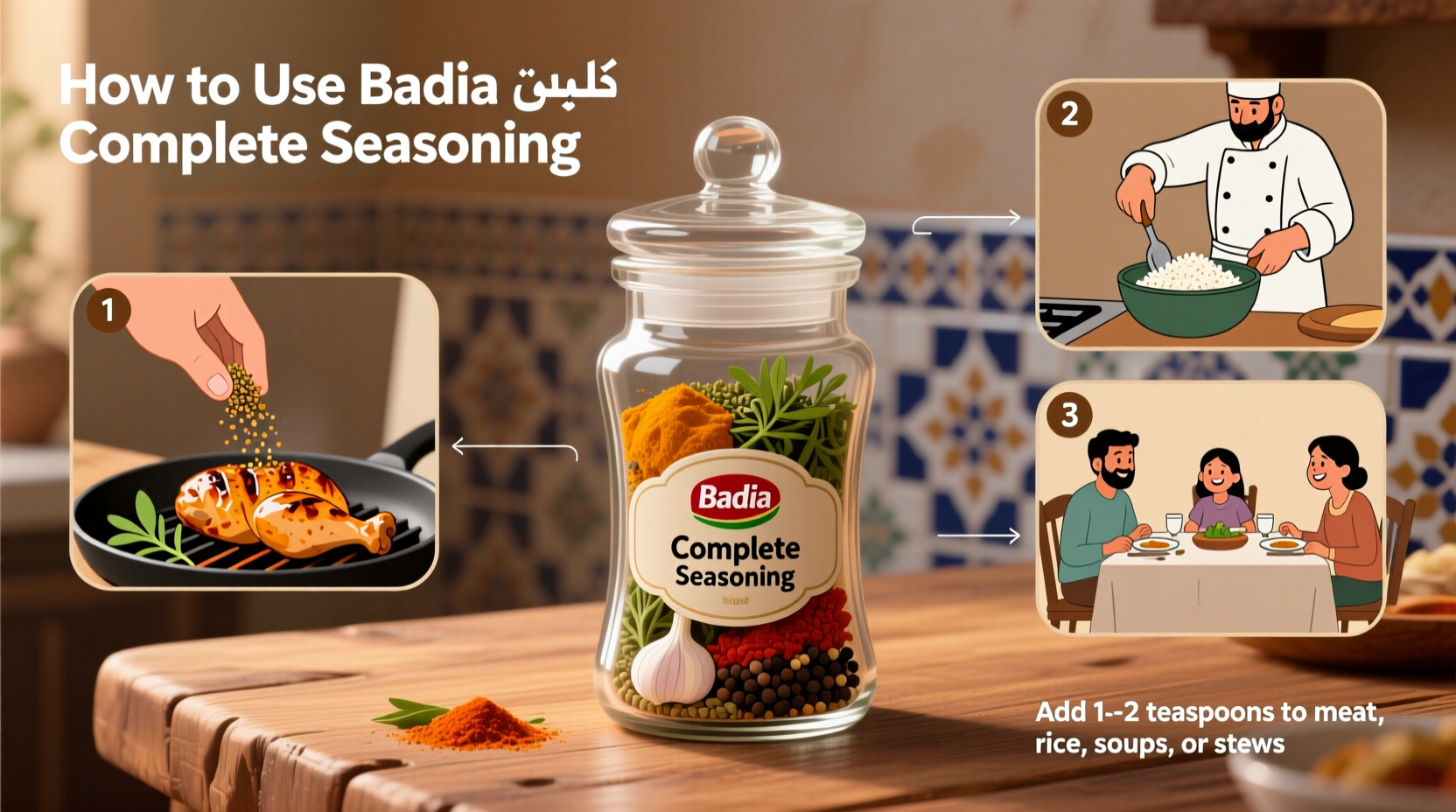
Badia Complete Seasoning is a pre-mixed dry spice blend produced by Badia Spices, a family-owned company founded in 1967 in Miami, Florida. Originally catering to the growing Latin American immigrant population, the brand developed products tailored to traditional Cuban, Dominican, and Puerto Rican cooking techniques and flavor preferences. Complete Seasoning—often labeled “Complete Seasoning Salt” or simply “Complete”—is one of its most iconic offerings.
The blend functions as an all-in-one seasoning base designed to eliminate the need for combining multiple individual spices. It’s commonly used as a rub, marinade enhancer, or finishing touch, delivering savory, garlicky, herbal, and slightly tangy notes in a single sprinkle. While not tied to a specific national cuisine, it aligns closely with the flavor language of Cuban *sofrito*, Puerto Rican *adobo*, and Dominican seasoning traditions—making it especially useful in dishes like ropa vieja, pernil, black beans, and yellow rice.
Key Characteristics
| Characteristic | Description |
|---|---|
| Flavor Profile | Savory, garlicky, slightly herbal with a background note of citrus (from dried orange peel), and moderate saltiness. |
| Aroma | Prominent garlic and onion scent, with subtle earthy undertones from oregano and pepper. |
| Color & Form | Light tan to pale brown powder; fine granular texture similar to table salt with small specks of herbs. |
| Heat Level | Mild—contains no chili powder or cayenne; suitable for all palates. |
| Culinary Function | All-purpose seasoning: acts as a base for meats, beans, soups, stews, and rice dishes. |
| Shelf Life | 1–2 years when stored in a cool, dry place away from light. |
| Primary Ingredients | Salt, garlic, onion, oregano, black pepper, red pepper (for color, not heat), citric acid, and dried orange peel. |
Practical Usage: How to Use Badia Complete Seasoning
Badia Complete Seasoning shines in applications where foundational flavor is needed without complexity. Its balanced composition allows it to be used at multiple stages of cooking—from marinating to finishing—without overwhelming other ingredients.
1. As a Dry Rub for Meats
Rub chicken, pork, or beef generously with Badia Complete Seasoning before grilling, roasting, or slow-cooking. For best results, apply 1 to 1.5 teaspoons per pound of meat and allow it to rest for at least 30 minutes (or overnight in the refrigerator). This enhances both surface browning and internal flavor penetration. It's particularly effective on pork shoulder for pulled pork, whole roasted chickens, or flank steak for carne mechada.
2. In Bean and Legume Dishes
Add 1 teaspoon per cup of dried beans during cooking. Stir it into black beans, pigeon peas (*gandules*), or kidney beans while simmering with onions, bell peppers, and olive oil. The citrus peel brightens the earthy legumes, while garlic and salt deepen the savoriness. Avoid adding extra salt initially—the blend already contains sodium.
3. With Rice and Grains
Replace regular salt with Badia Complete Seasoning when cooking white or yellow rice. Use 1 teaspoon per cup of uncooked rice. Combine with a splash of olive oil and a bay leaf for a simple side dish that pairs perfectly with grilled fish, fried plantains, or stewed meats. The oregano and citrus notes mimic the taste of seasoned sofrito without requiring fresh ingredients.
4. In Soups and Stews
Incorporate 1 to 2 teaspoons into simmering broths, sancocho, or vegetable soups. Add early enough to allow flavors to meld but avoid overuse, which can make the broth overly salty. Taste and adjust before serving.
5. As a Finishing Touch
Sprinkle lightly over finished dishes such as roasted vegetables, avocado toast, scrambled eggs, or even popcorn. The aromatic garlic and citrus notes become more pronounced when not subjected to prolonged heat.
Pro Tip: To reduce sodium without sacrificing flavor, mix Badia Complete Seasoning with an equal part of unsalted alternatives—such as garlic powder, dried oregano, or citrus zest. This maintains the aromatic profile while giving you control over salt content.
Variants & Types
Badia offers several variations of Complete Seasoning to accommodate different dietary needs and flavor intensities. Each version maintains the core identity of the original while modifying key components.
- Badia Complete Seasoning (Original): Contains salt as the first ingredient. Ideal for those who want a full-flavored, ready-to-use blend without needing additional salt.
- Badia Low Sodium Complete Seasoning: Reformulated with reduced salt content. Best for health-conscious users or those managing blood pressure. May require slight supplementation with fresh garlic or herbs to compensate for milder impact.
- Badia No Salt Complete Seasoning: Eliminates salt entirely, making it perfect for zero-sodium diets. Requires pairing with alternative salting methods (e.g., sea salt flakes added at the end) to achieve balance.
- Badia Complete Seasoning with Lime: A citrus-forward variant featuring lime peel instead of orange. Offers a brighter, more tropical profile suited to seafood, ceviche-style dishes, or green salads.
- Badia Garlic & Herb Complete Seasoning: Emphasizes garlic and oregano notes; slightly less citrus presence. Works well in Mediterranean-Latin fusion dishes.
Choosing the right type depends on your recipe’s sodium requirements and desired flavor emphasis. The original remains the most versatile, while the no-salt version provides flexibility for precise seasoning control.
Comparison with Similar Ingredients
Badia Complete Seasoning is often mistaken for other common spice blends, but key distinctions set it apart.
| Seasoning Blend | How It Differs from Badia Complete Seasoning |
|---|---|
| Adobo (Goya or homemade) | Typically contains only garlic powder, salt, oregano, and black pepper—lacks citrus peel and onion found in Badia. Adobo is more neutral; Badia is brighter and more complex. |
| Italian Seasoning | Usually a mix of basil, thyme, rosemary, marjoram, and sometimes oregano—no salt, garlic, or citrus. Not interchangeable unless supplemented. |
| Old Bay Seasoning | Chesapeake Bay–style blend with celery seed, paprika, and warming spices like cloves. More pungent and spiced; lacks the Latin citrus-garlic profile of Badia. |
| Sofrito (dry vs. fresh) | Fresh sofrito is a wet paste of onions, peppers, garlic, cilantro, and tomatoes. Badia mimics the dried essence of this base, especially the garlic-oregano-citrus elements, but doesn’t replicate texture or moisture. |
| Montreal Steak Seasoning | Heavy on garlic, cracked pepper, and coriander, often with red pepper flakes. Bolder and spicier; less herbal and citrus-focused than Badia. |
\"Badia Complete Seasoning isn’t just a shortcut—it’s a cultural translation of Cuban kitchen wisdom into a shelf-stable form. When I’m teaching students about Latin flavor layering, I start with this blend because it teaches balance: salt, acid, garlic, herb—all in harmony.\" — Chef Elena Ruiz, Culinary Instructor, National Hispanic Institute of Cooking
Practical Tips & FAQs
Can I use Badia Complete Seasoning as a salt substitute?
Yes, but cautiously. Because it contains salt as a primary ingredient, treat it as both a seasoning and a salting agent. If substituting for table salt, reduce or eliminate additional salt in the recipe. For low-sodium diets, opt for the no-salt version and add salt separately as needed.
Is Badia Complete Seasoning spicy?
No. Despite listing “red pepper” in the ingredients, it’s included primarily for color, not heat. The blend registers as mild on the Scoville scale and is safe for children and sensitive palates.
How much should I use per serving?
A general guideline is 1/2 to 1 teaspoon per pound of meat or per cup of grains/legumes. Start with less, taste during cooking, and adjust. Overuse can lead to excessive saltiness.
Can I make my own version at home?
Yes. A close approximation:
- 3 tbsp salt (or omit for no-salt version)
- 1 tbsp garlic powder
- 1 tbsp onion powder
- 1 tsp dried oregano (preferably Cuban or Mexican oregano if available)
- 1 tsp freshly ground black pepper
- 1/2 tsp citric acid (optional, for tang)
- 1 tsp finely grated dried orange zest (dehydrated and ground)
- Pinch of paprika (for color, not heat)
Mix thoroughly and store in an airtight container. Use within 6 months for peak flavor.
What are the best dishes to use it with?
Top applications include:
- Roast chicken or pernil (Cuban roast pork)
- Black beans and rice
- Empanadas and pastelillos
- Grilled skirt steak (for tacos or sandwiches)
- Vegetable sautés with onions and bell peppers
- Egg dishes like huevos con chorizo
How should I store it?
Keep in a cool, dark cupboard in a sealed container. Exposure to heat, light, or humidity degrades the volatile oils in garlic and oregano, diminishing flavor over time. Do not store above the stove or near the dishwasher.
Does it contain MSG or preservatives?
No. Badia Complete Seasoning does not list monosodium glutamate (MSG), artificial colors, or synthetic preservatives on its label. It relies on natural ingredients and citric acid (a common food-safe acidulant) for stability.
Is it gluten-free and vegan?
Yes. The blend contains no gluten-containing ingredients and is certified gluten-free. It is also plant-based and free from animal products, making it suitable for vegan and kosher diets.
Summary & Key Takeaways
Badia Complete Seasoning is far more than a convenience product—it’s a culturally rooted flavor system in a shaker. By combining salt, garlic, onion, oregano, black pepper, and dried citrus peel, it captures the essence of Latin home cooking in a balanced, easy-to-use format. Whether you're seasoning a pot of beans, rubbing down a roast, or jazzing up a simple rice dish, it delivers consistent, savory depth with minimal effort.
The key to mastering its use lies in understanding its dual role as both a salt source and an aromatic enhancer. Choose the appropriate variant—original, low-sodium, or no-salt—based on your dietary goals. Recognize that while it resembles adobo or Italian seasoning, its citrus component makes it uniquely suited to Latin and Caribbean dishes.
With proper measurement and thoughtful application, Badia Complete Seasoning becomes a silent partner in building layers of flavor. It won’t replace fresh sofrito or hand-ground spices in every context, but it comes remarkably close—and sometimes, that’s exactly what a busy kitchen needs.
Try this tonight: Sprinkle 1 teaspoon of Badia Complete Seasoning into your next batch of scrambled eggs, along with diced onions and a handful of shredded cheese. Serve with toast and sliced avocado for a quick, flavorful breakfast inspired by Latin diner classics.




 浙公网安备
33010002000092号
浙公网安备
33010002000092号 浙B2-20120091-4
Comments
No comments yet. Why don't you start the discussion?