
Calabrese sausage is one of the most vibrant and distinctive cured meats in southern Italian culinary tradition. Known for its fiery heat, deep red hue, and robust aroma, it stands apart from milder sausages commonly found in American or northern European cuisines. More than just a spicy pork link, Calabrese sausage embodies a regional identity—rooted in the sun-drenched hills of Calabria, Italy’s southernmost mainland region. For home cooks seeking authentic Italian flavors or professionals aiming to elevate charcuterie boards and antipasto spreads, understanding this ingredient is essential. Its applications range from simple grilling to complex braises, and its presence can transform even modest dishes into something deeply savory and memorable.
Definition & Overview
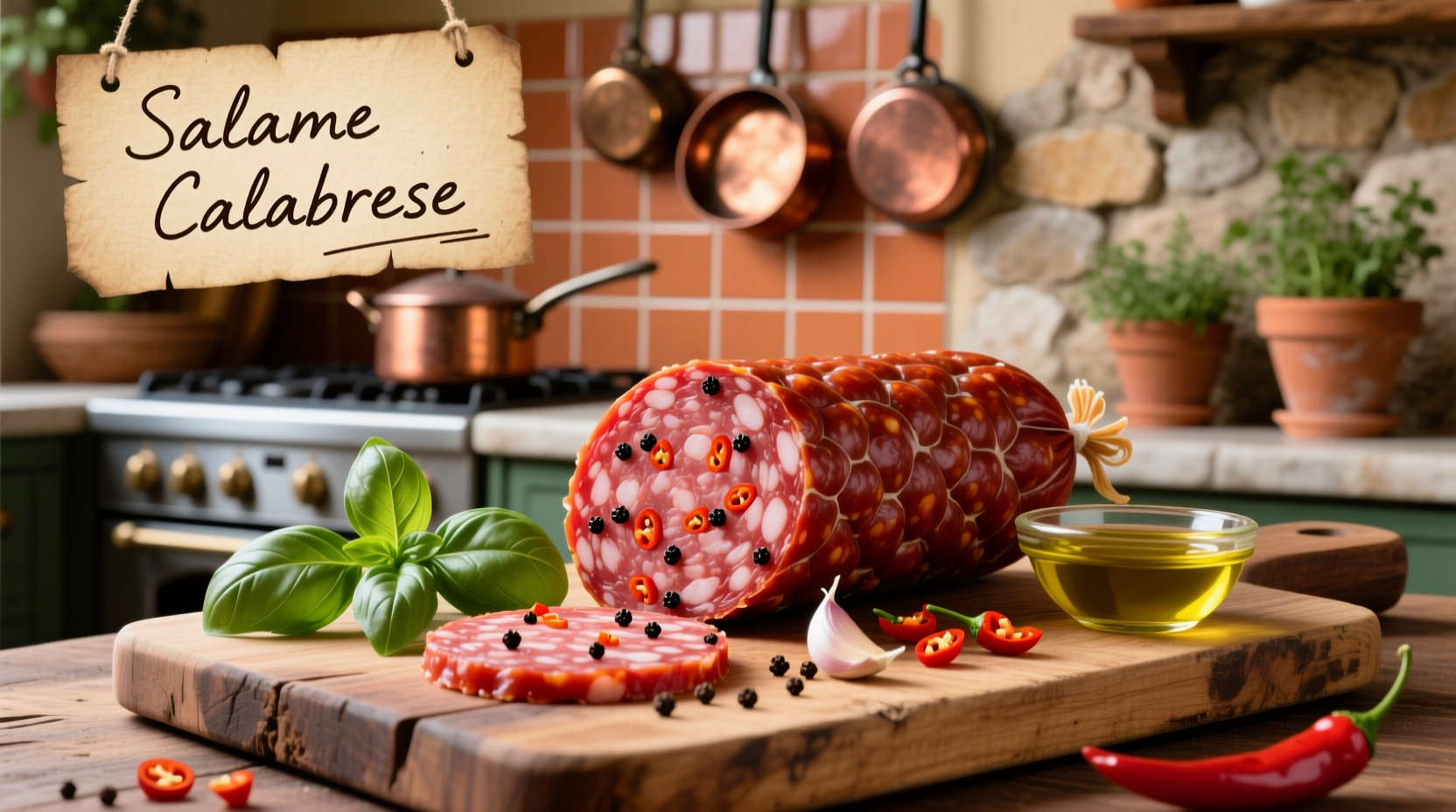
Calabrese sausage—also known as 'nduja in its spreadable form—is a traditional pork-based sausage originating from Calabria, a region in southern Italy famed for its liberal use of chili peppers. While often referred to simply as “spicy Italian sausage,” true Calabrese sausage differs significantly from commercial versions sold in supermarkets. Authentic Calabrese is made with coarsely ground pork (typically including fattier cuts like shoulder or belly), seasoned generously with Calabrian chili peppers (*peperoncino*), salt, black pepper, and sometimes garlic and wine. The mixture is then stuffed into natural casings and either air-dried for preservation or used fresh, depending on the preparation style.
The term “Calabrese” may refer to two distinct but related products: dry-cured whole sausages similar to salami, and *'nduja*, a soft, spreadable fermented sausage that has gained international acclaim in recent years. Both are deeply rooted in peasant cooking traditions where preservation through salting, drying, and fermentation was necessary before refrigeration. Today, Calabrese sausage is prized not only for its shelf stability but also for its ability to deliver intense umami and heat with minimal effort.
Key Characteristics
| Characteristic | Description |
|---|---|
| Flavor Profile | Spicy, smoky, slightly tangy (especially in 'nduja), with rich pork fat and earthy chili notes. |
| Aroma | Pronounced scent of dried chilies, cured meat, and fermented pork; becomes more pungent when heated. |
| Color | Bright red to dark crimson due to high concentration of Calabrian chili powder. |
| Heat Level | Moderate to very hot (50,000–100,000 Scoville units, depending on chili variety and ratio). |
| Texture | Firm and sliceable when dry-cured; soft and spreadable in the case of 'nduja. |
| Culinary Function | Flavor base, condiment, charcuterie component, or standalone appetizer. |
| Shelf Life | Dry-cured: 6–12 months unopened; 'nduja: 3–6 months refrigerated after opening. |
The dominant ingredient—Calabrian chili—is key to the sausage’s identity. These small, tapered peppers are sun-dried and ground, offering both heat and a subtle fruitiness reminiscent of apricot or cherry. Unlike generic cayenne or crushed red pepper, Calabrian chilies contribute complexity rather than one-dimensional burn. This nuance makes Calabrese sausage an ideal candidate for balancing spice with depth in layered dishes.
Practical Usage: How to Use Calabrese Sausage in Cooking
One of the greatest strengths of Calabrese sausage lies in its versatility. Whether you're working with dry-cured links or soft 'nduja, the ingredient functions across multiple stages of cooking—from foundational aromatics to finishing garnish.
Dry-Cured Calabrese Sausage Uses
Slice dry-cured Calabrese thinly and serve as part of an antipasto platter alongside cheeses like Pecorino Romano, olives, roasted vegetables, and crusty bread. When cooked, the slices release their fat and infuse dishes with spicy richness:
- Pasta sauces: Sauté sliced Calabrese in olive oil until crisp, then deglaze with white wine and add tomatoes for a quick arrabbiata-style sauce.
- Vegetable sautés: Add to broccoli rabe, Swiss chard, or green beans during the final minutes of cooking for a punch of heat.
- Pizza topping: Layer over tomato sauce and mozzarella before baking for a spicy alternative to pepperoni.
- Stuffing and fillings: Chop finely and mix into breadcrumb stuffings for poultry or vegetable roulades.
'Nduja: The Spreadable Form
'Nduja—a softer, more emulsified version of Calabrese sausage—has become a secret weapon among chefs for building flavor quickly. Because it melts easily when heated, it integrates seamlessly into sauces, soups, and baked goods.
- Heat a teaspoon of 'nduja in a pan until it liquefies, then toss with spaghetti and finish with grated cheese and parsley for a five-minute pasta dish.
- Spread on crostini with ricotta or burrata for a creamy-spicy appetizer.
- Whisk into vinaigrettes or mayonnaise to create bold dipping sauces for fries or grilled meats.
- Use as a rub or layer inside flatbreads and focaccia before baking.
- Add a spoonful to minestrone, lentil soup, or clam chowder to deepen flavor and add warmth.
Pro Tip: When using 'nduja in sauces, start with ½ to 1 teaspoon per serving—the flavor intensifies as it cooks. Taste before adding additional salt, as 'nduja is naturally quite salty.
Variants & Types of Calabrese Sausage
While all Calabrese sausages share core ingredients, several variations exist based on texture, curing method, and regional substyle:
- Dry-Cured Whole Sausage: Firm, ready-to-eat after aging. Can be stored indefinitely if kept in a cool, dry place. Ideal for slicing and charcuterie.
- Fresh Calabrese Sausage: Uncured and raw, typically sold in links. Must be cooked before eating. Commonly grilled, pan-fried, or crumbled into sauces.
- 'Nduja: Soft, spreadable, and highly aromatic. Fermented and aged less than dry-cured types. Requires refrigeration once opened.
- Smoked Calabrese: Some producers cold-smoke the sausage for added complexity, introducing a campfire-like note without compromising the chili-forward profile.
- Lean vs. Fatty Cuts: Traditional versions use higher fat ratios (up to 40%) for moisture and mouthfeel. Leaner versions exist but sacrifice juiciness and flavor dispersion.
In Calabria, families often produce their own versions, varying seasoning levels and casing thicknesses. Artisanal producers may age dry-cured sausages for up to six months, developing deeper umami and reducing moisture content for longer shelf life.
Comparison with Similar Ingredients
Calabrese sausage is frequently confused with other spicy sausages, but key differences set it apart:
| Ingredient | Origin | Heat Source | Texture | Best Use |
|---|---|---|---|---|
| Calabrese Sausage | Calabria, Italy | Calabrian chili peppers | Firm or spreadable | Charcuterie, pasta, pizza, antipasti |
| Pepperoni | United States (Italian-American) | Paprika, cayenne | Dry, brittle when baked | Pizza, sandwiches |
| Chorizo (Spanish) | Spain | Smoked paprika (pimentón) | Firm, dry-cured | Tapas, stews, paella |
| Chorizo (Mexican) | Mexico | Guajillo/ancho chilies | Soft, fresh | Tacos, eggs, rice dishes |
| Spicy Italian Sausage (U.S.) | North America | Crushed red pepper | Fresh, juicy | Grilled, in subs, pasta |
“True Calabrese isn’t just about heat—it’s about balance. The sweetness of the pork fat, the acidity from fermentation, and the floral heat of peperoncino create a harmony you don’t get from standard spicy sausages.” — Massimo Bottura, Chef, Osteria Francescana
Unlike American-style spicy Italian sausage—which relies on fennel and crushed red pepper for flavor—authentic Calabrese omits fennel entirely, focusing instead on chili as the primary seasoning. Similarly, while Spanish chorizo emphasizes smoked paprika, Calabrese highlights the natural fire and fruit of sun-dried chilies.
Practical Tips & FAQs
How hot is Calabrese sausage?
Heat varies by producer, but most fall between medium and high on the Scoville scale. Calabrian chilies average around 24,000–44,000 SHU, comparable to cayenne but with more complexity. Some artisanal versions exceed 70,000 SHU. If sensitive to spice, begin with small quantities and adjust gradually.
Can I substitute Calabrese sausage?
Yes, though no substitute fully replicates its unique profile:
- For dry-cured: Use spicy soppressata or pepperoni with a pinch of Calabrian chili flakes.
- For 'nduja: Combine softened chorizo with harissa or gochujang and olive oil (1:1 ratio), adjusting for salt and heat.
- Fresh Calabrese: Replace with Mexican chorizo (omit additional spices) or homemade blend using pork, chili powder, and vinegar.
How should I store Calabrese sausage?
Dry-cured whole sausages can hang in a cool, ventilated space (like a wine cellar) for months. Once cut, wrap tightly in parchment and plastic to prevent mold. 'Nduja must be refrigerated and consumed within 3–4 weeks of opening. Freeze for longer storage (up to 3 months).
Is Calabrese sausage gluten-free?
Traditionally, yes—no grains are used in production. However, always check labels for additives, especially in mass-produced versions that may include fillers or preservatives.
Can I eat Calabrese sausage raw?
Dry-cured Calabrese is safe to eat without cooking, as the curing process inhibits harmful bacteria. Fresh versions and 'nduja should be cooked unless specified otherwise by the producer.
What wine pairs well with Calabrese sausage?
High-acid reds balance the fat and heat: Aglianico del Vulture, Negroamaro, or Nerello Mascalese from southern Italy. For white lovers, try a mineral-driven Falanghina or Vermentino.
Storage Checklist:
✓ Keep dry-cured sausages in a cool, dry place away from sunlight.
✓ Wrap exposed ends in butcher paper after slicing.
✓ Refrigerate 'nduja immediately after opening.
✓ Label containers with dates to track freshness.
✓ Discard if mold appears beyond surface white bloom (which is normal in fermentation).
Summary & Key Takeaways
Calabrese sausage is far more than a spicy pork product—it's a cultural emblem of southern Italy’s resourceful, bold, and deeply flavorful cuisine. Made primarily from coarsely ground pork and Calabrian chili peppers, it comes in multiple forms: dry-cured, fresh, and the increasingly popular spreadable 'nduja. Each variant offers unique culinary opportunities, from charcuterie displays to rapid sauce enrichment.
Its defining characteristics—fiery heat, rich umami, and vibrant red color—make it invaluable for elevating everyday meals. Unlike similar sausages such as pepperoni or chorizo, Calabrese relies on the nuanced fruitiness of peperoncino rather than fennel or smoked paprika, resulting in a more complex taste profile.
In practice, Calabrese sausage shines in pasta dishes, on pizzas, in stuffings, and as a stand-alone appetizer. 'Nduja, in particular, has revolutionized modern cooking with its ability to melt into oils and emulsify into sauces effortlessly. Understanding proper storage, heat management, and substitution options ensures successful integration into any kitchen repertoire.
Whether you're crafting an authentic Italian antipasto or experimenting with global fusion flavors, Calabrese sausage delivers intensity, authenticity, and culinary excitement in every bite.
Ready to experiment? Start by replacing pancetta or bacon with diced Calabrese in your next carbonara variation, or swirl a spoonful of 'nduja into mashed potatoes for a spicy twist on a classic side.




 浙公网安备
33010002000092号
浙公网安备
33010002000092号 浙B2-20120091-4
Comments
No comments yet. Why don't you start the discussion?