
Cardamom is one of the world’s most ancient and revered spices, prized for its complex aroma, distinctive flavor, and wide-ranging culinary and medicinal uses. While often associated with Indian chai or Scandinavian pastries, its influence spans continents and centuries. Understanding cardamom goes beyond recognizing its scent—it involves knowing its botanical origins, distinguishing between its forms, and mastering how to use it effectively in both sweet and savory dishes. For cooks seeking depth, authenticity, and aromatic sophistication, cardamom is not just a spice but a cornerstone ingredient.
Definition & Overview
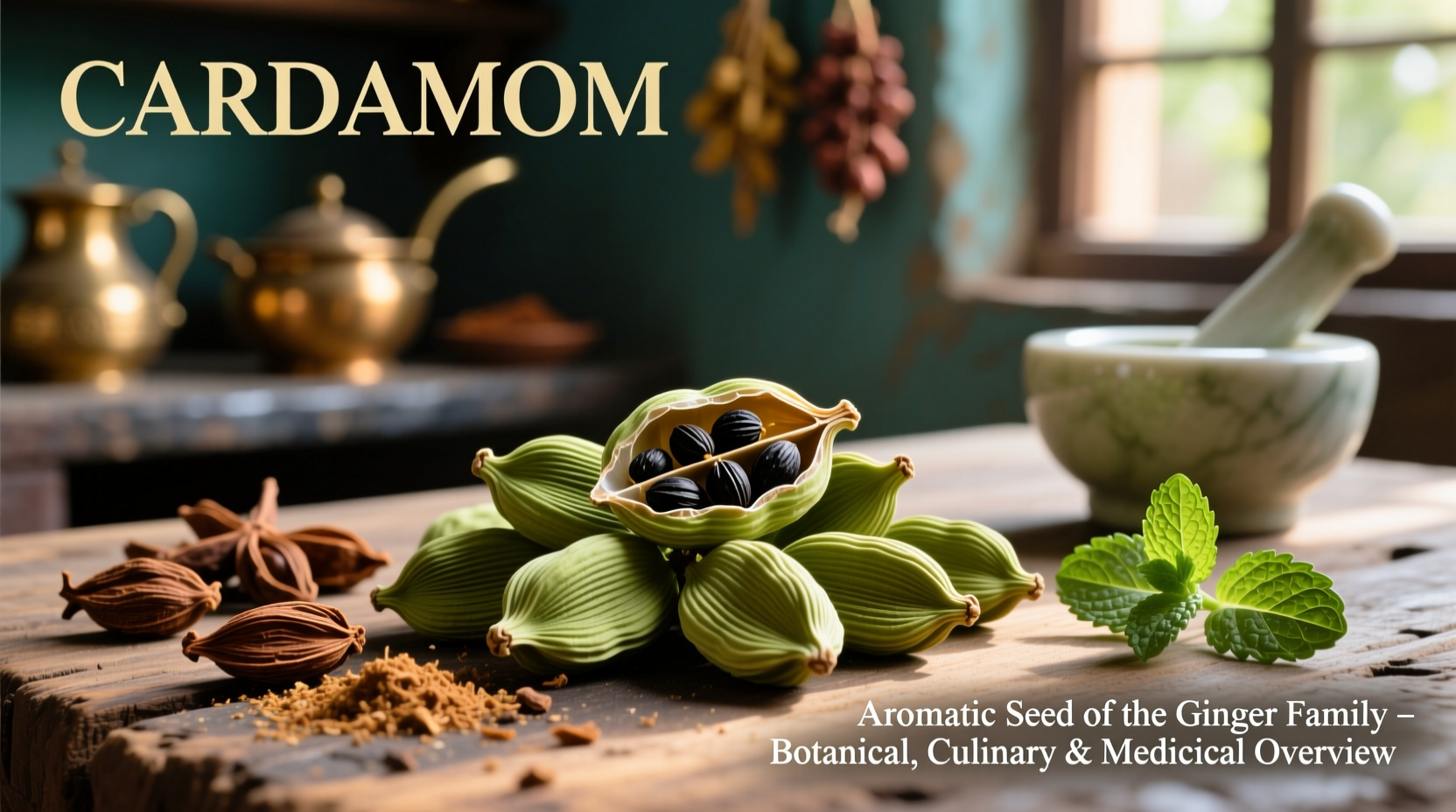
Cardamom (Elettaria cardamomum and related species) is a perennial herbaceous plant belonging to the Zingiberaceae family, which also includes ginger, turmeric, and galangal. The part used as a spice consists of the dried seed pods containing small black seeds. Native to the humid forests of southern India—particularly Kerala, Karnataka, and Tamil Nadu—cardamom has been cultivated for over 3,000 years and remains one of the most valuable spices by weight, second only to saffron and vanilla.
The spice is broadly categorized into two main types: green (true) cardamom and black cardamom, each derived from different species and offering distinct sensory profiles. Green cardamom is known for its bright, citrusy, and floral notes, while black cardamom delivers a smoky, camphorous intensity due to traditional open-fire drying methods. Both are integral to global cuisines—from Middle Eastern coffee blends to Nordic holiday baking and South Asian curries.
Historically, cardamom was so prized that it was used as tribute, currency, and even buried with pharaohs. Today, it continues to play dual roles in gastronomy and traditional medicine systems such as Ayurveda and Traditional Chinese Medicine, where it is valued for aiding digestion, freshening breath, and balancing bodily humors.
Key Characteristics
The value of cardamom lies in its intricate chemical composition, which gives rise to its multi-layered sensory experience. Below is a breakdown of its essential characteristics:
| Attribute | Description |
|---|---|
| Flavor Profile | Green: Citrusy, eucalyptus-like, floral, slightly sweet with hints of mint and pine. Black: Smoky, woody, camphoraceous, earthy, with subtle menthol notes. |
| Aroma | Intensely fragrant; green cardamom emits a perfumed, lemony bouquet, while black cardamom releases a deep, campfire-like smoke when crushed. |
| Appearance | Green: Small, triangular three-chambered pods, pale green to yellowish-green. Black: Larger, rougher pods, dark brown to black, often wrinkled from smoking. |
| Heat Level | Non-pungent; does not contribute heat like chili peppers. Offers warming sensation on palate without spiciness. |
| Culinary Function | Used as a flavor enhancer, aromatic base, digestive aid, and fragrance agent in beverages, desserts, rice dishes, stews, and marinades. |
| Shelf Life | Pods: Up to 2 years if stored properly in airtight container away from light and moisture. Ground: 6–12 months before significant flavor degradation. |
The volatile oils responsible for cardamom’s signature scent include **1,8-cineole** (also found in eucalyptus), **linalool**, **α-terpineol**, and **limonene**, which together create its refreshing yet deeply resonant profile. These compounds are highly sensitive to heat, light, and oxygen—making proper storage critical for preserving quality.
Practical Usage: How to Use Cardamom in Cooking
Using cardamom effectively requires understanding form, timing, and pairing. Its potency means that less can yield more, especially when using whole pods or freshly ground seeds. Here’s how to apply cardamom across various culinary contexts:
In Whole Pod Form
Whole green or black cardamom pods are typically used in slow-cooked dishes where they infuse flavor over time. They are added early in the cooking process and removed before serving.
- Rice Dishes: Add 2–3 green cardamom pods to basmati rice during boiling for biryani or pulao. Black cardamom (1 pod) adds depth to meat-based rice preparations.
- Broths & Stews: Include one cracked black cardamom pod in lamb curries or beef stews for smoky complexity.
- Teas & Infusions: Crush one green pod lightly and steep in hot water with cinnamon and cloves for homemade masala chai.
With Seeds Removed and Crushed
For maximum flavor release, crack open the pods and grind the inner black seeds. This method preserves freshness far better than pre-ground powder.
- Take 5–6 green cardamom pods.
- Use the back of a knife or mortar to break open each pod. <3>Remove the small black seeds inside. <4>Grind seeds briefly in a spice grinder or mortar until fine. <5>Use immediately in batters, doughs, or sauces.
This technique works exceptionally well in baked goods like cardamom buns, cakes, or shortbread cookies, where the spice should be evenly distributed and vibrant.
In Ground Form
Pre-ground cardamom is convenient but loses aromatic intensity quickly. When using store-bought powder:
- Limited to recipes requiring small quantities (¼ to ½ tsp).
- Best reserved for last-minute additions or mixed spice blends like garam masala.
- Always check expiration date; stale cardamom powder lacks brightness and may taste dusty.
Pro Tip: Never substitute whole cardamom pods directly with ground spice at a 1:1 ratio. One pod contains roughly ⅛ to ¼ teaspoon of seeds. Overuse leads to bitterness and overpowering perfume. Start low—especially in delicate desserts—and adjust after tasting.
Pairing Suggestions
Cardamom pairs well with ingredients that either complement or contrast its aromatic nature:
- Dairy: Milk, cream, yogurt—enhances richness in kheer, rice pudding, or lassi.
- Sweet Spices: Cinnamon, clove, nutmeg, star anise—common in spice blends and winter desserts.
- Fruits: Apples, pears, mangoes, oranges—works beautifully in compotes, jams, and fruit salads.
- Meats: Lamb, goat, chicken—adds aromatic lift to curries and roasts.
- Beverages: Coffee (especially Middle Eastern/Middle Eastern-style), tea, cocktails (e.g., gin-based drinks).
A classic example is Swedish kardemummabullar, where ground cardamom is folded into enriched yeast dough along with raisins and pearl sugar. The result is a fragrant, tender roll emblematic of Nordic baking traditions. Similarly, in Iranian cuisine, cardamom is stirred into saffron-infused rice dishes like tahdig or used to season ground meat fillings for stuffed vegetables.
Variants & Types of Cardamom
Not all cardamom is the same. Three primary variants exist globally, each suited to specific culinary applications:
1. Green Cardamom (True Cardamom)
Elettaria cardamomum, grown primarily in India, Sri Lanka, and Guatemala (now the largest exporter), this is the most common form. It comes in several grades based on size, color, and origin:
- Malabar: Larger, darker pods from Kerala; slightly more robust.
- Mysore: Bright green, intensely flavored; considered premium.
- Alleppey: Export-grade, uniform green; widely available internationally.
Guatemalan green cardamom tends to be milder and more uniformly processed, making it popular in commercial food production.
2. Black Cardamom (Amomum subulatum)
Native to the eastern Himalayas (Nepal, Bhutan, North India), this variety is larger and smokier due to being dried over open flames. Not interchangeable with green cardamom in most recipes.
- Used sparingly—one pod suffices for a large pot of stew.
- Ideal for savory dishes: rajma (kidney bean curry), chana masala, braised meats.
- Should not be used in sweets or delicate dishes due to strong smokiness.
3. Madagascar/White Cardamom (Less Common)
This is typically bleached green cardamom, stripped of its outer layer through sulfur treatment or steaming. It lacks the vibrancy of natural green pods and is mostly used for aesthetic purposes in light-colored dishes.
- Flavor is muted compared to untreated versions.
- Considered inferior by purists; avoid unless specified in traditional recipes.
| Type | Best Used In | Avoid In |
|---|---|---|
| Green Cardamom | Desserts, chai, rice dishes, baked goods, fruit preparations | Heavy smoked dishes, long braises (unless balanced) |
| Black Cardamom | Savory curries, lentil dishes, grilled meats, hearty stews | Sweets, beverages, light sauces |
| White Cardamom | Decorative plating, white sauces (rare) | Any application requiring bold flavor |
Comparison with Similar Ingredients
Cardamom is sometimes confused with other aromatic spices due to overlapping use in spice blends or similar appearance. Clarifying these differences ensures accurate usage.
| Spice | How It Differs from Cardamom |
|---|---|
| Cloves | Stronger, sharper, and more pungent; high eugenol content creates numbing warmth. Cloves lack citrus/floral notes and are rarely used in desserts at the same volume as cardamom. |
| Nutmeg | Sweeter, woodier, with a hallucinogenic edge in excess. Nutmeg is oilier and mellower; often paired with cardamom but not a substitute. |
| Star Anise | Distinct licorice flavor (from anethole); visually resembles cardamom pod shape but belongs to a completely different plant family (Illicium verum). Can mimic some aspects of cardamom in mulled wine but tastes nothing alike. |
| Coriander Seed | Citrusy too, but flatter and more herbal. Lacks the floral elevation of green cardamom. Often used together in curries but serve different functions. |
“Many home cooks reach for ground mixed spice when they want ‘warmth’ in a cake—but swapping generic pumpkin pie spice for freshly ground green cardamom transforms a simple loaf into something transcendent.” — Chef Meera Sodha, Guardian Food Columnist
Practical Tips & FAQs
Q: Should I buy whole pods or ground cardamom?
A: Always opt for whole pods when possible. Grinding your own preserves volatile oils and delivers significantly brighter flavor. Pre-ground cardamom often sits on shelves for months, losing up to 70% of its aromatic compounds.
Q: How do I store cardamom properly?
A: Keep whole pods in an airtight glass jar, away from heat, sunlight, and humidity. A cool, dark pantry is ideal. Do not refrigerate, as moisture promotes mold. Label the container with purchase date; discard after two years.
Q: Can I eat the pods themselves?
A: No. While non-toxic, the fibrous husk is extremely tough and unpleasant to chew. Only the tiny black seeds inside are meant for consumption. In some cultures, people suck on the pod for flavor (like chewing gum), then discard it.
Q: What are common substitutes for cardamom?
A: There is no perfect substitute, but in a pinch:
- For green cardamom: A blend of equal parts ground cinnamon, nutmeg, and a pinch of coriander seed may approximate the warmth and citrus hint.
- For black cardamom: Smoked paprika + a touch of cumin or star anise can mimic smokiness, though not exact.
Note: Substitutions alter the dish’s character—best avoided in authentic recipes.
Q: Is cardamom expensive? Why?
A: Yes, particularly high-grade green cardamom. It's labor-intensive to cultivate—plants take 2–3 years to bear fruit, and harvesting must be done by hand every few weeks during season. Climate sensitivity and export demand further drive prices.
Q: Are there health benefits to cardamom?
A: Traditionally, yes. Studies suggest antimicrobial, anti-inflammatory, and digestive properties. It may help reduce blood pressure and improve breath odor. However, it should not replace medical treatment. Moderation is key—excessive intake may interact with certain medications.
Quick Checklist: Buying Quality Cardamom
- Look for plump, intact green pods with no cracks or holes.
- Color should be vibrant—not dull, yellowed, or faded.
- Smell test: Crush a pod gently; it should release a sharp, citrusy fragrance.
- Avoid powders labeled “cardamom” without origin details—they’re often adulterated.
- Buy from reputable spice vendors who rotate stock frequently.
Summary & Key Takeaways
Cardamom is far more than a background note in spice cabinets—it is a dynamic, versatile, and culturally significant ingredient that bridges continents and cuisines. From its origins in the Western Ghats of India to its presence in Scandinavian bakeries and Middle Eastern coffee ceremonies, cardamom exemplifies how a single spice can evolve across time and tradition.
Understanding the difference between green and black cardamom prevents recipe missteps. Knowing how to handle and store it preserves its fleeting aroma. And learning to grind seeds fresh unlocks levels of flavor inaccessible through pre-ground alternatives.
To cook with cardamom authentically and effectively:
- Use green cardamom for sweet, floral, citrus-forward applications.
- Reserve black cardamom for bold, smoky savory dishes.
- Always crush or grind seeds just before use.
- Store whole pods properly to extend shelf life.
- Treat it as a precision tool, not a bulk additive—less is more.
Whether you're crafting a delicate rose-cardamom syrup for cocktails or building layers in a complex biryani, mastering this spice elevates your culinary repertoire. Begin with whole green pods, experiment thoughtfully, and let its perfume guide your palate toward deeper, more nuanced cooking.




 浙公网安备
33010002000092号
浙公网安备
33010002000092号 浙B2-20120091-4
Comments
No comments yet. Why don't you start the discussion?