
When someone asks, “What is clover?” the answer depends on context—botanical, cultural, or culinary. While clover is not a spice, herb, or ingredient commonly found in kitchen pantries, it occasionally appears in food discussions due to confusion with similarly named products or its use in foraged cuisine. As a professional food writer and culinary educator, it's essential to clarify misconceptions and provide accurate, practical information. This article explains what clover truly is, dispels myths about its role in cooking, and explores when—and how—it might intersect with food culture, from edible flowers to dairy labeling.
Definition & Overview
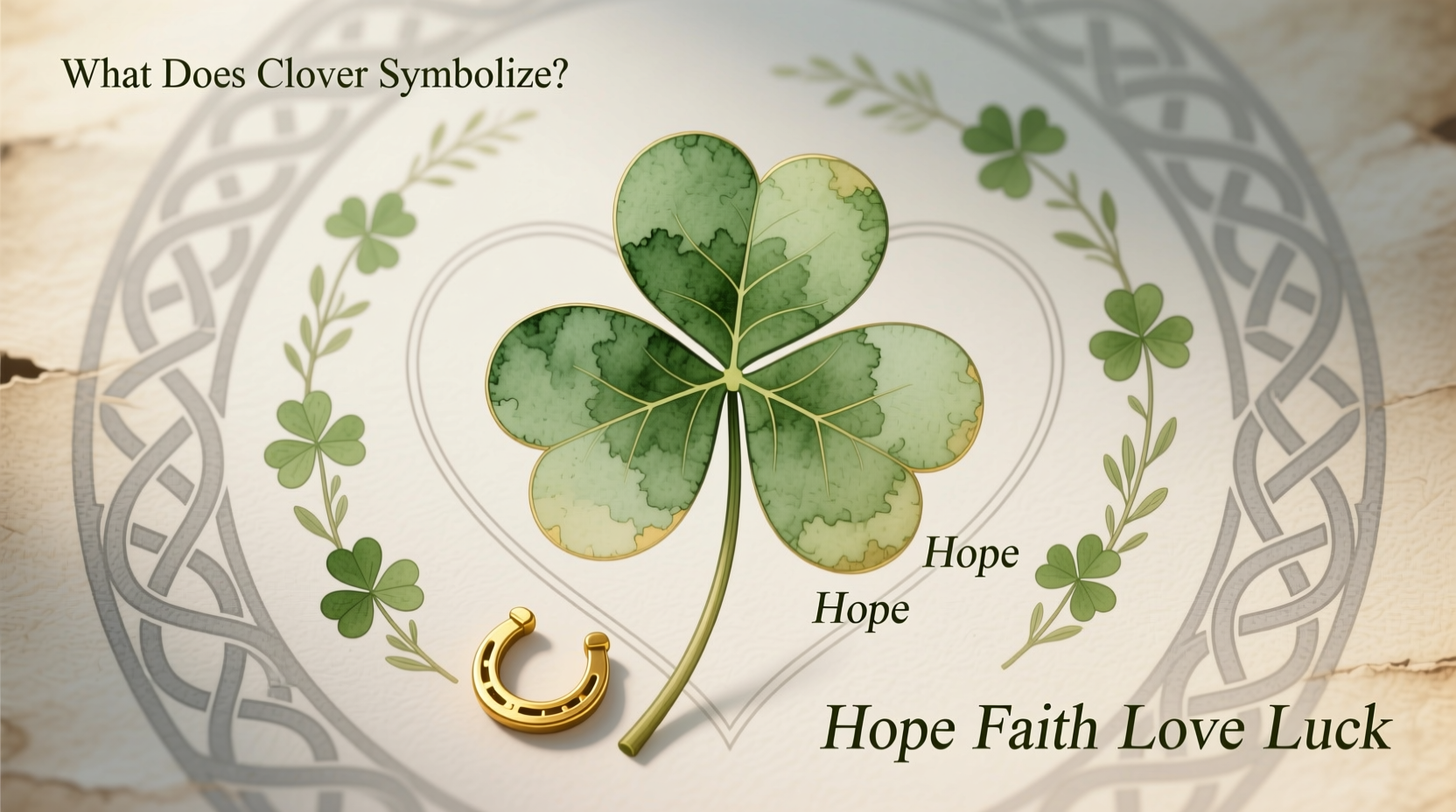
Clover refers to plants in the genus Trifolium, part of the legume family Fabaceae. The name comes from the Old English \"clafre,\" meaning \"clover\" or \"a plant with leaves like a cow’s hoof print.\" Most species feature trifoliate (three-leafed) foliage, though four-leaf variants are considered lucky charms. There are over 300 species worldwide, with white clover (Trifolium repens) and red clover (Trifolium pratense) being the most widespread.
In agriculture, clover plays a vital ecological role: it fixes nitrogen in soil, improves pasture quality, and serves as forage for livestock. Bees feed on clover blossoms to produce delicate, light-colored honey—most notably, clover honey, which is one of the most popular varietals in North America. Despite this connection to food production, clover itself is rarely used directly in mainstream cooking.
It's important to distinguish between clover as a plant and misinterpretations that arise in culinary contexts. For example, some confuse “clover” with spices like fenugreek or assume it's an herb akin to parsley or cilantro. Others may associate it with the brand name \"Clover\" used by organic dairy companies or plant-based meat alternatives. None of these are botanically related to the clover plant, but they contribute to public confusion.
Key Characteristics
| Attribute | Description |
|---|---|
| Botanical Name | Trifolium spp. |
| Family | Fabaceae (legume) |
| Flavor Profile | Mild, slightly sweet, grassy; young leaves and flowers have a faintly beany note |
| Aroma | Subtle, floral-honeyed when in bloom |
| Color/Form | Green trifoliate leaves; white, pink, or purple flower heads |
| Edibility | Leaves and flowers are edible raw or cooked in small quantities |
| Toxicity Note | Safe in moderation; high oxalate content limits large consumption |
| Culinary Function | Foraged green, edible flower, herbal infusion, bee forage |
| Shelf Life | Fresh: 2–3 days refrigerated; dried: up to 6 months if stored properly |
Practical Usage in Food and Cooking
While clover is not a standard ingredient in global cuisines, certain forms appear in niche or traditional applications:
- Edible Flowers: Young clover blossoms—especially white and red clover—are safe to eat raw. They add visual appeal to salads, garnishes, or infused vinegars.
- Wild Greens: Tender young leaves can be chopped finely and added to salads or cooked like spinach. However, their fibrous texture and mild bitterness make them less desirable than other leafy greens.
- Teas and Infusions: Dried red clover flowers are used in herbal teas, often marketed for menopausal support due to phytoestrogen content. These are consumed medicinally rather than culinarily.
- Honey Production: Bees visiting clover fields produce clover honey—a light, mildly floral honey prized for its clean taste and versatility in baking, dressings, and beverages.
Due to its low flavor intensity and potential health concerns in excess, clover is not recommended as a primary cooking ingredient. It lacks the aromatic depth of herbs like thyme or basil and does not withstand prolonged heat well. Overconsumption may lead to digestive discomfort or interfere with hormone-sensitive conditions because of isoflavones present in red clover.
TIP: If foraging clover, harvest only from pesticide-free areas away from roadsides. Choose young, vibrant plants before flowering for best texture. Rinse thoroughly and consume in small amounts initially to assess tolerance.
Variants & Types
Different clover species vary in appearance, habitat, and edibility:
White Clover (Trifolium repens)
The most common lawn variety, featuring creeping stems and white flower heads tinged with pink. Frequently found in temperate lawns and pastures. Its flowers are used in honey production and occasionally eaten raw. Considered safe in small doses.
Red Clover (Trifolium pratense)
Larger, upright growth with magenta flower clusters. Widely cultivated for forage and medicinal use. Rich in isoflavones, making it popular in herbal supplements. Not advised for pregnant women or those with estrogen-dependent conditions.
Alsike Clover (Trifolium hybridum)
A cross between white and red clover, grown in cooler climates. Less commonly eaten; may cause photosensitivity in livestock and humans if consumed in large volumes.
Crimson Clover (Trifolium incarnatum)
Bright red blooms, often planted as a cover crop. Occasionally used ornamentally in edible arrangements but not widely consumed.
Each type shares similar characteristics: trifoliate leaves, preference for open fields or grasslands, and attractiveness to pollinators. Only white and red clover have established roles in human consumption, primarily through honey or tea.
| Type | Best Use | Safety Notes |
|---|---|---|
| White Clover | Honey, edible flowers, occasional greens | Low risk; avoid contaminated sources |
| Red Clover | Herbal tea, dietary supplements | Limit intake; caution for hormonal issues |
| Alsike Clover | Forage, erosion control | May cause skin sensitivity |
| Crimson Clover | Ornamental, cover cropping | Rarely consumed; limited data |
Comparison with Similar Ingredients
Clover is frequently mistaken for other plants or food items due to naming similarities or visual likeness. Understanding the distinctions prevents misuse and ensures safety.
Clover vs. Fenugreek
Fenugreek (Trigonella foenum-graecum) is sometimes confused with clover because both belong to the Fabaceae family and share a faintly sweet, hay-like aroma. However, fenugreek seeds are a potent spice used in curries, pickles, and rubs, while clover has no comparable culinary function. Fenugreek leaves (fresh or dried as kasuri methi) are also stronger and more aromatic than any clover part.
Clover vs. Shamrock
“Shamrock” is a general term for small, three-leaved plants associated with St. Patrick’s Day. Historically, it referred to native Irish clovers, but today it may also describe wood sorrel (Oxalis acetosella), which has a tangy lemon flavor due to oxalic acid. Unlike true clover, wood sorrel is more commonly used in gourmet salads.
Clover Honey vs. Other Floral Honeys
Clover honey is often compared to wildflower, orange blossom, or manuka honey. Here’s how it stands out:
- Clover Honey: Light amber color, mild sweetness, smooth finish. Ideal for everyday use—drizzling, baking, sweetening tea.
- Wildflower Honey: Flavor varies by region and season; generally more complex and robust.
- Manuka Honey: From New Zealand, known for antibacterial properties and earthy taste; significantly more expensive.
Clover honey dominates supermarket shelves due to consistent supply and neutral profile, whereas specialty honeys cater to specific flavor or wellness markets.
Common Misconceptions About Clover in Food
Several myths persist about clover’s role in food systems:
“Clover is a spice used in Mediterranean cooking.”
This is false. No major cuisine uses clover as a seasoning. Herbs like oregano, marjoram, or mint are likely intended in such references.
“Organic milk labeled ‘Clover’ means it contains clover extract.”
No. Brands like “Clover Sonoma” use the name symbolically, evoking pastoral imagery. Their products do not contain clover plant material.
“Four-leaf clovers are safe to eat and bring extra luck.”
All clover types, including four-leaf mutants, are botanically identical to three-leaf versions. Eating one won’t harm you, but it offers no nutritional advantage.
Practical Tips & FAQs
Can you cook with clover?
Yes, but sparingly. Blossoms can be battered and fried lightly as a novelty appetizer. Leaves may be steamed or sautéed with stronger greens like kale to balance flavor. Never rely on clover as a main ingredient.
Is clover poisonous?
Not inherently. However, long-term or excessive consumption—especially of red clover—may affect hormone levels or cause digestive upset. Livestock fed exclusively on certain clovers can develop fertility issues due to phytoestrogens.
How do I store fresh clover?
Wrap in a damp paper towel and place in a sealed container in the refrigerator. Use within two to three days. For drying, hang flower heads upside down in a dark, ventilated area.
Can I substitute clover for herbs like parsley?
No. Parsley has a bright, clean flavor and firm texture ideal for garnishing and blending. Clover lacks structural integrity and flavor punch. Substitute with spinach or chervil instead.
Does clover honey come only from clover plants?
Ideally, yes—but commercial labeling allows blends. True monofloral clover honey requires bees to forage predominantly on clover blooms during nectar flow. Some brands mix honeys to maintain consistency.
Is clover vegan?
The plant is, but clover honey involves bee labor and harvesting, which some vegans avoid. Strict plant-based diets exclude all honey regardless of source.
STORAGE CHECKLIST:
☐ Store fresh clover in breathable packaging
☐ Keep away from moisture to prevent mold
☐ Label dried flowers with date (use within 6 months)
☐ Avoid plastic bags—they trap humidity
Expert Insight: When Clover Meets Cuisine
While rare, clover has made appearances in avant-garde or foraged cuisine. Chef Dan Barber of Blue Hill at Stone Barns once featured clover blossoms in a spring meadow salad, highlighting hyper-local, underutilized plants. His approach underscores a growing trend: re-evaluating “weeds” as ingredients.
“The line between weed and ingredient is cultural, not botanical. Clover feeds our soil and our bees—we should consider how it might also nourish us, responsibly.”
—Dr. Elena Torres, Ethnobotanist & Sustainable Food Systems Researcher
Such perspectives encourage mindful foraging and ecological awareness. Still, chefs emphasize restraint: clover complements, never commands, a dish.
Summary & Key Takeaways
Clover is a genus of flowering plants known for trifoliate leaves and ecological benefits in agriculture. Though not a conventional food ingredient, its blossoms and young leaves are edible in moderation. The most significant culinary contribution of clover is indirect: clover honey, valued for its mild sweetness and wide availability.
Understanding clover helps dispel confusion with similarly named foods and prevents misuse. It is not a spice, herb, or essential cooking component. Red and white clover have limited roles in herbal teas and foraged dishes but should be consumed cautiously due to phytochemical content.
Key points to remember:
- Clover is a plant, not a spice or seasoning.
- Only young leaves and flowers are edible; best used as accents.
- Clover honey is a major food product derived from bee foraging.
- Do not confuse clover with fenugreek, shamrock, or branded dairy products.
- Forage safely: avoid polluted areas and limit intake.
- Store fresh clover cold and dry; use quickly or dry for later.
Final Thought: Appreciate clover for what it truly is—an unsung hero of healthy ecosystems and golden honey—not a missing ingredient in your spice rack. In the world of food, context matters. Knowing the difference empowers better choices in the kitchen and beyond.




 浙公网安备
33010002000092号
浙公网安备
33010002000092号 浙B2-20120091-4
Comments
No comments yet. Why don't you start the discussion?