
Cumin is one of the most widely used spices in world cuisine, prized for its earthy warmth, distinctive aroma, and ability to deepen the flavor profile of everything from stews and curries to spice blends and roasted vegetables. Whether you've tasted it in a bowl of chili, a Moroccan tagine, or freshly baked spiced flatbread, cumin plays a quiet but essential role in building complex, satisfying dishes. Understanding what cumin is—its origins, sensory properties, forms, and practical applications—empowers home cooks and professionals alike to use it with greater precision and confidence. This guide delivers a comprehensive exploration of cumin, covering its botanical identity, flavor chemistry, culinary versatility, and storage best practices.
Definition & Overview
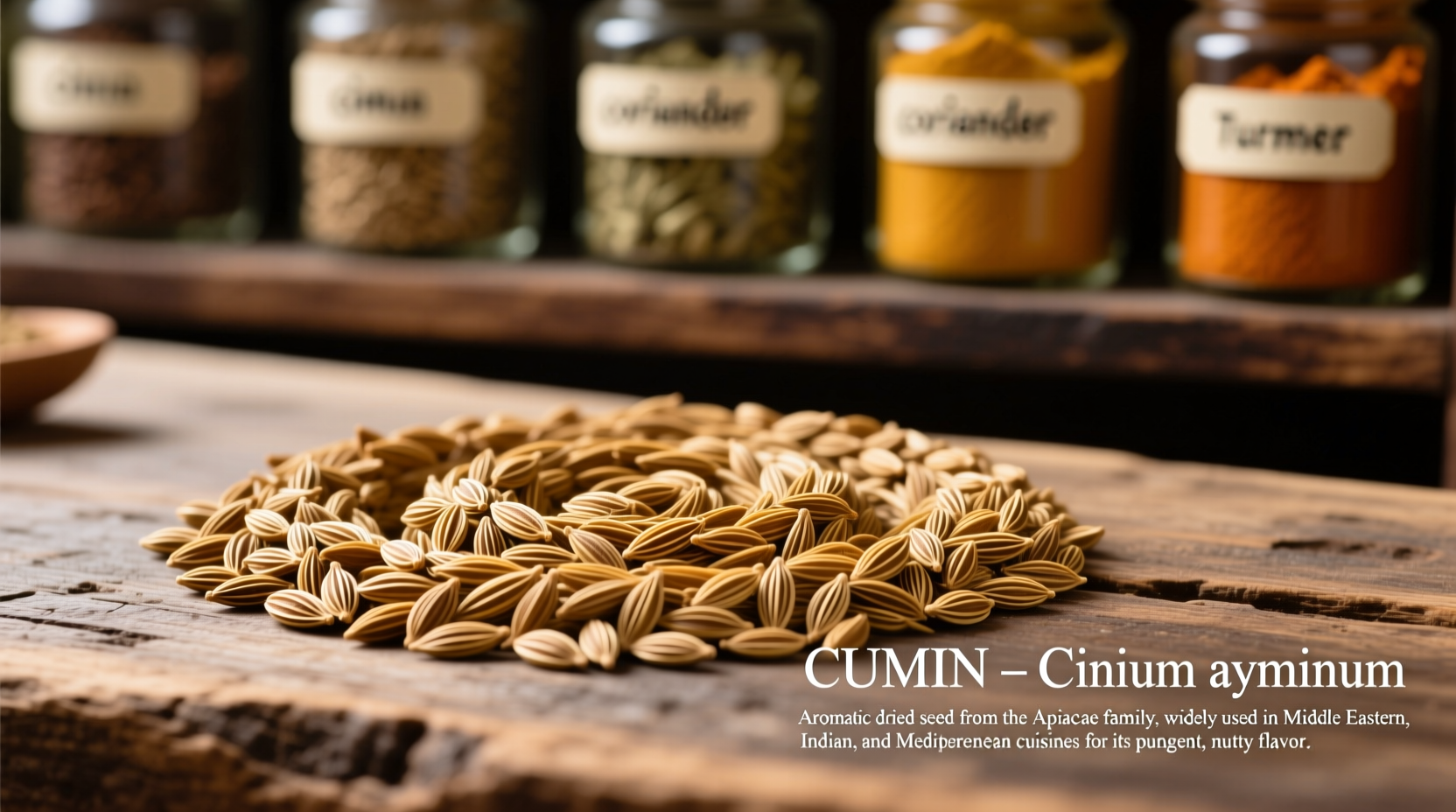
Cumin (Cuminum cyminum) is a flowering plant in the Apiaceae family, native to the eastern Mediterranean and South Asia. Its dried seeds are harvested and used as a spice, valued for their potent, warm, and slightly bitter character. Unlike many herbs that fade during cooking, cumin intensifies with heat, making it a foundational ingredient in dry rubs, sautéed aromatics, and slow-cooked dishes.
The spice has been cultivated for over 5,000 years, with archaeological evidence placing its use in ancient Egypt, where it was not only a seasoning but also employed in mummification and traditional medicine. From there, cumin spread along trade routes into India, the Middle East, North Africa, and eventually Latin America through Spanish and Portuguese colonization. Today, India remains the largest producer and consumer of cumin, though significant cultivation also occurs in Iran, Turkey, Syria, and Chile.
In both whole seed and ground form, cumin serves as a backbone in spice mixes such as garam masala, chili powder, berbere, and ras el hanout. It pairs naturally with legumes, grains, meats, and nightshade vegetables like tomatoes and peppers. While often associated with savory dishes, cumin occasionally appears in sweet-spice combinations in certain regional desserts, particularly in parts of Iran and Afghanistan.
Key Characteristics
Cumin’s sensory and functional traits make it indispensable in diverse cuisines. Below is a detailed breakdown of its core attributes:
| Characteristic | Description |
|---|---|
| Flavor Profile | Earthy, warm, nutty, with a subtle bitterness and peppery finish. When toasted, develops a deeper, smoky-sweet complexity. |
| Aroma | Pungent, musky, slightly citrusy when raw; becomes roasted and fragrant when heated in oil or dry-toasted. |
| Color | Light to medium brown in seed form; ground cumin ranges from golden tan to reddish-brown depending on variety and processing. |
| Form | Available as whole seeds (elongated, crescent-shaped) or finely ground powder. |
| Heat Level | Not spicy in the capsaicin sense. Provides warmth but no measurable Scoville units. Often mistaken for chili heat due to its pungency. |
| Culinary Function | Base layering spice; enhances depth, umami, and savoriness. Used early in cooking to bloom in fat or dry-toast for maximum aroma release. |
| Shelf Life | Whole seeds: 3–4 years if stored properly. Ground cumin: 6 months to 1 year before noticeable flavor degradation. |
The dominant volatile compound in cumin is cuminaldehyde, which accounts for its signature scent. Other compounds like cymene and terpenes contribute to its slightly sharp, almost camphorous edge—especially when used in excess. This chemical complexity explains why cumin can dominate a dish if overused, yet vanish entirely when under-applied.
Practical Usage: How to Use Cumin in Cooking
Cumin is not a passive background note—it demands technique. The method of application significantly affects how its flavor integrates into a dish. Proper usage begins with understanding timing, form, and thermal treatment.
Dry-Toasting for Maximum Flavor
To unlock cumin’s full aromatic potential, dry-toast whole seeds in a skillet over medium heat for 1–3 minutes until fragrant and slightly darker. Shake the pan frequently to avoid burning. Once cooled, grind with a mortar and pestle or spice grinder. This process converts raw, harsh notes into warm, nutty depth. Toasted cumin seeds can also be used whole in rice pilafs, lentil soups, or yogurt-based raitas for textural contrast.
Blooming in Oil (Tempering)
In Indian, Middle Eastern, and North African cooking, cumin seeds are often added to hot oil at the beginning of a recipe—a technique known as tempering or *tadka*. The spice crackles gently, releasing essential oils into the fat, which then carries flavor throughout the dish. This method is ideal for curries, dals, and vegetable stir-fries. For ground cumin, add within the first 30–60 seconds of sautéing onions or garlic to prevent scorching while allowing flavor integration.
Recommended Quantities
Cumin should be used judiciously. As a general guideline:
- Whole seeds: ½ to 1 teaspoon per 4 servings in soups, stews, or rice.
- Ground cumin: ¾ to 1½ teaspoons per 4 servings in robust dishes like chili or curry.
- Spice blends: Typically contains 15–25% cumin by weight (e.g., chili powder is ~20% cumin).
Overuse leads to bitterness and an overwhelming medicinal aftertaste. When in doubt, start low and adjust at the end of cooking.
Pairing Suggestions
Cumin harmonizes with a broad range of ingredients. Key pairings include:
- Coriander: Balances cumin’s earthiness with citrusy sweetness; a classic duo in Indian and Mexican blends.
- Garlic and onion: Forms the aromatic base in countless global dishes.
- Tomatoes: Enhances the acidity and body of sauces, especially in enchiladas or shakshuka.
- Legumes: Complements the mildness of beans, lentils, and chickpeas.
- Paprika or smoked paprika: Adds color and depth, especially in Spanish and Hungarian dishes.
Pro Tip: Always toast whole cumin seeds just before grinding. Pre-ground cumin loses up to 70% of its volatile oils within six months. For peak freshness, buy whole seeds in small batches from high-turnover spice merchants and grind as needed.
Variants & Types of Cumin
While Cuminum cyminum is the standard culinary cumin, several related or similarly named spices exist. Understanding the differences ensures accurate usage.
1. Regular Cumin (Cuminum cyminum)
The most common form, available globally in whole and ground versions. Seeds are 3–6 mm long, narrow, and ridged. Widely used in Indian, Mexican, Middle Eastern, and North African cuisines.
2. Black Cumin (Nigella sativa)
Often confused with true cumin, black cumin—also called kalonji—is botanically unrelated. Smaller, matte-black seeds with a more onion-like, slightly soapy flavor. Used as a topping in naan bread, pickles, and Bengali panch phoron blend. Not interchangeable with regular cumin.
3. White Cumin / Iranian Cumin
A lighter-colored variant grown primarily in Iran and Central Asia. Milder and sweeter than standard cumin, often preferred in Persian rice dishes (*polo*) and delicate meat preparations. Sometimes marketed as “premium” cumin due to its subtlety.
4. Ground vs. Whole Cumin
The choice between forms impacts shelf life and flavor delivery:
| Form | Best Uses | Storage Life |
|---|---|---|
| Whole Seeds | Tadka, pickling, rice dishes, DIY grinding | 3–4 years in airtight container, away from light |
| Ground Cumin | Curries, spice rubs, marinades, baked goods | 6–12 months; flavor diminishes rapidly |
5. Roasted Cumin Powder (Bhuna Jeera)
A staple in Indian kitchens, this is cumin that has been dry-roasted until deep amber, then ground. It has a richer, smokier profile and is often used in finishing dishes like raita, chaats, or lentil soups. Can be made at home or purchased pre-made.
Comparison with Similar Ingredients
Cumin is frequently mistaken for other spices due to naming overlap or visual similarity. Clarifying these distinctions prevents culinary errors.
| Spice | Botanical Name | Key Differences |
|---|---|---|
| Cumin (Jeera) | Cuminum cyminum | Warm, earthy, slightly bitter; elongated brown seeds. |
| Caraway | Carum carvi | Sweeter, more anise-like; common in rye bread and goulash. Seeds resemble cumin but smell distinctly different. |
| Black Cumin (Kalonji) | Nigella sativa | Smaller, black, onion-garlic flavor; used as garnish, not base spice. |
| Fennel Seeds | Foeniculum vulgare | Larger, greener, pronounced licorice taste; digestive aid, not savory base. |
| Coriander Seeds | Coriandrum sativum | Rounder, paler, citrusy-sweet; often paired with cumin but never a substitute. |
“Many chefs reach for cumin instinctively, but few realize how much technique matters. Toasting transforms it from sharp to sublime. I always keep two jars: one of whole seeds for tempering, another of freshly ground for rubs.” — Chef Amina Rahman, Culinary Director, Spice Heritage Institute
Practical Tips & FAQs
Q: Does cumin go bad?
A: Ground cumin doesn’t spoil but loses potency. It oxidizes quickly once ground, so store in an airtight container in a cool, dark place. Whole seeds retain flavor far longer. If your cumin smells dusty or faint, it’s time to replace it.
Q: Can I substitute ground cumin for whole seeds?
A: Yes, but adjust ratios. Use ¾ teaspoon ground cumin for every 1 teaspoon of whole seeds. Note that you’ll miss the textural and aromatic benefits of blooming whole seeds.
Q: Is cumin spicy?
A: No. Cumin provides warmth and depth but contains no capsaicin. Its pungency is often misinterpreted as heat, especially in chili-heavy dishes where it’s commonly found.
Q: What are the health benefits of cumin?
A: Traditionally used to aid digestion, cumin contains antioxidants and may support iron absorption. Some studies suggest anti-inflammatory properties, but it should not replace medical treatment. Moderation is key—high doses may interact with medications.
Q: Which dishes rely heavily on cumin?
A: Signature cumin-forward dishes include:
- Mexican: Chili con carne, tacos al pastor, pozole
- Indian: Chana masala, aloo jeera, tandoori marinades
- Middle Eastern: Falafel, kofta, mujadara (lentil and bulgur stew)
- North African: Harira soup, merguez sausage, tagines
- Mediterranean: Greek feta salads with cumin-dusted olives, Turkish meatballs
Q: Can cumin be used in beverages?
A: Yes. In parts of India and the Middle East, roasted cumin water (*jeera water*) is consumed as a digestive tonic. It’s made by steeping crushed toasted seeds in hot water, sometimes with lemon or honey. Some craft brewers and mixologists use cumin in experimental beers or cocktails for savory complexity.
Storage Checklist:
✅ Store in opaque, airtight glass jars
✅ Keep away from stove, sunlight, and humidity
✅ Label with purchase date
✅ Buy small quantities (¼ cup max for home use)
✅ Refresh whole seeds annually even if they appear intact
Summary & Key Takeaways
Cumin is far more than a pantry staple—it is a cornerstone of global flavor architecture. Its journey from ancient seed to modern spice rack underscores its enduring culinary value. To use cumin effectively:
- Understand that whole seeds offer superior shelf life and aromatic control compared to pre-ground.
- Always toast or bloom cumin in fat to activate its full flavor potential.
- Respect its pungency and bitterness; use measured amounts and balance with complementary spices like coriander or cinnamon.
- Recognize the difference between true cumin and look-alikes such as caraway or black cumin (nigella).
- Store properly to preserve volatile oils—light, heat, and air are its enemies.
Whether you're building a complex curry, seasoning a simple roasted carrot dish, or crafting a homemade spice blend, cumin offers unmatched depth and authenticity. By mastering its nuances—from sourcing to application—you elevate everyday cooking into something truly resonant. Next time you reach for the cumin jar, take a moment to toast it first. The difference will be unmistakable.
Challenge: Try making your own chili powder blend using freshly ground cumin, coriander, dried ancho and chipotle peppers, and a pinch of cloves. Compare it to store-bought—chances are, you’ll never go back.




 浙公网安备
33010002000092号
浙公网安备
33010002000092号 浙B2-20120091-4
Comments
No comments yet. Why don't you start the discussion?