
Dano seasoning has quietly become a staple in modern Korean kitchens and an emerging favorite among global home cooks seeking depth, umami, and convenience. While not as widely recognized outside East Asia as gochujang or soy sauce, Dano seasoning—often labeled simply as “Dano” on packaging—is a versatile blend rooted in traditional Korean flavors but engineered for contemporary use. It functions as both a flavor enhancer and a ready-to-use seasoning base, streamlining the preparation of soups, stews, marinades, and stir-fries. Understanding what Dano seasoning is, how it works, and where it fits in your pantry can transform the way you approach weeknight meals and authentic Korean-inspired dishes.
Definition & Overview
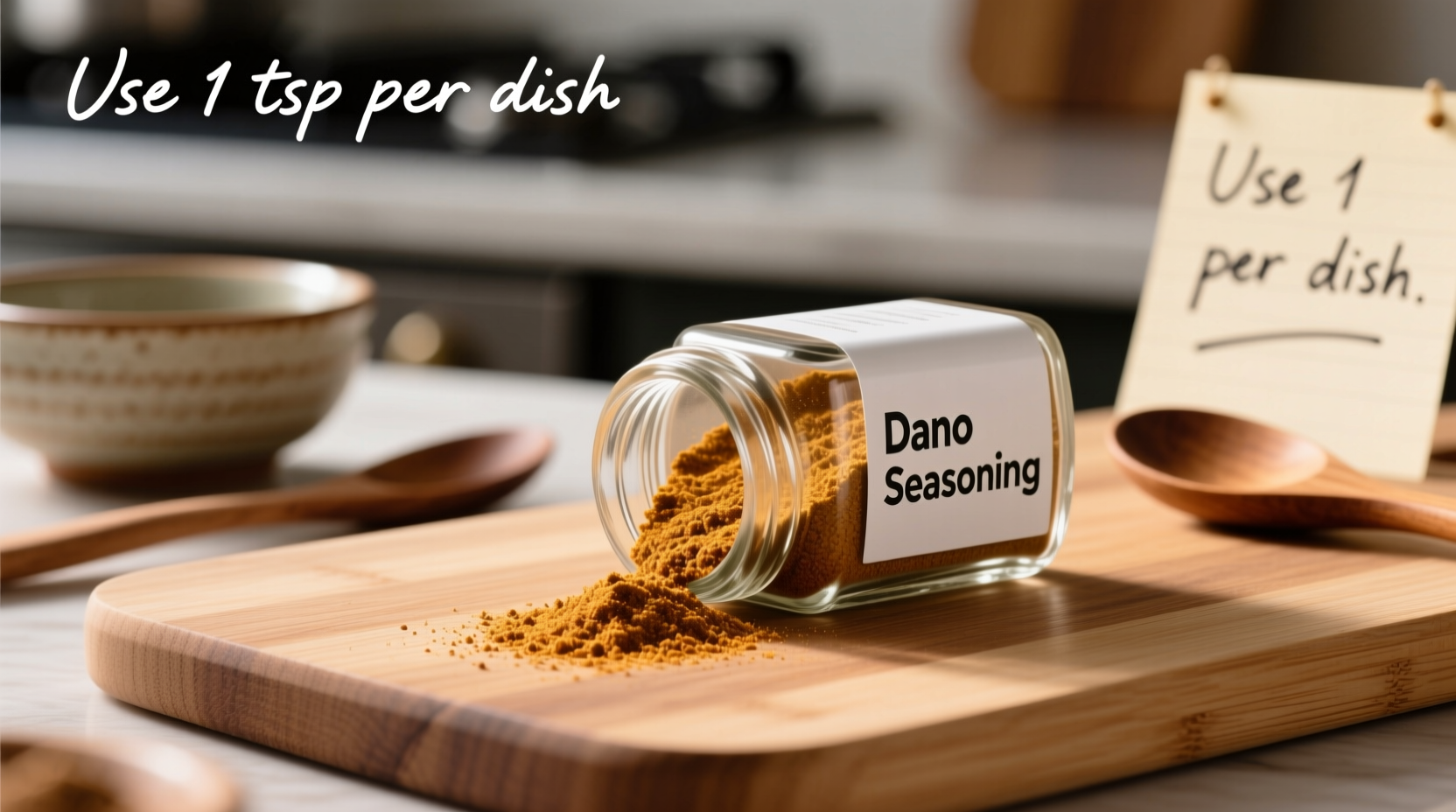
Dano seasoning refers to a commercially produced, all-purpose Korean seasoning mix developed by CJ CheilJedang, one of South Korea’s largest food companies. The name \"Dano\" originates from the Dano Festival, a traditional Korean holiday celebrated on the fifth day of the fifth lunar month, symbolizing seasonal transition and cultural heritage. By naming the product after this festival, the brand evokes authenticity, tradition, and natural harmony with seasonal ingredients.
The seasoning itself is a powdered or granulated blend designed to deliver balanced savory flavor with minimal effort. Unlike single-ingredient spices such as garlic powder or black pepper, Dano seasoning is a composite formula that typically includes dehydrated vegetables (such as onion, garlic, green onion), sea salt, sugar, hydrolyzed vegetable protein, yeast extract, sesame seeds, and sometimes mild chili powder or mushroom extracts. Its primary function is to provide instant umami—a deep, brothy savoriness—while enhancing aroma and complexity without requiring hours of simmering stocks or layering multiple seasonings.
In Korea, Dano seasoning is commonly used in households and small eateries to elevate simple dishes like kimchi jjigae (kimchi stew), doenjang jjigae (soybean paste stew), noodle soups, and rice bowls. It acts as a shortcut to achieving restaurant-quality depth while maintaining consistency across batches. Internationally, it has gained traction among fans of Korean cuisine who seek accessible ways to replicate bold flavors at home.
Key Characteristics
Dano seasoning stands out due to its multifaceted sensory profile and functional advantages in cooking. Below are its defining attributes:
| Characteristic | Description |
|---|---|
| Flavor Profile | Balanced savory (umami-dominant), mildly sweet, slightly salty, with subtle nuttiness from sesame and aromatic depth from garlic and onion. |
| Aroma | Toasted, savory, with warm notes of roasted garlic and sesame; becomes more pronounced when heated. |
| Color & Form | Light to medium brown granules or fine powder; free-flowing and non-clumping under proper storage. |
| Heat Level | Non-spicy; does not contain significant chili content unless specified in variant formulations. |
| Culinary Function | Flavor base, umami booster, soup/stew enhancer, marinade accelerator. |
| Shelf Life | 18–24 months when stored in a cool, dry place away from sunlight and moisture. |
| Solubility | Highly soluble in hot liquids; dissolves completely in soups, sauces, and batters. |
Practical Usage: How to Use Dano Seasoning
The strength of Dano seasoning lies in its adaptability across cooking methods and dish types. Because it delivers layered flavor in a single addition, it reduces reliance on multiple individual seasonings. Here’s how to integrate it effectively into daily cooking:
In Soups and Stews
Add ½ to 1 teaspoon of Dano seasoning per serving when preparing Korean-style soups like sundubu jjigae (soft tofu stew) or anchovy-based broths. Stir it in during the final minutes of cooking to preserve its volatile aromatics. For richer stews such as kimchi jjigae, combine Dano with gochujang and doenjang to build complexity without over-salting.
In Marinades and Rubs
Mix 1 tablespoon Dano seasoning with 2 tablespoons soy sauce, 1 tablespoon honey or sugar, and 1 minced garlic clove to create a universal meat or tofu marinade. Works exceptionally well for bulgogi, dakdoritang (spicy braised chicken), or grilled mushrooms. Let proteins marinate for at least 30 minutes—up to 4 hours—for optimal flavor penetration.
With Rice and Grains
Stir ½ teaspoon into cooked rice, quinoa, or barley for an instant flavor upgrade. Combine with toasted sesame oil and chopped scallions for a quick side dish or bibimbap base. This technique is ideal for meal prep, adding variety without extra prep time.
In Stir-Fries and Noodle Dishes
Just before finishing a stir-fry, sprinkle ¾ teaspoon of Dano seasoning over vegetables and protein. Toss thoroughly to distribute evenly. Especially effective in dishes like japchae (glass noodles), udon sautés, or kimchi pancakes (kimchijeon), where background savoriness enhances texture contrast.
As a Dry Finishing Sprinkle
Use sparingly as a finishing touch on popcorn, roasted nuts, or baked fries for a Korean twist on snacks. Think of it as the Eastern counterpart to furikake or seasoned salt—aromatic, umami-rich, and craveable.
Pro Tip: Always taste before adding additional salt. Dano seasoning contains sodium, so adjust other salty components (like soy sauce or fish sauce) accordingly to avoid over-seasoning.
Variants & Types
While the original Dano All-Purpose Seasoning remains the most common, several specialized variants have been introduced to meet diverse culinary needs. Each version modifies the base formula to suit specific applications:
- Dano Soup Base (Gukmuljon): Formulated specifically for clear soups and broths; contains higher levels of hydrolyzed protein and dried kelp (dashima) extract for enhanced broth-like quality. Ideal for ramyeon, mandu-guk (dumpling soup), and army stew (budae jjigae).
- Dano Kimchi Jjigae Mix: Pre-blended with gochugaru (Korean chili flakes) and fermented kimchi powder; requires only water, tofu, and pork to make a complete stew. Designed for convenience and speed.
- Dano Doenjang Jjigae Mix: Combines Dano seasoning with powdered doenjang (fermented soybean paste); offers earthy, fermented depth suitable for vegetarian stews.
- Dano Zero Sodium: A reduced-sodium version using potassium chloride and increased yeast extract for umami. Suitable for health-conscious users managing blood pressure.
- Dano Organic: Made with certified organic ingredients and no synthetic additives; appeals to clean-label consumers.
When selecting a variant, consider whether you need a general-purpose enhancer (original Dano) or a targeted solution (e.g., pre-mixed stew bases). The original form offers maximum flexibility, while specialty mixes save time for frequent users of particular dishes.
Comparison with Similar Ingredients
Dano seasoning is often mistaken for other Asian flavor enhancers, but key distinctions set it apart:
| Ingredient | How It Differs from Dano Seasoning |
|---|---|
| MSG (Monosodium Glutamate) | MSG is a single chemical compound that adds pure umami. Dano contains MSG (or naturally derived glutamates) but combines them with herbs, spices, and aromatics for a rounded flavor profile. |
| Maggi Seasoning | Liquid concentrate based on wheat hydrolysate; darker, saltier, and more pungent. Dano is powdered, less intense, and integrates seamlessly into dry rubs and batters. |
| Bouillon Powder/Granules | Typically meat- or vegetable-based with high sodium and fat content. Dano is lighter, more aromatic, and focuses on fresh vegetable notes rather than heavy stock simulation. |
| Furikake | Japanese seaweed-and-sesame topping meant for finished dishes. Dano is a cooking ingredient, not a garnish, though both share sesame and umami elements. |
| Korean Soup Soy Sauce (Guk-ganjang) | Liquid seasoning used for seasoning soups; contains salt and fermented soy. Dano complements guk-ganjang by adding body and aroma beyond salinity. |
\"Dano seasoning bridges the gap between convenience and craftsmanship. It's not about replacing traditional techniques—it's about making them accessible to people who cook under time constraints.\" — Chef Min-jun Park, Seoul Culinary Institute
Practical Tips & FAQs
Can I use Dano seasoning if I’m avoiding MSG?
Standard Dano seasoning contains either added MSG or naturally occurring glutamates from yeast extract and hydrolyzed proteins. If you're sensitive, look for explicitly labeled “No Added MSG” versions or opt for the organic line, which may rely more on mushroom powder and kombu for umami.
Is Dano seasoning gluten-free?
Most varieties are not certified gluten-free due to potential cross-contamination or inclusion of wheat-derived hydrolyzed protein. However, some newer formulations use corn or soy-based hydrolysates. Always check the label if gluten sensitivity is a concern.
How much should I use per dish?
A general guideline: use ½ teaspoon per serving for soups and stews, ¾ teaspoon per cup of rice or grains, and 1 teaspoon per pound of protein in marinades. Start conservatively—you can always add more, but you can't remove excess seasoning.
Can I substitute Dano seasoning?
There is no perfect one-to-one substitute, but a close approximation can be made using a mixture of:
- 1 part garlic powder
- 1 part onion powder
- 1 part nutritional yeast or yeast extract
- ½ part toasted sesame seeds (ground)
- ½ part sea salt
- ¼ part sugar
Mix and store in an airtight jar. Use ¾ the amount of commercial Dano, then adjust to taste.
Does Dano seasoning expire?
Yes. While it doesn’t spoil quickly, it loses potency over time. After 18 months, the aroma fades and umami diminishes. Store in a sealed container away from heat and humidity. Avoid storing above the stove or near dishwashers.
Is Dano seasoning vegan?
Most standard versions are plant-based, but some blends (especially soup bases) may include animal-derived ingredients like bonito or chicken extract. Check the ingredient list carefully. The Dano Doenjang Jjigae and Organic lines are typically vegan-friendly.
Can I use Dano in Western dishes?
Absolutely. Try adding a pinch to tomato sauce, mashed potatoes, or gravy for subtle depth. It enhances mushroom risotto, lentil soup, and even scrambled eggs. Its umami boost works universally, regardless of cuisine.
Storage Checklist:
✓ Keep in original resealable pouch or transfer to glass jar
✓ Store in dark cabinet (not transparent containers)
✓ Use dry spoon to prevent clumping
✓ Label container with purchase date
✓ Replace after two years for peak performance
Summary & Key Takeaways
Dano seasoning is a modern Korean innovation that brings traditional flavor principles into fast-paced kitchens. More than just a shortcut, it is a thoughtfully balanced blend that delivers umami, aroma, and consistency in a single scoop. Whether you're reviving leftovers, building a stew from scratch, or experimenting with fusion flavors, Dano seasoning simplifies the process without sacrificing depth.
Its core strengths lie in versatility, solubility, and compatibility with a wide range of proteins, vegetables, and grains. From the original all-purpose formula to specialized stew mixes, Dano adapts to different cooking styles and dietary preferences. While distinct from MSG, bouillon, or liquid seasonings, it shares their goal: maximizing flavor efficiency.
For home cooks, integrating Dano seasoning means spending less time layering salt, garlic, onion, and sesame oil—and more time enjoying well-balanced, satisfying meals. As global interest in Korean cuisine continues to grow, understanding tools like Dano seasoning empowers cooks to move beyond imitation toward true flavor mastery.
Next time you’re preparing a soup or marinade, reach for Dano seasoning and notice the difference in depth and ease. Once you experience its seamless integration into your routine, you may find it indispensable.




 浙公网安备
33010002000092号
浙公网安备
33010002000092号 浙B2-20120091-4
Comments
No comments yet. Why don't you start the discussion?