
Dano’s Seasoning is a lesser-known but deeply flavorful blend that has quietly gained traction among home cooks and professional chefs seeking a balanced, umami-rich alternative to conventional spice mixes. While not as widely recognized as garlic salt or Cajun seasoning, Dano’s Seasoning delivers a complex, savory punch ideal for enhancing meats, vegetables, soups, and marinades. Its growing popularity stems from its versatility and depth—offering more than just salt and pepper, yet avoiding the overpowering heat found in many commercial blends. For those exploring ways to elevate everyday dishes without relying on processed sauces or excessive sodium, understanding Dano’s Seasoning—and how to use it effectively—can transform routine meals into something memorable.
Definition & Overview
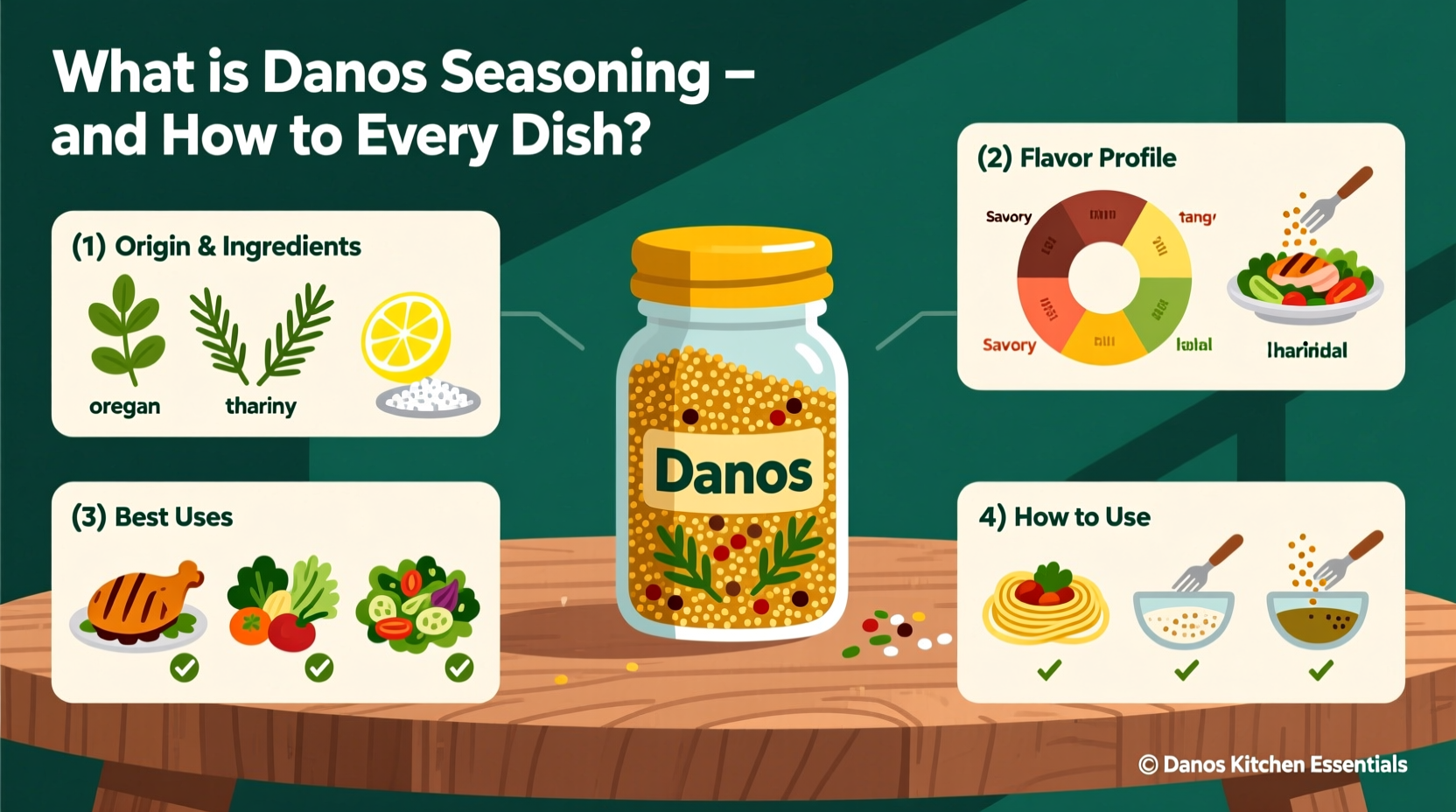
Dano’s Seasoning is a proprietary dry spice blend known for its harmonious balance of salt, herbs, spices, and natural flavor enhancers. Though the exact formulation may vary slightly by brand or region, the core composition typically includes fine sea salt, dehydrated onion and garlic, cracked black pepper, paprika, citric acid, and monosodium glutamate (MSG) or yeast extract to amplify savoriness. Unlike generic “steak seasonings” or “all-purpose rubs,” Dano’s is formulated with an emphasis on mouthfeel and aroma dispersion, making it particularly effective at building foundational flavor in both dry-rub applications and wet marinades.
The seasoning traces its roots to regional American barbecue and Southern comfort food traditions, where layered seasoning techniques are essential. Named after its creator or popularized by a niche culinary figure (exact origins remain semi-anecdotal), Dano’s Seasoning was developed to simplify the process of achieving restaurant-quality depth in home kitchens. It functions not merely as a finishing sprinkle but as a functional component in flavor development, much like a French *fumet* or Asian dashi—but in powdered form.
Available primarily in pre-mixed commercial packaging, Dano’s Seasoning is categorized as a \"savory all-purpose seasoning blend.\" It sits comfortably between a seasoned salt and a full spice rub—finer than most rubs, but bolder than table salt. Its intended use spans proteins, starches, and vegetables, making it a flexible tool across cuisines, though it excels in American, Creole, and fusion-style cooking.
Key Characteristics
| Attribute | Description |
|---|---|
| Flavor Profile | Savory, umami-forward, mildly salty with herbal undertones; subtle smokiness and tang from citric acid. |
| Aroma | Rich garlic-onion base with warm pepper and paprika notes; aromatic upon contact with heat. |
| Color & Form | Fine granular powder, light reddish-brown to tan hue; clump-resistant when stored properly. |
| Heat Level | Mild; no significant spiciness unless blended with chili variants. |
| Culinary Function | Base seasoning, flavor amplifier, rub component, marinade enhancer. |
| Shelf Life | 18–24 months in a cool, dark, dry place; potency diminishes over time. |
Practical Usage: How to Use Dano’s Seasoning
Dano’s Seasoning shines when used as a foundational layer of flavor rather than a last-minute garnish. Its design allows for even dispersion and deep penetration into foods, especially when applied before cooking. Here are several proven methods for integrating it into daily cooking:
1. As a Dry Rub for Meats
For steaks, chicken breasts, pork chops, or ribs, apply Dano’s Seasoning liberally 20–30 minutes before grilling, roasting, or pan-searing. Use approximately ½ teaspoon per 6 oz of protein. Allow the seasoning to rest on the surface to draw out minimal moisture, forming a light crust that enhances browning. This technique mimics the Maillard reaction optimization seen in professional kitchens.
2. In Marinades and Wet Brines
Mix 1 tablespoon of Dano’s Seasoning per cup of liquid (oil, vinegar, citrus juice, or buttermilk). Combine with additional aromatics like minced garlic or fresh herbs. Marinate chicken or tofu for 2–4 hours for infused flavor without oversalting—the seasoning’s balanced sodium content prevents brine burn.
3. On Roasted Vegetables
Toss root vegetables (potatoes, carrots, beets) with olive oil and ¾ teaspoon of Dano’s per pound before roasting at 400°F (200°C). The result is caramelized exteriors with savory depth, eliminating the need for post-roast salting.
4. In Soups, Stews, and Gravies
Add ½ to 1 teaspoon during the simmer phase to enhance body and complexity. Particularly effective in bean soups, gumbo, or beef stew, where it complements long-cooked flavors without dominating them.
5. With Eggs and Breakfast Dishes
Sprinkle lightly into scrambled eggs, omelets, or breakfast hashes. Its umami boost elevates simple egg dishes—especially when paired with cheese or smoked meats.
6. On Popcorn or Snack Mixes
After popping, drizzle kernels with melted butter or oil and dust with ¼ teaspoon of Dano’s per serving. Shake well for a savory, crave-worthy snack reminiscent of restaurant-style seasoned popcorn.
Pro Tip: When using Dano’s Seasoning in recipes that already contain salt (e.g., soy sauce, canned broth), reduce added salt by 25–30%. The blend contains salt as a primary ingredient, so adjustments prevent over-seasoning.
Variants & Types
While the original Dano’s Seasoning remains the standard, several variations have emerged to suit different palates and dietary needs. These are often labeled under sub-brands or specialty lines:
- Original Formula: Contains MSG and sea salt; ideal for maximizing umami in hearty dishes.
- No-Salt Version: Replaces sodium chloride with potassium chloride or herb bases; designed for low-sodium diets while retaining savory character.
- Spicy Blend: Infused with cayenne, crushed red pepper, or chipotle powder; adds mild heat (Scoville range: 2,000–5,000 units).
- Smoked Variant: Incorporates smoked paprika and hickory smoke flavor; excellent for barbecue applications and plant-based meats.
- Organic / Clean Label: Uses organic ingredients, no artificial additives, and natural yeast extract instead of MSG.
- Lemon-Herb Edition: Blended with dried lemon zest, thyme, and parsley; suitable for poultry and seafood.
Choosing the right variant depends on the dish and dietary goals. The original is best for red meat and stews, while the no-salt or lemon-herb versions work well in lighter fare or health-conscious preparations.
Comparison with Similar Ingredients
Dano’s Seasoning is often mistaken for other common blends due to overlapping ingredients. However, key distinctions set it apart in function and application.
| Seasoning | Primary Components | Key Differences from Dano’s |
|---|---|---|
| Garlic Salt | Garlic powder + table salt (2:1 ratio) | Lacks herbs, pepper, and umami enhancers; one-dimensional compared to Dano’s complexity. |
| Steak Seasoning | Salt, pepper, garlic, onion, sometimes rosemary | Often coarser; less emphasis on umami; may lack citric acid or MSG for depth. |
| Adobo Seasoning | Salt, garlic, oregano, pepper, turmeric | More herbal and earthy; lacks the savory amplification of Dano’s; common in Latin cuisine. |
| MSG (Accent) | Pure monosodium glutamate | Only provides umami; no salt or spice; must be combined with other seasonings. |
| Dano’s Seasoning | Salt, garlic, onion, pepper, paprika, citric acid, MSG/yeast extract | Balanced blend designed for immediate impact and layered flavor; engineered for broad compatibility. |
“Dano’s bridges the gap between convenience and craftsmanship. It’s not a shortcut—it’s a flavor accelerator.” — Chef Lena Torres, Culinary Instructor at Southern Regional Institute of Food Arts
Practical Tips & FAQs
How much Dano’s Seasoning should I use per serving?
Start with ¼ to ½ teaspoon per 4–6 oz of protein or per cup of vegetables. Taste and adjust. Because it contains salt, avoid doubling quantities unless balancing with unsalted ingredients.
Can I use Dano’s Seasoning in place of salt?
Yes, but not one-to-one. Replace only 50–75% of your usual salt with Dano’s, then supplement with pure salt if needed. This prevents over-seasoning while still gaining herbal and umami benefits.
Is Dano’s Seasoning gluten-free?
Most commercial versions are gluten-free, but always check the label. Some bulk or artisanal blends may include anti-caking agents derived from wheat.
Does Dano’s Seasoning contain MSG?
The original formula typically does. However, MSG-free versions use yeast extract or hydrolyzed vegetable protein to achieve similar umami effects. If you're sensitive to MSG, opt for certified “No Added MSG” labels.
How should I store Dano’s Seasoning?
Keep in an airtight container away from heat, light, and moisture. A pantry shelf or spice drawer is ideal. Avoid storing above the stove or near the dishwasher. Proper storage maintains potency for up to two years.
Can I make my own Dano’s-style blend at home?
Absolutely. Here’s a reliable homemade version:
- 2 tablespoons fine sea salt
- 1 tablespoon garlic powder
- 1 tablespoon onion powder
- 1 teaspoon freshly cracked black pepper
- 1 teaspoon smoked or sweet paprika
- ½ teaspoon citric acid (optional, for brightness)
- 1 teaspoon yeast extract or ½ teaspoon MSG (optional, for umami)
Mix thoroughly and store in a glass jar. Yields approximately ¼ cup. Adjust ratios to taste—reduce salt for lower sodium needs.
What are the best dishes to use Dano’s Seasoning in?
Top applications include grilled ribeye, roasted potatoes, turkey burgers, black bean soup, deviled eggs, and sautéed mushrooms. It also works well in casseroles and stuffing, where slow heating allows flavors to meld.
Is Dano’s Seasoning suitable for vegetarians and vegans?
Yes—most blends are plant-based. Confirm that no animal-derived additives (e.g., bone char-filtered salt) are used, though this is rare in modern production.
Mini Case Study: A home cook in Nashville used Dano’s Seasoning to revive a bland lentil stew. By adding 1 teaspoon during reheating and letting it simmer 10 minutes, the dish gained noticeable depth and richness—guests described it as “restaurant-quality.” This demonstrates its effectiveness even in plant-based, low-fat contexts.
Summary & Key Takeaways
Dano’s Seasoning is more than just another spice jar—it’s a thoughtfully engineered blend that leverages salt, aromatics, and umami to build robust flavor foundations. Its fine texture and balanced composition make it ideal for both dry-rub applications and integration into wet dishes. Whether used on steak, vegetables, eggs, or soups, it enhances without overwhelming.
Key points to remember:
- Dano’s Seasoning combines salt, garlic, onion, pepper, paprika, and umami agents for a multidimensional profile.
- It functions best as a base seasoning, applied early in the cooking process.
- Variants exist for low-sodium, spicy, or herb-focused needs.
- It differs from garlic salt, adobo, and steak seasonings by emphasizing savory depth over single-note flavors.
- Homemade versions are easy to prepare and customize.
- Always adjust additional salt when using Dano’s to avoid over-seasoning.
For cooks seeking a reliable, versatile seasoning that delivers consistent, professional-grade results, Dano’s Seasoning offers a practical solution. Once integrated into a kitchen routine, its absence becomes noticeable—a testament to its quiet but powerful role in modern flavor crafting.




 浙公网安备
33010002000092号
浙公网安备
33010002000092号 浙B2-20120091-4
Comments
No comments yet. Why don't you start the discussion?