
Ginger is one of the world’s most widely used spices, celebrated not only for its bold, pungent flavor but also for its medicinal properties and culinary versatility. Whether you’ve sipped it in a soothing tea, grated it into a stir-fry, or encountered it in baked goods, ginger plays a quiet yet transformative role in global cuisines. Understanding what ginger is—beyond just a spice in your pantry—is essential for anyone looking to deepen their cooking knowledge, enhance flavor profiles, or explore natural remedies. This article provides a comprehensive breakdown of ginger: its botanical identity, sensory characteristics, forms, applications, and distinctions from similar ingredients.
Definition & Overview
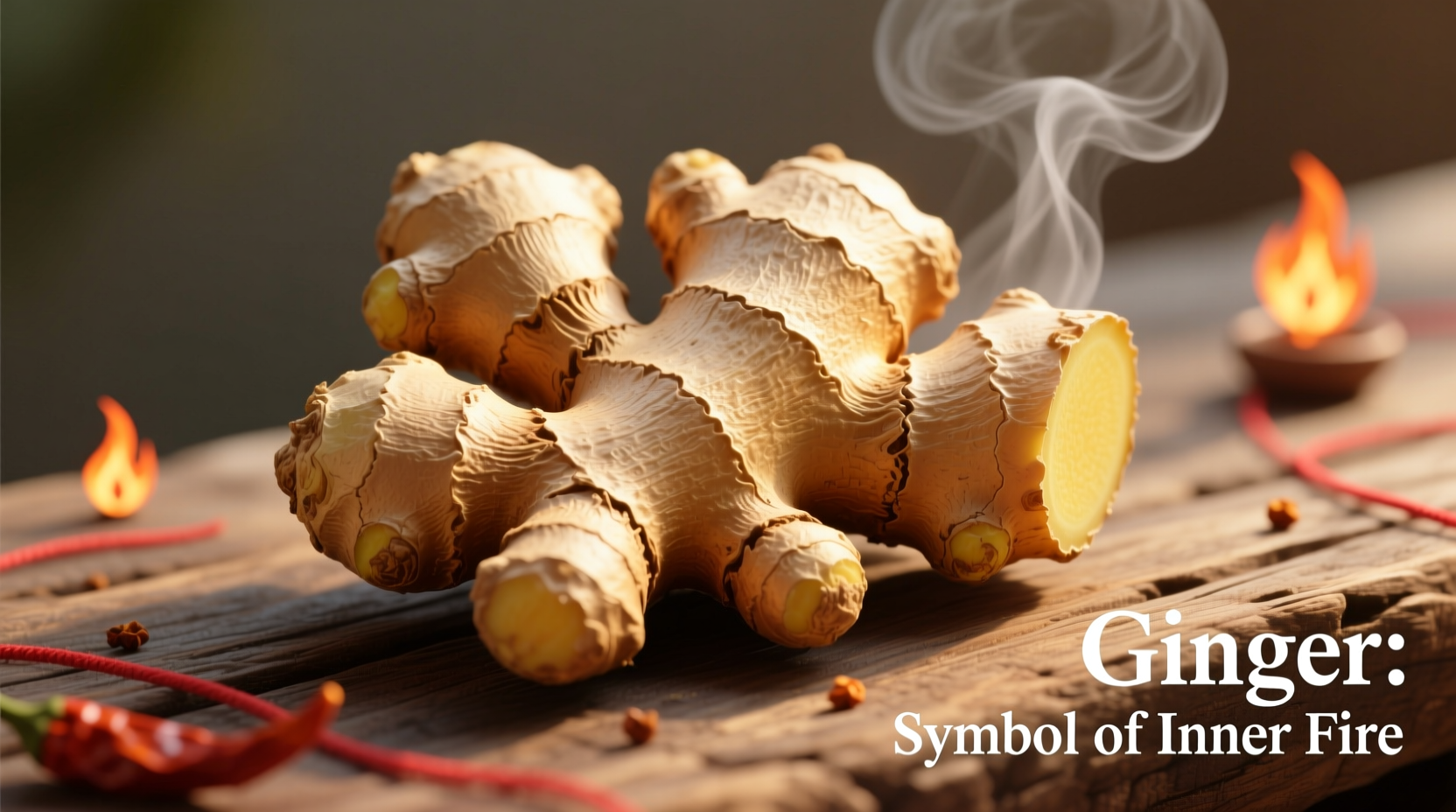
Ginger (Zingiber officinale) is a flowering plant whose rhizome—commonly referred to as “ginger root”—is used extensively as a spice and herbal remedy. Despite being called a \"root,\" ginger is technically a rhizome: an underground stem that grows horizontally and produces roots and shoots from its nodes. Native to Southeast Asia, ginger has been cultivated for over 3,000 years and is now grown in tropical regions across India, China, Nigeria, and Jamaica.
Culinarily, ginger occupies a unique space between aromatic enhancer and functional ingredient. It delivers a spicy warmth without the capsaicin heat of chili peppers, instead offering a bright, citrusy sharpness with subtle floral and pine-like undertones. Its ability to cut through richness, balance sweetness, and stimulate digestion makes it indispensable in both savory and sweet preparations.
Ginger appears in nearly every major world cuisine. In Indian cooking, it's paired with garlic to form the base of curries. In Japanese cuisine, pickled ginger (gari) serves as a palate cleanser with sushi. In Western baking, ground ginger lends warmth to gingerbread and spiced cakes. Its dual role as flavor agent and digestive aid underscores its status as a true culinary cornerstone.
Key Characteristics
The sensory and physical traits of ginger define how it behaves in cooking and storage. Below is a detailed overview:
| Characteristic | Description |
|---|---|
| Flavor Profile | Spicy, warm, slightly sweet, with citrusy and peppery notes. Fresh ginger is more vibrant and sharp; dried ground ginger is warmer and mellower. |
| Aroma | Pungent, zesty, with hints of lemon and camphor. Releases volatile oils when crushed or grated. |
| Color & Form | Beige to light brown exterior; pale yellow interior. Knobby, irregular shape when fresh. Powdered form is fine and tan-colored. |
| Heat Level | Moderate pungency (not measured on Scoville scale). Heat is warming rather than burning, and diminishes with cooking. |
| Culinary Function | Flavor base, tenderizer, digestive aid, aroma booster, natural preservative. |
| Shelf Life | Fresh: 2–3 weeks refrigerated, up to 6 months frozen. Dried: 2–3 years if stored properly. |
Practical Usage: How to Use Ginger in Cooking
Ginger is remarkably adaptable across temperature, texture, and technique. Knowing how to apply it correctly can elevate a dish from flat to dynamic.
Using Fresh Ginger
Fresh ginger offers the most vibrant flavor. To prepare, peel the thin skin using a spoon (its edge slides easily under the skin without wasting flesh), then grate, slice, or mince depending on the recipe.
- Grated: Ideal for marinades, dressings, and sauces where even distribution is key. Grating releases maximum juice and aroma.
- Thin Slices or Julienne: Used in stir-fries, soups (like miso or pho), and braises. Removed before serving if texture is undesirable.
- Crushed or Smashed: Releases oils without adding bulk. Perfect for infusing broths, teas, and poaching liquids.
A common ratio: 1 tablespoon freshly grated ginger ≈ 1/4 teaspoon ground ginger. However, they are not direct substitutes due to flavor differences.
Using Ground Ginger
Ground ginger is made from dried, milled rhizomes. It lacks the brightness of fresh ginger but contributes a deeper, earthier warmth ideal for baking and spice blends like garam masala or pumpkin pie spice.
Best uses include:
- Spice cookies, cakes, and muffins
- Dry rubs for meats
- Curry powders and chai blends
Professional Techniques
In restaurant kitchens, chefs often layer ginger forms for complexity. For example, a Thai curry might begin with sautéed fresh ginger, then finish with a sprinkle of candied ginger for contrast. Some high-end dishes use ginger oil—a clear, potent infusion—for precise flavor control.
Pro Tip: Freeze fresh ginger whole. Grate it directly from frozen—no need to thaw—and it stays usable for months. The skin peels off more easily after freezing.
Pairing Suggestions
Ginger harmonizes with a wide range of ingredients:
- Proteins: Chicken, pork, salmon, tofu
- Vegetables: Carrots, bok choy, spinach, mushrooms
- Spices: Garlic, turmeric, cinnamon, cardamom, black pepper
- Liquids: Coconut milk, soy sauce, lime juice, honey
- Sweet Pairings: Chocolate, pear, apple, molasses
A classic combination is ginger-garlic paste, foundational in Indian, Chinese, and Caribbean cooking. Mix equal parts grated ginger and garlic with a splash of water or oil, then store in the fridge for up to two weeks. Use as a base for sauces, stews, or quick sautés.
Variants & Types of Ginger
Ginger comes in multiple forms, each suited to specific culinary purposes. Choosing the right type enhances both convenience and flavor.
1. Fresh Ginger (Raw Rhizome)
The most common form in markets. Look for firm, smooth knobs with tight skin—wrinkles indicate age and moisture loss. Young ginger, available seasonally, is more tender, less fibrous, and can be eaten skin-on.
2. Ground Ginger (Dried & Milled)
Dehydrated ginger ground into powder. More concentrated in some compounds (like gingerol), but loses volatile aromatics. Best for dry applications and long-cooked dishes.
3. Candied Ginger (Crystallized)
Peel-cooked ginger simmered in sugar syrup and coated in sugar. Chewy, sweet, and spicy. Used in desserts, trail mixes, or chopped into oatmeal. Also effective for soothing nausea.
4. Pickled Ginger (Gari)
Thinly sliced young ginger marinated in rice vinegar, sugar, and salt. Bright pink when made with beet juice or naturally pale. Served as a condiment with sushi to refresh the palate.
5. Preserved Ginger (in Syrup)
Similar to candied but softer and stored in liquid. Often used in Middle Eastern and North African tagines or fruit compotes.
6. Ginger Juice
Extracted from grated ginger, strained. Delivers intense flavor without fiber. Used in cocktails, dressings, and health tonics. One ounce of juice ≈ 1/4 cup grated ginger.
7. Ginger Oil & Extract
Concentrated flavor agents. Ginger oil is used sparingly in dressings or finishing oils. Extract (alcohol-based) is common in baking for consistent flavor.
| Type | Best Used In | Substitution Notes |
|---|---|---|
| Fresh Ginger | Stir-fries, soups, marinades, teas | No direct substitute; closest is galangal (more floral, less sweet) |
| Ground Ginger | Baking, spice blends, dry rubs | Not interchangeable with fresh; use 1/4 tsp ground per 1 tbsp fresh |
| Candied Ginger | Desserts, snacks, grain bowls | Can be chopped finely; adds sweetness and chew |
| Pickled Ginger | Sushi, salads, sandwiches | Do not substitute in cooked dishes; too acidic |
| Preserved in Syrup | Fruit dishes, glazes, chutneys | Drain before use; adjust sugar in recipe |
Comparison with Similar Ingredients
Ginger is often confused with other rhizomes or spicy roots. Understanding the differences ensures proper usage.
Ginger vs. Galangal
- Ginger: Juicy, fibrous, citrusy-spicy. Common in Indian, Chinese, and Western cooking.
- Galangal: Harder, drier, with piney, medicinal notes. Essential in Thai tom yum soup. Not interchangeable 1:1.
Ginger vs. Turmeric
- Ginger: Pungent, warming, primarily used for flavor.
- Turmeric: Earthy, bitter, bright orange. Used more for color and anti-inflammatory properties. Often paired with ginger in curries.
Ginger vs. Horseradish
- Ginger: Warmth builds gradually, aromatic, slightly sweet.
- Horseradish: Sharp, nasal heat that dissipates quickly. Used in creamy sauces and condiments.
Ginger vs. Lesser Galangal / Fingerroot
Lesser-known in Western kitchens, these Southeast Asian relatives have distinct flavors. Fingerroot (krachai) has a delicate, almost banana-like note and is used in Thai curry pastes. Substituting them for ginger alters the dish significantly.
“Ginger is the pulse beneath the surface of so many dishes—it doesn’t always announce itself, but you feel its absence immediately.” — Chef Anita Rao, Culinary Director, Spice Heritage Institute
Practical Tips & FAQs
How much ginger should I use?
Start with 1 teaspoon grated ginger per serving for balanced flavor. Increase to 1 tablespoon for bold presence. In baking, 1/2 to 1 teaspoon ground ginger per cup of flour is typical.
Can I substitute ground ginger for fresh?
Only in certain recipes. Ground ginger lacks the moisture and bright top notes of fresh. It works in baked goods or spice mixes but not in stir-fries or raw applications.
How do I store fresh ginger?
Wrap unpeeled ginger in a paper towel, place in a resealable bag, and refrigerate. It lasts 2–3 weeks. For longer storage, freeze—grate directly from frozen.
Is ginger healthy?
Yes. Ginger contains gingerol, a bioactive compound with anti-inflammatory and antioxidant effects. Studies support its use in reducing nausea (especially morning sickness and motion sickness), aiding digestion, and potentially lowering muscle pain.
Why does my ginger taste bitter?
Old or overcooked ginger can turn bitter. Avoid prolonged simmering beyond 20 minutes in open pots. Also, ensure the ginger isn’t moldy or sprouting.
Can I grow my own ginger?
Absolutely. Plant a piece of fresh ginger in well-draining soil, keep moist and warm (above 70°F), and harvest in 8–10 months. Grow indoors in colder climates.
Is there a difference between Jamaican and Indian ginger?
Yes. Jamaican ginger is prized for its mild, floral aroma and low fiber, making it ideal for distillation and fine baking. Indian ginger tends to be hotter and more fibrous, better suited for robust curries and extracts.
Storage Checklist:
- Keep fresh ginger whole until use
- Refrigerate in crisper drawer, wrapped
- Freeze for long-term storage
- Store ground ginger in airtight container away from light and heat
- Label preserved forms with dates—discard after 6 months unless commercially sealed
Summary & Key Takeaways
Ginger is far more than a simple kitchen spice—it is a globally revered rhizome with deep culinary, cultural, and medicinal significance. As Zingiber officinale, it brings a unique blend of warmth, zest, and functionality to dishes across continents. Whether used fresh, dried, pickled, or preserved, each form of ginger serves a distinct purpose in the kitchen.
Understanding its flavor profile—spicy, citrusy, and aromatic—helps in pairing it effectively with proteins, vegetables, and spices. Recognizing the differences between fresh and ground ginger prevents substitution errors. And knowing how to store and prepare it ensures longevity and peak performance in every dish.
From enhancing a bowl of ramen to calming an upset stomach, ginger bridges the gap between pleasure and wellness. Mastering its use empowers home cooks to build more complex, balanced, and satisfying meals.




 浙公网安备
33010002000092号
浙公网安备
33010002000092号 浙B2-20120091-4
Comments
No comments yet. Why don't you start the discussion?